
 テクノロジー・未来
ロボットは「ほぼ人間」になると急に怖くなる。“不気味の谷”は1970年の日本生まれ
 2026.10.02
 English Corner(A2〜B2・4択クイズ)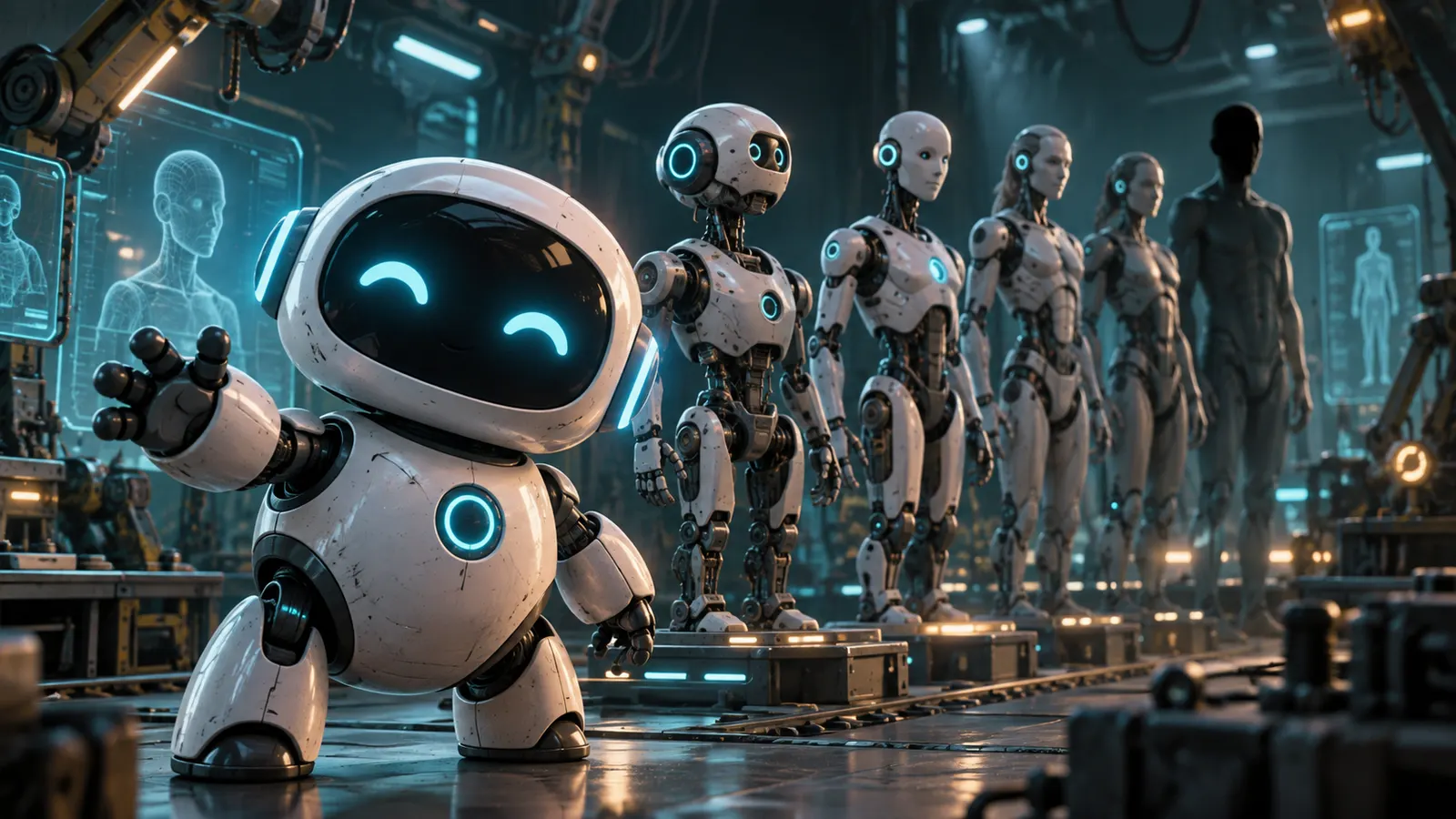
 読む前に予想してみよう!
「不気味の谷」は日本のロボット工学者が提唱した考え方だ
1970年、森政弘が雑誌「Energy」で発表した。2012年には森自身が認めた正式な英訳も出て、世界でさらに広まった。
 研究カード(どんな研究?)
- 対象
- ロボットの顔写真を評価した成人参加者
- 規模
- 実在ロボット80体の顔写真・オンライン参加者による複数の評価実験
- 研究の種類
- 実験研究・レビュー
- 確かさ
- ★★★☆☆
ロボットが人間に似てくると親しみが増すのに、「ほぼ人間」の手前で急に不気味に感じる。これが不気味の谷。1970年に日本のロボット工学者・森政弘が提唱した。
ひとことで言うと人間に「そっくりだけど、どこかちょっと違う」ロボットが一番怖い!
かわいいロボット掃除機には愛着がわくのに、人間そっくりのロボットを見ると、なぜか背筋がゾワッとする――。
この奇妙な感覚には名前があります。「不気味の谷」です。
実はこの言葉、海外の研究者が言い出したものではありません。1970年に日本のロボット工学者が提唱した考えが、半世紀かけて世界中に広まったものなのです。
01グラフに現れる“谷”
1970年、東京工業大学の教授だった森政弘は、雑誌『Energy』に短いエッセイを書きました。その中で示したのが、こんなグラフです。
- 横軸:ロボットが人間にどれだけ似ているか
- 縦軸:人がどれだけ親しみを感じるか
工場の産業用ロボットより、手足のあるおもちゃのロボットの方が親しみやすい。人に似るほど親しみは増していきます。ところが「ほとんど人間だけど、どこか違う」ところまで来ると、親しみが急降下して不気味さに変わる。そして本物の人間と見分けがつかなくなると、また親しみが戻る――。
このグラフの落ち込みが“谷”に見えることから、「不気味の谷」と名付けられました。
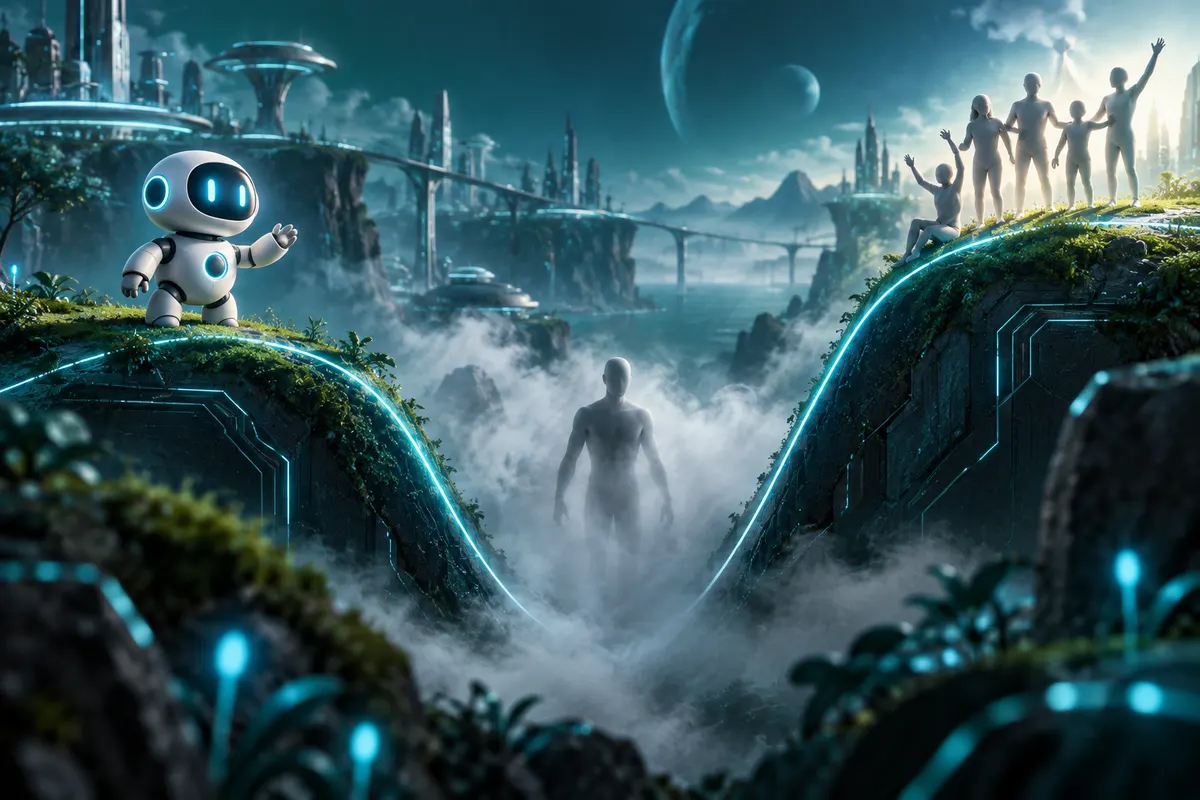
森は、動きが加わると谷がさらに深くなるとも考えました。止まっていればそれなりに見えても、動いた瞬間に違和感が増すことがあるからです。
02本当に“谷”はあるのか? 実験で確かめると
森のエッセイはデータに基づく研究ではなく、鋭い“洞察”でした。2000年代半ばになると英訳が研究者の間で出回り、世界中の研究者が「本当に谷はあるのか」を確かめ始めます。森自身が認めた正式な英訳は、2012年に IEEE(米国の電気・電子工学の学会)の専門誌に掲載されました。
ただし、どんな条件でも必ず谷が出るわけではなく、研究によって結果はまちまちです。「谷は一本の曲線ではなく、もっと複雑なもの」という見方もあります。
03なぜ“ほぼ人間”は怖いのか
理由にはいくつかの説があり、まだ決着はついていません。
- 「どっち?」問題:人間かロボットか脳が分類に迷い、そのモヤモヤが不快感になる
- ちぐはぐ問題:見た目はリアルなのに、まばたきや表情の動きが不自然、というズレが気になる
- 病気を避ける本能説:「どこか様子がおかしい人」を避けようとする心の仕組みが反応している
04まとめ
不気味の谷は、日本で生まれ、世界のロボット・CG・ゲーム開発者がいまも意識している考え方です。あえて人間に似せすぎず、かわいい・ロボットらしいデザインを選ぶのも、谷を避ける工夫の一つと言われます。
次にロボットやCGキャラを見て「なんか怖い」と思ったら、それはあなたの脳が谷底をのぞき込んでいるサインかもしれません。
この研究を英語で読もう原田英語の English CornerWhy do we love a cute robot vacuum but feel a chill when we see a robot that looks almost exactly like a… 音声
音声 4択クイズ9問A2・B1・B2タップして開く
原田英語の English Corner
この研究を英語で読もう
Many people like cute robots. But robots that look almost human can feel scary. This idea is called the "uncanny valley." A Japanese robot scientist, Masahiro Mori, wrote about it in 1970. He said robots become more likable as they look more human.
But when they look almost human, people suddenly feel uneasy. When robots look just like real people, the good feeling comes back.
65 words ・ CEFR A2
和訳を見る
多くの人はかわいいロボットが好きです。しかし、ほとんど人間のように見えるロボットは怖く感じることがあります。この考えは「不気味の谷」と呼ばれます。日本のロボット科学者である森政弘が、1970年にそれについて書きました。彼は、ロボットは人間らしく見えるほど好感が持てるようになると言いました。
しかし、ほとんど人間のように見えると、人は急に落ち着かない気持ちになります。ロボットが本物の人間とまったく同じように見えると、良い感情が戻ってくるのです。
4択リーディングクイズ
Q1. What is the passage mainly about?
ほぼ人間に見えるロボットが怖く感じられる「不気味の谷」が主題なので B。
Q2. When did Masahiro Mori write about the uncanny valley?
wrote about it in 1970 とあるので C。
Q3. In this passage, "uneasy" means ...
uneasy は un-(否定)+easy(気楽な)で「不安な・落ち着かない」なので A。
Why do we love a cute robot vacuum but feel a chill when we see a robot that looks almost exactly like a person? In 1970, Japanese robotics engineer Masahiro Mori described this feeling in a short essay. He drew a graph showing that people feel more affinity toward robots as they become more humanlike.
However, when a robot is almost human but slightly different, the feeling suddenly drops and turns into eeriness. Because the drop looks like a valley on the graph, it is called the "uncanny valley." Mori also thought that movement could make the valley deeper. His essay was based on insight, not data, but a 2016 experiment using photos of 80 real robot faces found a valley-like pattern.
122 words ・ CEFR B1
和訳を見る
なぜ私たちは、かわいいロボット掃除機は大好きなのに、ほとんど人間そっくりのロボットを見るとぞっとするのでしょうか?1970年、日本のロボット工学者である森政弘は、短いエッセイでこの感覚を説明しました。彼は、ロボットが人間らしくなるほど人は親しみを感じるようになることを示すグラフを描きました。
しかし、ロボットがほとんど人間なのに少しだけ違うと、その感情は急に落ち込み、不気味さに変わります。その落ち込みがグラフ上の谷のように見えるので、「不気味の谷」と呼ばれています。森はまた、動きが加わると谷がより深くなりうると考えました。彼のエッセイはデータではなく洞察に基づくものでしたが、実在する80体のロボットの顔写真を使った2016年の実験で、谷のようなパターンが見つかりました。
4択リーディングクイズ
Q1. What did Mori's graph show?
人間らしいほど親しみが増すが、ほぼ人間で少し違うと急に落ち込む、とあるので B。
Q2. What did Mori think about movement?
Mori also thought that movement could make the valley deeper. とあるので A。
Q3. What does the last sentence suggest about Mori's idea?
エッセイは洞察に基づくものだったが、2016年の実験で谷のようなパターンが見つかった、とあるので C。
In 2016, Mathur and Reichling asked volunteers to rate photographs of 80 real robot faces for likability. Ratings climbed as the faces looked more human, fell sharply for the almost-human ones, then rose again. The faces people liked least were also trusted less in an investment game. Masahiro Mori had predicted that shape decades earlier.
The Japanese robotics engineer argued in a 1970 essay that our affinity toward a robot grows as it looks more human, plunges into eeriness when it is nearly but not quite human, and recovers once it cannot be told apart from a real person. He added that movement would make the dip deeper. The essay offered no empirical evidence, and researchers began testing it in the mid-2000s, as English translations circulated; an authorized one appeared in an IEEE magazine in 2012. Its cause is disputed. One account points to confusion over whether something is human or machine.
Another blames perceptual mismatches, such as realistic skin paired with unnatural eyes. A third proposes an instinct to avoid people who seem unwell. The depth of the dip also shifts with the set of faces tested, with culture, and with how used to robots viewers are.
198 words ・ CEFR B2
和訳を見る
2016年、MathurとReichlingは参加者に、実在する80体のロボットの顔写真を見せて好感度を評価してもらいました。評価は顔が人間らしく見えるほど上がり、ほとんど人間に近い顔で急に下がり、その後また上がりました。最も好かれなかった顔は、投資ゲームでも信頼されにくい傾向がありました。この形は、森政弘が数十年前に予言していたものです。
日本のロボット工学者である森は1970年のエッセイで、ロボットに対する親しみは人間らしく見えるほど増すが、ほとんど人間なのに完全には人間でないときに不気味さへと急落し、本物の人間と見分けがつかなくなると回復する、と論じました。彼はさらに、動きが加わるとこのくぼみはより深くなると付け加えました。そのエッセイは実証的な証拠を示しておらず、英訳が出回り始めた2000年代半ばから研究者が検証を始め、森が認めた英訳は2012年にIEEEの専門誌に掲載されました。谷が生じる原因については意見が分かれています。ひとつは、人間か機械かの判断に迷うことが原因だとする説です。
別の説は、リアルな肌と不自然な目の組み合わせのような知覚のずれのせいだと考えます。3つ目は、具合の悪そうな人を避ける本能があるという説です。くぼみの深さは、どの顔を試したか、文化、そして見る人がロボットにどれだけ慣れているかによっても変わります。
4択リーディングクイズ
Q1. When did researchers worldwide begin testing Mori's idea?
researchers began testing it in the mid-2000s, as English translations circulated とあるので B。
Q2. What else did Mathur and Reichling find?
The faces people liked least were also trusted less in an investment game. とあるので A。
Q3. According to the passage, which of the following can change the depth of the dip?
The depth of the dip also shifts with the set of faces tested, with culture, and with how used to robots viewers are. とあるので B。
重要単語
- uncannyC1形容詞不気味な、尋常でないThe robot's smile looked uncanny.
 un-(否定)+canny(わかっている)=「説明のつかない」。an uncanny ability「不思議なほどの才能」というプラスの用法もある。
 - humanlikeB2形容詞人間らしいHumanlike robots can make people uneasy. 名詞+-like で「~のような」。childlike, lifelike(真に迫った)も同じ作り。
- eerieC1形容詞気味の悪いSomething about the face felt eerie. 名詞 eeriness。creepy(ぞっとする)は口語的、eerie はやや文語的。
- likabilityC1名詞好感度Likability dropped for almost-human faces. likable(好感の持てる)+-ity。英国つづりは likeability。
- mismatchB2名詞ずれ、不一致A mismatch between face and movement feels strange. mis-(誤って)+match。a mismatch between A and B の形で使う。
- affinityC1名詞親しみ、親近感People feel more affinity toward cute robots. affinity for / with / toward ~「~への親しみ」。化学では「親和性」。
- empiricalC1形容詞実証的な、経験に基づくMori's essay offered no empirical evidence. empirical evidence / study は研究系長文の超頻出語。theoretical(理論的な)と対比される。
 入試に出る順の単語帳を印刷する →
 全5903語の「科学英単語カード」で復習する →
 動画でもっと知る
動画は各チャンネルの公式埋め込みで表示しています(YouTube)。
この話題を TED で聞く
同じテーマの TED・TED-Ed を、 TED HACK で。英語の見どころ・使える表現・学習ミッションつきの日本語ガイドです。(運営:原田英語)

このネタ、誰かに教えたくなった?
ロボットは人間に似るほど親しみがわくのに、「ほぼ人間」の一歩手前でいきなり怖くなる“不気味の谷”。これ、1970年に日本のロボット工学者が言い出したもので、いまや世界中で知られているらしい。
押すと「マジかリスト」に保存されます
 出典・参考文献(5件)タップで表示
- Mori, MacDorman & Kageki (2012) The Uncanny Valley [From the Field], IEEE Robotics & Automation Magazinedoi.org
- Mathur & Reichling (2016) Navigating a social world with robot partners: A quantitative cartography of the Uncanny Valley, Cognitiondoi.org
- Kätsyri et al. (2015) A review of empirical evidence on different uncanny valley hypotheses: support for perceptual mismatch as one road to the valley of eeriness, Frontiers in Psychologydoi.org
- Wang, Lilienfeld & Rochat (2015) The Uncanny Valley: Existence and Explanations, Review of General Psychologydoi.org
- Nightingale & Farid (2022) AI-synthesized faces are indistinguishable from real faces and more trustworthy, PNASdoi.org

※本記事は上記の研究・公開資料をもとに、原田英語が独自の言葉で解説したものです。引用は著作権法第32条の範囲で行い、出典を明記しています。画像はすべてオリジナルのイメージです。研究結果には限界や個人差があります。誤りのご指摘は原田英語のお問い合わせフォームから。