

 体と健康・食ホント
山椒や花椒の「しびれ」は味じゃなく“振動”の感覚だった。1秒に約50回のブルブルとそっくり
 2026.10.02
 English Corner(A2〜B2・4択クイズ)
 読む前に予想してみよう!
山椒のしびれは、舌の「味を感じる細胞」で感じている
しびれは主に触覚や痛みを伝える神経が興奮して生まれる。味覚とは別ルート。
 研究カード(どんな研究?)
- 対象
- 成人の参加者・マウスの神経
- 規模
- しびれと同じに感じる振動を選んでもらう小規模な実験(各8〜12人)+神経の基礎研究
- 研究の種類
- 実験研究
- 確かさ
- ★★★☆☆
山椒や花椒のしびれ成分は「触覚」の神経を興奮させる。ロンドン大学の実験では、しびれは指で感じる約50Hzの振動とそっくりだった。
ひとことで言うと山椒のピリピリは、口の中で小さな「バイブ」が鳴っている感じ!
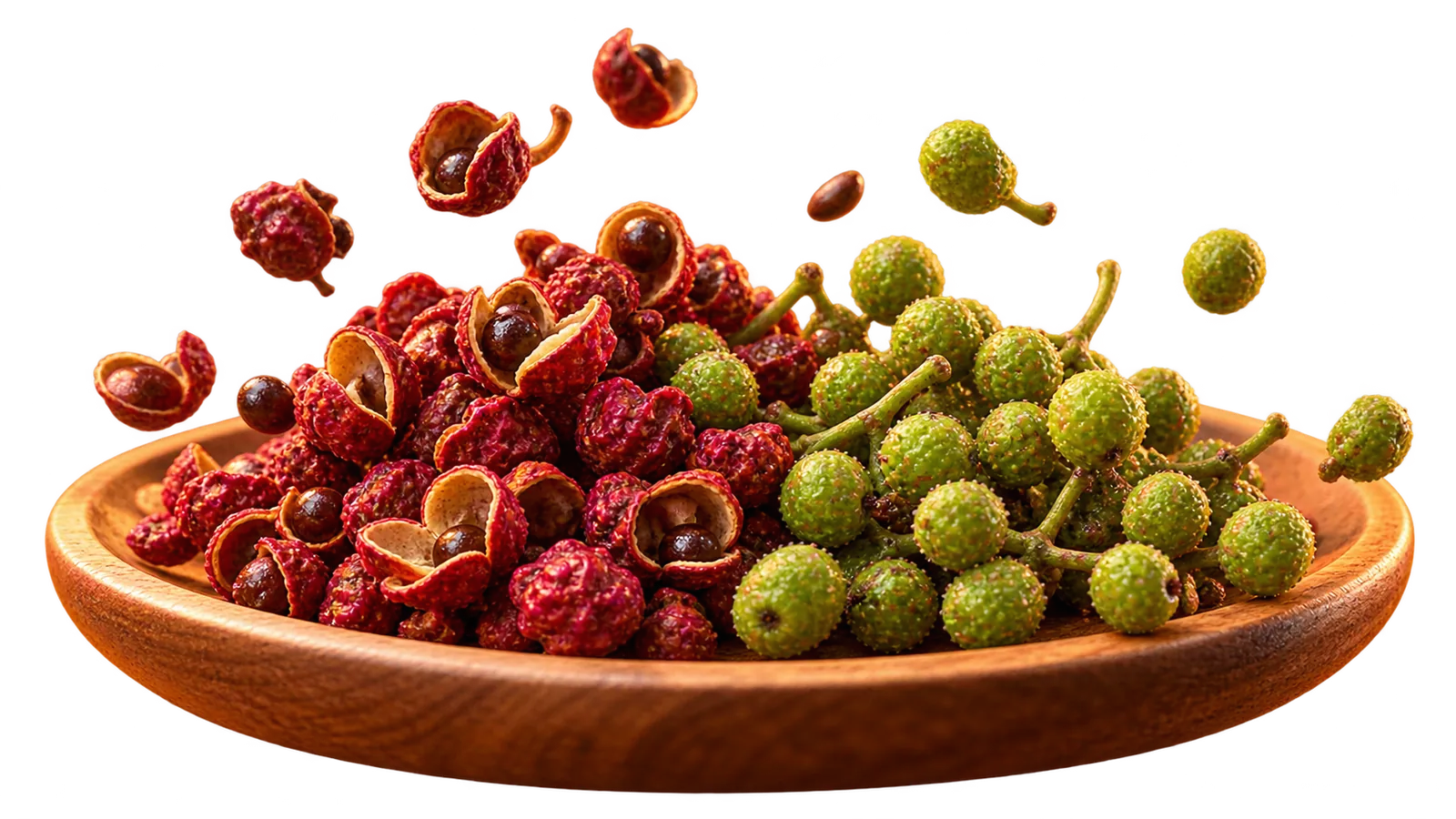
うなぎのかば焼きにパラリとかける山椒。麻婆豆腐に入った花椒(ホアジャオ)。食べると口の中がジンジン、ビリビリとしびれますよね。
この感覚、唐辛子の「辛い」とも、レモンの「酸っぱい」とも違います。いったい何なのでしょうか。
研究から見えてきたのは、山椒のしびれは「味」ではなく、「振動」に近い触覚だということです。
01しびれの主役は「サンショオール」
山椒や花椒には、サンショオールと呼ばれる仲間の成分が含まれています。中でも、しびれの主役とされるのがヒドロキシ-α-サンショオールです。
中国料理でいう「麻辣(マーラー)」の「麻」がこのしびれ、「辣」が唐辛子の辛さ。つまり料理人たちは昔から、2つは別の感覚だと見抜いていたわけです。
山椒の仲間の木は、英語で「トゥースエイク・ツリー(歯痛の木)」とも呼ばれてきました。口がしびれる性質を、歯の痛みをまぎらわせるのに使っていたのです。
02神経の「ブレーキ」を外していた
2010年の研究では、マウスの皮膚の神経を調べたところ、サンショオールはほんのわずかな接触にも反応する、とても敏感な触覚センサーの一種(D-hair線維)を、ほぼすべて興奮させることが分かりました。
03唇のしびれは「1秒に約50回」の振動だった
では、そのしびれは、私たちにはどう感じられているのか。これを数字で確かめたのが、ロンドン大学(UCL)のチームです。
2013年の実験では、参加者の下唇に花椒を塗り、右手の人さし指には機械で振動を与えました。そして「唇のしびれと同じ速さの振動はどれか」を比べてもらったのです。
結果、しびれの感覚は一貫して約50ヘルツ(1秒に約50回)の振動と一致しました。これは、皮膚の中でも細かい振動をとらえるのが得意な触覚の神経が担当する範囲です。
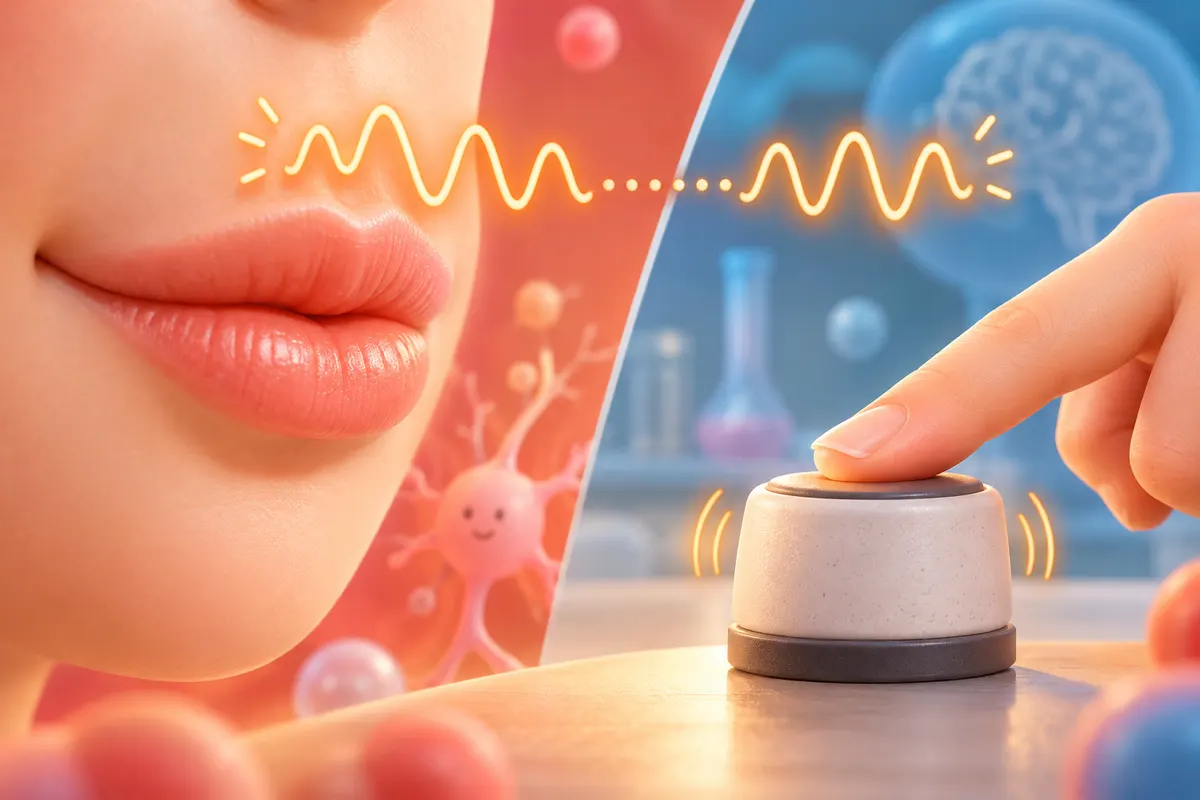
また、唇に機械の振動を長く当てて、振動をとらえる神経を「慣れさせて」おくと、花椒で感じるしびれの速さも下がりました。食べ物のしびれと機械の振動が、同じ触覚の神経の通り道を使っている証拠と考えられています。
04まとめ
山椒のしびれは、ブレーキが外れた触覚の神経が生み出す、「1秒に約50回の振動」のような感覚でした。味でも唐辛子の辛さでもない、触覚に近い口の感覚です。
次に山椒をかけたら、「今、唇で小さなバイブが鳴っている」と想像しながら味わってみてください。
この研究を英語で読もう原田英語の English CornerThe numbing tingle of Japanese sansho and Chinese Szechuan pepper is very different from the heat of chili. 音声
音声 4択クイズ9問A2・B1・B2タップして開く
原田英語の English Corner
この研究を英語で読もう
Japanese sansho pepper and Chinese Szechuan pepper make your mouth tingle. This feeling is not a taste. It is closer to touch. Scientists in London put Szechuan pepper on people's lips.
Then they shook people's fingers with a machine. People said the tingling felt like a vibration of about 50 times a second. So eating sansho is like having a tiny phone buzzing in your mouth!
66 words ・ CEFR A2
和訳を見る
日本の山椒や中国の花椒を食べると、口がピリピリしびれます。この感覚は味ではありません。触覚に近いものです。ロンドンの科学者たちは、人々の唇に花椒を塗りました。
それから、機械で人々の指を振動させました。人々は、しびれは1秒に約50回の振動のように感じると言いました。つまり、山椒を食べるのは、口の中で小さな携帯電話がブルブル鳴っているようなものなのです!
4択リーディングクイズ
Q1. What is the passage mainly about?
山椒のしびれは味ではなく触覚(振動)に近い、という内容なので B。
Q2. How fast was the vibration that matched the tingling?
a vibration of about 50 times a second とあるので C。
Q3. In this passage, "tingle" means ...
tingle は「ピリピリ・ジンジンする」。軽くしびれるような感覚なので D。
The numbing tingle of Japanese sansho and Chinese Szechuan pepper is very different from the heat of chili. Chinese cooks even use different words for the two sensations. The main cause is a substance called sanshool. In 2008, a US team found that sanshool blocks certain channels that normally act as "brakes" on nerves, so the nerves start firing on their own. These included nerves that sense light touch.
In 2013, researchers in London put Szechuan pepper on people's lower lips and vibrated their fingers with a machine. The tingling matched a vibration of about 50 times per second. This suggests that the tingle is really a kind of touch instead of a taste.
114 words ・ CEFR B1
和訳を見る
日本の山椒や中国の花椒のしびれるようなピリピリ感は、唐辛子の辛さとはまったくちがいます。中国の料理人は、この2つの感覚に別々の言葉さえ使っています。主な原因はサンショオールという物質です。2008年、アメリカのチームは、サンショオールが、ふだんは神経の「ブレーキ」としてはたらくある種のチャネルをふさぐため、神経が勝手に信号を出し始めることを発見しました。その中には、軽い接触を感じる神経も含まれていました。
2013年、ロンドンの研究者たちは、人々の下唇に花椒を塗り、機械で指を振動させました。しびれは、1秒に約50回の振動と一致しました。これは、このピリピリ感が実は味ではなく、触覚の一種であることを示唆しています。
4択リーディングクイズ
Q1. What does sanshool do to nerves, according to the 2008 study?
sanshool blocks certain channels that normally act as "brakes" on nerves, so the nerves start firing on their own とあるので A。
Q2. Where did the London researchers put the Szechuan pepper?
put Szechuan pepper on people's lower lips とあるので B。指には機械の振動を与えた。
Q3. Why does the writer mention that Chinese cooks use different words?
しびれと唐辛子の辛さに別々の言葉があるのは、昔から2つが別の感覚だと気づかれていた証拠なので C。
The numbing tingle produced by Japanese sansho and Chinese Szechuan pepper is neither a taste nor the burning heat of chili; Chinese cuisine has long used separate words for the two sensations. Its main source is hydroxy-alpha-sanshool. In 2008, a team led by David Julius, who later won a Nobel Prize, reported that sanshool blocks two-pore potassium channels, which normally act as brakes that keep nerves from becoming overexcited.
With these brakes removed, sensory neurons fire spontaneously, including neurons that respond to light touch. A 2010 study added that sanshool excites almost all D-hair fibers, a very sensitive type of touch receptor in the skin. How does this feel? In 2013, researchers at University College London applied Szechuan pepper to participants' lower lips and delivered mechanical vibrations to a fingertip, asking them to match the frequencies. The tingling consistently matched about 50 hertz, a range handled by touch nerves specialized for fine vibration.
Also, when the vibration sensors were first fatigued by prolonged mechanical vibration on the lips, the perceived frequency of the tingle dropped. The two sensations seem to share a neural channel. These findings are compelling, though the 2013 study relied on people's subjective judgments of frequency.
199 words ・ CEFR B2
和訳を見る
日本の山椒や中国の花椒が生み出すしびれるようなピリピリ感は、味でも唐辛子の焼けるような辛さでもありません。中国料理では昔から、この2つの感覚に別々の言葉が使われてきました。その主な源はヒドロキシ-α-サンショオールです。2008年、のちにノーベル賞を受賞するデビッド・ジュリアスさんが率いるチームは、サンショオールが2ポア型カリウムチャネルをふさぐことを報告しました。
このチャネルはふだん、神経が興奮しすぎないようにするブレーキとしてはたらいています。このブレーキが外れると、感覚神経は勝手に信号を出し始め、その中には軽い接触に反応する神経も含まれます。2010年の研究は、サンショオールが皮膚の非常に敏感な触覚受容器の一種であるD-hair線維のほぼすべてを興奮させることを付け加えました。では、それはどう感じられるのでしょうか。2013年、ロンドン大学の研究者たちは、参加者の下唇に花椒を塗り、指先に機械的な振動を与えて、その周波数を合わせてもらいました。しびれは一貫して約50ヘルツと一致しました。
これは、細かい振動を専門に扱う触覚神経が担当する範囲です。また、振動をとらえるセンサーを、唇への長時間の機械的な振動で先に疲れさせておくと、感じるしびれの周波数が下がりました。両者は共通の神経のチャンネルを使っているようです。これらの発見は説得力がありますが、2013年の研究は、周波数についての人々の主観的な判断に頼っていました。
4択リーディングクイズ
Q1. According to the passage, what is the tingle of sansho mainly?
neither a taste nor the burning heat of chili とあり、触覚の神経が興奮して生じる感覚なので B。
Q2. What happened when the vibration sensors were fatigued first?
the perceived frequency of the tingle dropped とあるので D。共通の神経チャンネルを使う証拠とされる。
Q3. Which limitation of the 2013 study does the writer mention?
the 2013 study relied on people's subjective judgments of frequency とあるので A。
重要単語
- tinglingC1形容詞ピリピリ・しびれるようなThe pepper left a tingling feeling on my lips.
 動詞 tingle(ピリピリする)から。期待で「ゾクゾクする」の意味でも使う。
 - vibrationB2名詞振動The phone's vibration woke me up. vibrate(振動する)の名詞形。スマホの「バイブ」はこの語から。
- frequencyB2名詞周波数、頻度The tingling had a frequency of about 50 hertz. 形容詞 frequent(頻繁な)。「頻度」と「周波数」の両方の意味を覚えておく。
- numbB2形容詞しびれた、感覚がないMy mouth felt numb after the spicy dish. b は発音しない(ナム)。climb / comb と同じ「黙字の b」。
- touch receptorC1名詞(句)触覚の受容器Touch receptors in the skin sense pressure. receptor は「受け取るもの」。taste receptor / pain receptor と組み合わせて使う。
- fatigueB2動詞・名詞疲れさせる/疲労Long vibration fatigued the touch sensors. 発音は /fəˈtiːɡ/。感覚器が「慣れて鈍くなる」ことにも使われる。
 入試に出る順の単語帳を印刷する →
 全5903語の「科学英単語カード」で復習する →
 4コマでわかる
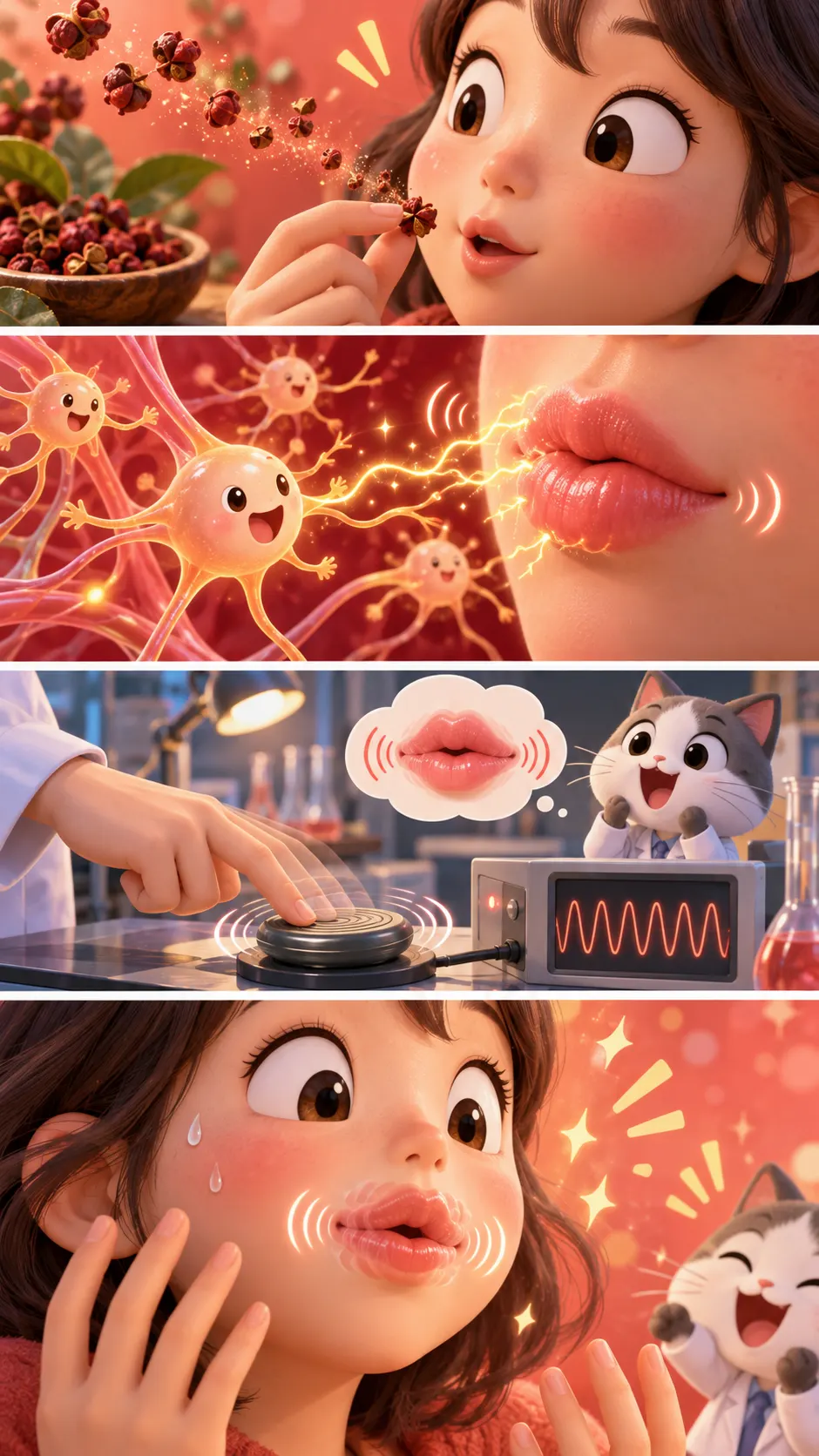
このネタ、誰かに教えたくなった?
うなぎにかける山椒や麻婆豆腐の花椒のしびれ、正体は「振動」の感覚だった。ロンドンの実験で、唇のしびれを指への振動と比べてもらったら、ほぼ毎秒50回のブルブルと同じだったらしい。
押すと「マジかリスト」に保存されます
 出典・参考文献(3件)タップで表示
- Bautista et al. (2008) Pungent agents from Szechuan peppers excite sensory neurons by inhibiting two-pore potassium channels, Nature Neurosciencedoi.org
- Lennertz et al. (2010) Physiological basis of tingling paresthesia evoked by hydroxy-α-sanshool, Journal of Neurosciencedoi.org
- Hagura, Barber & Haggard (2013) Food vibrations: Asian spice sets lips trembling, Proceedings of the Royal Society Bdoi.org

※本記事は上記の研究・公開資料をもとに、原田英語が独自の言葉で解説したものです。引用は著作権法第32条の範囲で行い、出典を明記しています。画像はすべてオリジナルのイメージです。研究結果には限界や個人差があります。誤りのご指摘は原田英語のお問い合わせフォームから。
 これも「マジか!?」
 体・健康
体・健康
指紋は「すべり止め」じゃなかった? 物にふれる面積が減り、摩擦はむしろ下がる方向。役目は手ざわりを感じることかも
 体・健康
体・健康
肘をぶつけて小指までビリッ。英語で「ファニーボーン(おかしな骨)」と呼ぶ場所の正体は神経だった
 体・健康
体・健康
ぶつけた所をさすると痛みがやわらぐのはなぜ?「痛いの痛いの飛んでいけ」には科学的な裏づけがあった
 体・健康
体・健康
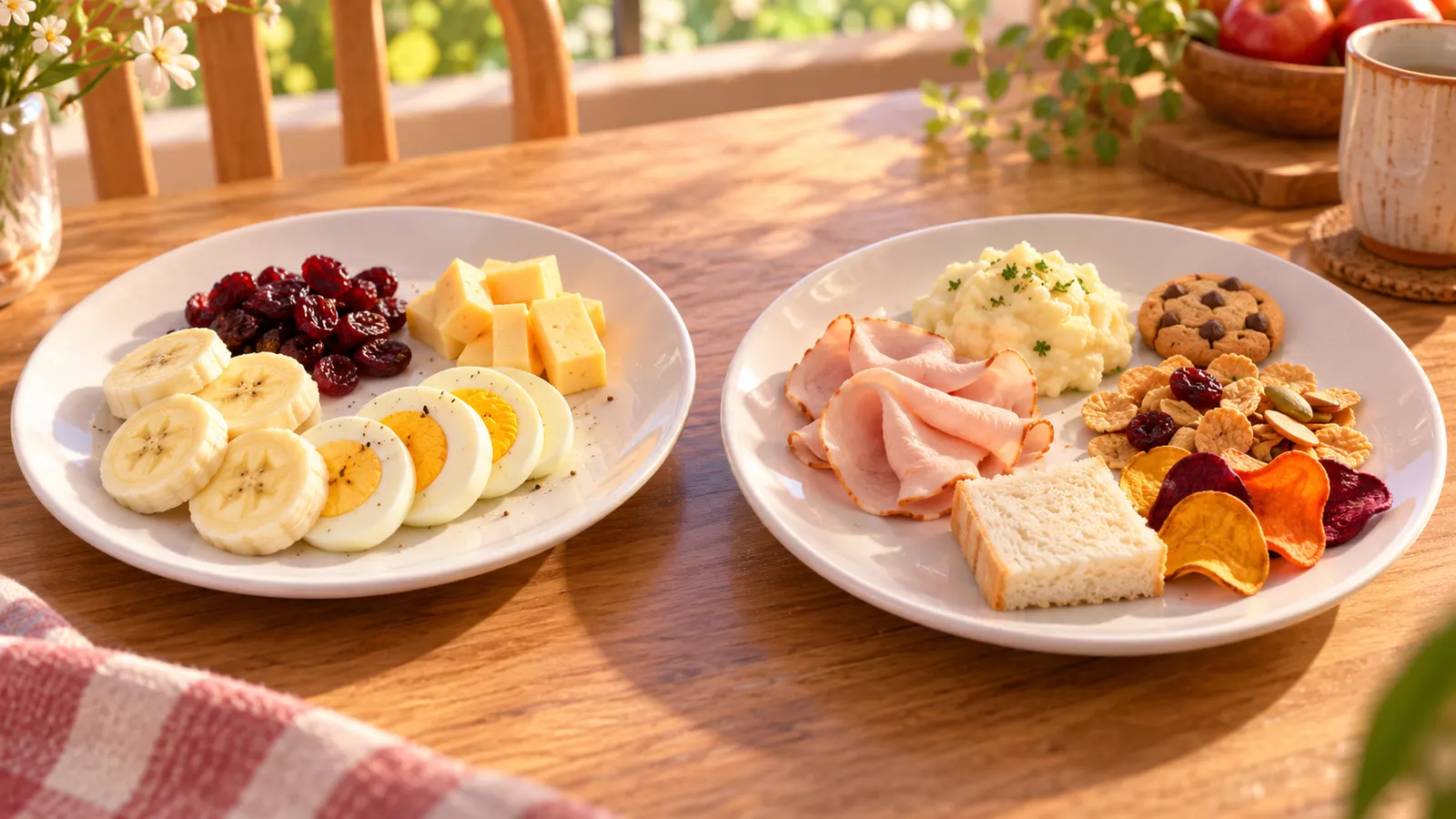
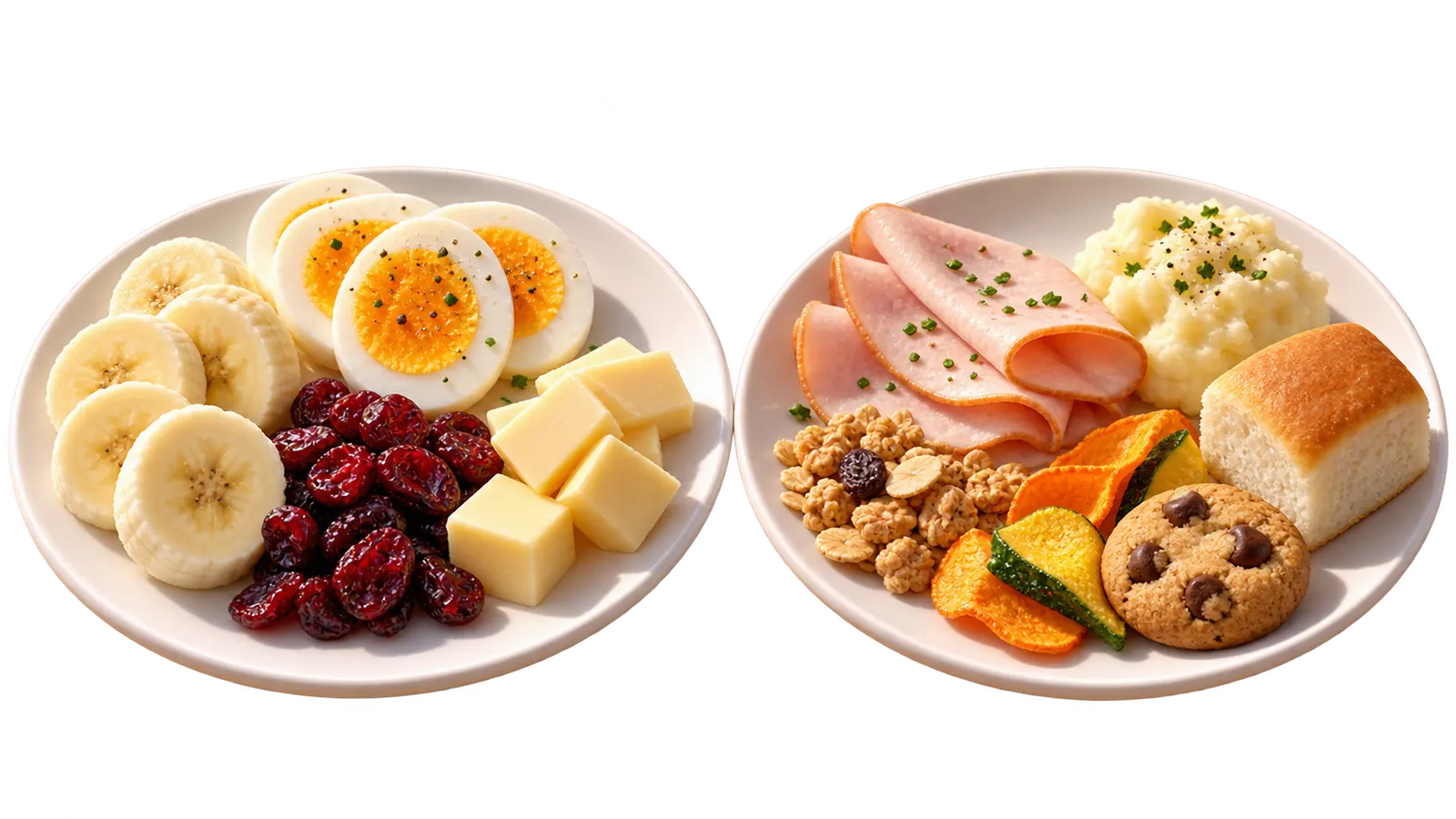
カロリーも栄養もそろえた2つの朝食。ゆで卵やバナナより、超加工食品のほうがインスリンが多く出た

 体・健康
体・健康
同じパンでも、1人より恋人と一緒に食べたほうが血糖値の上がり方が小さかった。若い108人の実験
 体・健康
体・健康