Meat Day (Niku no Hi)

肉の日(2月9日・毎月29日)を英語で:読む・聞く・話す・遊ぶ

やさしい英語(CEFR A2)の読み物に音声つき。会話・単語カード・クイズ5問・ゲームで、肉の日(2月9日・毎月29日)の英語をまるごと。

🔊Read in English肉の日(2月9日・毎月29日)を英語で読もう(CEFR A2・音声つき)

肉の日(2月9日・毎月29日)を、やさしい英語で紹介する読み物です。▶で英文をタイトルから通して聞けます(アメリカ英語)。「和訳」ボタンで日本語訳の表示・非表示を切りかえられます。下線の語は下の単語カードにあります。

The Day of Two and Nine

CEFR A2
0:00
230 words

In Japan, numbers can be read in more than one way. The number 2 can be ni, and 9 can be ku. Put them together, and you get niku. Niku means meat in Japanese. So the 29th of every month is Meat Day, and meat shops have special sales.

日本では、数字を何通りもの読み方で読むことができます。2は「に」、9は「く」と読めます。並べると「にく」になります。「にく」は日本語で肉という意味です。だから毎月29日は肉の日で、お肉屋さんでは特売があります。

But there is a problem. February usually has only 28 days. So February 9 became a meat day, too. It started in 2017. In the Japanese calendar, that was the year 29, so people called it the Year of Meat. Meat shops hold a prize drawing, and lucky winners can get top-quality beef.

でも、問題があります。2月はふつう28日までしかありません。そこで2月9日も肉の日になりました。それは2017年に始まりました。日本の暦(和暦)ではその年は平成29年だったので、「肉の年」と呼ばれました。お肉屋さんでは抽選があり、運のいい人は上等な牛肉が当たります。

Today, many people in Japan love beef, pork, and chicken. But for a long time, eating meat was not common. In 675, an emperor said people must not eat cows, horses, dogs, monkeys, or chickens. Deer and wild boar were not on the list, so some people still ate them. In 1872, newspapers said that Emperor Meiji ate beef. Around this time, beef hot pot restaurants became very popular in Tokyo.

今、日本の多くの人は牛肉や豚肉、鶏肉が大好きです。でも長いあいだ、肉を食べることは一般的ではありませんでした。675年、ある天皇が、牛・馬・犬・猿・鶏を食べてはいけないと命じました。鹿と猪はその中に入っていなかったので、それらを食べる人もいました。1872年、明治天皇が牛肉を食べたというニュースが伝えられました。このころ、東京では牛鍋の店がとても人気になりました。

Japan has other meat days, too. August 29 is Yakiniku Day, a day for Japanese barbecue. November 29 is Good Meat Day, because 11 can be read ii, which means good. Number games like this are everywhere in Japan. Next time you see a date, try to read it in Japanese. It might be a hidden message!

日本には、ほかにも肉の日があります。8月29日は焼肉の日、日本式バーベキューの日です。11月29日は「いい肉の日」です。11は「いい」と読めるからです。こうした数字遊びは、日本のいたるところにあります。今度日付を見たら、日本語で読んでみてください。かくれたメッセージかもしれません!

💬Dialogue英語の会話で肉の日(2月9日・毎月29日)

🎬 カナダからの留学生イーサンが、29日にスーパーで大きな看板を見かけます。友だちのアオイが説明します。

0:00
Ethan

Why is all the meat on sale today?

どうして今日はお肉が全部特売なの?

Aoi

Because it's the 29th. It's Meat Day!

29日だからよ。肉の日なの!

Ethan

Meat Day? Why the 29th?

肉の日?どうして29日なの?

Aoi

In Japanese, 2 can be ni and 9 can be ku. Ni-ku means meat.

日本語で2は「に」、9は「く」と読めるの。「にく」は肉のことよ。

Ethan

That's clever! So every month has a Meat Day?

うまいね!じゃあ毎月肉の日があるの?

Aoi

Yes. And in February, it's February 9, because there's usually no 29th.

そう。2月はふつう29日がないから、2月9日なの。

Ethan

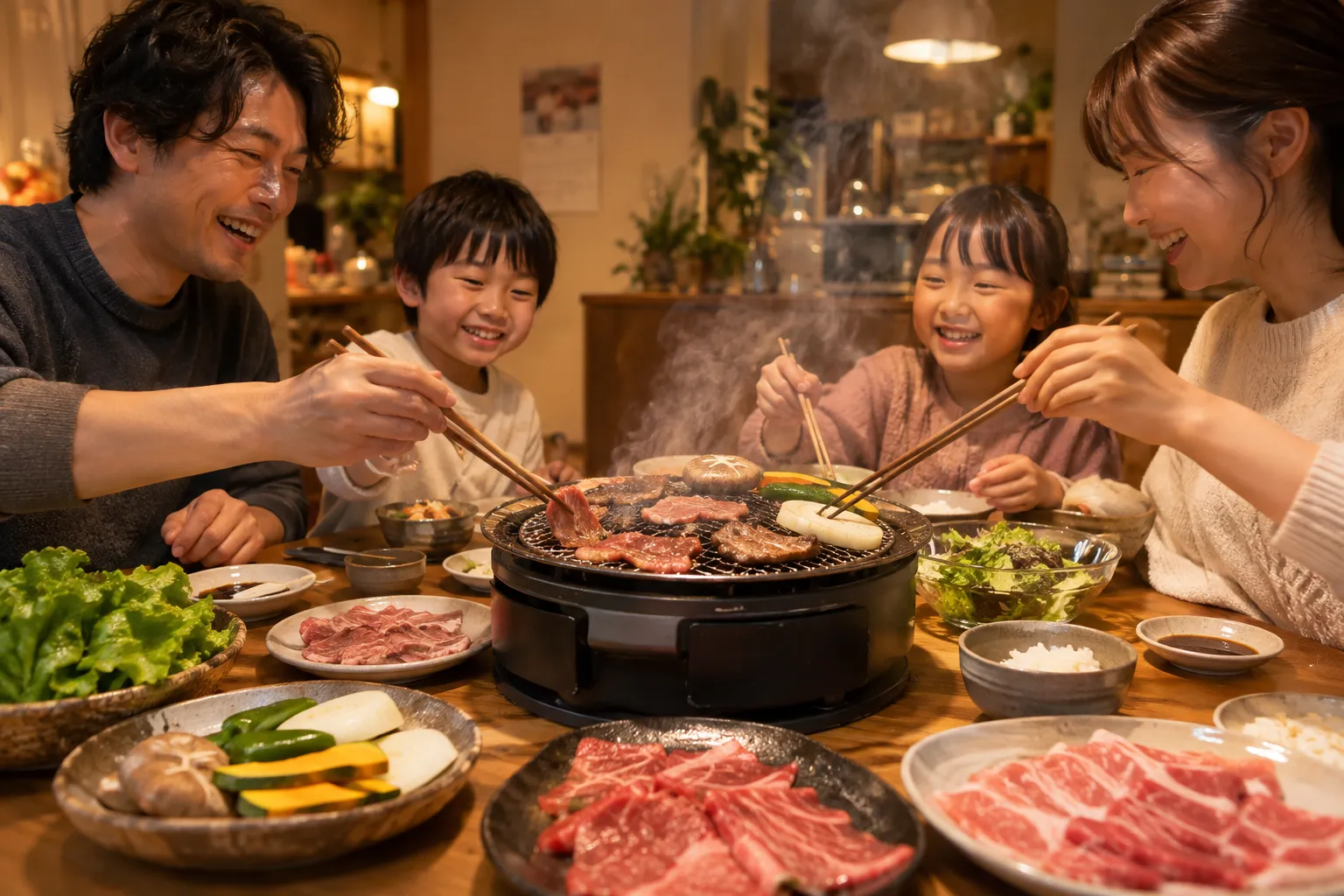
Then let's buy some beef and have yakiniku tonight!

じゃあ牛肉を買って、今夜は焼肉にしよう!

🃏Word Cards肉の日(2月9日・毎月29日)の英単語カード(8語)

カードをタップすると裏返って、意味と例文が出ます。

meat名詞
肉Niku means meat in Japanese.「にく」は日本語で肉という意味です。💡 同じ発音の meet(会う)とまちがえないように。
sale名詞
特売、販売The shop has a meat sale today.その店は今日お肉の特売をしています。💡 on sale=特売中で、売り出し中で。
beef名詞
牛肉The emperor ate beef in 1872.天皇は1872年に牛肉を食べました。💡 動物の牛は cow / cattle、肉は beef。豚は pig と pork。
pork名詞
豚肉I like pork more than beef.私は牛肉より豚肉が好きです。💡 フランス語由来。beef や pork など、食べる肉の名前にはフランス語から来たものが多い。
common形容詞
普通の、よくあるEating meat was not common in old Japan.昔の日本では肉を食べるのはふつうではなかった。💡 common sense=常識。
wild boar名詞
イノシシWild boar was not on the list.イノシシはリストに入っていなかった。💡 boar はオスのブタ・イノシシ。wild をつけてイノシシ。
hot pot名詞
鍋料理Beef hot pots became popular in Tokyo.東京で牛鍋が人気になった。💡 鍋料理全般に使える。
hidden形容詞
かくれたThe date has a hidden message.その日付にはかくれたメッセージがあります。💡 hide(かくす)の過去分詞。

✅Quiz肉の日(2月9日・毎月29日)の英語クイズ(5問)

上の英文を読んでから答えてみよう。答えを選ぶとすぐに解説が出ます。全問正解でスタンプが金色に!

Q1. What is the main idea of the passage?

本文の主旨は何ですか。

第1・2段落で語呂合わせと2月9日、第3段落で肉食の歴史、第4段落でほかの肉の日を紹介しています。昔は肉が一般的ではなかったのでAは誤り。祝日や休みの話もありません。

Q2. Why did February 9 become a meat day?

なぜ2月9日が肉の日になったのですか。

第2段落に February usually has only 28 days. So February 9 became a meat day とあります。天皇が食べた日、寒い日という記述はなく、焼肉の日は8月29日です。

Q3. Which animal was NOT on the list in 675?

675年のリストに入っていなかった動物はどれですか。

第3段落に Deer and wild boar were not on the list とあります。馬・猿・鶏は食べてはいけない動物として挙げられています。

Q4. In paragraph 3, what does common mean in eating meat was not common?

第3段落の eating meat was not common の common の意味はどれですか。

for a long time, eating meat was not common は「長いあいだ肉を食べるのはふつうではなかった」。common は「よくある、普通の」です。

Q5. What will Ethan probably do tonight?

イーサンは今夜おそらく何をしますか。

会話の最後でイーサンは let's buy some beef and have yakiniku tonight と言っています。魚や博物館の話はなく、2月9日まで待つとも言っていません。

🎮Games肉の日(2月9日・毎月29日)の英語ゲーム

タブを切りかえて遊べます。授業ではプロジェクターに映して、クラス対抗戦にしても盛り上がります。

👋Useful Phrases肉の日(2月9日・毎月29日)に使える英語フレーズ

In Japanese, 2 and 9 can be read ni and ku. That's niku, meat!日本語で2と9は「に」と「く」と読めます。だから「にく」なんです!語呂合わせを説明する一言。
Shops have meat sales on the 29th of every month.毎月29日はお肉屋さんで特売があるんです。sale=特売、セール。
Let's have yakiniku for Meat Day!肉の日だから焼肉にしよう!Let's have ~ for ...=…だから~を食べよう。

🗣️ 話し合ってみよう(Discussion)

  1. What is your favorite meat dish? When do you eat it?

    好きな肉料理は何ですか。いつ食べますか。
  2. Japan has many number-pun days, like Meat Day. Make your own number day and explain it in English.

    日本には肉の日のような語呂合わせの記念日がたくさんあります。自分で記念日を作って英語で説明しましょう。
  3. Food rules often come from religion, health, or the economy. Why do you think Japan avoided meat for so long, and why did it change?

    食べ物の決まりは宗教・健康・経済などから生まれます。日本が長く肉を避けてきたのはなぜで、なぜ変わったのだと思いますか。
🥩
Meat Day (Niku no
スタンプ帳に肉の日(2月9日・毎月29日)のスタンプを押しました!
クイズで全問正解すると金のスタンプに。世界一周めざして集めよう。 スタンプ帳を見る →

授業アイデアとワークシートを見る →