


 この展示室のワークシート
18世紀の半ば、イタリアのポンペイやヘルクラネウムで、火山の灰にうもれた古代ローマの町の発掘が進み、ヨーロッパに古代ブームが起こりました。甘くかざったロココにあきた人々は、古代ギリシャ・ローマのような、まじめで力強く、ととのった美しさを求めるようになります。これが新古典主義です。
In the mid-18th century, the ancient Roman towns of Pompeii and Herculaneum, buried by a volcano, were being dug up. Europe went crazy for the ancient world. People tired of sweet Rococo decoration wanted serious, strong and balanced beauty like that of ancient Greece and Rome. This was Neoclassicism.
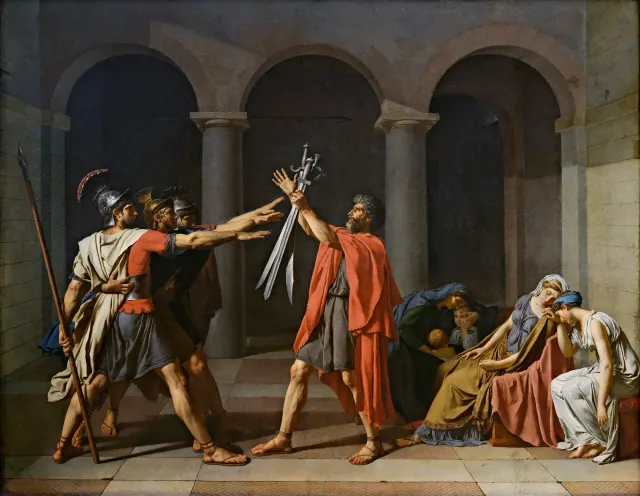
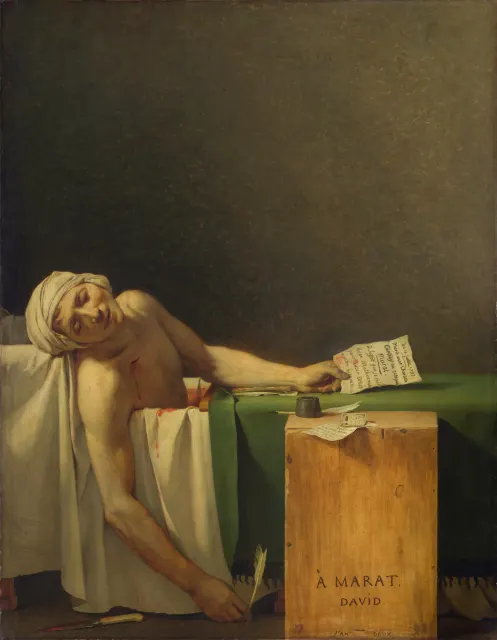
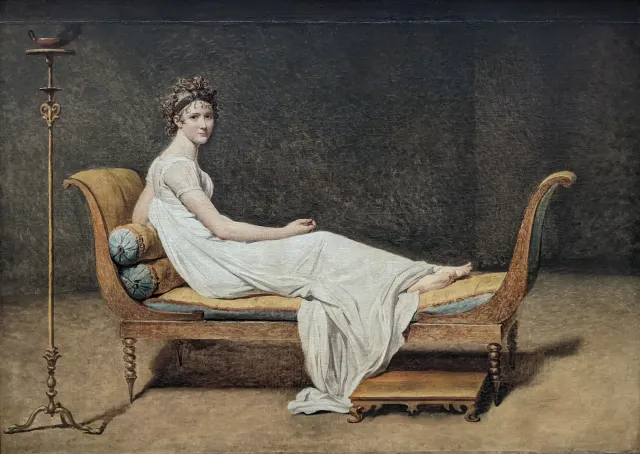
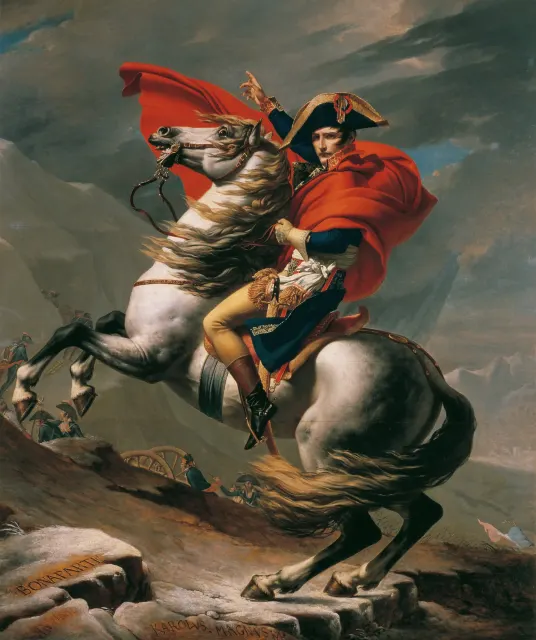
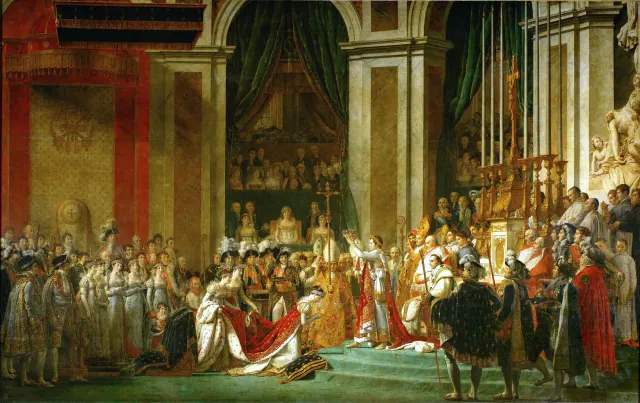
代表的な画家はフランスのダヴィッドです。『ホラティウス兄弟の誓い』では、祖国のために戦う兄弟を、くっきりした輪郭と舞台のような構図で描きました。フランス革命の時代には革命家マラーの死を描き、のちにナポレオンの首席画家となって、その戴冠式や、アルプスを越える英雄の姿を描きました。
The leading painter was Jacques-Louis David of France. In The Oath of the Horatii, he showed brothers swearing to fight for their country, with sharp outlines and a stage-like design. During the French Revolution he painted the death of the revolutionary Marat. Later he became Napoleon's First Painter and showed his coronation and his heroic crossing of the Alps.
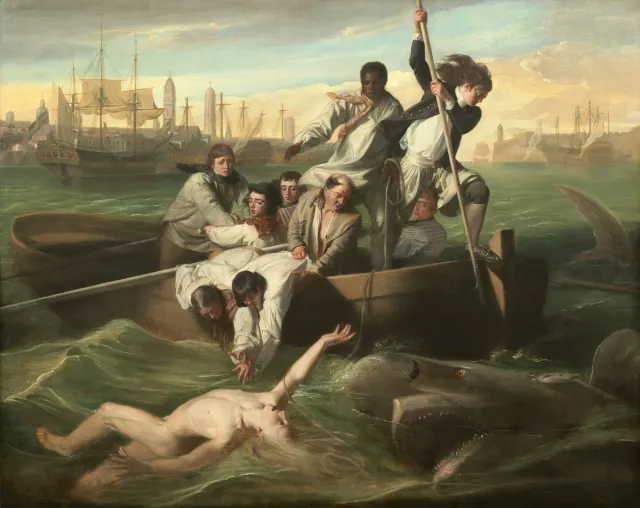
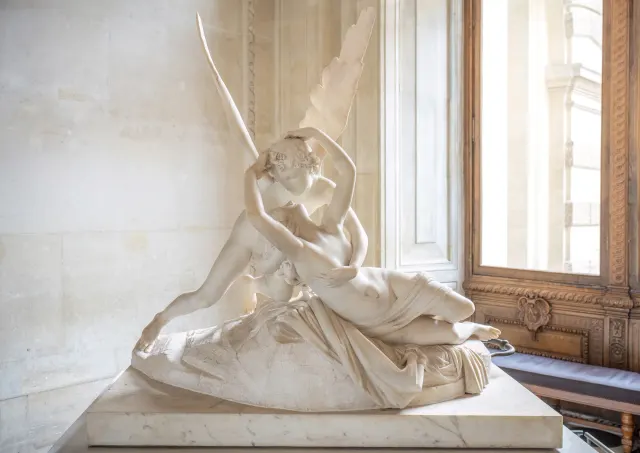
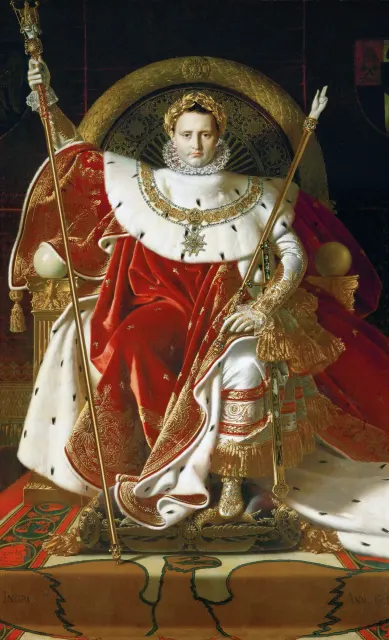
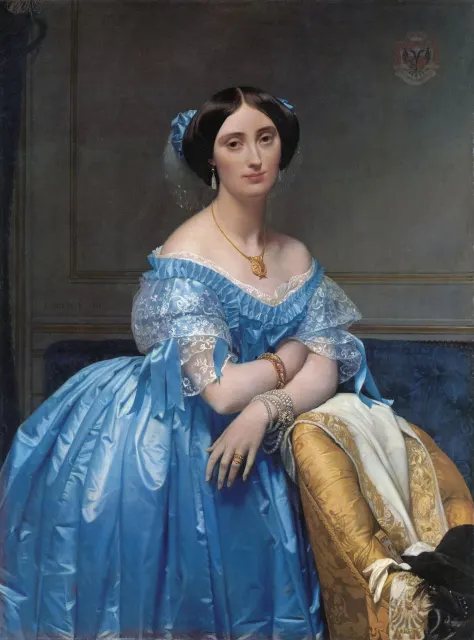
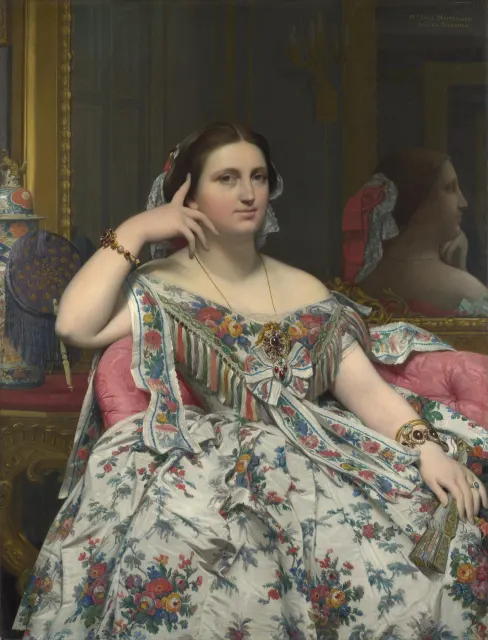
新古典主義では、色よりも「線(デッサン)」が大切にされました。ダヴィッドの弟子アングルは、なめらかで完璧な輪郭線の名人です。彫刻ではイタリアのカノーヴァが、白い大理石で古代の神話をよみがえらせました。同じころ、アメリカ生まれの肖像画家コプリーはロンドンに移り住み、実際の事件をドラマチックな歴史画にしました。
In Neoclassicism, line and drawing mattered more than color. David's student Ingres was a master of smooth, perfect outlines. In sculpture, the Italian Antonio Canova brought ancient myths back to life in white marble. In the same period, the American-born portrait painter John Singleton Copley moved to London and turned real events into dramatic history paintings.
