
 心理学ホント
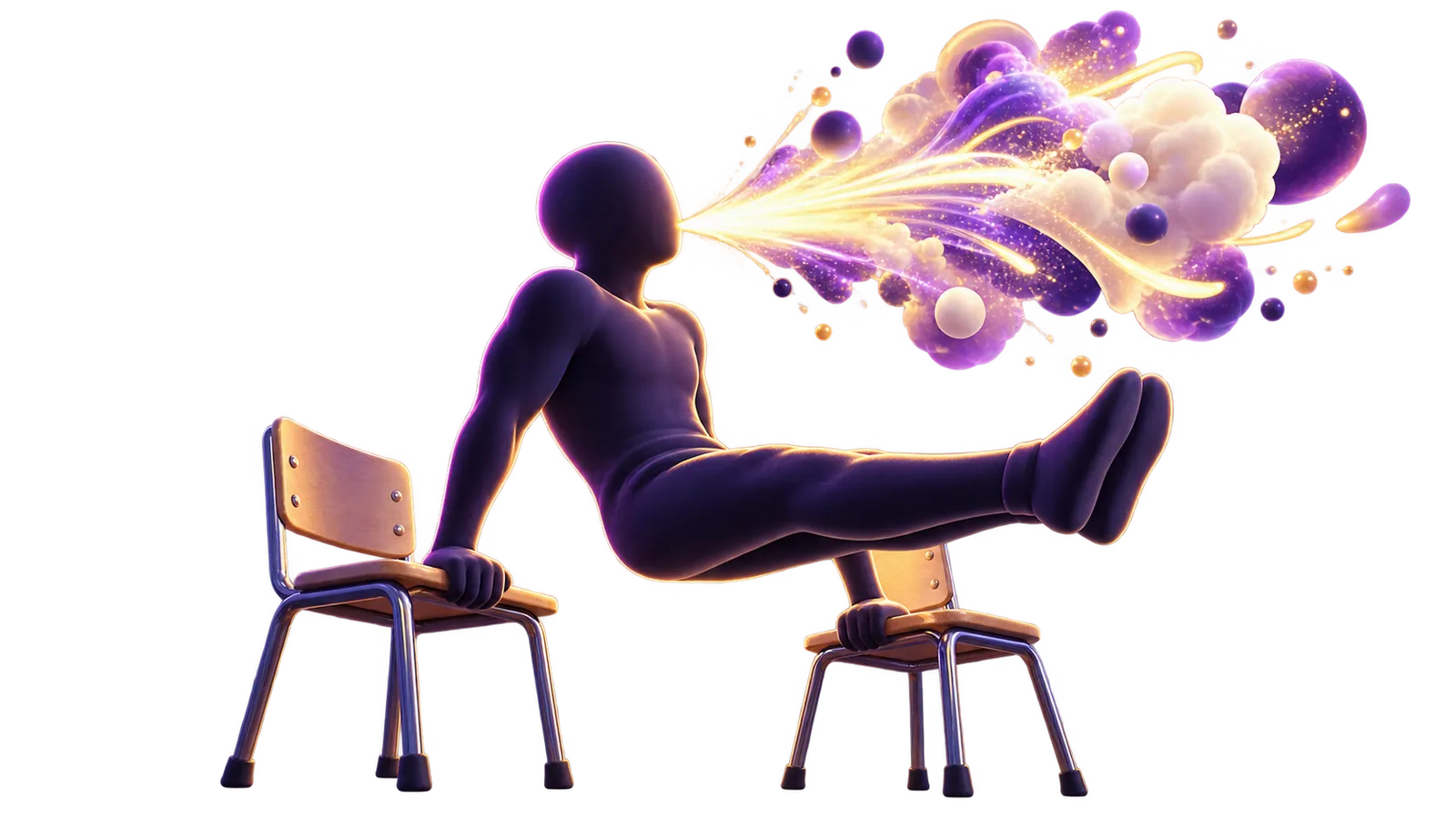
「気合いの声」で本当に力が出る。黙って握るより握力が約7%強かった
 2026.10.02
 English Corner(A2〜B2・4択クイズ)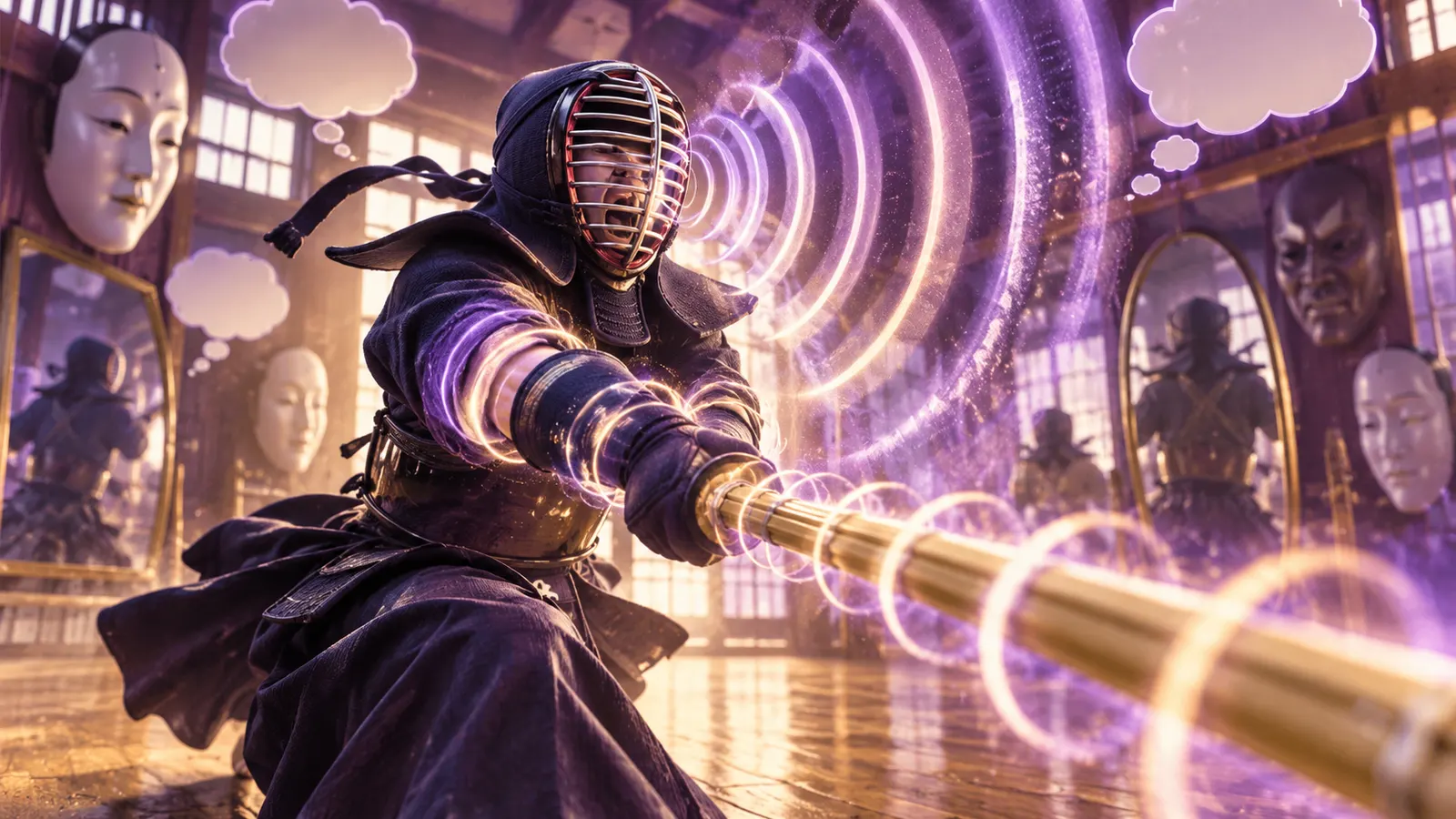
 読む前に予想してみよう!
力を出すときに大きな声を出しても、筋力は変わらない
叫びながら力を出すと、握力などの最大筋力が上がるという実験結果が複数ある。
 研究カード(どんな研究?)
- 対象
- 武道の熟練者と初心者
- 規模
- 50人ほか複数の小規模実験
- 研究の種類
- 実験(同じ人で条件比較)
- 確かさ
- ★★★☆☆
武道の「気合い」の声を出しながら握力を測ると、黙って握るより平均で約7%強かった。叫ぶと脳の運動の"ブレーキ"がゆるむ可能性が、日本の研究でも示された。
ひとことで言うと「せーの!」の声は、ただの気分じゃなくて本当に力になる!
重い荷物を持ち上げるとき、思わず「よいしょ!」。剣道の「メーン!」、空手の「エイッ!」、テニス選手の「ンアッ!」。
力を出すとき、人はなぜか声を出します。ただの気分やカッコつけ? それとも、本当に力が出ている?
実はこの疑問、60年以上前から研究されていて、答えはおおむね「ホント」です。
01武道家50人の握力を測ってみた
7%と聞くと小さく感じるかもしれません。でも、トップレベルのスポーツでは、わずかな差が勝敗を分けます。しかも「声を出す」だけなら道具も練習もいりません。
0260年以上前の日本人研究者も気づいていた
声と筋力の関係を早くから調べていたのが、日本の運動生理学者猪飼道夫です。
猪飼は、アメリカの生理学者スタインハウスと一緒に、筋力が何によって変わるかを調べました。1961年の論文で試したのは、力を出す瞬間に自分で叫ぶ、すぐ後ろでピストルの音を鳴らす、催眠をかけるといった条件です。こうした条件で、ふだんより大きな力が出ることがありました。
ここから生まれた考え方が、「人はふだん、本当の限界まで力を出していない」というもの。脳が筋肉や関節を守るために、無意識にブレーキをかけているのではないか、というのです。いわゆる「火事場の馬鹿力」も、このブレーキが外れた状態だと説明されることがあります。
03脳の中で何が起きている?
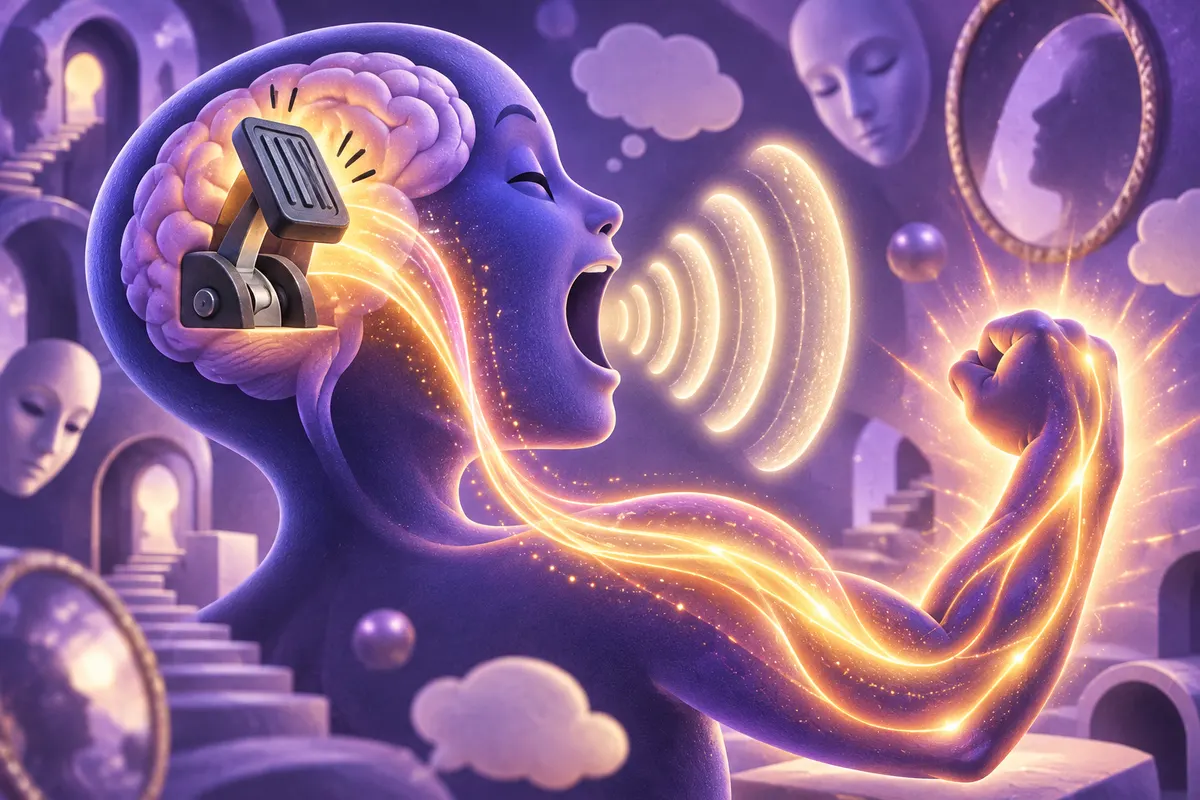
2021年、日本の研究チーム(Takarada & Nozaki)は、叫びながら握力を出すときの脳と体の変化を詳しく調べました。
叫ぶと握力が上がるだけでなく、瞳孔が大きく開いていました。また、脳の運動野(体を動かす命令を出す場所)に磁気刺激を当てて反応を調べると、運動を抑える働き(ブレーキ)が弱まっている様子が見られました。研究チームは、瞳孔が開いたことから、脳を目覚めさせる働きをもつノルアドレナリンの系統が活発になった可能性があると考えています。
声を出すことは、ただの気合いではなく、脳を「全力を出す状態」に切り替えるきっかけになっているのかもしれません。
04テニスのうなり声には、もうひとつの効果
テニスのうなり声には、別の側面もあります。
2010年の研究では、テニス選手が打つ動画を見て、ボールが左右どちらに飛ぶかを答えてもらいました。打つ瞬間に短い雑音(うなり声に見立てた音)を入れると、見ている側の答えは遅く、不正確になりました。うなり声が相手の判断を邪魔している可能性があるのです。
05まとめ
「声を出すと力が出る」は、根性論ではなく科学的にも裏づけのある話でした。
体育祭の綱引き、重い荷物の積みおろし。ここぞという一瞬は、遠慮せず「せーの!」と声を出してみましょう。ただし、ケガをしない範囲で。
この研究を英語で読もう原田英語の English CornerMany athletes shout or grunt when they use their full strength. 音声
音声 4択クイズ9問A2・B1・B2タップして開く
原田英語の English Corner
この研究を英語で読もう
When people lift something heavy, they often shout. Does shouting really make us stronger? In one study, 50 people squeezed a hand tool as hard as they could. They did it in silence, and they also did it while shouting a martial arts cry called a kiai.
With the shout, they were about 7% stronger. This was true for both experts and beginners. So shouting is not just for fun.
70 words ・ CEFR A2
和訳を見る
重いものを持ち上げるとき、人はよく声を出します。叫ぶと本当に強くなるのでしょうか?ある研究で、50人が手で握る器具をできるだけ強く握りました。黙って握ったときと、「気合い」と呼ばれる武道のかけ声を出しながら握ったときを比べました。
声を出すと、約7%強くなりました。これは熟練者にも初心者にも当てはまりました。つまり、叫ぶのはただの遊びではないのです。
4択リーディングクイズ
Q1. What is the passage mainly about?
Does shouting really make us stronger? という問いと、その実験結果がテーマなので C。
Q2. How much stronger were people when they shouted?
With the shout, they were about 7% stronger. とあるので B。50 は参加者の人数。
Q3. In this passage, "in silence" means ...
silence は「沈黙」。while shouting(叫びながら)と対比されているので「声を出さずに」の A。
Many athletes shout or grunt when they use their full strength. A 2012 study tested whether this actually helps. Fifty people, half of them martial arts experts and half beginners, squeezed a handgrip both silently and while shouting a kiai. On average, they were about 7% stronger when they shouted, and this was true for both groups. This idea is not new.
In 1961, the Japanese physiologist Michio Ikai reported that people produced more force when they shouted at the moment of effort. He suggested that the brain usually holds back some strength to protect muscles and joints. A 2021 Japanese study found signs that shouting may weaken this "brake" in the brain.
113 words ・ CEFR B1
和訳を見る
多くのスポーツ選手は、全力を出すときに叫んだりうなったりします。2012年の研究は、これが実際に役立つのかを調べました。50人(半分は武道の熟練者、半分は初心者)が、黙った状態と「気合い」の声を出しながらの両方で握力計を握りました。平均すると、声を出したときのほうが約7%強く、これはどちらのグループにも当てはまりました。この考えは新しいものではありません。
1961年、日本の生理学者・猪飼道夫は、力を出す瞬間に叫ぶと、人はより大きな力を出すと報告しました。彼は、脳はふだん筋肉や関節を守るために力の一部を抑えているのではないかと考えました。2021年の日本の研究では、叫ぶことで脳のこの「ブレーキ」が弱まる可能性を示す兆候が見つかりました。
4択リーディングクイズ
Q1. Who took part in the 2012 study?
half of them martial arts experts and half beginners とあるので D。
Q2. What did Michio Ikai suggest?
the brain usually holds back some strength to protect muscles and joints とあるので B。
Q3. What does the word "brake" in the last sentence refer to?
直前の「脳が力の一部を抑える」仕組みを比喩的に brake と呼んでいるので C。
Lifting a heavy box, lunging in kendo, or hitting a tennis serve, people often let out a shout at the moment of maximum effort. Research suggests this habit is more than a ritual. In a 2012 study, 25 experienced martial artists and 25 novices squeezed a handgrip dynamometer both silently and while performing a kiai. Average force rose from about 408 to about 437 newtons, an increase of roughly 7%, and both experts and novices benefited. As early as 1961, the Japanese physiologist Michio Ikai reported that shouting, a sudden pistol shot, or hypnosis could raise maximal strength, leading to the idea that the brain normally imposes a protective limit on force.
A 2021 Japanese study supported this view: shouting not only increased grip force but also enlarged the pupils and, according to responses to magnetic stimulation of the motor cortex, reduced motor inhibition. However, these were small to medium-sized experiments comparing conditions within the same participants, and it is difficult to rule out the influence of expectations, since people may try harder when they believe shouting should help. A separate line of research suggests that tennis grunts may also make it harder for opponents to judge the ball.
199 words ・ CEFR B2
和訳を見る
重い箱を持ち上げるとき、剣道で踏み込むとき、テニスでサーブを打つとき、人は全力を出す瞬間にしばしば声を上げます。研究によると、この習慣は単なる儀式以上のもののようです。2012年の研究では、武道の経験者25人と初心者25人が、黙った状態と気合いを出しながらの両方で握力計を握りました。平均の力は約408ニュートンから約437ニュートンに上がり、およそ7%の増加で、その効果は熟練者にも初心者にも見られました。早くも1961年に、日本の生理学者・猪飼道夫は、叫び声や突然のピストルの音、催眠によって最大筋力が上がりうると報告し、脳はふだん力に保護的な上限をかけているという考えにつながりました。2021年の日本の研究はこの見方を支持しました。
叫ぶことは握力を高めただけでなく、瞳孔を大きくし、運動野への磁気刺激に対する反応から判断すると、運動の抑制を弱めていました。しかし、これらは同じ参加者の中で条件を比べた小〜中規模の実験であり、期待の影響を排除するのは難しいのです。叫べば力が出るはずだと信じている人は、より頑張るかもしれないからです。別の研究の流れでは、テニスのうなり声が、相手にとってボールの判断を難しくする可能性も示唆されています。
4択リーディングクイズ
Q1. What is the passage mainly about?
叫ぶと筋力が上がる証拠、脳のブレーキという仕組み、研究の限界を順に述べているので D。
Q2. According to the 2021 study, what happened when people shouted?
enlarged the pupils and ... reduced motor inhibition とあるので C。
Q3. Why is it "difficult to rule out the influence of expectations"?
since people may try harder when they believe shouting should help と理由が述べられているので A。
重要単語
- shoutA2動詞・名詞叫ぶ/叫び声He shouted as he lifted the weight.
 shout at 人(怒鳴りつける)と shout to 人(遠くの人に呼びかける)の前置詞の違いが頻出。
 - grip strengthB2名詞(句)握力Grip strength is easy to measure. grip は「握る・つかむ」。get a grip(落ち着く・しっかりする)という口語表現もある。
- maximal forceC1名詞(句)最大筋力Shouting may increase maximal force. maximal は maximum の形容詞形で学術的。minimal と対になる。
- inhibitionC1名詞抑制The brain uses inhibition to protect the body. 動詞 inhibit(抑える)。心理学では「気おくれ・遠慮」の意味でも使う。
- gruntC1動詞・名詞うなる/うなり声Some tennis players grunt when they hit the ball. もとは豚の「ブーブー」という鳴き声の擬音語。
- noviceC1名詞初心者The course is suitable for novices. nov-(新しい)が語根で novel, renovate と同語源。beginner よりやや硬い語。
- rule outB2動詞(句)除外する、可能性を否定するWe cannot rule out other explanations. 研究紹介の定番表現。cannot rule out the possibility that ~「~の可能性を排除できない」。
 入試に出る順の単語帳を印刷する →
 全5903語の「科学英単語カード」で復習する →
このネタ、誰かに教えたくなった?
武道家50人に、黙って握るのと「気合い」の声を出して握るのを比べたら、声ありの方が平均で約7%強かったらしい。日本の研究では、叫ぶと脳の運動のブレーキがゆるむ様子も見られた。テニスのうなり声にも理由がある。
押すと「マジかリスト」に保存されます
 出典・参考文献(4件)タップで表示
- Ikai & Steinhaus (1961) Some factors modifying the expression of human strength, Journal of Applied Physiologydoi.org
- Welch & Tschampl (2012) Something to shout about: A simple, quick performance enhancement technique improved strength in both experts and novices, Journal of Applied Sport Psychologydoi.org
- Takarada & Nozaki (2021) Shouting strengthens maximal voluntary force and is associated with augmented pupillary dilation, Scientific Reportsdoi.org
- Sinnett & Kingstone (2010) A preliminary investigation regarding the effect of tennis grunting: Does white noise during a tennis shot have a negative impact on shot perception?, PLoS ONEdoi.org

※本記事は上記の研究・公開資料をもとに、原田英語が独自の言葉で解説したものです。引用は著作権法第32条の範囲で行い、出典を明記しています。画像はすべてオリジナルのイメージです。研究結果には限界や個人差があります。誤りのご指摘は原田英語のお問い合わせフォームから。