
 心理学ホント
【最新研究】汚い言葉を口にすると、本当に力が出る。心理学者が迫ったその理由
 2026.10.02
 English Corner(A2〜B2・4択クイズ)
 読む前に予想してみよう!
悪態をつくと筋力アップするのは、怒りで興奮するからだと確かめられた
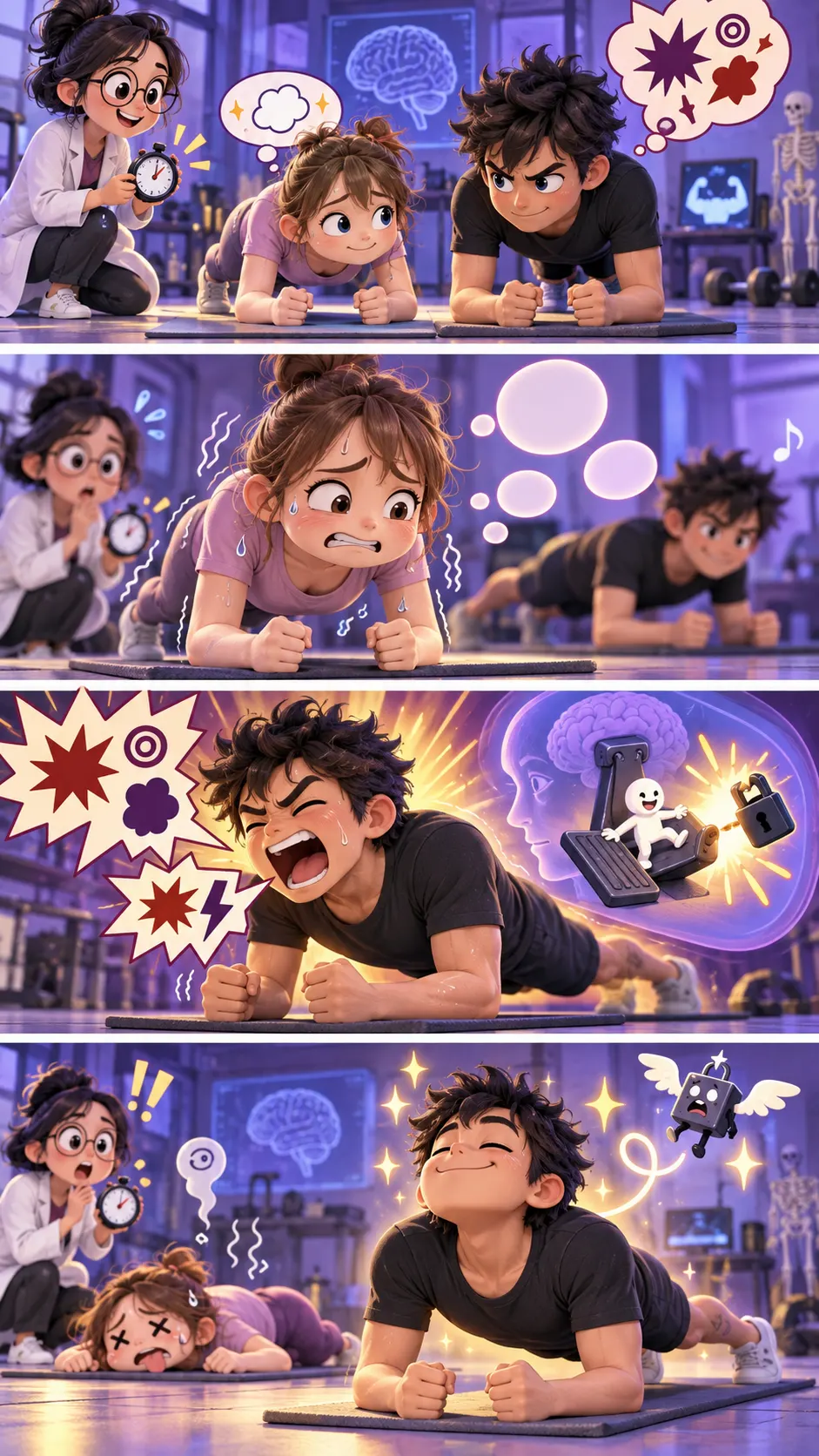
今回の分析で関わっていたのは「没頭感」「気が散ること」「自信」。心のブレーキが外れる状態が鍵とされた。
 研究カード(どんな研究?)
- 対象
- 大人の参加者
- 規模
- 計300人(新実験88人+94人+過去の実験)
- 研究の種類
- 事前登録された被験者内実験+統合分析
- 確かさ
- ★★★☆☆
好きな悪態を2秒ごとに言いながら体を支えると、ふつうの言葉より長く耐えられた。カギは、ふだんの遠慮(心のブレーキ)が外れる心理状態。
ひとことで言うと汚い言葉を口にすると、気持ちのブレーキが外れて力が出るらしい!
タンスの角に小指をぶつけたとき、思わず出るあの言葉。実はちゃんと意味があるかもしれません。
イギリスの心理学者が、何年もかけて「悪態(汚い言葉)をつくと力が出る」ことを実験で確かめてきました。そして2025年末、ついに「なぜ力が出るのか」にかなり迫る結果を発表しました。
01実験:椅子の上で「腕立て」しながら悪態
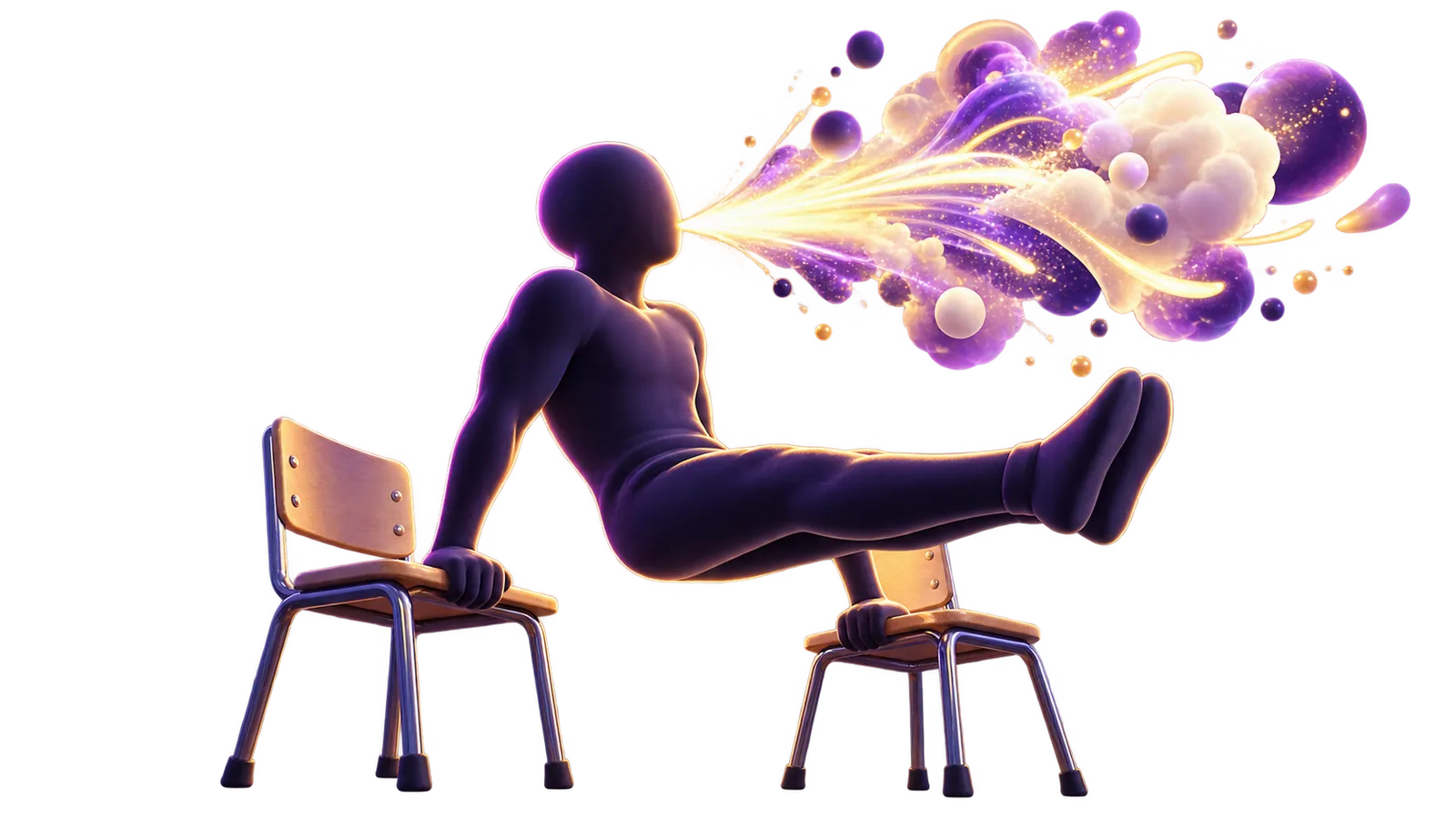
課題は「チェア・プッシュアップ」。椅子に座って座面に手をつき、腕の力で体を浮かせたまま、どれだけ長く耐えられるかを測ります。
その間、参加者は2秒ごとに
- 自分で選んだ悪態を言う
- またはふつうの言葉(中立的な単語)を言う
のどちらかを繰り返しました。
02悪態の方が、長く耐えられた
結果、2つの実験の両方で、悪態を言ったときの方が長く体を支えられました。この「悪態ボーナス」は、ちゃんと再現されたのです。
実はスティーブンスさんは、2009年に「悪態をつくと、氷水に手を入れたときの痛みに長く耐えられる」という研究を発表した人でもあります。その後、力を出す場面でも効くことを見つけていました。今回はその結果をもう一度確かめたうえで、「なぜ効くのか」まで調べた形です。

03カギは「心のブレーキが外れる」状態
では、なぜ力が出るのか。研究チームが注目したのは「状態的な脱抑制」。ふだん自分にかけている「やりすぎないように」「恥ずかしい」というブレーキが、一時的にゆるむ心理状態のことです。
参加者に「どんな気分だったか」を答えてもらい、300人分をまとめて分析すると、悪態の効果を説明していたのは次の3つでした。
- フロー(没頭している感覚)
- 気が散ること(つらさから注意がそれる)
- 自信
つまり悪態は、「余計なことを考えずに、思い切っていける」状態を作っているらしいのです。研究チームは、悪態はお金のかからない心理テクニックになりうると述べています。
研究チームは、こうした効果がスポーツだけでなく、リハビリや、勇気や自己主張が必要な場面にも役立つ可能性があると考えています。
04まとめ
ここ一番で「よっしゃ!」と叫ぶのも、思わず出る悪態も、自分の背中を押す声なのかもしれません。
ただし、使うならひとりのときか、周りが笑って許してくれる場面で。筋トレの最後のもう1回、こっそり試してみては?
この研究を英語で読もう原田英語の English CornerMany people swear when they hurt themselves, and psychologists have found that swearing may actually help. 音声
音声 4択クイズ9問A2・B1・B2タップして開く
原田英語の English Corner
この研究を英語で読もう
When people hurt their toe, they often say a bad word. Psychologists in the UK and the US tested if bad words can make us stronger. People held their body up off a chair with their arms.
Every two seconds, they said a bad word or a normal word. When they said a bad word, they could hold on longer. The scientists think bad words help us stop holding back. But do not say bad words to other people!
79 words ・ CEFR A2
和訳を見る
足の指をぶつけたとき、人はよく汚い言葉を口にします。イギリスとアメリカの心理学者たちは、汚い言葉で私たちが強くなれるかどうかを試しました。参加者は椅子の座面に手をつき、腕で体を持ち上げて支えました。
2秒ごとに、汚い言葉かふつうの言葉を言いました。汚い言葉を言ったときの方が、長く持ちこたえられました。科学者たちは、汚い言葉は遠慮やためらいを捨てる助けになると考えています。でも、ほかの人に向かって汚い言葉を言ってはいけませんよ!
4択リーディングクイズ
Q1. What is the passage mainly about?
汚い言葉を言うと長く体を支えられた、という実験が中心なので C。
Q2. How often did people say the word?
Every two seconds, they said a bad word or a normal word. とあるので A。
Q3. In this passage, "hold on" means ...
hold on は「持ちこたえる・がんばり続ける」。体を支え続けられたという意味なので D。
Many people swear when they hurt themselves, and psychologists have found that swearing may actually help. Researchers at Keele University in the UK and their US colleagues ran two experiments with 88 and 94 adults. Participants did a "chair push-up," lifting their body off a chair seat with their arms and holding the position as long as possible.
Every two seconds, they repeated either a swear word of their choice or a neutral word. In both experiments, people held on longer when swearing. By combining data from 300 people, the team found that swearing seemed to work by increasing a sense of flow, distraction from discomfort, and self-confidence. So swearing may help people "let go of the brakes" and push themselves harder.
122 words ・ CEFR B1
和訳を見る
けがをしたときに悪態をつく人は多いですが、心理学者たちは、悪態が実際に役立つかもしれないことを発見しました。イギリスのキール大学の研究者たちとアメリカの共同研究者は、88人と94人の大人で2つの実験を行いました。参加者は「チェア・プッシュアップ」を行い、椅子の座面から腕で体を持ち上げて、その姿勢をできるだけ長く保ちました。
2秒ごとに、自分で選んだ悪態か、感情のこもらない中立的な言葉のどちらかをくり返しました。どちらの実験でも、悪態をついているときの方が長く持ちこたえました。300人分のデータを合わせることで、チームは、悪態が没頭している感覚、つらさから気がそれること、自信を高めることによって効いているらしいと分かりました。つまり、悪態は人が「ブレーキを外して」もっとがんばる助けになるのかもしれません。
4択リーディングクイズ
Q1. What did the participants do in the experiments?
lifting their body off a chair seat with their arms and holding the position とあるので B。氷水は別の研究の課題。
Q2. According to the combined analysis, which factors explained the effect of swearing?
a sense of flow, distraction from discomfort, and self-confidence とあるので D。
Q3. In the last sentence, what does "let go of the brakes" mean?
ブレーキを外す=ふだん自分にかけている遠慮や抑えをゆるめ、思い切ってがんばるという比喩なので C。
Swearing is usually regarded as impolite, but research led by Stephens at Keele University suggests it can have measurable benefits. An earlier study by his team, published in 2009, showed that swearing helped people tolerate pain longer when they placed a hand in ice water. In a newer paper in American Psychologist, published online in December 2025, the team examined physical strength.
In two preregistered experiments with 88 and 94 participants, people performed a chair push-up, supporting their body weight on their arms, while repeating either a swear word of their choice or a neutral word every two seconds. Both experiments showed longer holding times in the swearing condition. To explain why, the researchers proposed state disinhibition, a temporary loosening of the self-restraint people usually impose on themselves. A combined analysis of 300 participants found that flow, distraction, and self-confidence mediated the effect.
However, these mediators were self-reported after the task, so they may not have preceded the improvement. The task measured only brief endurance, participants could probably guess the hypothesis, and the study was run by teams in the UK and the US, so results may differ in other languages and cultures.
193 words ・ CEFR B2
和訳を見る
悪態は一般に無作法だとみなされますが、キール大学のスティーブンスさんが率いる研究は、悪態に測定可能な効果がありうることを示しています。彼のチームが2009年に発表した以前の研究では、悪態をつくと、氷水に手を入れたときの痛みに長く耐えられることが示されました。2025年12月にオンライン公開された『American Psychologist』の新しい論文で、チームは身体的な力を調べました。
88人と94人による事前登録済みの2つの実験で、参加者は腕で体重を支える「チェア・プッシュアップ」を行いながら、2秒ごとに自分で選んだ悪態か中立的な言葉のどちらかをくり返しました。どちらの実験でも、悪態の条件の方が保持時間が長くなりました。その理由を説明するため、研究者たちは「状態的な脱抑制」、つまり人がふだん自分にかけている自制が一時的にゆるむ状態を提案しました。300人の参加者による統合分析で、没頭感、気がそれること、自信がこの効果を媒介していることが分かりました。
しかし、これらの媒介要因は課題の後に自己申告されたものなので、力の向上より先に生じていたとは限りません。また、課題は短時間の持久力しか測っておらず、参加者はおそらく仮説を推測でき、研究はイギリスとアメリカのチームによるものなので、ほかの言語や文化では結果が異なる可能性があります。
4択リーディングクイズ
Q1. What does "state disinhibition" refer to?
state disinhibition, a temporary loosening of the self-restraint people usually impose on themselves と同格で説明されているので A。temporary(一時的)がポイント。
Q2. What did the 2009 study by the same team show?
swearing helped people tolerate pain longer when they placed a hand in ice water とあるので B。
Q3. Why might the role of the mediators be questioned?
these mediators were self-reported after the task, so they may not have preceded the improvement とあるので D。悪態は参加者自身が選んだので B は誤り。
重要単語
- swearB1動詞悪態をつく、ののしるHe swore when he hit his toe.
 「誓う」の意味もある(swear to tell the truth)。活用は swear-swore-sworn。swear word は「ののしり言葉」。
 - disinhibitionC1名詞脱抑制(ブレーキが外れた状態)Swearing may create a state of disinhibition. dis-(否定)+inhibition(抑制)。inhibit(抑える)とセットで覚える。
- enduranceB2名詞持久力The task measured physical endurance. endure(耐える)の名詞形。endurance は「長く耐える力」、strength は「力の強さ(筋力)」のニュアンス。
- neutralB2形容詞中立的な、感情のこもらない"Table" is a neutral word. 実験では「比較のための、特別な意味を持たない条件」を指す。名詞 neutrality(中立)。
- mediateC1動詞仲介する、(効果を)媒介するConfidence mediated the effect of swearing. mediator は「仲裁者・媒介変数」。media(媒体)と同じ「間にある」という語源。
- tolerateB2動詞耐える、我慢するSwearing helped people tolerate pain. 名詞 tolerance(寛容・耐性)。can't tolerate ~「~に我慢できない」は put up with / stand と言い換え可。
 入試に出る順の単語帳を印刷する →
 全5903語の「科学英単語カード」で復習する →
 動画でもっと知る
動画は各チャンネルの公式埋め込みで表示しています(YouTube)。
 公式・一次情報をチェック
 4コマでわかる
このネタ、誰かに教えたくなった?
好きな「汚い言葉」を2秒ごとに口にしながら体を支えると、普通の言葉より長く耐えられたらしい。イギリスとアメリカの研究チームが計300人分で確認。分析では、没頭感・自信・「気が散る」ことが関わっていた。
押すと「マジかリスト」に保存されます
 出典・参考文献(3件)タップで表示
- Stephens et al. (2026) "Don't hold back": Swearing improves strength through state disinhibition, American Psychologist(オンライン公開2025年12月)doi.org
- Stephens, Atkins & Kingston (2009) Swearing as a response to pain, NeuroReportdoi.org
- Stephens & Umland (2011) Swearing as a Response to Pain—Effect of Daily Swearing Frequency, The Journal of Paindoi.org

※本記事は上記の研究・公開資料をもとに、原田英語が独自の言葉で解説したものです。引用は著作権法第32条の範囲で行い、出典を明記しています。画像はすべてオリジナルのイメージです。研究結果には限界や個人差があります。誤りのご指摘は原田英語のお問い合わせフォームから。