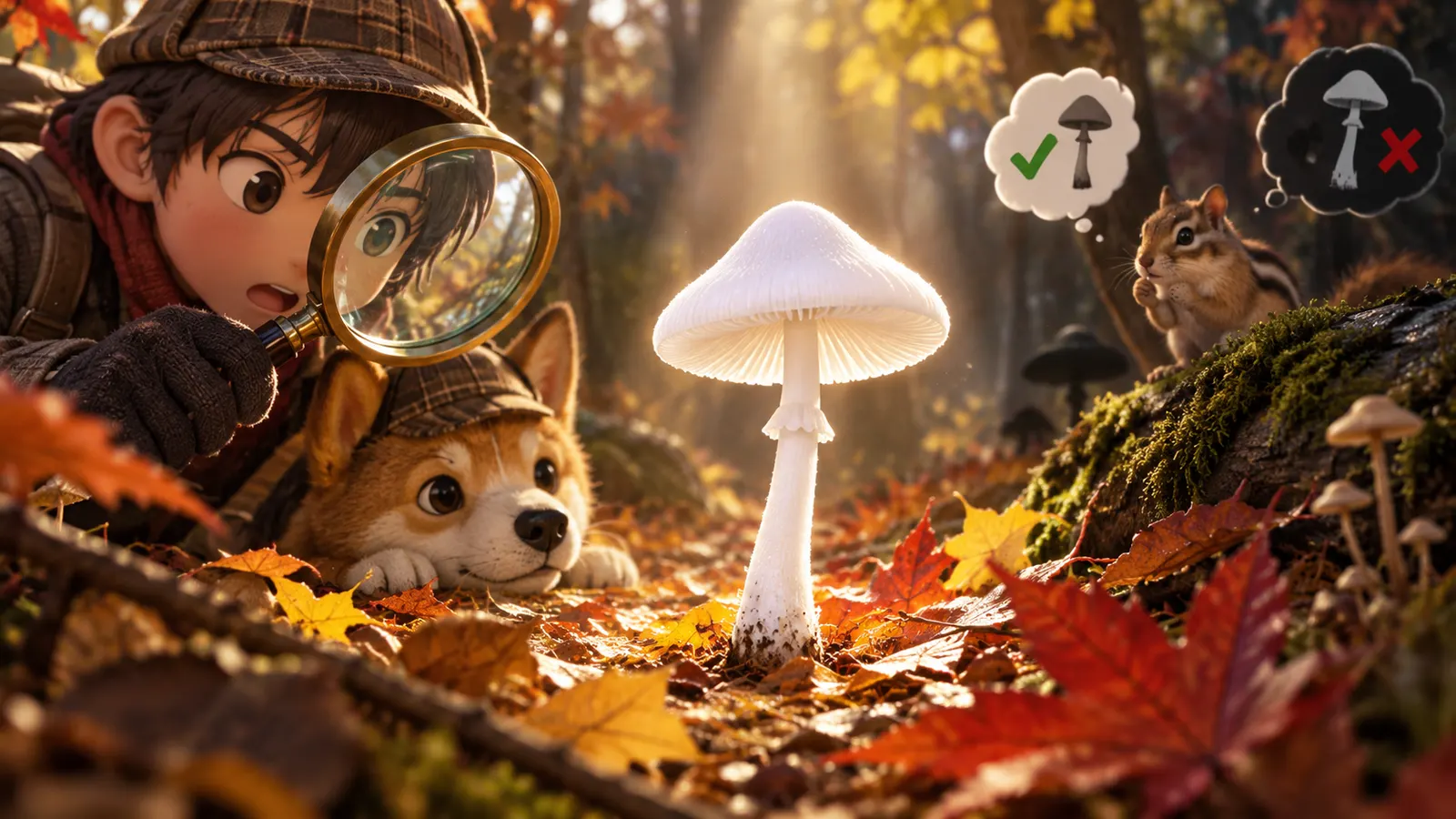

 ウソ?ホント?検証ウソ
「夜に爪を切ると親の死に目に会えない」はなぜ生まれた? 迷信を信じてしまう脳のクセ
 2026.10.02
 English Corner(A2〜B2・4択クイズ)
 読む前に予想してみよう!
ハトも、偶然の出来事から「迷信」のような行動をとるようになる
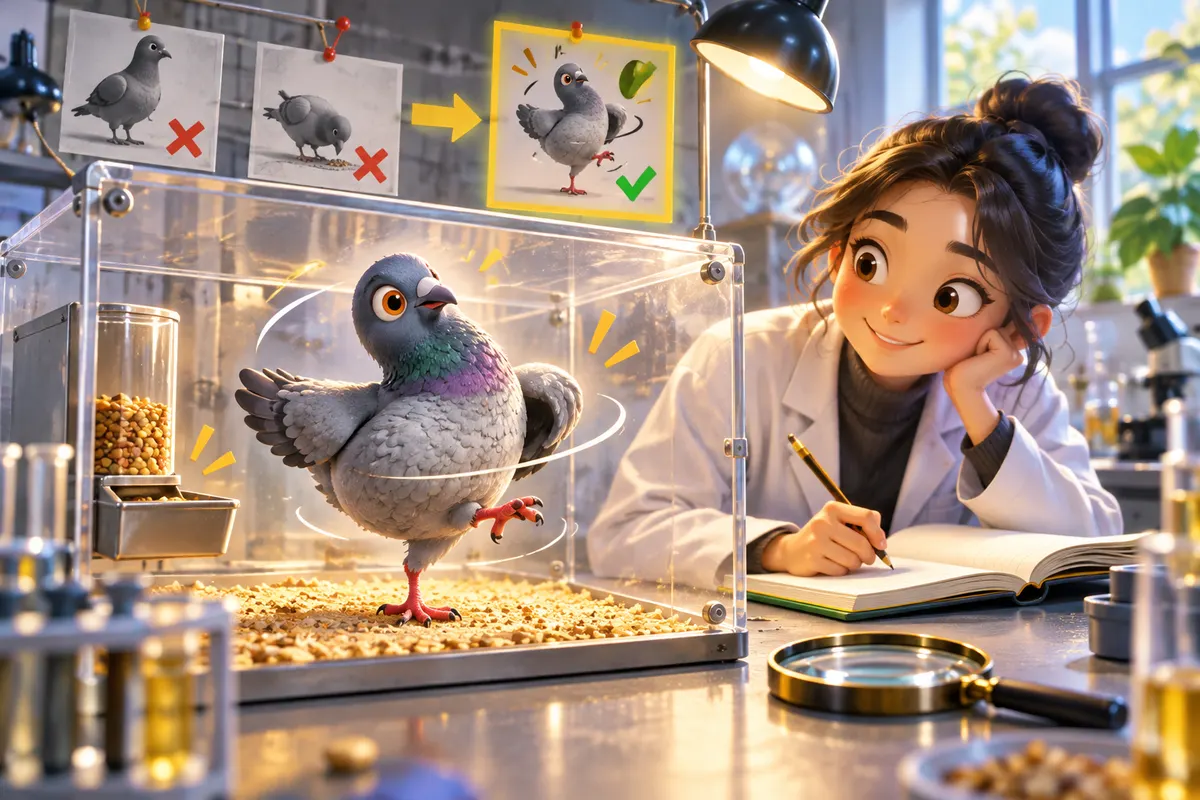
心理学者スキナーの実験で、決まった時間にエサをもらうハトが、直前の動きを繰り返す儀式のような行動を始めた。
 研究カード(どんな研究?)
- 対象
- ハト・大学生など
- 規模
- 数羽〜数百人
- 研究の種類
- 動物実験・心理学実験(追試を含む)
- 確かさ
- ★★★☆☆
夜爪の言い伝えに科学的な根拠はないが、暗い時代のケガ防止という知恵が背景にあるとされる。人が迷信を信じてしまうのには、偶然に意味を見つけたがる脳のクセが関わっていると考えられる。
ひとことで言うと迷信の多くは昔の人の「気をつけて」。信じちゃうのは脳のクセ!
「夜に爪を切ると、親の死に目に会えないよ」
日本で育った人なら、一度は聞いたことのある言い伝えです。ほかにも「夜に口笛を吹くとヘビが出る」「霊柩車を見たら親指を隠す」など、日本には不思議なルールがたくさんあります。
もちろん、夜に爪を切ったからといって、家族の運命が変わる科学的な理由はありません。でも、なぜこんな言い伝えが生まれ、私たちはついそれを守ってしまうのか。そこには、人間の脳の面白いクセが隠れていました。
01夜爪の言い伝えは「ケガ防止」の知恵?
夜爪の言い伝えには、いくつかの由来の説があります。
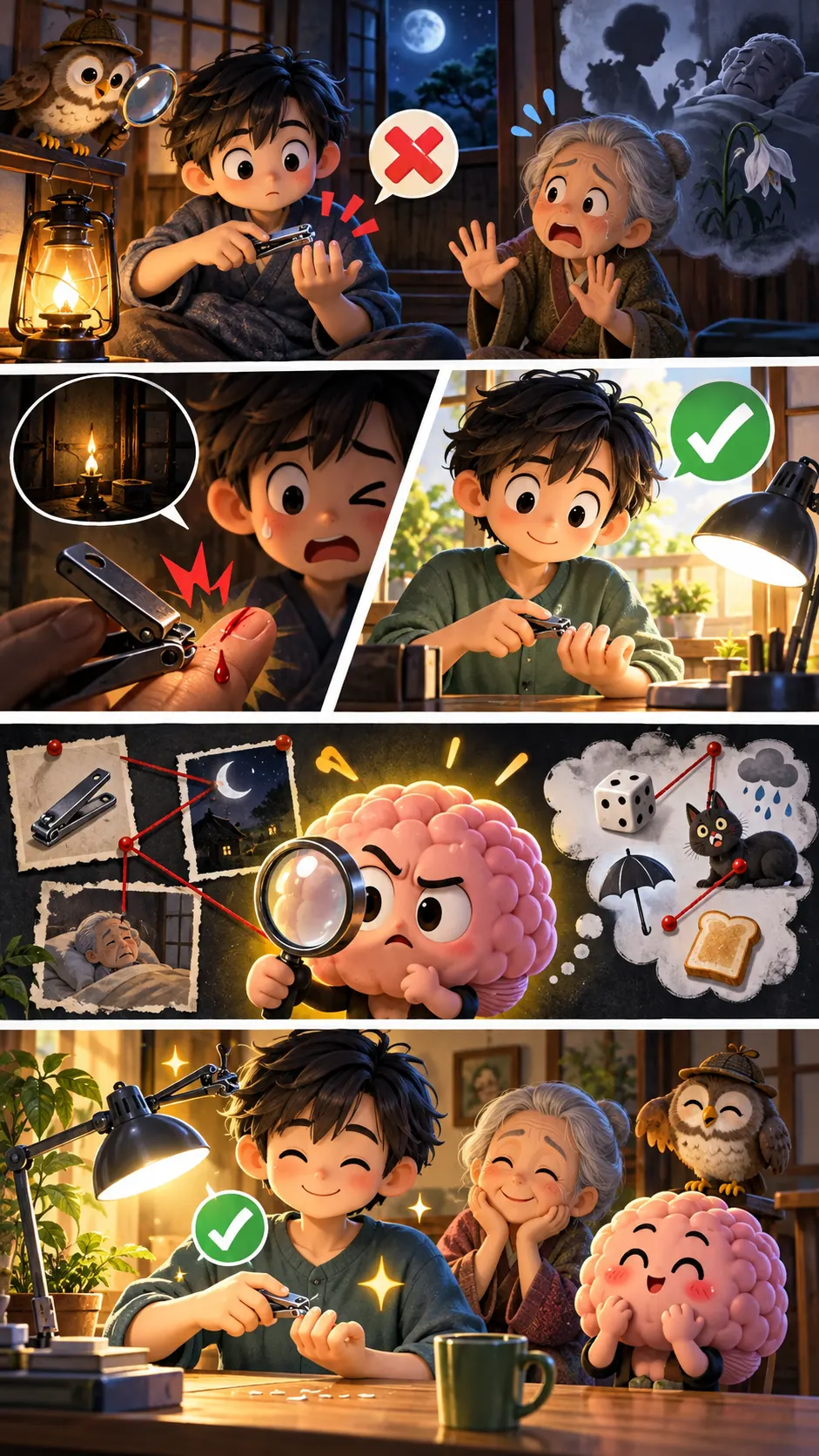
- 暗くて危ない:電灯のない時代、夜の明かりは行灯(あんどん)やろうそくだけ。小刀やはさみで爪を切れば、深爪やケガをしやすかった
- 言葉の語呂合わせ:「夜爪(よづめ)」が「世詰め(=寿命を縮める)」に通じる、という説
どれが本当の由来かははっきりしませんが、少なくとも「暗いところで刃物を使うのは危ない」というのは、とても理にかなったアドバイスです。「危ないからやめなさい」と言うより、「親の死に目に会えないよ」と言ったほうが、子どもはしっかり守るでしょう。
迷信の中には、こうした生活の知恵が、強い言葉で包まれたものが少なくないと考えられています。
02ハトだって「迷信」を作る
では、なぜ私たちは根拠のない言い伝えを信じてしまうのでしょう? そのヒントになる、有名な実験があります。
ハトにしてみれば、「この動きをしたらエサが出た」。実際はただの偶然なのに、動きとエサを結びつけて覚えてしまったわけです。スキナーはこれを、人間の迷信に通じる行動として紹介しました。
03人間の脳の3つのクセ
人間も、このハトとよく似た脳のクセを持っています。
- パターンを見つけたがる:偶然の出来事にも「原因」を探してしまう。見落とすより、つい結びつけてしまうほうが、生き残るうえで安全だったのかもしれない
- 確証バイアス:迷信どおりになったときはよく覚えていて、外れたときは忘れてしまう
- コントロールの錯覚:自分でどうにもできないことでも、何かをすれば結果を左右できると感じてしまう。1975年、心理学者ランガーは、自分で選んだくじのほうが当たりそうに感じて手放しにくくなることを実験で示した
不安なとき、どうしようもないとき、人は「せめて何かできること」を求めます。迷信は、その不安をやわらげる心のお守りのような役割を果たしているのかもしれません。
04「お守りで成績アップ」は本当?
2010年には、ドイツの研究チームが「『幸運のボールだよ』と言われたり、お守りを持っていたりすると、ゴルフのパットや記憶・言葉パズルの成績が上がった」という研究を発表して話題になりました。
ところが、その後アメリカの研究者たちが、このうちゴルフの実験を人数を増やしてやり直したところ、同じ効果は確認できませんでした。お守りが自信を与える可能性はゼロではありませんが、「迷信で成績が上がる」と言い切れるほどの証拠はない、というのが今の見方です。
05まとめ
- 夜爪の言い伝えに科学的な根拠はない。でも「暗い中で刃物は危ない」という知恵が背景にあるとされる
- ハトでさえ、偶然から“迷信”のような儀式を作り出す
- 人が迷信を信じてしまうのには、パターン探し・確証バイアス・コントロールの錯覚という脳のクセが関わっていると考えられる
迷信をバカにする必要はありません。昔の人の知恵として味わいつつ、「なぜそう言われたのか」を考えてみる。それが、いちばん科学的な迷信との付き合い方です。
この研究を英語で読もう原田英語の English CornerMany Japanese children are told that if they cut their nails at night, they will not be with their parents… 音声
音声 4択クイズ9問A2・B1・B2タップして開く
原田英語の English Corner
この研究を英語で読もう
In Japan, people say, "Don't cut your nails at night." There is no scientific reason for this. But long ago, houses were dark at night, so cutting nails with a knife was dangerous.
Why do we believe superstitions? In a famous experiment, pigeons got food at regular times. Many of them started to repeat the move they made just before the food came. Our brains also look for patterns, even in chance events.
73 words ・ CEFR A2
和訳を見る
日本では「夜に爪を切ってはいけない」と言います。これには科学的な理由はありません。しかし昔、家は夜になると暗かったので、小刀で爪を切るのは危険でした。
なぜ私たちは迷信を信じるのでしょうか。有名な実験で、ハトは決まった時間にエサをもらいました。その多くが、エサが出てくる直前にしていた動きを繰り返し始めました。私たちの脳もまた、偶然の出来事の中にさえパターンを探すのです。
4択リーディングクイズ
Q1. What is the passage mainly about?
夜爪の迷信を例に、人が迷信を信じる理由を説明しているので D。
Q2. What did many pigeons do in the experiment?
started to repeat the move they made just before the food came とあるので C。
Q3. In this passage, "chance events" are things that ...
chance は「偶然」。chance events は偶然起こる出来事なので D。
Many Japanese children are told that if they cut their nails at night, they will not be with their parents when they die. There is no scientific basis for this, but the saying may have started as a safety warning. Before electric lights, homes were dark at night, and cutting nails with a small knife could easily cause injuries.
So why do people follow superstitions? In 1948, psychologist B. F. Skinner gave pigeons food at regular times, no matter what they did. Six of the eight birds began repeating whatever they had been doing just before the food appeared, such as turning in circles. Humans have similar habits of mind. We look for patterns, remember when a superstition seems to work, and forget when it does not.
127 words ・ CEFR B1
和訳を見る
多くの日本の子どもは、夜に爪を切ると親が亡くなるときにそばにいられない、と言われます。これには科学的な根拠はありませんが、この言い伝えは安全のための注意から始まったのかもしれません。電灯がなかったころ、家は夜になると暗く、小刀で爪を切るとケガをしやすかったのです。
では、なぜ人は迷信に従うのでしょうか。1948年、心理学者のB・F・スキナーは、ハトが何をしていても関係なく、決まった時間にエサを与えました。8羽のうち6羽が、くるくる回るなど、エサが現れる直前にたまたましていた動きを繰り返し始めました。人間にも似た心のクセがあります。私たちはパターンを探し、迷信が当たったように見えたときは覚えていて、当たらなかったときは忘れてしまうのです。
4択リーディングクイズ
Q1. According to the passage, how might the nail-cutting saying have started?
the saying may have started as a safety warning ... cutting nails with a small knife could easily cause injuries とあるので B。
Q2. How many of Skinner's pigeons started repeating movements?
Six of the eight birds began repeating ... とあるので D。
Q3. Which human habit is described in the last sentence?
remember when a superstition seems to work, and forget when it does not とあり、当たりを覚えて外れを忘れる(確証バイアス)なので A。
"If you cut your nails at night, you won't be there when your parents die." Many Japanese children grow up hearing this. No science links nail-cutting to family fate, but the warning may have had a practical purpose. Before electric lighting, cutting nails with a blade by lantern light invited injury, and a frightening threat sticks in the memory better than a sensible instruction.
Why such beliefs survive is a question for psychology. In a classic 1948 study, B. F. Skinner gave pigeons food at fixed intervals no matter what they did, and six of the eight birds developed ritual-like movements they had happened to perform just before feeding.
Later researchers argued that many of these actions reflected the birds' natural feeding behavior, not accidental reinforcement, so the comparison should not be pushed too far. Humans show related tendencies. We find patterns in random events, remember the hits and forget the misses, and fall for an illusion of control, as Ellen Langer demonstrated in 1975. Evidence that superstitions improve performance is weak, and a widely reported 2010 finding about a lucky golf ball could not be repeated. People may keep superstitions less because they work than because they ease anxiety.
200 words ・ CEFR B2
和訳を見る
「夜に爪を切ると、親の死に目に会えない」。日本の多くの子どもは、これを聞かされて育ちます。科学には爪切りと家族の運命を結びつけるものは何もありませんが、この警告には実用的な目的があったのかもしれません。電灯がなかった時代、行灯の明かりで刃物を使って爪を切るとケガを招きやすく、そして怖い脅しは筋の通った指示よりも記憶に残るからです。
こうした信念がなぜ生き残るのかは、心理学の問題です。1948年の古典的研究で、B・F・スキナーはハトが何をしていても一定の間隔でエサを与え、8羽のうち6羽が、エサの直前にたまたましていた儀式のような動きを身につけました。
後の研究者たちは、これらの行動の多くは偶然の強化ではなく、ハト本来の採餌行動を反映していると論じたので、このたとえを行き過ぎて当てはめるべきではありません。それでも人間には関連する傾向があります。私たちはランダムな出来事にパターンを見いだし、当たりを覚えて外れを忘れ、そして1975年にエレン・ランガーが示したように、コントロールの錯覚に陥ります。迷信が実際に成績を上げるという証拠は弱く、「幸運のゴルフボール」に関する広く報道された2010年の結果は、再現できませんでした。人が迷信を手放さないのは、それが効くからというより、不安をやわらげてくれるからなのかもしれません。
4択リーディングクイズ
Q1. According to the passage, why might a frightening threat have been used instead of a simple instruction?
a frightening threat sticks in the memory better than a sensible instruction とあるので A。
Q2. Why does the author say the comparison with Skinner's pigeons "should not be pushed too far"?
Later researchers argued that many of these actions reflected the birds' natural feeding behavior とあるので D。
Q3. What is the author's final view on why superstitions persist?
最終文 People may keep superstitions less because they work than because they ease anxiety より C。
重要単語
- superstitionB2名詞迷信Many cultures have superstitions about numbers.
 形容詞は superstitious。be superstitious about ~「~について迷信深い」。
 - coincidenceB2名詞偶然の一致The food came after their moves only by coincidence. by coincidence「偶然に」。coincide with ~「~と同時に起こる」。
- illusion of controlC1名詞(句)コントロールの錯覚The illusion of control makes us trust lucky charms. illusion は「錯覚・幻想」。optical illusion「目の錯覚」も頻出。
- reinforceC1動詞強化するFood rewards reinforced the pigeons' behavior. re-(再び)+in-+force(力)。心理学では reinforcement(強化)が重要語。
- replicationC1名詞追試、再現A replication study did not find the same effect. replicate(再現する)の名詞形。replication crisis「再現性の危機」とセットで。
- anxietyB2名詞不安Superstitions may help people cope with anxiety. 形容詞は anxious。be anxious about ~「~を心配する」、be anxious to do「~したがる」の区別に注意。
- ritualB2名詞儀式、決まった行動Some athletes follow a ritual before every game. rite(儀式)と同語源。日常の「習慣的な行為」にも使える。
 入試に出る順の単語帳を印刷する →
 全5903語の「科学英単語カード」で復習する →
 動画でもっと知る
動画は各チャンネルの公式埋め込みで表示しています(YouTube)。
この話題を TED で聞く
同じテーマの TED・TED-Ed を、 TED HACK で。英語の見どころ・使える表現・学習ミッションつきの日本語ガイドです。(運営:原田英語)

 4コマでわかる
このネタ、誰かに教えたくなった?
「夜に爪を切ると親の死に目に会えない」の背景には、灯りが乏しい時代に刃物でケガをしないための知恵があったとも言われる。しかもハトでさえ、偶然から“迷信”の儀式を作り出すという実験がある。
押すと「マジかリスト」に保存されます
 出典・参考文献(5件)タップで表示
- Skinner (1948) 'Superstition' in the pigeon, Journal of Experimental Psychologydoi.org
- Langer (1975) The illusion of control, Journal of Personality and Social Psychologydoi.org
- Damisch, Stoberock & Mussweiler (2010) Keep Your Fingers Crossed! How Superstition Improves Performance, Psychological Sciencedoi.org
- Calin-Jageman & Caldwell (2014) Replication of the Superstition and Performance Study by Damisch, Stoberock, and Mussweiler (2010), Social Psychologydoi.org
- Staddon & Simmelhag (1971) The "superstition" experiment: A reexamination of its implications for the principles of adaptive behavior, Psychological Reviewdoi.org

※本記事は上記の研究・公開資料をもとに、原田英語が独自の言葉で解説したものです。引用は著作権法第32条の範囲で行い、出典を明記しています。画像はすべてオリジナルのイメージです。研究結果には限界や個人差があります。誤りのご指摘は原田英語のお問い合わせフォームから。