


 脳と心理ビミョー
集合体恐怖症はなぜ起きる? ブツブツが怖いのは「病気よけ本能」の誤作動かもしれない
 2026.10.02
 English Corner(A2〜B2・4択クイズ)
 読む前に予想してみよう!
集合体恐怖症は、精神医学の診断基準に正式な病名として載っている
DSM-5などの診断基準には独立した病名としては載っていない。研究はまだ発展途上。
 研究カード(どんな研究?)
- 対象
- 成人・幼児
- 規模
- 数十〜数百人規模の複数研究
- 研究の種類
- 画像分析・質問紙・実験研究
- 確かさ
- ★★★☆☆
蓮の実などのブツブツが苦手な「集合体恐怖症」。見た目が毒ヘビなどの模様と似ているからという説と、皮膚病や寄生虫を避ける嫌悪感が誤作動しているという説が有力。正式な病名ではない。
ひとことで言うとブツブツにゾワッとするのは、病気よけの警報の反応しすぎかも!
集合体恐怖症(トリポフォビア)は、「小さな穴やブツブツの集まり」を見ると、ゾワッとしたり気分が悪くなったりする状態です。蓮の実やハチの巣がよく例に挙がります。原因はまだ確定していませんが、研究では大きく2つの説が有力です。
1つは「毒のある生き物の模様と、見た目の特徴が似ているから」。もう1つは「病気や寄生虫を避ける嫌悪感が、無害なものにまで反応しているから」。どちらの説でも、脳が「気をつけろ!」という警報を鳴らしている、という点は同じです。
01最初の論文は2013年。きっかけはネットだった
「トリポフォビア」という言葉は、もともとインターネット上で広がったものです。科学論文で本格的に取り上げられたのは、2013年が最初です。
ここから、ある仮説が生まれました。「人は危険な生き物を素早く避けるために、この種の模様に無意識に反応するのでは?」というものです。
02「怖い」より「気持ち悪い」が正体?
ところが、その後の研究で別の見方が出てきます。
2018年、クプファーさんとレさんは、2種類の画像を見せる実験をしました。1つは、皮膚病や寄生虫に関係するブツブツの画像。もう1つは、蓮の実のような無害なブツブツの画像です。見せた相手は、集合体恐怖症の人と、そうでない人です。
病気に関係する画像は、どちらのグループも嫌がりました。でも、無害な画像まで嫌がったのは、集合体恐怖症の人だけでした。
しかも、感じていたのは「恐怖」より「嫌悪(気持ち悪い)」。「肌がかゆくなる」「ムズムズする」という回答も多く見られました。
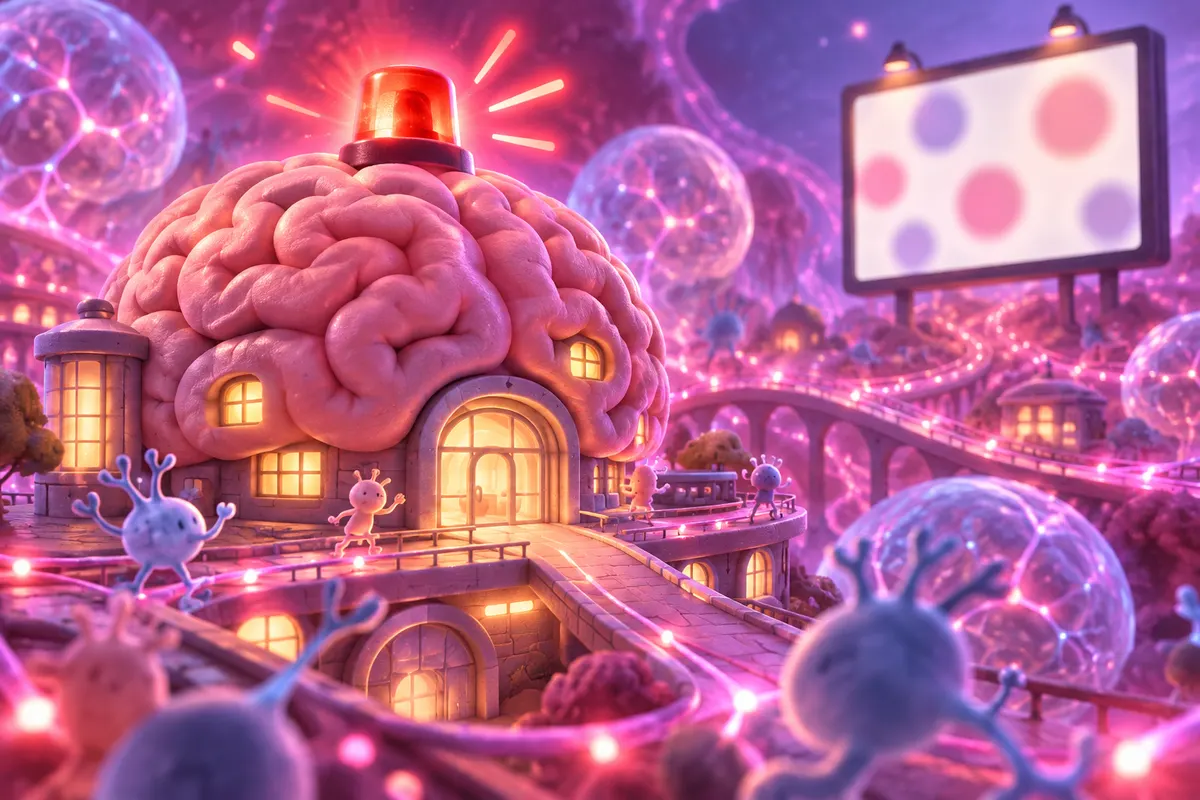
日本の研究でも、似た結果が出ています。集合体恐怖症の強さは、病気につながる物を気持ち悪いと感じやすい人ほど強い傾向がありました。目がチカチカしやすい人ほど強い、という関係も見られました。
「病気よけの本能が、行きすぎて広がった」。そう考えると、多くの結果がうまく説明できます。
03幼児もゾワッとする
2017年の別の研究では、小学校に入る前の幼い子どもたちにも、ブツブツ画像への不快感が見られました。ただし、「毒のある動物を連想しているから」ではなさそうでした。子どもたちは、模様そのものの見た目に反応しているようだったのです。
つまり、「見た目の特徴」と「病気よけの嫌悪感」は、どちらか一方だけが正しいとは限りません。両方が関わっている可能性もあります。
04まとめ
ブツブツが怖いのは、あなたが変だからではありません。体を病気や危険から守るための警報が、ちょっと反応しすぎているのかもしれません。
「なぜ苦手か」が分かるだけで、ゾワッとした気持ちとの付き合い方は少し変わります。
この研究を英語で読もう原田英語の English CornerClusters of small holes or bumps, such as lotus seed pods or honeycombs, make many people feel uncomfortable. 音声
音声 4択クイズ9問A2・B1・B2タップして開く
原田英語の English Corner
この研究を英語で読もう
Some people feel bad when they see many small holes, like the holes in a lotus seed pod. This is called trypophobia. Why does it happen? Scientists have two main ideas.
First, these patterns look like the skin of some dangerous animals. Second, they may look like skin disease. Our brain wants to stay away from disease, so it sends a warning. But sometimes the warning turns on for safe things, too.
72 words ・ CEFR A2
和訳を見る
蓮の実の穴のような、たくさんの小さな穴を見ると気分が悪くなる人がいます。これは集合体恐怖症(トリポフォビア)と呼ばれます。なぜ起きるのでしょうか。科学者には主に2つの考えがあります。
1つ目は、こうした模様が一部の危険な動物の皮膚に似ているということです。2つ目は、皮膚の病気のように見えるかもしれないということです。私たちの脳は病気から離れていたいので、警告を出します。でも、ときどきその警告は安全な物にも反応してしまうのです。
4択リーディングクイズ
Q1. What is the passage mainly about?
冒頭で小さな穴を見ると気分が悪くなる人がいると述べ、その理由を説明しているので A。
Q2. Which is one of the scientists' ideas?
First, these patterns look like the skin of some dangerous animals. とあるので D。
Q3. In this passage, "warning" is closest to ...
脳が病気から離れるために出すもの=「気をつけろ」という合図なので C。warn は「警告する」。
Clusters of small holes or bumps, such as lotus seed pods or honeycombs, make many people feel uncomfortable. This reaction is known as trypophobia. The first scientific paper on it appeared in 2013. Two researchers in the UK found that such images share visual features with the patterns of some venomous animals, and about 16% of 286 adults said a photo of a lotus seed pod made them uncomfortable.
Later, a 2018 study showed people images of bumps related to skin disease and parasites, as well as harmless ones. Only people with trypophobia disliked the harmless images too, and they mainly felt disgust rather than fear. This suggests that a system for avoiding disease may be reacting too widely.
119 words ・ CEFR B1
和訳を見る
蓮の実やハチの巣のような、小さな穴やブツブツの集まりを見ると不快に感じる人は多くいます。この反応は集合体恐怖症(トリポフォビア)として知られています。これに関する最初の科学論文は2013年に発表されました。イギリスの2人の研究者は、そうした画像が一部の毒をもつ動物の模様と見た目の特徴を共有していることを発見し、大人286人のうち約16%が、蓮の実の写真を見ると不快になると答えました。
その後、2018年の研究では、皮膚病や寄生虫に関係するブツブツの画像と、無害なブツブツの画像を人々に見せました。無害な画像まで嫌がったのは集合体恐怖症の人だけで、彼らが主に感じていたのは恐怖ではなく嫌悪でした。このことは、病気を避けるためのしくみが、広く反応しすぎているのかもしれないことを示しています。
4択リーディングクイズ
Q1. What is the main idea of the passage?
最終文 a system for avoiding disease may be reacting too widely が結論なので B。
Q2. What did the 2018 study find?
Only people with trypophobia disliked the harmless images too, and they mainly felt disgust rather than fear. とあるので A。C は rather than fear に反する。
Q3. Which statement would the writer most likely agree with?
無害な画像にも反応する=身を守るしくみが危険でないものにも働く、という最終文の主張に合うので D。
Some people feel intense discomfort when they look at clusters of small holes or bumps. The reaction got its name, trypophobia, on the internet and only entered the scientific literature in 2013. In that first study, researchers at the University of Essex analyzed images people found troubling. The images shared a visual signature, high-contrast patterns at a medium level of detail, much like images known to cause visual discomfort.
The same signature appeared in the markings of dangerous animals such as venomous snakes, and around 16% of 286 adults found a lotus seed pod uncomfortable to look at. A rival account came from a 2018 study. In it, people with trypophobia rejected not only disease-related clusters but harmless ones as well, and they described their reaction as disgust rather than fear.
On this view, trypophobia is a disease-avoidance response that has spread far beyond its original target. The two explanations may overlap. Japanese research has linked trypophobia both to disgust sensitivity and to visual discomfort, and even preschool children react to the patterns themselves. Much of the evidence comes from online samples and self-reports, and most studies are correlational. Trypophobia is also not listed as a separate diagnosis in DSM-5.
200 words ・ CEFR B2
和訳を見る
小さな穴やブツブツの集まりを見ると、強い不快感を覚える人がいます。この反応はネット上で「トリポフォビア(集合体恐怖症)」という名前がつき、科学文献に登場したのは2013年になってからでした。その最初の研究で、エセックス大学の研究者たちは、人々が不快に感じる画像を分析しました。それらの画像には共通する見た目の特徴がありました。
中くらいの細かさで明暗のコントラストが強い模様で、見ていて不快になりやすい画像によく似ていたのです。同じ特徴は毒ヘビなど危険な動物の模様にも見られ、大人286人のうち約16%が、蓮の実を見るのは不快だと答えました。2018年の研究からは、対立する説明が出てきました。その研究で、集合体恐怖症の人は病気に関係するブツブツだけでなく無害なものまで拒み、自分の反応を恐怖ではなく嫌悪だと表現したのです。
この見方では、集合体恐怖症は、病気を避ける反応が本来の対象をはるかに超えて広がったものだということになります。2つの説明は重なり合っているのかもしれません。日本の研究は、集合体恐怖症を嫌悪の感じやすさとも視覚的な不快感とも結びつけており、就学前の子どもでさえ模様そのものに反応します。証拠の多くはオンラインで集めた参加者や自己報告によるもので、ほとんどの研究は相関を示すにとどまります。また、集合体恐怖症はDSM-5に独立した診断名として載っていません。
4択リーディングクイズ
Q1. What is the passage mainly about?
2013年の視覚特徴説と2018年の嫌悪説を紹介し、最後に証拠の限界に触れているので C。
Q2. According to the 2018 study, how did people with trypophobia differ from others?
rejected not only disease-related clusters but harmless ones as well, and they described their reaction as disgust rather than fear とあるので B。
Q3. Which weakness of the evidence does the writer point out?
Much of the evidence comes from online samples and self-reports, and most studies are correlational とあるので A。
重要単語
- phobiaB2名詞恐怖症She has a phobia of spiders.
 ギリシャ語 phobos(恐れ)から。have a phobia of ~ の形で使う。acrophobia(高所恐怖症)など -phobia の語は多い。
 - disgustB2名詞・動詞嫌悪感・うんざりさせるDisgust helps us stay away from rotten food. dis-(否定)+gust(味わう)=「味が合わない」。be disgusted with/by ~「~にうんざりする」。
- clusterB2名詞かたまり・集まりA cluster of holes made him feel sick. a cluster of ~「~の集まり」。感染症ニュースの「クラスター(集団感染)」も同じ語。
- parasiteB2名詞寄生虫Some parasites live under the skin. para-(そばに)+site(食べ物)=「他人のそばで食べる者」。比喩で「居候」の意味も。
- aversionC1名詞強い嫌悪・回避Many people feel an aversion to the image. have an aversion to ~「~が大嫌い」。動詞 avert(そらす)と同語源で、「目をそむけたくなる」イメージ。
- venomousC1形容詞(かみついて)毒をもつSome venomous snakes have striking patterns. venom は咬む・刺すことで注入する毒。poisonous は食べたり触れたりして害になる毒。違いが問われやすい。
 入試に出る順の単語帳を印刷する →
 全5903語の「科学英単語カード」で復習する →
このネタ、誰かに教えたくなった?
蓮の実やスポンジのブツブツを見ると、ゾワッとする「集合体恐怖症」。研究では、恐怖というより「病気や寄生虫を避ける嫌悪感」が、無害な模様にまで反応している可能性があるらしい。ゾワッとするのは、体を守る警報の空振りかも。
押すと「マジかリスト」に保存されます
 出典・参考文献(5件)タップで表示
- Cole & Wilkins (2013) Fear of Holes, Psychological Sciencedoi.org
- Kupfer & Le (2018) Disgusting clusters: trypophobia as an overgeneralised disease avoidance response, Cognition and Emotiondoi.org
- Can, Zhuoran & Zheng (2017) Is Trypophobia a Phobia?, Psychological Reportsdoi.org
- Imaizumi et al. (2016) Trypophobia is predicted by disgust sensitivity, empathic traits, and visual discomfort, SpringerPlusdoi.org
- Martínez-Aguayo et al. (2018) Trypophobia: What Do We Know So Far?, Frontiers in Psychiatrydoi.org
※本記事は上記の研究・公開資料をもとに、原田英語が独自の言葉で解説したものです。引用は著作権法第32条の範囲で行い、出典を明記しています。画像はすべてオリジナルのイメージです。研究結果には限界や個人差があります。誤りのご指摘は原田英語のお問い合わせフォームから。
 これも「マジか!?」

 脳・心理
脳・心理
「何も見えない」と言う男性が、障害物だらけの廊下をぶつからずに歩いた。盲視(ブラインドサイト)の不思議
 脳・心理
脳・心理
錯視とは? 脳がだまされる有名な錯視8選。同じ色が違って見える理由を研究で解説
 脳・心理
脳・心理 ゼミ★☆☆
ゼミ★☆☆
目が見えるようになった瞬間、触って知っていた形はわかる?300年越しの哲学の問いに実験が挑んだ
 脳・心理
脳・心理
記憶の「分けると残る」は腎臓の細胞にも? 薬を一気より4回に分けると遺伝子が長く働いた
 脳・心理
脳・心理
麻酔がかかると、ヒトもマウスも魚も線虫も、脳の各部分がバラバラに動くようになった。6種の脳を比べた研究

 脳・心理
脳・心理