

 脳と心理ホント
【早稲田の入試に出た】人生で一番覚えているのは10〜30歳。「レミニセンス・バンプ」の謎
 2026.10.02
 English Corner(A2〜B2・4択クイズ)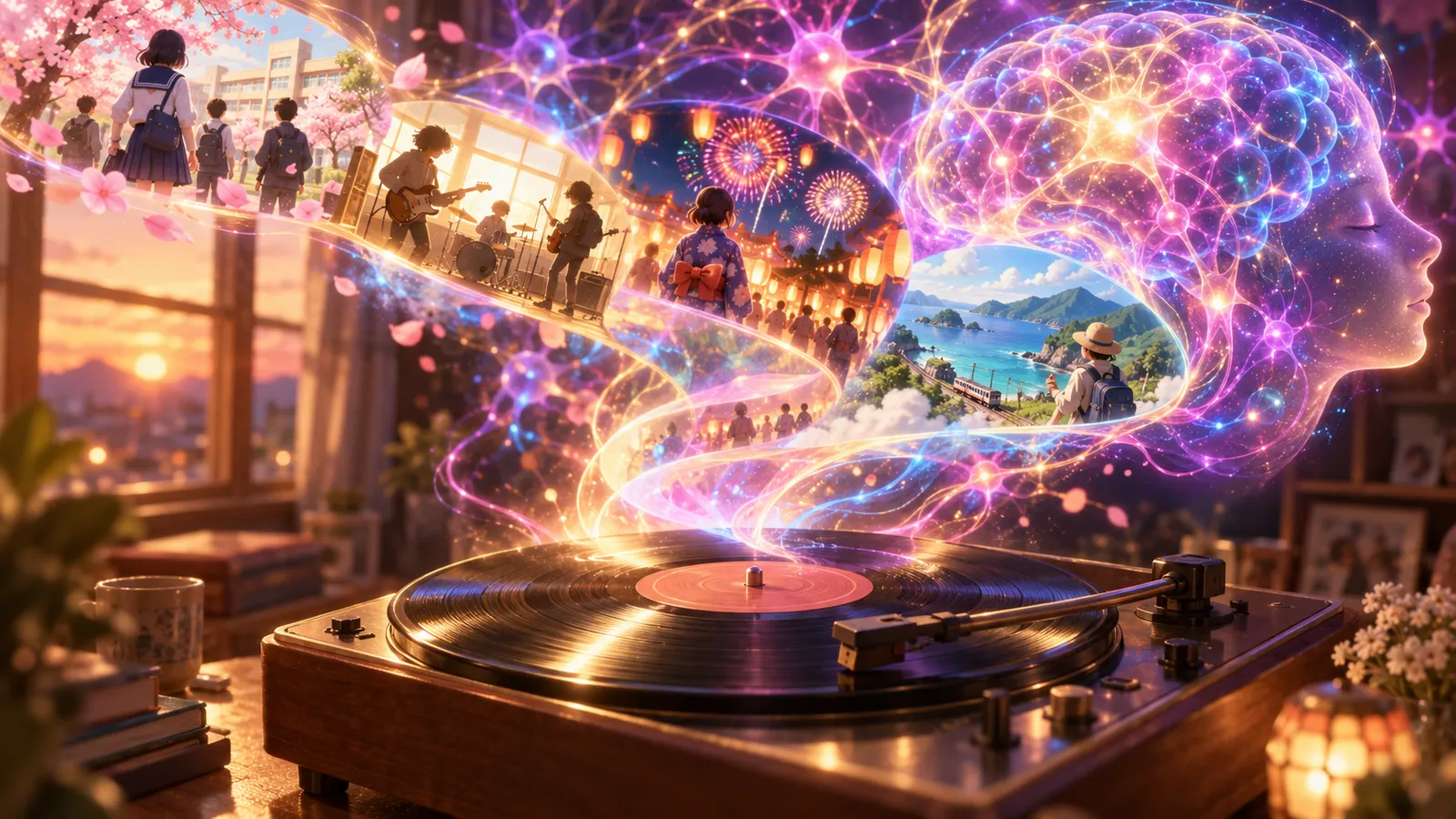
 読む前に予想してみよう!
大学生では、自分が生まれる前の「親が若い頃のヒット曲」でも、思い出や好みがもう一度増えていた
自分の世代の曲に加え、親世代の曲にも思い出・好み・感情反応の山が見られた。
 研究カード(どんな研究?)
- 対象
- 高齢者・大学生
- 規模
- 数十〜数百人規模
- 研究の種類
- 記憶調査・実験研究のレビュー
- 確かさ
- ★★★★☆
高齢になって人生を振り返ると、10〜30歳ごろの記憶が飛び抜けて多い。好きな音楽や映画もこの時期に集中する。しかも大学生では、親が若いころのヒット曲でも、思い出や好みがもう一度ぐっと増えていた。
ひとことで言うと大人になっても、10代〜20代のことがいちばんよく思い出せるらしい!
おじいちゃん、おばあちゃんの昔話は、なぜかいつも「若い頃」の話ばかり。カラオケで親が歌うのは、たいてい親自身が10代のころのヒット曲。
これ、ただの「懐かしがり」ではありません。人間の記憶には、10〜30歳ごろの出来事が特別によく残るという、はっきりしたパターンがあるのです。心理学ではこれを「レミニセンス・バンプ(回想のこぶ)」と呼びます。
このテーマは、2026年度の早稲田大学(文化構想学部)の英語で長文の題材になりました(代々木ゼミナール・河合塾の解答速報で確認)。
01人生の記憶グラフに「こぶ」がある
こんな調べ方があります。高齢の人に、ヒントになる単語を見せて、思い浮かんだ思い出を語ってもらいます。その思い出が何歳のときのものかをグラフにすると、不思議な形になるのです。
- 最近の出来事は、当然よく思い出される
- 幼いころの記憶は、ほとんど出てこない(幼児期健忘)
- そして10代〜20代の部分だけが、ラクダのこぶのように盛り上がる
02「自分ができあがる時期」だから?
なぜこの時期なのでしょう。有力な説のひとつが、「自分らしさ(アイデンティティ)」との関係です。
2008年の研究では、まず参加者に「私は〜だ」という文をいくつも書いてもらいました(例:「私は教師だ」「私は母親だ」)。次に、それぞれの「自分像」に関係する思い出を挙げてもらいます。すると思い出は、その自分像ができあがった時期の周りに集まる傾向がありました。
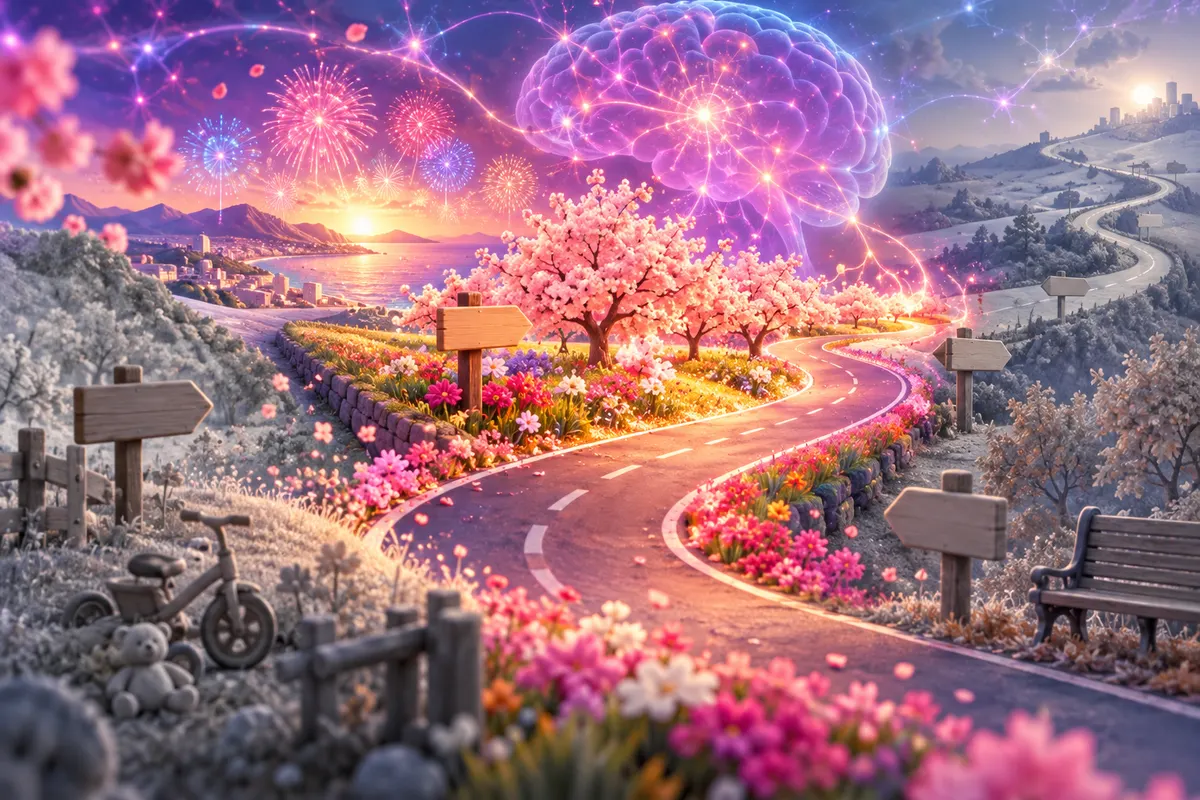
初めての部活、初めての恋、進学や就職――。新しい自分ができあがるときの出来事は、その後も何度も思い出されるのかもしれません。「自分はこういう人間だ」と語るときの、大事な材料になるからです。
03親世代のヒット曲にも「こぶ」があった
音楽でも同じことが調べられています。米コーネル大学のクラムハンスルらは、大学生に約55年分のヒット曲を聞かせました(Psychological Science, 2013)。そして、曲にまつわる思い出や好み、感情の反応を調べました。予想どおり、自分が生まれてからの約20年間の曲には、高い反応がありました。ところが、親が若いころの曲にも、もうひとつの山があったのです。さらに、1960年代の音楽にも山が見られました。
研究チームは、子どものころ家で流れていた音楽が記憶に残るのだろうと考えました。そして、世代を超えて受け継がれるこのパターンを「カスケード(滝のように連なる)型のレミニセンス・バンプ」と名づけました。
04まとめ
私たちの記憶は、人生を平等に記録しているわけではありません。自分ができあがっていく10代〜20代を、とびきり大切に残しているのです。
つまり、今まさにその時期を生きている人は、一生の宝物になる記憶を毎日作っている最中。今日の何気ない放課後も、いつか「こぶ」の一部になるかもしれません。
この研究を英語で読もう原田英語の English CornerWhen older adults look back on their lives, they recall far more events from about age 10 to 30 than from… 音声
音声 4択クイズ9問A2・B1・B2タップして開く
原田英語の English Corner
この研究を英語で読もう
Ask older people about their lives, and they often talk about their teens and twenties. Psychologists call this the reminiscence bump. People remember the most events from about age 10 to 30.
Their favorite music, movies and books often come from this time, too. One reason may be that we build our identity, or our sense of who we are, at these ages. College students also remembered and liked songs from their parents' youth.
74 words ・ CEFR A2
和訳を見る
お年寄りに人生について尋ねると、10代や20代の話をすることがよくあります。心理学者はこれを「レミニセンス・バンプ」と呼びます。人は、およそ10歳から30歳の出来事をいちばん多く覚えています。
好きな音楽や映画や本も、この時期のものであることが多いのです。理由のひとつは、私たちがこの年齢でアイデンティティ、つまり「自分は何者か」という感覚を作り上げるからかもしれません。大学生は、親が若かった頃の歌も覚えていて、好んでいました。
4択リーディングクイズ
Q1. What is the passage mainly about?
10〜30歳の記憶が特によく残る「レミニセンス・バンプ」が全体のテーマなので C。
Q2. From what ages do people remember the most events?
People remember the most events from about age 10 to 30. とあるので A。
Q3. In this passage, "identity" means ...
直後の or our sense of who we are が言い換え。or は「つまり」の意味で、難しい語の説明によく使われるので B。
When older adults look back on their lives, they recall far more events from about age 10 to 30 than from other periods. Psychologists call this pattern the reminiscence bump. In a 1998 review, Rubin and his colleagues showed that this period produces the most vivid and important autobiographical memories. Older people's favorite films, music and books also tend to come from these years.
One popular explanation is identity. A 2008 study asked people to write sentences beginning with 'I am' and then recall memories linked to each one. The memories tended to gather around the time when each self-image was formed. So the years when we become who we are may be the years we remember best.
118 words ・ CEFR B1
和訳を見る
高齢者が人生を振り返ると、ほかの時期よりも、およそ10歳から30歳の出来事をはるかに多く思い出します。心理学者はこのパターンをレミニセンス・バンプと呼びます。1998年のレビューで、ルービンらは、この時期が最も鮮やかで重要な自伝的記憶を生み出すことを示しました。高齢者の好きな映画、音楽、本もこの時期のものである傾向があります。
有力な説明のひとつはアイデンティティです。2008年の研究では、人々に「私は〜だ」で始まる文を書いてもらい、それぞれに結びつく思い出を挙げてもらいました。思い出は、それぞれの自己像が形づくられた時期の周りに集まる傾向がありました。つまり、私たちが「自分」になっていく年月こそ、最もよく覚えている年月なのかもしれません。
4択リーディングクイズ
Q1. What is the reminiscence bump?
第1文の内容を Psychologists call this pattern the reminiscence bump. と名づけているので D。
Q2. What did the 2008 study ask people to do?
asked people to write sentences beginning with 'I am' and then recall memories linked to each one とあるので B。
Q3. According to the identity explanation, why are these years remembered so well?
思い出が自己像の形成時期に集まり、最後の文で「自分になっていく年月が最もよく覚えている年月」とまとめているので A。
Memories are not spread evenly across a lifetime. When older adults are given cue words and asked to recall personal events, recent experiences appear frequently, early childhood is almost blank, and the period from roughly 10 to 30 forms a sharp peak known as the reminiscence bump. Reviewing earlier research in 1998, Rubin and his colleagues reported that these years supply the most numerous, vivid and significant autobiographical memories, as well as people's favorite films, music and books. Several explanations have been proposed, including the novelty of first experiences and the formation of identity.
In support of the latter, a 2008 study found that memories tended to cluster around the time when a particular self-image, such as 'I am a teacher', first emerged. Music research added a surprising twist. In 2013, Krumhansl and Zupnick played hit songs spanning about 55 years to college students and found peaks not only for music from the students' own youth but also for songs from their parents' youth, a pattern they called cascading reminiscence bumps. However, the participants were American students, and the idea that they absorbed this music at home was an interpretation rather than something measured directly.
195 words ・ CEFR B2
和訳を見る
記憶は一生の間に均等に散らばっているわけではありません。高齢者に手がかりとなる単語を与えて個人的な出来事を思い出してもらうと、最近の経験は頻繁に現れ、幼児期はほとんど空白で、そしておよそ10歳から30歳の時期が、レミニセンス・バンプとして知られるくっきりした山をつくります。1998年に過去の研究をまとめたルービンらは、この時期が最も数多く、鮮やかで、重要な自伝的記憶を生み出し、さらに人々の好きな映画・音楽・本ももたらすと報告しました。いくつかの説明が提案されており、その中には初めての経験の新しさや、アイデンティティの形成が含まれます。
後者を支持するものとして、2008年の研究では、思い出が「私は教師だ」のような特定の自己像が初めて現れた時期の周りに集まる傾向があることがわかりました。音楽の研究は意外な展開をもたらしました。2013年、クラムハンスルとズプニックは約55年にわたるヒット曲を大学生に聞かせ、学生自身の青春期の音楽だけでなく、親が若かった頃の曲にも山があることを見いだし、このパターンを「カスケード型レミニセンス・バンプ」と呼びました。ただし、参加者はアメリカの学生であり、彼らが家庭でその音楽を吸収したという考えは、直接測定されたものではなく解釈にすぎませんでした。
4択リーディングクイズ
Q1. Which of the following best describes how memories are distributed across a lifetime?
第2文で、最近の経験は多く、幼児期はほぼ空白、10〜30歳に山があると説明されているので B。D は第1文と矛盾。
Q2. What was surprising about the 2013 music study?
a surprising twist の後に not only for music from the students' own youth but also for songs from their parents' youth とあるので C。not only A but also B は B に新情報が来る。
Q3. Why does the author mention that the participants were American students?
However で始まる最終文で、参加者の偏りと「家庭で吸収した」という解釈が直接測定されていない点を挙げているので D。研究の限界を示す However は入試頻出の目印。
重要単語
- autobiographical memoryC1名詞(句)自伝的記憶(自分の人生の記憶)Autobiographical memory helps us build our identity.
 auto(自分)+bio(人生)+graph(書く)。記憶系長文の必須の学術語。
 - reminiscenceC1名詞回想、思い出Reminiscence about school days can be comforting. 動詞は reminisce(思い出にふける)。remind と同じく「再び心に」のイメージ。
- identityB2名詞自己同一性、自分らしさTeenagers are still forming their identity. identity formation(自己形成)は青年期の長文で頻出。identify(特定する)とセットで。
- vividB2形容詞鮮やかな、生き生きとしたShe has vivid memories of her first concert. vivid memory / vivid description が定番のコロケーション。viv- は「生きる」(survive, revive と同語源)。
- transitionB2名詞移行、転換期Starting university is a big transition. transition from A to B「AからBへの移行」。人生の転換期がバンプの説明に使われることもある。
- recallB1動詞思い出すOlder adults recalled many events from their twenties. remember より意識的に「思い出す」。名詞で free recall(自由再生)など記憶実験の用語にもなる。
- clusterB2動詞・名詞集まる、群がる/かたまりThe memories clustered around the age of twenty. cluster around ~「~の周りに集まる」。データの分布を説明する長文でよく見る。
 入試に出る順の単語帳を印刷する →
 全5903語の「科学英単語カード」で復習する →
 動画でもっと知る
動画は各チャンネルの公式埋め込みで表示しています(YouTube)。
この話題を TED で聞く
同じテーマの TED・TED-Ed を、 TED HACK で。英語の見どころ・使える表現・学習ミッションつきの日本語ガイドです。(運営:原田英語)
 公式・一次情報をチェック
- 2026年度 早稲田大学(2/12 実施 文化構想)英語 概評(「『回想のこぶ』と人格形成」がテーマ)(代々木ゼミナール 解答速報)sokuho.yozemi.ac.jp
- 2026年 早稲田大学 文化構想学部 英語 講評(「レミニセンス・バンプについて」)(河合塾 解答速報)kaisoku.kawai-juku.ac.jp
このネタ、誰かに教えたくなった?
人生を振り返ると、なぜか10〜30歳ごろの思い出が飛び抜けて多いらしい。心理学で「レミニセンス・バンプ」と呼ばれる現象。しかも大学生では、自分の世代の曲だけでなく、親が若い頃のヒット曲でも、思い出や好みがもう一度ぐっと増えていた。
押すと「マジかリスト」に保存されます
 出典・参考文献(3件)タップで表示
- Rubin, Rahhal & Poon (1998) Things learned in early adulthood are remembered best, Memory & Cognitiondoi.org
- Rathbone, Moulin & Conway (2008) Self-centered memories: the reminiscence bump and the self, Memory & Cognitiondoi.org
- Krumhansl & Zupnick (2013) Cascading reminiscence bumps in popular music, Psychological Sciencedoi.org

※本記事は上記の研究・公開資料をもとに、原田英語が独自の言葉で解説したものです。引用は著作権法第32条の範囲で行い、出典を明記しています。画像はすべてオリジナルのイメージです。研究結果には限界や個人差があります。誤りのご指摘は原田英語のお問い合わせフォームから。
 これも「マジか!?」

 脳・心理
脳・心理
【共通テストに出た】「怖いと時間がスローになる」は本当?31m落下実験の答え
 脳・心理
脳・心理
記憶の「分けると残る」は腎臓の細胞にも? 薬を一気より4回に分けると遺伝子が長く働いた

 脳・心理
脳・心理
絶対音感は大人になってからでも身につく? 中国や日本の音大生に多い理由と、大人の訓練実験
 脳・心理
脳・心理
赤ちゃんの頃の記憶がないのは、「記憶を作れない」からではないかもしれない

 脳・心理
脳・心理
【関学の入試に出た】地平線の月が大きく見えるのは脳の錯覚。写真に撮ると大きさはほぼ同じだった
 脳・心理
脳・心理