

 心理学ホント
【逆効果】怒りはサンドバッグで発散すると、かえって燃え上がる。600人の実験が示した意外な結果
 2026.10.02
 English Corner(A2〜B2・4択クイズ)

 読む前に予想してみよう!
怒りはクッションを殴るなどして発散すると、おさまりやすい
発散は怒りの「リハーサル」になりやすい。深呼吸など体の興奮を下げる方法のほうが効果的という研究が多い。
 研究カード(どんな研究?)
- 対象
- 大学生
- 規模
- 約600人
- 研究の種類
- ランダム化比較実験
- 確かさ
- ★★★★☆
「怒りは吐き出せばスッキリ」は逆だった。相手を思い浮かべてサンドバッグを殴った人は、何もしなかった人より怒りも攻撃性も高かった。効くのは「クールダウン」。
ひとことで言うとイライラは「殴って出す」より「しずめて消す」ほうがうまくいく!
ムカッとしたとき、「枕を殴ればスッキリする」「カラオケで叫べば忘れる」と思っていませんか?
最近は、お皿やテレビをわざと壊せる「レイジルーム(怒り部屋)」なんてサービスまであります。怒りはためこむと爆発するから、こまめにガス抜きしよう——いかにも正しそうな考え方です。
ところが心理学の実験は、まったく逆の答えを出しました。怒りは発散するほど、むしろ燃え上がるかもしれないのです。
01侮辱されたあと、サンドバッグを殴ってもらった
アメリカの社会心理学者ブラッド・ブッシュマンは、2002年にこんな実験を発表しました。
つまり、相手を思い浮かべながら殴るのは「怒りを捨てる作業」ではなく、怒りのリハーサルになっていたのです。
02「発散すればスッキリ」と信じるほど危ない
ブッシュマンらは1999年にも、さらに皮肉な結果を報告しています。
「殴って発散するとスッキリする」という文章を事前に読んだ人は、反対の文章を読んだ人よりサンドバッグを殴りたがりました。さらに、実際に殴らせてみると、そのあとの攻撃性も高かったのです。
「発散は良いこと」という思い込みそのものが、怒りの火に油を注ぐ。考えてみれば、怒りながら殴ったり叫んだりすると心臓はドキドキ、筋肉はカチカチ。体は「戦闘モード」のままです。

03154の研究をまとめると、効いたのは「しずめる」ほう
では、何が効くのでしょう。2024年、ブッシュマンらは怒りの対処法を調べた154の研究(参加者のべ1万人以上)をまとめて分析しました。
結果はくっきり分かれました。ゆっくりした深呼吸・瞑想・ヨガなど、体の興奮を下げる活動は、怒りや攻撃性をしっかり減らしました。一方、サンドバッグ打ちやジョギングなど、興奮を上げる活動は、平均すると効果がほぼゼロだったのです。
ここで大事なのは、運動そのものが悪いわけではないこと。ふだんの運動は心身の健康にとても役立ちます。ただ、怒っている最中の「対処法」としては、興奮を下げるほうが効きやすいということです。
04まとめ
怒りは、吐き出せば消える「ガス」ではありません。何度も思い返すほど育つ「火」です。
イラッとしたら、殴る・叫ぶより、まず深呼吸。そのほうが、あとで後悔する言葉や行動を減らしやすくなります。
なお、怒りが強すぎて日常生活や人間関係に支障が出ているときは、ひとりで抱えず、専門家に相談してみてください。
この研究を英語で読もう原田英語の English CornerLetting anger out, for example by hitting a pillow, is widely believed to make people feel better. 音声
音声 4択クイズ9問A2・B1・B2タップして開く
原田英語の English Corner
この研究を英語で読もう
Many people think that hitting a pillow helps when they are angry. But a study found the opposite. About 600 students were made angry on purpose. Some of them hit a punching bag while thinking about the person who made them angry.
Others just sat quietly. The students who hit the bag stayed the angriest. The quiet group was the least aggressive. Slow, deep breathing is a better way to calm down.
72 words ・ CEFR A2
和訳を見る
多くの人は、怒ったときに枕を殴ると気持ちが楽になると思っています。しかし、ある研究は正反対の結果を見つけました。約600人の学生がわざと怒らされました。その一部は、自分を怒らせた人のことを考えながらサンドバッグを殴りました。
ほかの学生はただ静かに座っていました。サンドバッグを殴った学生たちが、いちばん怒ったままでした。静かにしていたグループは、いちばん攻撃的ではありませんでした。ゆっくりした深い呼吸のほうが、気持ちを落ち着かせるのによい方法です。
4択リーディングクイズ
Q1. What is the passage mainly about?
怒ったときに殴って発散しても怒りはおさまらない、という研究の話なので C。
Q2. Which group was the least aggressive?
The quiet group was the least aggressive. とあるので A。
Q3. In this passage, "the opposite" means the study found that hitting a pillow ...
opposite は「正反対」。殴ると楽になるという考えの逆、つまり助けにならず怒りが続くという意味なので D。
Letting anger out, for example by hitting a pillow, is widely believed to make people feel better. In 2002, psychologist Brad Bushman tested this idea with about 600 students. After receiving harsh comments on their essays, some students hit a punching bag while looking at a photo of the person who insulted them. Others hit it as exercise, and a third group sat quietly.
The first group felt the angriest and later acted the most aggressively in a game. The quiet group was the least aggressive. In 2024, an analysis of 154 studies found that activities that lower physical arousal, such as slow breathing and meditation, clearly reduced anger, while activities that raise arousal had almost no effect on average.
120 words ・ CEFR B1
和訳を見る
たとえば枕を殴るなどして怒りを外に出すと気分がよくなる、と広く信じられています。2002年、心理学者ブラッド・ブッシュマンは約600人の学生を対象にこの考えを検証しました。作文に辛辣なコメントを受けた後、一部の学生は自分を侮辱した人の写真を見ながらサンドバッグを殴りました。ほかの学生は運動としてサンドバッグを殴り、3つ目のグループは静かに座っていました。
最初のグループがいちばん強い怒りを感じ、その後のゲームでいちばん攻撃的にふるまいました。静かにしていたグループがいちばん攻撃性が低かったのです。2024年、154の研究を分析した結果、ゆっくりした呼吸や瞑想など体の興奮を下げる活動は怒りをはっきり減らした一方、興奮を上げる活動は平均するとほとんど効果がないことが分かりました。
4択リーディングクイズ
Q1. How were the students made angry in the 2002 study?
After receiving harsh comments on their essays とあるので B。
Q2. What did the 2024 analysis find?
activities that lower physical arousal ... clearly reduced anger とあるので A。興奮を上げる活動はほぼ効果なし。
Q3. What can we infer from the passage?
相手の写真を見ながら殴ったグループがいちばん怒りが強く攻撃的だったので、相手を思い浮かべながら発散すると怒りが続くと推論できる。D。
Anger is often pictured as steam in a pressure cooker that must be let out, but experimental research suggests this picture is largely mistaken. In a 2002 study, Brad Bushman provoked about 600 university students with harsh feedback on their essays. One group then hit a punching bag while thinking about the person who had insulted them, a second group hit it as exercise, and a third sat quietly.
The first group reported the most anger and later behaved most aggressively, blasting their opponent with louder noise in a game, while the group that did nothing was the least aggressive. Venting, in other words, worked as a rehearsal of anger. An earlier study found that people who had read a message praising venting were especially eager to hit the bag and were more aggressive afterward.
A 2024 meta-analysis of 154 studies involving over 10,000 participants confirmed the pattern: calming activities such as slow breathing, meditation and yoga reduced anger, whereas arousing ones averaged almost no effect. Some caution is warranted, however. Laboratory measures of aggression may not reflect real-life behavior, and results for arousing activities varied widely between studies.
189 words ・ CEFR B2
和訳を見る
怒りは、外に逃がさなければならない圧力鍋の蒸気のようなものだとよく思い描かれますが、実験研究は、そのイメージが大部分誤りであることを示しています。2002年の研究で、ブラッド・ブッシュマンは約600人の大学生に、作文への辛辣な評価を与えて怒らせました。その後、ひとつのグループは自分を侮辱した人のことを考えながらサンドバッグを殴り、2つ目のグループは運動としてそれを殴り、3つ目のグループは静かに座っていました。最初のグループが最も強い怒りを報告し、その後のゲームでは相手により大きな騒音を浴びせるなど最も攻撃的にふるまいました。
一方、何もしなかったグループが最も攻撃性が低かったのです。つまり、発散は怒りのリハーサルとしてはたらいていたのです。それ以前の研究では、発散をほめるメッセージを読んだ人ほど、とくにサンドバッグを殴りたがり、その後も攻撃的になることが分かっていました。
参加者1万人以上を含む154の研究を対象とした2024年のメタ分析もこのパターンを裏づけました。ゆっくりした呼吸、瞑想、ヨガといった落ち着かせる活動は怒りを減らした一方、興奮させる活動は平均するとほぼ効果がなかったのです。ただし、ある程度の注意は必要です。実験室での攻撃性の測定は実生活の行動を反映していないかもしれず、興奮させる活動の結果は研究によって大きくばらついていました。
4択リーディングクイズ
Q1. According to the passage, why did venting fail to reduce anger?
Venting, in other words, worked as a rehearsal of anger. とあるので B。
Q2. What did the earlier study find about people who read a message praising venting?
people who had read a message praising venting were especially eager to hit the bag and were more aggressive afterward とあるので C。
Q3. Which limitation does the author mention?
Laboratory measures of aggression may not reflect real-life behavior とあるので A。
重要単語
- ventC1動詞(感情を)吐き出す・発散するShe vented her anger on a pillow.
 名詞では「通気口」。vent one's anger on ~「~に怒りをぶつける」の形で使う。
 - catharsisC1名詞カタルシス・感情の浄化Many people believe in catharsis, but the data say otherwise. ギリシャ語で「浄化」。アリストテレスが悲劇の効果を説明した語。形容詞は cathartic。
- ruminationC1名詞反すう(同じことをくよくよ考え続けること)Rumination keeps the anger alive. もとは牛などの「反すう」。ruminate on ~「~を思い悩む」。心理学の英文で頻出。
- arousalC1名詞(体や心の)興奮・覚醒の度合いDeep breathing lowers physical arousal. arouse(呼び起こす)の名詞形。arouse interest「興味をかき立てる」も頻出。
- aggressionB2名詞攻撃性・攻撃行動Venting may actually increase aggression. 形容詞 aggressive は「攻撃的な」のほか「積極的な」というプラスの意味もある。
- provokeB2動詞怒らせる・引き起こすThe harsh comments provoked the students. pro-(前へ)+voke(呼ぶ)。provoke a reaction「反応を引き起こす」。形容詞 provocative「挑発的な」。
- insultB2動詞・名詞侮辱する/侮辱He felt insulted by the comment. アクセントは動詞 in-SULT、名詞 IN-sult。名詞・動詞でアクセントが変わる型の代表例。
 入試に出る順の単語帳を印刷する →
 全5903語の「科学英単語カード」で復習する →
 動画でもっと知る
動画は各チャンネルの公式埋め込みで表示しています(YouTube)。
 公式・一次情報をチェック
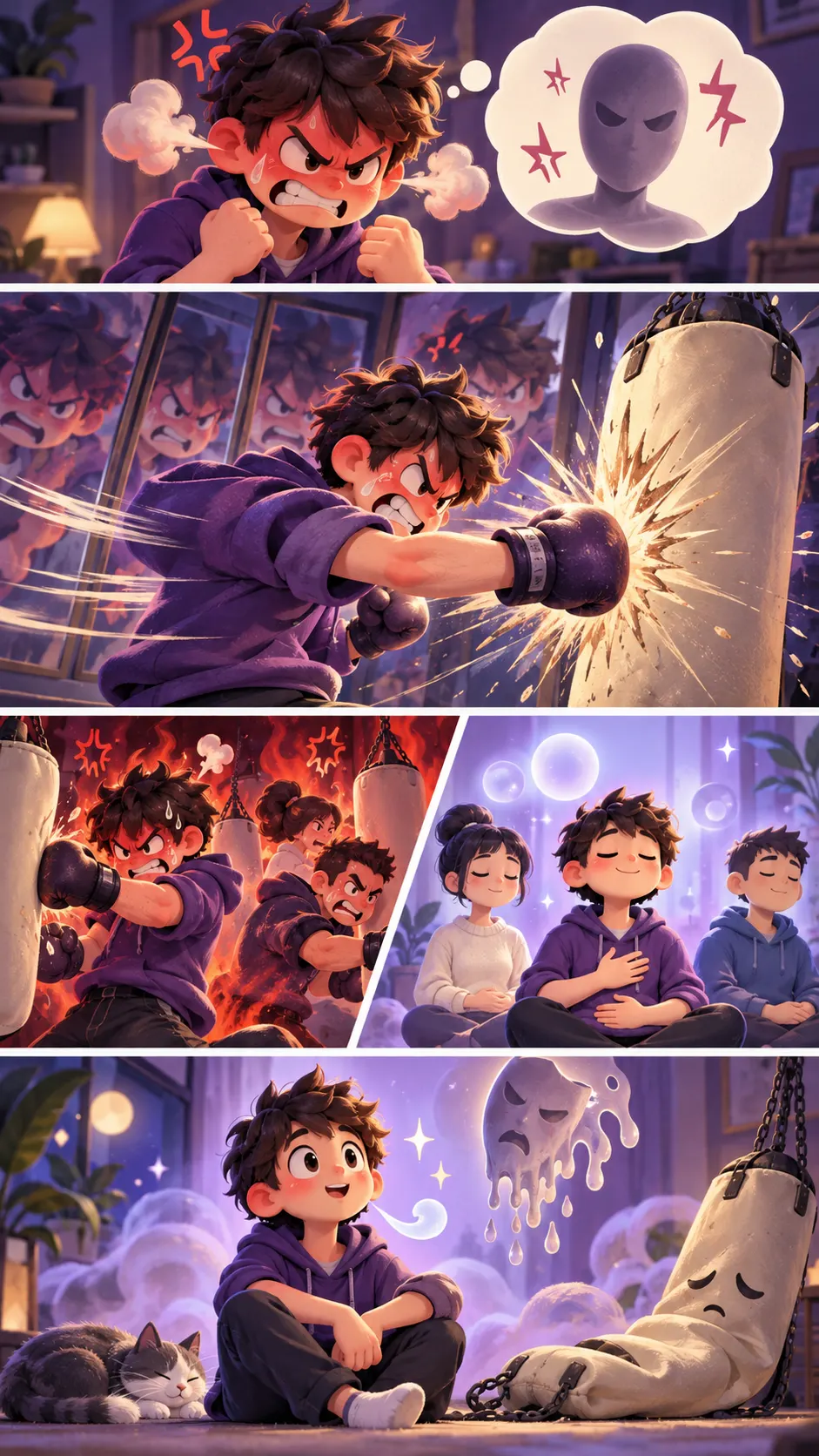
 4コマでわかる
このネタ、誰かに教えたくなった?
怒ったらサンドバッグを殴ってスッキリ…は心理学的にほぼ逆効果らしい。相手を思い浮かべて殴った人が、その後いちばん攻撃的に。154研究をまとめた分析でも、効いたのは深呼吸みたいな「しずめる系」だった。
押すと「マジかリスト」に保存されます
 出典・参考文献(3件)タップで表示
- Bushman (2002) Does venting anger feed or extinguish the flame? Catharsis, rumination, distraction, anger, and aggressive responding, Personality and Social Psychology Bulletindoi.org
- Bushman, Baumeister & Stack (1999) Catharsis, aggression, and persuasive influence: Self-fulfilling or self-defeating prophecies?, Journal of Personality and Social Psychologydoi.org
- Kjærvik & Bushman (2024) A meta-analytic review of anger management activities that increase or decrease arousal: What fuels or douses rage?, Clinical Psychology Reviewdoi.org

※本記事は上記の研究・公開資料をもとに、原田英語が独自の言葉で解説したものです。引用は著作権法第32条の範囲で行い、出典を明記しています。画像はすべてオリジナルのイメージです。研究結果には限界や個人差があります。誤りのご指摘は原田英語のお問い合わせフォームから。
 これも「マジか!?」

 心理学
心理学
囲碁の達人は、知能テストの点がアマチュアより低かった。でも学歴の違いを差し引くと、はっきりした差ではなくなった

 心理学
心理学
全員に"同じ性格診断"を配ったら「当たってる」と高評価。占いが当たる気がする「バーナム効果」


 心理学
心理学
「頭の良さは遺伝で決まる」は誤解? 双子研究の「遺伝率5割」の正しい読み方

 心理学
心理学
10代は「人気者」より「親友」? 15歳で深い友情があった人ほど、25歳までに不安や落ち込みが減っていた


 心理学
心理学
「長男はしっかり者、末っ子は甘えん坊」は本当? 2万人のデータで性格差はほぼゼロだった

 心理学
心理学