 語学・英語学習ホント
中学英語の「to」「of」「and」が聞き取れない。英語学習者がつまずく“小さな単語”の研究
 2026.10.02
 English Corner(A2〜B2・4択クイズ)
 読む前に予想してみよう!
英語学習者は、よく知っている短い単語(of や to)のほうが、内容語より聞き取りやすい
実験では、to や of のような機能語の聞き取りは、名詞や動詞など意味の中心になる内容語よりはっきり劣っていた。短く弱く発音されて目立たないことや、聞き手が内容語に注意を向けやすいことが原因と考えられている。
 研究カード(どんな研究?)
- 対象
- 中級の英語学習者(様々な母語)
- 規模
- 1研究(人数は要旨に記載なし)
- 研究の種類
- 聞き取り実験(録音を止めて直前の数語を書き取り)
- 確かさ
- ★★★☆☆
英語学習者は、名詞や動詞より「to」「of」「a」のような短い機能語を聞き落としやすい。母語や英語レベルが違っても同じ傾向が出た。
ひとことで言うと英語で聞き逃しやすいのは、名詞や動詞より「to」や「a」だった!
英語の音声を聞いて、スクリプトを見たときに「え、こんな簡単な文だったの!?」とショックを受けたことはありませんか?
実は、英語学習者がよく聞き落としているのは、難しい単語だけではありません。to、of、a、and、can のような、中学1年で習う小さな単語も、名詞や動詞より聞き取れていないことが分かっています。
01「知ってる単語」でも聞こえていない
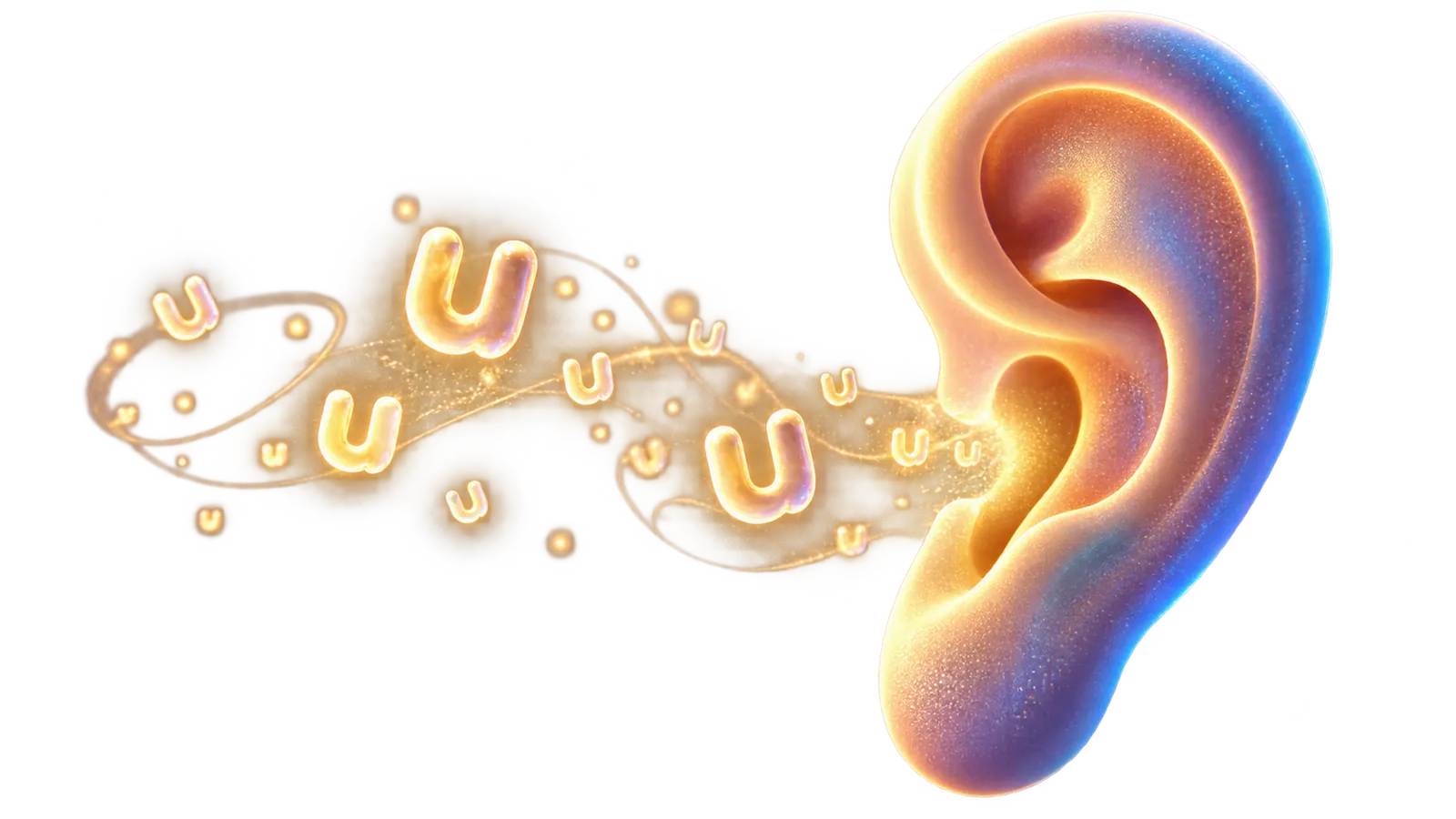
機能語は使用頻度が高く、学習者は「よく知っている」はず。それなのに聞き取れないのは、知識の問題ではなさそうです。考えられる原因は2つ。機能語の音が弱くて目立たないこと。そして、聞き手が意味の中心である内容語のほうに注意を向けがちなことです。
02英語の「小さな単語」は姿を変える
自然な英語では、機能語は弱く・短く・あいまいに発音されます。これを弱形(じゃくけい)と呼びます。
- to → 「トゥー」ではなく「タ」に近い音
- and → 「アンド」ではなく「ン」だけ
- can → 「キャン」ではなく「クン」
- of → 「オブ」ではなく「ア」に近い音
さらに前後の単語とくっついて(連結)、「a cup of tea」は「アカパティー」のように聞こえます。教科書で見た文字の形と、耳に入る音の形が大きく違うのです。

03ネイティブは「強い音節」を目印にしている
では英語話者はどうやって聞き取っているのでしょうか。
カトラーとノリスの1988年の実験によると、英語話者は強く読まれる音節を「単語の始まり」の目印にして、音の流れを区切っています。英語の内容語の多くは強い音節で始まるため、これは効率的な戦略です。
逆に言えば、弱く読まれる機能語は、区切りの目印になりにくい部分です。学習者も、目立つ内容語に頼って意味を組み立てていると考えられます。ただし、機能語を落とすと時制や否定、数などの重要な情報を取りこぼす危険があります。
例えば「I can go」と「I can't go」。弱形の「can(クン)」と強く言う「can't(キャーント)」を区別できないと、意味が正反対になってしまいます。
04まとめ
リスニングの大きな落とし穴の一つは、よく知っているはずの小さな単語でした。原因は知識不足というより、弱形・連結で音が目立たなくなることと、内容語に注意が向きやすいことにあると考えられます。
今日のスクリプトで、to や of がどんな音になっているかを1つだけ確かめてみてください。「知ってる単語が聞こえない」謎が、少しずつ解けていきます。
この研究を英語で読もう原田英語の English CornerMany learners blame difficult vocabulary when they cannot understand spoken English. 音声
音声 4択クイズ9問A2・B1・B2タップして開く
原田英語の English Corner
この研究を英語で読もう
When you listen to English, which words do you miss most? Many learners think the answer is difficult words. But a 2008 study found something different. Learners often missed small words like "to," "of," and "a." They knew these words well, but they could not hear them.
In natural speech, these small words become very short and weak. For example, "and" can sound like just "n." So listen carefully to the small words, too.
74 words ・ CEFR A2
和訳を見る
英語を聞くとき、どの単語を一番聞き落としているでしょうか。多くの学習者は、その答えは難しい単語だと思っています。しかし2008年の研究では、違う結果が出ました。学習者は「to」「of」「a」のような小さな単語をよく聞き落としていたのです。彼らはこれらの単語をよく知っていましたが、聞き取れませんでした。
自然な話し言葉では、こうした小さな単語はとても短く、弱くなります。たとえば「and」は「ン」だけのように聞こえることがあります。だから、小さな単語にも注意して聞きましょう。
4択リーディングクイズ
Q1. What is the passage mainly about?
学習者が to や of のような小さな単語を聞き落とす、という内容が中心なので D。
Q2. Why could the learners not hear words like "to" and "of"?
They knew these words well とあり、知識の問題ではない。these small words become very short and weak とあるので A。
Q3. In this passage, "miss" in "which words do you miss most" means ...
直後で「知っているのに聞き取れなかった」と説明されており、miss は「聞き落とす」の意味なので C。
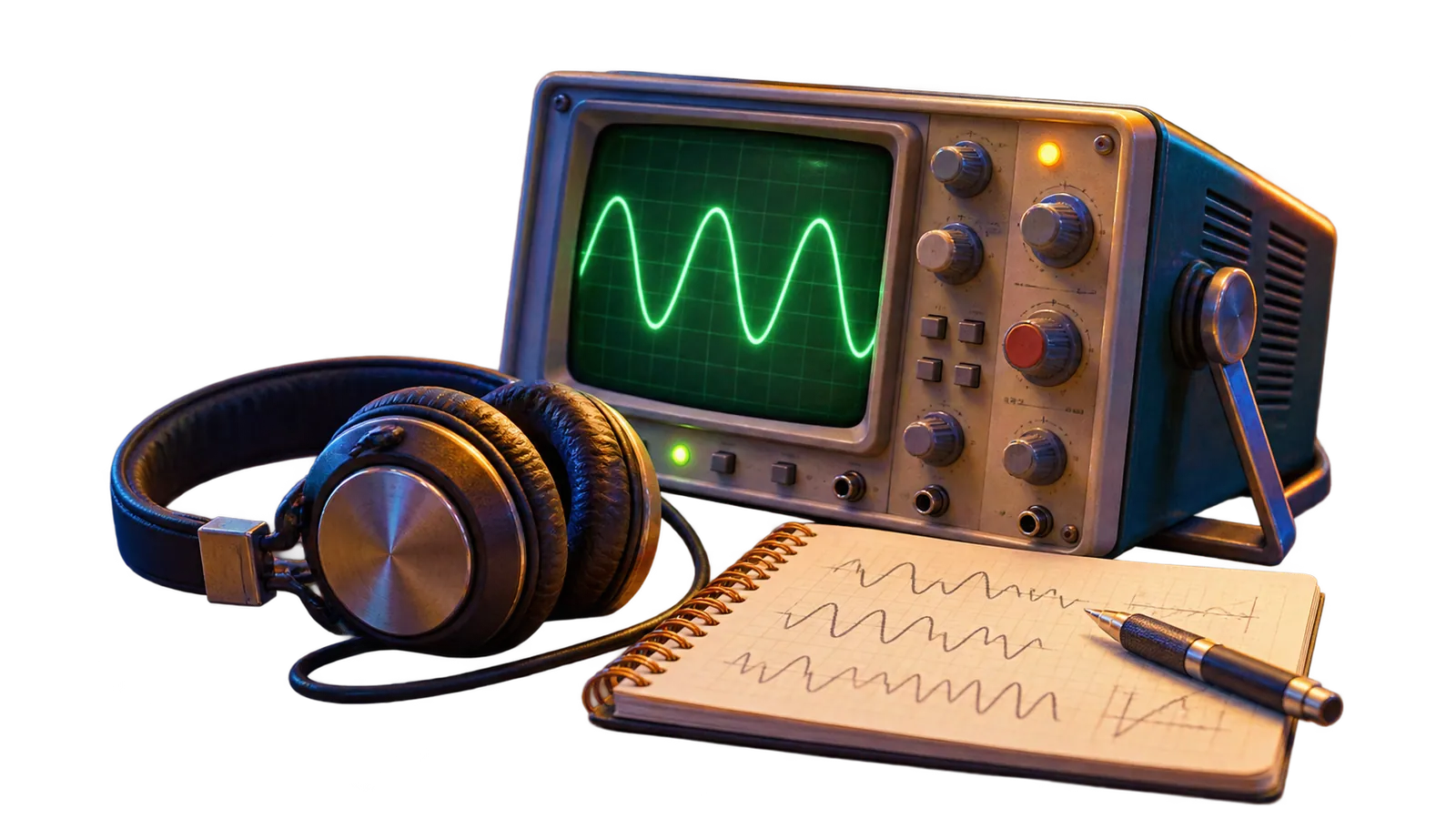
Many learners blame difficult vocabulary when they cannot understand spoken English. However, research by Field suggests otherwise. In 2008, he played recordings to intermediate learners with different first languages, stopped the audio from time to time, and asked them to write down the last few words.
The learners recognized function words such as prepositions and articles significantly less accurately than content words such as nouns and verbs. This was true regardless of their first language or level. This is probably not a lack of knowledge.
Learners may focus on content words, and the sounds are hard to catch. In connected speech, function words become weak and short and often join nearby words. As a result, "a cup of tea" may sound like one long word.
125 words ・ CEFR B1
和訳を見る
多くの学習者は、話された英語が理解できないと、難しい語彙のせいにします。しかし、フィールドの研究は別の見方を示しています。2008年、彼は母語の異なる中級学習者に録音を聞かせ、ときどき音声を止めて、直前の数語を書き取らせました。
学習者は、前置詞や冠詞などの機能語を、名詞や動詞などの内容語よりも有意に不正確にしか認識できませんでした。これは母語や英語レベルに関係なく当てはまりました。これはおそらく知識不足のせいではありません。学習者が内容語のほうに注意を向けているのかもしれません。
また、機能語の音そのものも聞き取りにくいのです。つながった話し言葉では、機能語は弱く短くなり、近くの単語とくっつくことが多いのです。その結果、「a cup of tea」は1つの長い単語のように聞こえることがあります。
4択リーディングクイズ
Q1. What did Field ask the learners to do in his study?
stopped the audio from time to time, and asked them to write down the last few words とあるので C。
Q2. Which statement is true according to the passage?
This was true regardless of their first language or level とあるので D。
Q3. What can we infer from the example "a cup of tea"?
機能語が周りの語とくっつき1語のように聞こえる例なので、単語の切れ目が聞き取りにくくなると推測できる。正解は A。
Learners who check a transcript after a listening task are often surprised by how simple the sentences were. Research by Field helps explain why. In a 2008 study, intermediate learners from various language backgrounds listened to recordings that were paused from time to time and wrote down the words they had just heard.
Their recognition of function words, such as prepositions, articles and auxiliaries, was significantly lower than that of content words, and this gap was consistent across first languages and proficiency levels. Since these are among the most frequent words in English, the problem is probably not a lack of knowledge. Field suggests it may reflect how learners distribute their attention, and weak sounds are hard to catch.
In connected speech, function words appear in weak forms: "can" shrinks to a short, unclear syllable, and "and" may be reduced to a single nasal sound. According to Cutler and Norris, native listeners treat strong syllables as cues for where words begin. Learners who rely only on content words, however, risk missing tense, negation and number. A limitation is that frequency, length and acoustic prominence overlap, making it hard to isolate the effect of word type alone.
196 words ・ CEFR B2
和訳を見る
リスニング課題のあとでスクリプトを確認した学習者は、文があまりに簡単だったことに驚くことがよくあります。フィールドの研究は、その理由を説明する手がかりになります。2008年の研究では、さまざまな母語をもつ中級学習者が、ところどころで一時停止される録音を聞き、直前に聞いた単語を書き取りました。前置詞・冠詞・助動詞などの機能語の認識は、内容語の認識より有意に低く、この差は母語や熟達度にかかわらず一貫していました。
これらは英語で最も頻度の高い語に含まれるので、問題はおそらく知識不足ではありません。フィールドは、学習者の注意の配り方を反映しているのかもしれないと述べています。弱い音そのものも聞き取りにくいのです。
つながった話し言葉では、機能語は弱形で現れます。「can」は短くあいまいな音節に縮み、「and」は1つの鼻音にまで弱まることがあります。カトラーとノリスによれば、母語話者は強い音節を単語の始まりの手がかりとして使っています。しかし内容語だけに頼る学習者は、時制・否定・数を取りこぼす危険があります。限界としては、頻度・長さ・音響的な目立ちやすさが重なり合っているため、単語の種類だけの効果を切り分けるのが難しいという点があります。
4択リーディングクイズ
Q1. What is the main point of the passage?
よく知っている機能語が弱形のために知覚されにくい、というのが全体の主旨なので A。
Q2. According to the passage, how do native listeners find where words begin?
native listeners treat strong syllables as cues for where words begin とあるので C。
Q3. Why does the author say the problem is probably not a lack of knowledge?
直前に these are among the most frequent words in English とあり、知らないはずがない語なので、原因は知識不足ではない、という論理。正解は D。
重要単語
- function wordB2名詞(句)機能語(前置詞・冠詞・助動詞など)Function words are often weak in natural speech.
 文法的な「つなぎ」の役割をもつ語。to, of, a, the, can, and など。数は少ないが出現頻度は圧倒的に高い。
 - content wordB2名詞(句)内容語(名詞・動詞・形容詞など)Content words carry most of the meaning. 意味の中心を担う語で、ふつう強く読まれる。function word と対で覚える。
- weak formC1名詞(句)弱形(弱く発音された形)The weak form of "to" sounds like "tuh." 反対は strong form(強形)。辞書の発音記号欄に2つ載っている語は弱形をもつ。can の弱形 /kən/、and の弱形 /ən/ /n/ など。
- connected speechC1名詞(句)つながった話し言葉Words blend together in connected speech. 単語を1つずつ区切らない自然な発話。連結(linking)・脱落・同化などの音変化が起きる。
- segmentationC1名詞(音声の)区切り、分節Segmentation is hard when words run together. segment「区切り・部分」から。リスニング研究では「音の流れを単語に切り分けること」を指す。
- prepositionB1名詞前置詞"Of" and "to" are common prepositions. pre-(前に)+ position(置く)=名詞の前に置く語。article(冠詞)、auxiliary(助動詞)も文法用語としてセットで。
- transcriptB2名詞スクリプト、文字起こしCheck the transcript after you listen. trans-(移す)+ script(書く)。音声を文字に移したもの。日本で言う「スクリプト」は英語では transcript が自然。
 入試に出る順の単語帳を印刷する →
 全5903語の「科学英単語カード」で復習する →
 この話題を TED で聞く
同じテーマの TED・TED-Ed を、 TED HACK で。英語の見どころ・使える表現・学習ミッションつきの日本語ガイドです。(運営:原田英語)

このネタ、誰かに教えたくなった?
英語のリスニングで聞き落としやすいのは、名詞や動詞より「to」「of」「a」みたいな中学レベルの小さな単語だったらしい。しかも母語や英語レベルが違ってもほぼ同じ傾向。知ってる単語でも聞こえにくい。
押すと「マジかリスト」に保存されます
 出典・参考文献(3件)タップで表示
- Field (2008) Bricks or mortar: Which parts of the input does a second language listener rely on? TESOL Quarterlydoi.org
- Field (2003) Promoting perception: lexical segmentation in L2 listening. ELT Journaldoi.org
- Cutler & Norris (1988) The role of strong syllables in segmentation for lexical access, Journal of Experimental Psychology: Human Perception and Performancedoi.org

※本記事は上記の研究・公開資料をもとに、原田英語が独自の言葉で解説したものです。引用は著作権法第32条の範囲で行い、出典を明記しています。画像はすべてオリジナルのイメージです。研究結果には限界や個人差があります。誤りのご指摘は原田英語のお問い合わせフォームから。

別館
マジか!?ことばで読む、ことばの雑学
英語と日本語の「えっ、マジか!?」を辞書と論文でウラ取りする別館