

 体と健康・食ビミョー
「16時間断食」は普通のダイエットよりやせる? 比べた実験の答えは"ほぼ同じ"だった
 2026.10.02
 English Corner(A2〜B2・4択クイズ)
 読む前に予想してみよう!
16時間断食は、同じカロリーを食べても、普通の食べ方より大幅にやせることが確かめられている
カロリーをそろえて比べた1年間の試験では、体重の減り方に統計的な差はなかった。
 研究カード(どんな研究?)
- 対象
- 肥満・過体重の成人
- 規模
- 139人(1年)+116人(12週)
- 研究の種類
- ランダム化比較試験
- 確かさ
- ★★★★☆
食べる時間を8時間に限る「16時間断食」。中国の1年間の試験では、カロリー制限だけの場合と体重の減り方に統計的な差はなく、米国の試験でも効果は不明瞭だった。
ひとことで言うと「いつ食べるか」より「どれだけ食べるか」が、やっぱり大事みたい!
「16時間何も食べなければ、好きなものを食べてもやせる」。そんなうたい文句で人気になった16時間断食。1日のうち食べる時間を8時間に限り、残りの16時間は食べない、という方法です。
専門的には「時間制限食」と呼ばれ、動物実験では体に良い変化が報告されてきました。
では人間では、普通のダイエットより本当によくやせるのでしょうか。参加者をくじ引きのように無作為にグループ分けして比べるランダム化比較試験の結果を見てみましょう。
011年間の試験:同じカロリー制限に、時間制限を足すと?
1年後の体重の減り方は、
- 時間制限+カロリー制限:平均−8.0kg
- カロリー制限だけ:平均−6.3kg
時間制限の方が少し多く減ったように見えますが、この差(約1.8kg)は統計的に意味のある差ではありませんでした。おなかまわりや体脂肪、血圧などでも、はっきりした違いは出ませんでした。
2つのグループに共通していたのはカロリー制限です。つまり、体重が減った主な理由は「カロリーを減らしたこと」と考えられます。「食べる時間を区切ったこと」による上乗せの効果は、確認できなかったのです。
0212週間の試験:食べる時間を区切っても体重の差はほぼゼロ
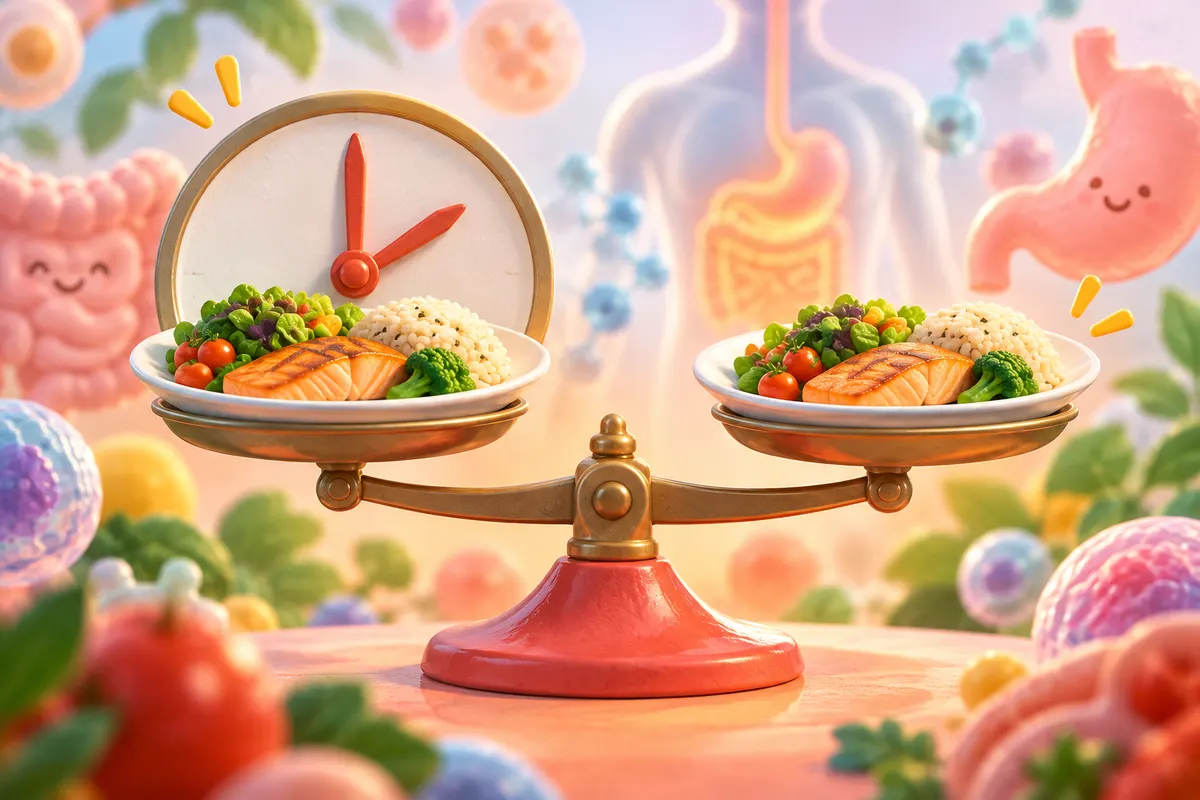
アメリカでも2020年、過体重・肥満の成人116人を対象にした試験が行われました。
片方のグループは昼12時〜夜8時の間だけ自由に食べる(16時間断食)、もう片方は1日3食を決まった時間に食べるというルールで12週間過ごしました。こちらは、カロリーの制限はしていません。
その結果、体重は16時間断食のグループで平均−0.94kg、3食のグループで平均−0.68kg。差はほとんどありませんでした。
さらに、一部の参加者(50人)は、体の中身(脂肪と筋肉など)も詳しく測りました。すると16時間断食のグループのほうが、手足の筋肉などの「除脂肪量」が多く減っていたのです。体重が減っても、減ってほしくない筋肉が減ってしまう可能性があるのです。
03じゃあ16時間断食は意味がない?
そうとも言い切れません。これまでの研究をまとめた2019年の論文(総説)では、断食によって体のエネルギー源が糖から脂肪に切り替わる「代謝スイッチ」などの仕組みが紹介され、動物では健康や寿命への良い影響が多く報告されています。
また、「夜遅くに食べない」「間食が減る」など、結果的に食べる量が減りやすい人にとっては、続けやすいダイエット法の一つになるかもしれません。
大事なのは、16時間断食が「特別にやせる魔法」ではないと知っておくことです。
04まとめ
16時間断食には、カロリーをそろえて比べると上乗せの効果は確認できなかった、というのが今の研究から言えることでした。「いつ食べるか」より「どれだけ食べるか」の方が、体重には効いているようです。
流行のダイエット法を試すときは、「何と比べて、どれくらい効いたのか」を確かめるクセをつけておくと安心です。
この研究を英語で読もう原田英語の English CornerSixteen-hour fasting, also called time-restricted eating, means eating only during an eight-hour window… 音声
音声 4択クイズ9問A2・B1・B2タップして開く
原田英語の English Corner
この研究を英語で読もう
Some people try "16-hour fasting." They eat only during eight hours a day and eat nothing for the other 16 hours. Does it help people lose more weight?
In China, 139 people tried two diets for one year. Both groups ate fewer calories, but one also ate only between 8 a.m. and 4 p.m. After a year, this group lost slightly more weight, but the difference was too small to be clear. Eating less was probably the key.
78 words ・ CEFR A2
和訳を見る
「16時間断食」を試す人がいます。1日のうち8時間だけ食べ、残りの16時間は何も食べません。これで体重はより減るのでしょうか。中国で、139人が1年間、2つのダイエットを試しました。
どちらのグループも食べるカロリーを減らしましたが、片方のグループはさらに朝8時から夕方4時の間だけ食べました。1年後、このグループは少し多く体重が減りましたが、その差は小さすぎてはっきりしませんでした。大事なのは、おそらく食べる量を減らすことでした。
4択リーディングクイズ
Q1. What is the passage mainly about?
第3文 Does it help people lose more weight? が問いで、その答えを試験で確かめる話なので B。
Q2. How long did the study in China last?
139 people tried two diets for one year とあるので C。8や16は食べる・食べない時間の数字。
Q3. In this passage, "fasting" means ...
第2文で eat nothing for the other 16 hours と説明されているので、fasting は「一定時間食べないこと」。正解は A。
Sixteen-hour fasting, also called time-restricted eating, means eating only during an eight-hour window each day. But does it work better than an ordinary diet? In a one-year trial in China, 139 adults with obesity were divided into two groups. Both groups reduced their calories in the same way, but one group also ate only between 8 a.m. and 4 p.m. The time-restricted group lost 8.0 kg on average, while the other group lost 6.3 kg.
However, this difference was not statistically significant. In a 12-week US trial of 116 adults, those who ate only from noon to 8 p.m. lost almost the same weight as those who ate three regular meals. So how much you eat seems to matter more than when you eat.
124 words ・ CEFR B1
和訳を見る
16時間断食は「時間制限食」とも呼ばれ、毎日8時間の枠の中だけで食べる方法です。では、ふつうのダイエットよりよく効くのでしょうか。中国で行われた1年間の試験では、肥満の成人139人が2つのグループに分けられました。どちらのグループも同じようにカロリーを減らしましたが、片方はさらに朝8時から夕方4時の間だけ食べました。時間制限をしたグループは平均8.0kg、もう一方のグループは6.3kg体重が減りました。
しかし、この差は統計的に有意ではありませんでした。米国で成人116人を対象にした12週間の試験でも、昼12時から夜8時の間だけ食べた人は、1日3食を規則正しく食べた人とほぼ同じだけしか体重が減りませんでした。つまり、「いつ食べるか」より「どれだけ食べるか」のほうが大事なようです。
4択リーディングクイズ
Q1. What is the main point of the passage?
2つの試験とも時間制限による上乗せ効果ははっきりせず、最終文で how much you eat seems to matter more とまとめているので D。
Q2. What did both groups in the Chinese trial do?
Both groups reduced their calories in the same way とあるので A。8時間に限ったのは片方のグループだけ。
Q3. What does "not statistically significant" suggest about the difference between 8.0 kg and 6.3 kg?
「統計的に有意でない」とは、その差が偶然でも起こりうる程度だという意味なので C。
Time-restricted eating, popularly known as 16-hour fasting, has been promoted as a way to lose weight without strict dieting. To test whether the timing of meals adds any benefit, researchers in China randomly assigned 139 adults with obesity to calorie restriction alone or to the same calorie restriction combined with an eight-hour eating window. After twelve months, the time-restricted group had lost 8.0 kg on average and the control group 6.3 kg, a difference that was not statistically significant. Waist size, body fat and blood pressure did not differ clearly either.
A 12-week US trial involving 116 participants, in which calories were not restricted, likewise found almost no difference in weight loss, and in a small subgroup, fasting participants lost more lean mass, such as muscle. Both studies have limitations: the Chinese trial may have been too small to detect a modest effect, and the US trial was conducted remotely without directly measuring how much people ate. Animal research suggests that fasting can trigger a "metabolic switch" from sugar to fat, but such findings cannot simply be applied to humans. For now, the evidence suggests that how much people eat matters more than when they eat.
196 words ・ CEFR B2
和訳を見る
時間制限食は一般に「16時間断食」として知られ、厳しい食事制限なしにやせる方法として宣伝されてきました。食事のタイミングに上乗せの効果があるのかを調べるため、中国の研究者たちは肥満の成人139人を、カロリー制限のみのグループと、同じカロリー制限に8時間の食事枠を組み合わせたグループに無作為に割り付けました。12か月後、時間制限グループは平均8.0kg、対照グループは6.3kg体重が減りましたが、その差は統計的に有意ではありませんでした。腹囲、体脂肪、血圧にもはっきりした違いはありませんでした。カロリーを制限しなかった米国の12週間の試験(参加者116人)でも、体重の減り方にほとんど差はなく、一部の参加者を詳しく調べると、断食グループのほうが筋肉などの除脂肪量が多く減っていました。
どちらの研究にも限界があります。中国の試験は小さな効果を検出するには規模が小さすぎた可能性があり、米国の試験は遠隔で行われ、参加者が食べた量を直接測っていませんでした。動物研究では、断食によって体のエネルギー源が糖から脂肪に切り替わる「代謝スイッチ」が起こりうると示されていますが、その結果をそのまま人間に当てはめることはできません。現時点の証拠は、体重には「いつ食べるか」より「どれだけ食べるか」のほうが大事だと示しています。
4択リーディングクイズ
Q1. What was the Chinese trial designed to find out?
To test whether the timing of meals adds any benefit とあり、両群のカロリー制限をそろえたうえで時間制限の上乗せ効果を見た試験なので B。
Q2. Which is mentioned as a limitation of the US trial?
the US trial was conducted remotely without directly measuring how much people ate とあるので D。A・B・C はいずれも本文と合わない。
Q3. Why does the author mention the "metabolic switch" found in animals?
直後に but such findings cannot simply be applied to humans と続き、動物の結果を人に当てはめることへの注意を促しているので A。
重要単語
- fastingB2名詞断食Intermittent fasting has become very popular.
 fast(断食する)の名詞形。breakfast は「断食(fast)を破る(break)」が語源。
 - time-restricted eatingC1名詞(句)時間制限食Time-restricted eating limits when you eat, not what you eat. restrict(制限する)の過去分詞+eating。略して TRE と書かれることも多い。
- calorie restrictionB2名詞(句)カロリー制限Calorie restriction is a common weight-loss method. restriction は restrict の名詞形。cut calories / reduce calories も同じ意味で使える。
- lean massC1名詞(句)除脂肪量(筋肉など)Losing lean mass is not a good sign. lean は「脂肪の少ない、やせた」。lean meat(赤身の肉)でも使う。
- randomizedC1形容詞無作為に割り付けたIt was a randomized clinical trial. random(無作為の)+-ize(~化する)。randomized controlled trial(RCT)は信頼度の高い研究デザインの代表。
- significantB2形容詞(統計的に)有意な、重要なThe difference was not statistically significant. statistically significant=偶然とは言いにくい差。日常では「かなりの、重要な」の意味で入試頻出。
 入試に出る順の単語帳を印刷する →
 全5903語の「科学英単語カード」で復習する →
 動画でもっと知る
動画は各チャンネルの公式埋め込みで表示しています(YouTube)。
この話題を TED で聞く
同じテーマの TED・TED-Ed を、 TED HACK で。英語の見どころ・使える表現・学習ミッションつきの日本語ガイドです。(運営:原田英語)
 公式・一次情報をチェック
このネタ、誰かに教えたくなった?
流行りの「16時間断食」。中国の肥満の人139人を1年追った試験では、同じカロリー制限をした場合、食べる時間を8時間に区切っても体重の減り方にはっきりした差はなかったらしい。米国の試験でも効果ははっきりせず。
押すと「マジかリスト」に保存されます
 出典・参考文献(3件)タップで表示
- Liu D et al. (2022) Calorie Restriction with or without Time-Restricted Eating in Weight Loss, New England Journal of Medicinedoi.org
- Lowe DA et al. (2020) Effects of Time-Restricted Eating on Weight Loss and Other Metabolic Parameters in Women and Men With Overweight and Obesity: The TREAT Randomized Clinical Trial, JAMA Internal Medicinedoi.org
- de Cabo R, Mattson MP (2019) Effects of Intermittent Fasting on Health, Aging, and Disease, New England Journal of Medicinedoi.org

※本記事は上記の研究・公開資料をもとに、原田英語が独自の言葉で解説したものです。引用は著作権法第32条の範囲で行い、出典を明記しています。画像はすべてオリジナルのイメージです。研究結果には限界や個人差があります。誤りのご指摘は原田英語のお問い合わせフォームから。
 これも「マジか!?」
 体・健康
体・健康
【2年間の実験】ゼロカロリー飲料でも「水と同じくらい」やせた。ただし資金は飲料業界

 体・健康
体・健康
「朝ごはんを抜くと太る」は本当? くじ引きで組を分けた実験をまとめたら、むしろ逆の傾向
 体・健康
体・健康
WHOが「やせる目的で人工甘味料は使わないで」と勧告。でも「毒だから」という意味ではなかった

 体・健康
体・健康
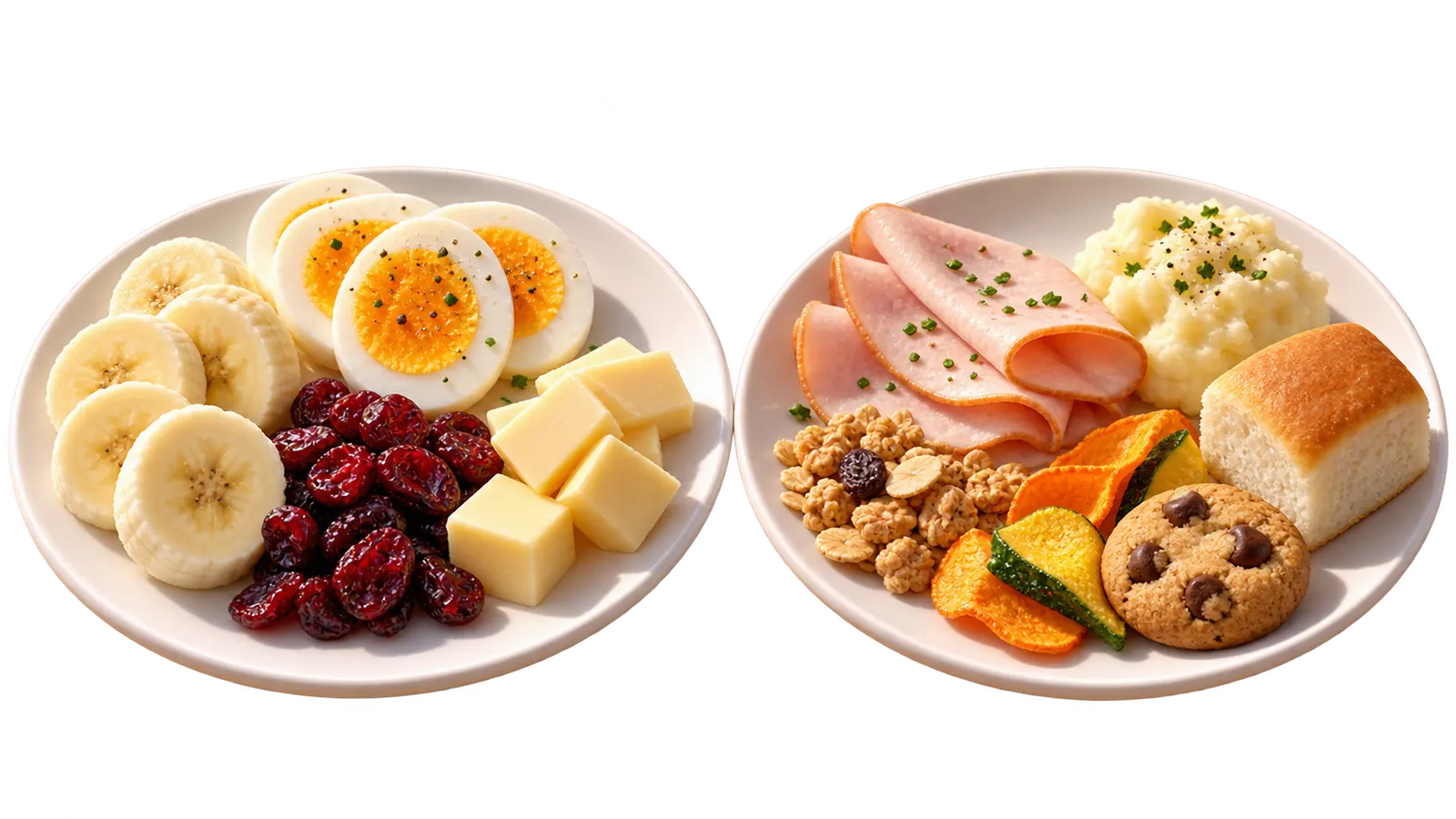
カロリーも栄養もそろえた2つの朝食。ゆで卵やバナナより、超加工食品のほうがインスリンが多く出た

 体・健康
体・健康
同じパンでも、1人より恋人と一緒に食べたほうが血糖値の上がり方が小さかった。若い108人の実験

 体・健康
体・健康