
 テクノロジー・未来
スマホの電池を早くヘタらせる犯人は「100%のまま」と「熱」だった
 2026.10.02
 English Corner(A2〜B2・4択クイズ)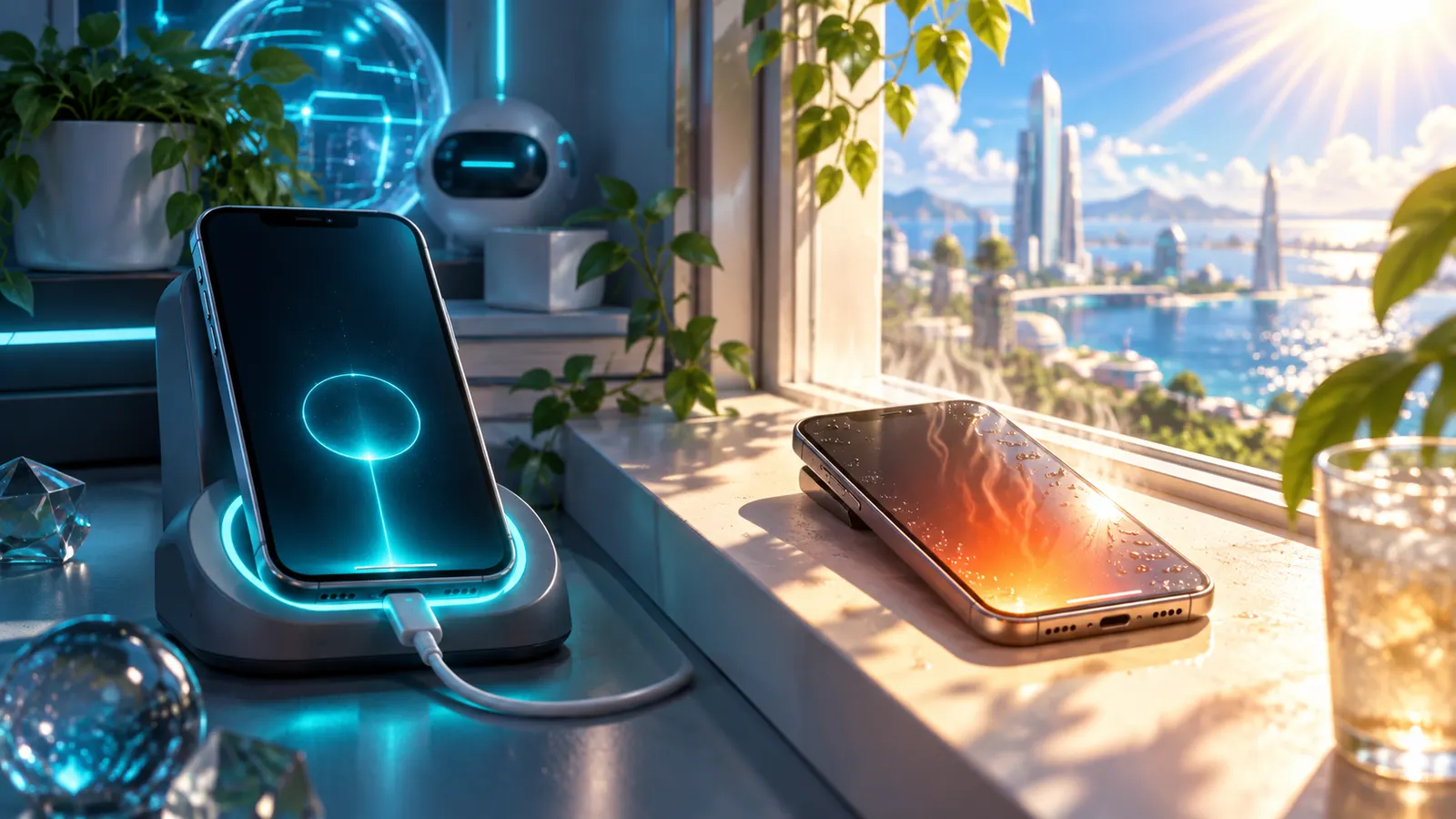
 読む前に予想してみよう!
リチウムイオン電池は、0%まで使い切ってから充電した方が長持ちする
それは昔のニッケル系電池の「メモリー効果」の話。リチウムイオン電池は、満タンから空近くまでの深い充放電をくり返す方が劣化しやすい。
 研究カード(どんな研究?)
- 対象
- リチウムイオン電池のセル
- 規模
- 実験室の加速劣化試験(多数のセル・条件)
- 研究の種類
- 実験研究・レビュー
- 確かさ
- ★★★★☆
リチウムイオン電池の劣化を早めるのは、満充電のまま長時間置くこと、高温、0%近くまで使い切る深い充放電のくり返し。「使い切ってから充電」は昔の電池の話。
ひとことで言うとスマホの電池は「熱い」と「満タンのまま」が苦手!
買ったばかりの頃は1日もったのに、2年たったら夕方には電池切れ……。スマホあるあるですよね。
電池がヘタる(劣化する)のはある程度仕方ありません。でも実は、毎日の充電のクセで、その速さはけっこう変わるのです。
しかも、よく言われる「電池は使い切ってから充電しよう」は、今のスマホにはむしろ逆効果。その理由を、電池の中で起きていることから見ていきましょう。
01スマホの電池は「リチウムの行ったり来たり」
スマホに入っているのはリチウムイオン電池。2019年に、この電池の開発に貢献した吉野彰さんら3人がノーベル化学賞を受賞しました。
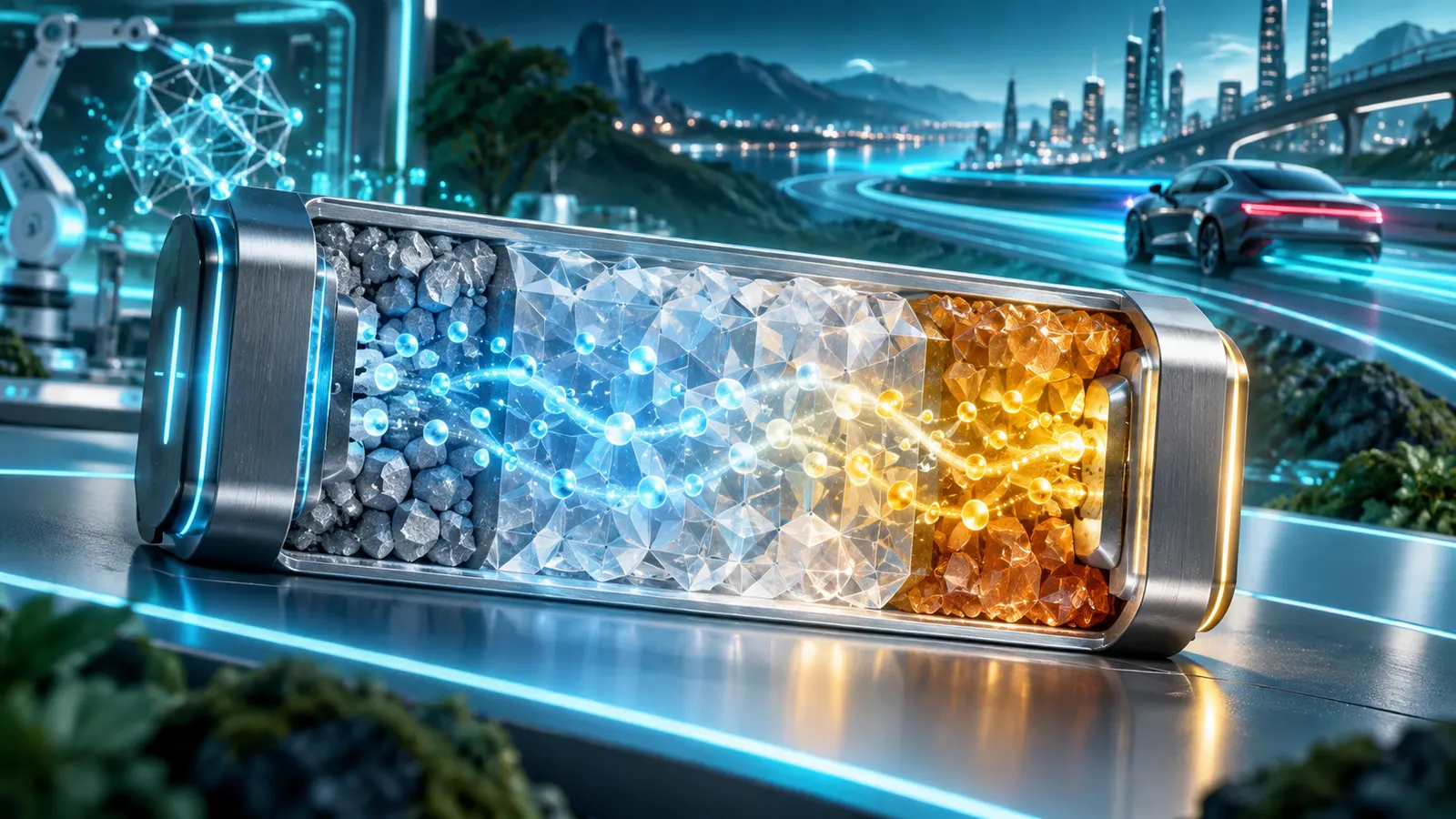
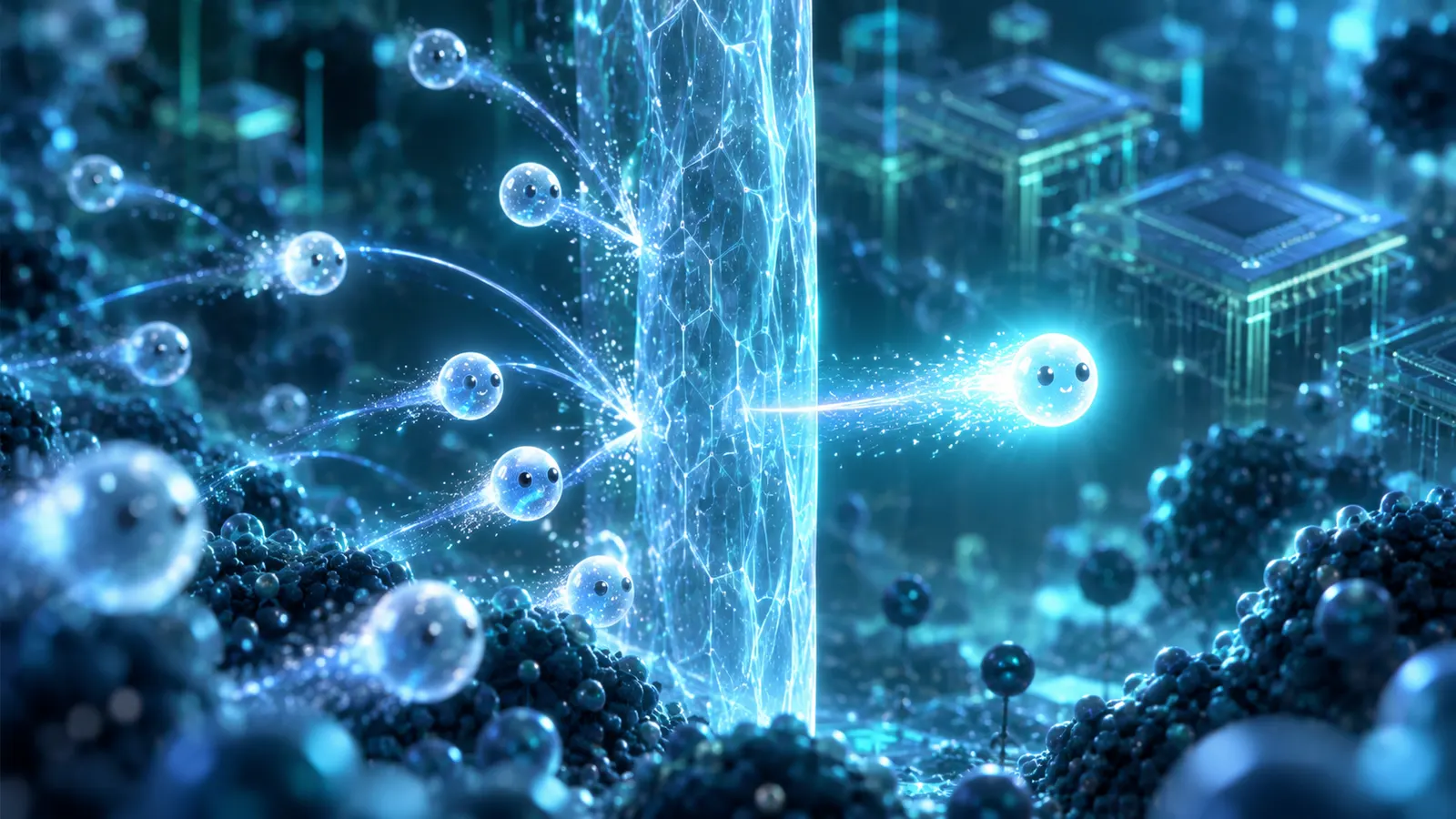
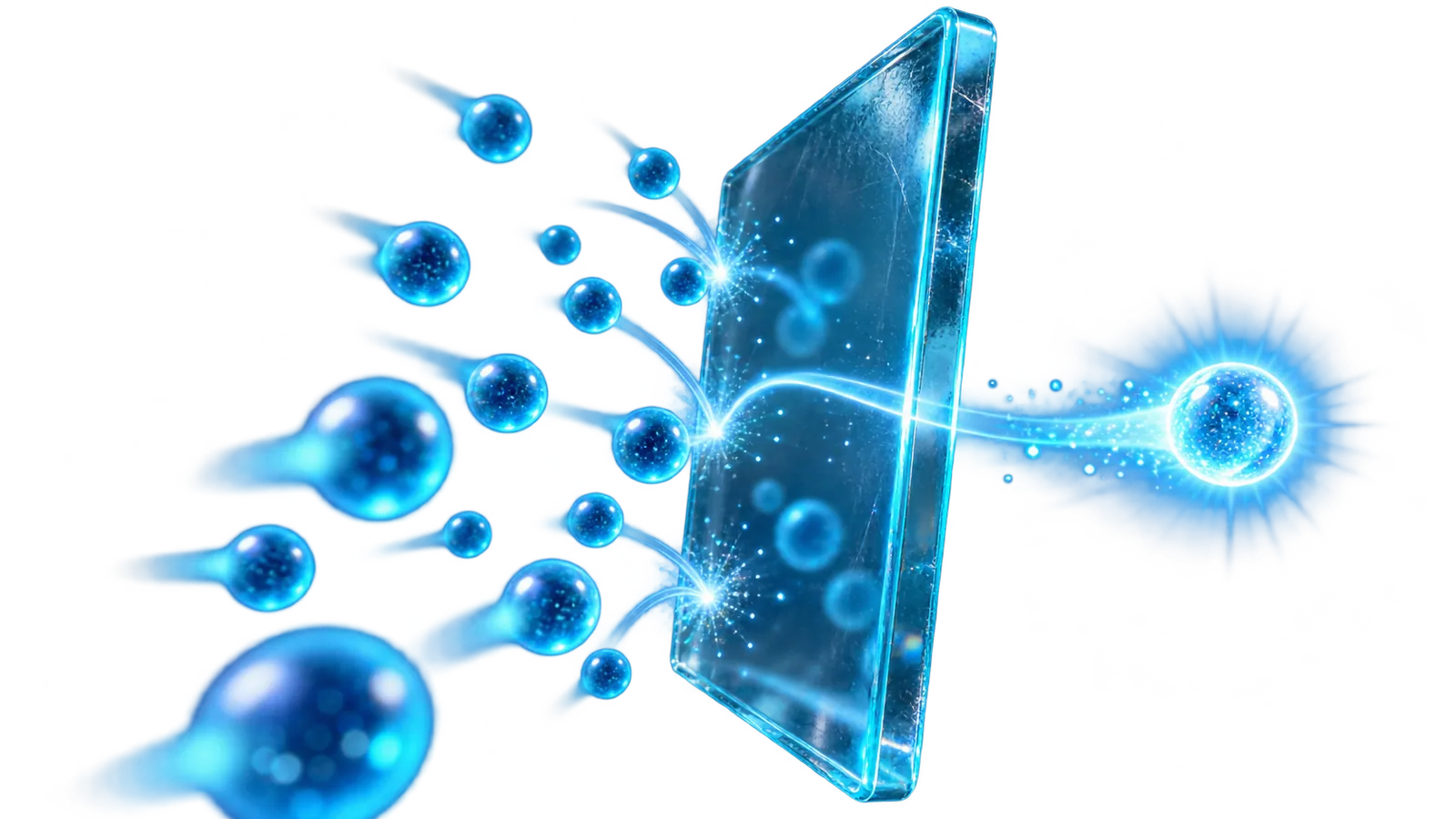
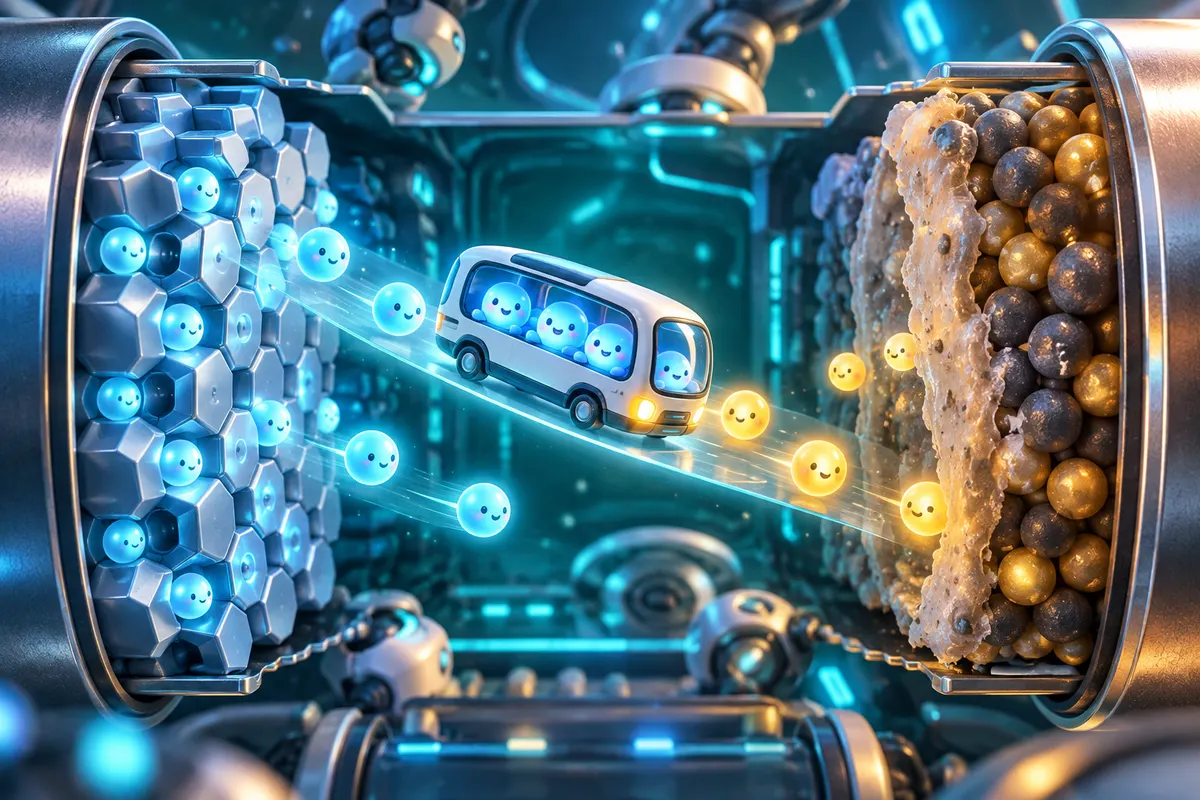
仕組みはシンプルで、充電するとリチウムイオンがプラス極からマイナス極へ移動し、使うと逆戻りします。電池の中のシャトルバスが、乗客(リチウムイオン)を行ったり来たり運んでいるイメージです。
劣化とは、このシャトルバスが運べる乗客の数が少しずつ減っていくこと。電極の表面にできる余計な膜が厚くなったり、電極の材料にヒビが入ったりするのが原因です。
02電池が苦手な3つのこと
まとめると、苦手なのはこの3つです。
- 熱:高温は電池の中の“望まない化学反応”を加速させます。夏の車内やダッシュボード、充電しながらの重いゲームは要注意
- 100%のまま長時間:満タンに近い状態では、電池の中で劣化を進める反応が起きやすくなります。一晩中100%で置かれ続けると、じわじわ負担がたまります
- 0%まで使い切る:満タンから空っぽ近くまでの“深い”充放電をくり返すと、浅い充放電より劣化が早く進むことが実験で示されています(Gao ら, 2018)。電源が落ちるまで使い、空のまま放っておく習慣はおすすめできません
さらに、寒いときの急速充電も、電極の表面にリチウムが金属として付着しやすくなり、劣化の原因になるといわれます。
03今日からできる「電池にやさしい」習慣
とはいえ、神経質になりすぎる必要はありません。今のスマホは電池を守る制御が組み込まれています。「熱くしない・満タン放置を減らす」の2つを意識するだけで十分です。
04まとめ
スマホの電池を早く弱らせるのは、熱・100%のまま・0%まで使い切りの3つ。「使い切ってから充電」は昔の電池の常識でした。
今夜から、充電器に挿す前にちょっとだけ「熱くない?」と気にしてみてください。電池は静かに長生きしてくれるはずです。
この研究を英語で読もう原田英語の English CornerIt is normal for a smartphone battery to lose power over time, but your daily charging habits can affect… 音声
音声 4択クイズ9問A2・B1・B2タップして開く
原田英語の English Corner
この研究を英語で読もう
Your phone battery gets weaker over time. But your charging habits can change how fast this happens. Phone batteries do not like three things. They are heat, staying at 100% for a long time, and going down to 0%.
Some people say you should use all the power before charging. That idea is for old batteries, not for today's phones. Try not to let your phone get hot.
68 words ・ CEFR A2
和訳を見る
携帯電話の電池は時間とともに弱くなります。でも、充電の習慣によって、その速さは変わります。携帯電話の電池が苦手なものは3つあります。熱、長い間100%のままでいること、そして0%まで減ることです。
充電する前に電気を全部使い切るべきだと言う人もいます。その考えは古い電池のためのもので、今日の携帯電話には当てはまりません。携帯電話を熱くしないようにしましょう。
4択リーディングクイズ
Q1. What is the passage mainly about?
電池を早く弱らせる習慣とその対策が主題なので B。
Q2. Which is NOT one of the three things phone batteries do not like?
苦手なのは熱・100%のまま・0%まで減ること。少しずつの充電は苦手なものとして挙げられていないので D。
Q3. In this passage, "habits" means ...
habit は「習慣・くせ」。いつもしていること、なので A。
It is normal for a smartphone battery to lose power over time, but your daily charging habits can affect how quickly this happens. Phones use lithium-ion batteries, in which lithium ions move back and forth between two electrodes. As a battery ages, it can carry fewer ions. Research has shown that this damage happens faster at high temperatures and when the battery stays nearly full.
Running the battery from full to empty again and again also wears it out faster. The old advice to use up the battery before charging comes from the "memory effect" of older nickel batteries, so it does not apply to modern phones. Experts suggest keeping the charge roughly between 20% and 80% and turning on "optimized charging" features.
123 words ・ CEFR B1
和訳を見る
スマートフォンの電池が時間とともに弱くなるのは普通のことですが、毎日の充電習慣によって、それが起こる速さが変わることがあります。携帯電話はリチウムイオン電池を使っており、その中ではリチウムイオンが2つの電極の間を行ったり来たりしています。電池が古くなるにつれ、運べるイオンが少なくなります。研究によると、この劣化は高温のときや、電池がほぼ満タンのままのときに速く進みます。
満タンから空っぽまでの充放電をくり返すことも、電池の劣化を早めます。充電する前に電池を使い切るという昔のアドバイスは、古いニッケル電池の「メモリー効果」から来たものなので、現代の携帯電話には当てはまりません。専門家は、充電をおおよそ20%から80%の間に保ち、「最適化充電」の機能をオンにすることを勧めています。
4択リーディングクイズ
Q1. What happens inside a lithium-ion battery?
lithium ions move back and forth between two electrodes とあるので B。
Q2. Where does the old advice to use up the battery before charging come from?
comes from the "memory effect" of older nickel batteries とあるので A。
Q3. Which habit would be best for a phone battery, according to the passage?
20〜80%を保ち、高温を避けることが勧められているので C。
Although some loss of battery capacity is inevitable, the speed of that decline depends heavily on how a phone is charged. Lithium-ion batteries, whose development earned three researchers including Akira Yoshino the 2019 Nobel Prize in Chemistry, work by shuttling lithium ions between electrodes. Over time, side reactions thicken a film on the electrode surface and electrode materials can crack, reducing the number of ions the battery can carry. A 2005 review by Vetter and colleagues identified such reactions as major causes of capacity loss and noted that they proceed faster at high temperatures and high states of charge, a conclusion supported by later research.
Deep full-to-empty cycles also cause faster wear, and fast charging in cold conditions can cause metallic lithium to build up on the electrode. Popular advice to run batteries down before recharging is outdated, as it derives from the memory effect of nickel-cadmium cells. A common guideline is to keep the charge roughly between 20% and 80%, although the ideal range varies with the battery chemistry and manufacturer settings. Since modern phones already include protective controls, users need not be obsessive; avoiding heat and long periods at full charge is largely sufficient.
196 words ・ CEFR B2
和訳を見る
電池容量のある程度の低下は避けられませんが、その低下の速さは携帯電話の充電の仕方に大きく左右されます。リチウムイオン電池は、その開発によって吉野彰を含む3人の研究者に2019年のノーベル化学賞をもたらしたもので、電極の間でリチウムイオンを往復させることで動きます。時間がたつと、副反応によって電極表面の膜が厚くなり、電極の材料にひびが入ることもあり、電池が運べるイオンの数が減っていきます。Vetterらによる2005年のレビューは、こうした反応を容量低下の主な原因と特定し、それらが高温や高い充電状態でより速く進むと指摘しました。この結論はその後の研究でも支持されています。満タンから空っぽまでの深い充放電も劣化を早め、寒い状況での急速充電は電極に金属リチウムがたまる原因になりえます。
再充電の前に電池を使い切るという広く知られたアドバイスは時代遅れです。それはニッケル・カドミウム電池のメモリー効果に由来するからです。よくある目安は充電をおおよそ20%から80%の間に保つことですが、理想的な範囲は電池の化学的な種類やメーカーの設定によって異なります。現代の携帯電話にはすでに保護の制御が組み込まれているので、利用者は神経質になる必要はありません。熱と長時間の満充電を避けるだけで、ほぼ十分です。
4択リーディングクイズ
Q1. According to the 2005 review, under what conditions do harmful side reactions proceed faster?
they proceed faster at high temperatures and high states of charge とあるので C。
Q2. Why does the author describe the advice to run batteries down as "outdated"?
as it derives from the memory effect of nickel-cadmium cells とあるので A。
Q3. What is the author's overall advice?
最終文 users need not be obsessive; avoiding heat and long periods at full charge is largely sufficient とあるので D。
重要単語
- lithium-ion batteryB2名詞(句)リチウムイオン電池Most phones use a lithium-ion battery.
 ion は「イオン(電気を帯びた粒子)」。発音は /ˈaɪən/(アイオン)。
 - degradeC1動詞劣化するBatteries degrade faster in hot places. de-(下へ)+grade(段階)。名詞 degradation。environmental degradation「環境悪化」も頻出。
- capacityB2名詞容量The battery's capacity drops over time. 「収容能力・能力」全般に使う。capacity for ~「~する能力」。capable(できる)と同語源。
- state of chargeC1名詞(句)充電状態(残量の割合)A high state of charge stresses the battery. 略して SOC。charge は「充電・料金・責任」など多義語なので文脈で判断する。
- memory effectC1名詞(句)メモリー効果The memory effect is a problem of old nickel batteries. 継ぎ足し充電で使える容量が減ったように見える現象。リチウムイオン電池ではほぼ問題にならない。
- inevitableC1形容詞避けられないSome loss of battery capacity is inevitable. in-(否定)+evitable(避けられる)。It is inevitable that ~ の構文で頻出。
- outdatedB2形容詞時代遅れのThat charging advice is outdated. out of date と同じ意味。up-to-date(最新の)が反対。
 入試に出る順の単語帳を印刷する →
 全5903語の「科学英単語カード」で復習する →
 動画でもっと知る
動画は各チャンネルの公式埋め込みで表示しています(YouTube)。
この話題を TED で聞く
同じテーマの TED・TED-Ed を、 TED HACK で。英語の見どころ・使える表現・学習ミッションつきの日本語ガイドです。(運営:原田英語)


 公式・一次情報をチェック
このネタ、誰かに教えたくなった?
「スマホは電池を使い切ってから充電した方がいい」は昔の電池の話だった。今のリチウムイオン電池が苦手なのは、100%のまま放置・熱・0%まで使い切ること。充電のクセ、見直したほうがいいかも。
押すと「マジかリスト」に保存されます
 出典・参考文献(5件)タップで表示
- The Nobel Prize in Chemistry 2019(NobelPrize.org)nobelprize.org
- Vetter et al. (2005) Ageing mechanisms in lithium-ion batteries, Journal of Power Sourcesdoi.org
- Keil et al. (2016) Calendar Aging of Lithium-Ion Batteries: I. Impact of the Graphite Anode on Capacity Fade, Journal of The Electrochemical Societydoi.org
- Waldmann, Hogg & Wohlfahrt-Mehrens (2018) Li plating as unwanted side reaction in commercial Li-ion cells – A review, Journal of Power Sourcesdoi.org
- Gao et al. (2018) Aging mechanisms under different state-of-charge ranges and the multi-indicators system of state-of-health for lithium-ion battery with Li(NiMnCo)O2 cathode, Journal of Power Sourcesdoi.org

※本記事は上記の研究・公開資料をもとに、原田英語が独自の言葉で解説したものです。引用は著作権法第32条の範囲で行い、出典を明記しています。画像はすべてオリジナルのイメージです。研究結果には限界や個人差があります。誤りのご指摘は原田英語のお問い合わせフォームから。