

 心理学ホント
「みんなもそう思ってる」は思い込み? 看板を背負うか聞くと、引き受けた人も断った人も「自分が多数派」
 2026.10.02
 English Corner(A2〜B2・4択クイズ)
 読む前に予想してみよう!
人は、自分と同じ意見の人の割合を正確に見積もれる
自分の意見や行動を「多数派」と思い込みやすい(フォールス・コンセンサス効果)。
 研究カード(どんな研究?)
- 対象
- 米国の大学生
- 規模
- 約80〜100人規模の実験を複数
- 研究の種類
- 実験+質問紙
- 確かさ
- ★★★★☆
人は「自分と同じ考えの人は多い」と見積もりがち。看板を背負って歩くか聞いた実験では、引き受けた人も断った人も「多くの人が自分と同じ選択をする」と予想した。
ひとことで言うと自分の「ふつう」は、みんなの「ふつう」とは限らない!
「こんなの、みんな知ってるでしょ」「普通こうするよね?」
そう言ったら、相手にきょとんとされた——そんな経験はありませんか?
私たちは、自分の考えや好みを「世の中のふつう」だと思い込みやすいクセを持っています。心理学では、これをフォールス・コンセンサス効果(偽の合意効果)と呼びます。
01「この看板を背負って歩いてくれますか?」
この効果を有名にしたのは、スタンフォード大学のリー・ロスらが1977年に発表した研究です。
しかも、自分と違う選択をした人については「あの人はちょっと変わってる」と、性格のせいにしがちでした。
自分の選択は「ふつう」、違う選択は「その人が特殊」。こうして、自分の考えは多数派だという思い込みが強化されていきます。
02100以上の検証で確認された
この効果はその後、膨大な数の研究で確かめられました。1985年には、115の検証をまとめたメタ分析が行われ、フォールス・コンセンサス効果は安定して見られることが示されています。
対象は、意見や好み、行動など、さまざまな分野。「自分がする(好き)なら、みんなもそうだろう」という見積もりは、分野を問わず現れます。
03SNS時代に強まる"思い込み"
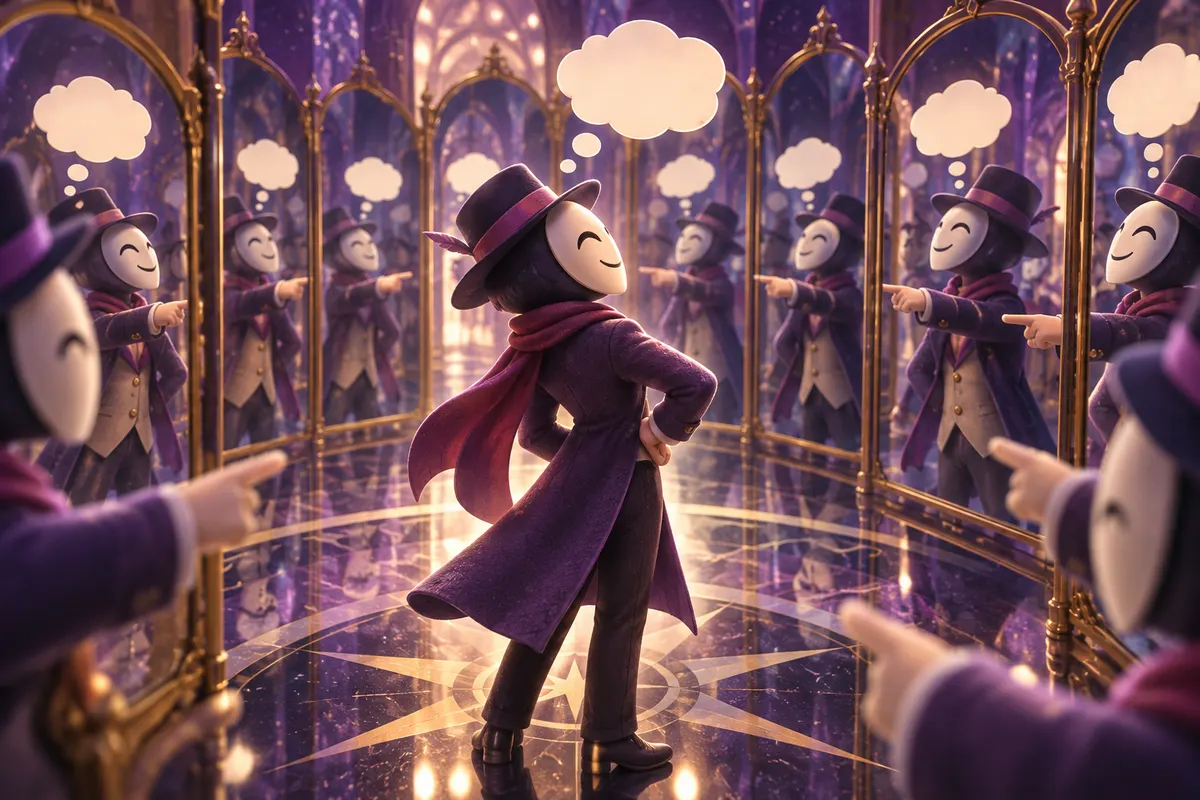
この効果は、SNS時代にはさらにやっかいになりえます。
SNSでは、自分と似た意見の人をフォローし、似た投稿が流れてきやすい。すると「やっぱりみんな同じ意見だ」という感覚が強まります。いわゆるエコーチェンバーです。
選挙の結果やアンケートの結果を見て「えっ、こんなはずじゃ…」と驚くのは、自分の周りの"空気"を世間全体だと思っていたからかもしれません。
04ただし「全部間違い」ではない
一方で、専門家の間では「自分の考えを手がかりに他人を予想するのは、ある程度は合理的」という意見もあります。何も情報がないとき、手元にある唯一のデータは「自分」だからです。
問題は、自分のデータに頼りすぎること。1994年の研究では、人は自分と同じ意見の人の割合を、合理的に考えて説明できる以上に高く見積もっていました。研究者はこれを「本当に偽りの合意」と呼んでいます。しかもこの偏りは、偏りについて説明を受けても、実際の割合を知らされても、なかなか消えなかったのです。
05まとめ
自分の「ふつう」は、たくさんある「ふつう」のひとつにすぎません。
「みんなそう思ってるよ」という言葉が出そうになったら、ちょっと立ち止まって。本当に「みんな」に聞いたことがあるか、自分に問いかけてみましょう。
この研究を英語で読もう原田英語の English CornerWhy do we often assume that others think the same way we do? 音声
音声 4択クイズ9問A2・B1・B2タップして開く
原田英語の English Corner
この研究を英語で読もう
In one study, college students were asked to walk around their campus for 30 minutes wearing a big sign. Some said yes, and some said no.
Then they guessed what other students would do. Students who said yes thought that most others would also say yes. Students who said no thought that most others would say no. People often think that their own choice is the common one.
68 words ・ CEFR A2
和訳を見る
ある研究で、大学生たちは大きな看板を身につけてキャンパスを30分歩くよう頼まれました。引き受けた人もいれば、断った人もいました。
その後、彼らはほかの学生がどうするかを予想しました。引き受けた学生は、ほかのほとんどの人も引き受けるだろうと考えました。断った学生は、ほかのほとんどの人も断るだろうと考えました。人はしばしば、自分の選択がよくある選択だと思うのです。
4択リーディングクイズ
Q1. What is the passage mainly about?
自分の選択を多数派だと思いこむ傾向についての研究なので C。
Q2. What did students who said no think?
Students who said no thought that most others would say no. とあるので A。
Q3. In this passage, "the common one" means the choice that ...
common は「よくある・一般的な」。多くの人がする選択という意味なので D。
Why do we often assume that others think the same way we do? In a 1977 study at Stanford University, Lee Ross and his colleagues asked students to walk around campus for 30 minutes wearing a large sandwich board that said "Eat at Joe's."
Students were told they could refuse. Those who agreed predicted that about 60 percent of other students would also agree, while those who refused predicted that nearly 70 percent would refuse. Both groups believed their own choice was the majority choice. They also tended to see people who chose differently as a little strange. This tendency is called the false consensus effect, and a 1985 analysis of 115 tests showed that it appears consistently.
118 words ・ CEFR B1
和訳を見る
なぜ私たちは、他人も自分と同じように考えているとしばしば思いこむのでしょうか。1977年のスタンフォード大学での研究で、リー・ロスと同僚たちは、学生たちに「ジョーの店で食べよう」と書かれた大きなサンドイッチボードを身につけて、キャンパスを30分歩くよう頼みました。
学生たちは断ってもよいと伝えられていました。引き受けた学生は、ほかの学生の約60%も引き受けるだろうと予想し、断った学生は、70%近くが断るだろうと予想しました。どちらのグループも、自分の選択が多数派の選択だと信じていたのです。また、違う選択をした人のことを少し変わっていると見る傾向もありました。この傾向はフォールス・コンセンサス効果と呼ばれ、115の検証を分析した1985年の研究は、それが一貫して現れることを示しました。
4択リーディングクイズ
Q1. What did students who agreed to wear the sign predict?
Those who agreed predicted that about 60 percent of other students would also agree とあるので A。70% 近くは断った学生が予想した「断る人」の割合。
Q2. How did students see people who made a different choice?
They also tended to see people who chose differently as a little strange. とあるので B。
Q3. What can we infer from the 1985 analysis?
115の検証で一貫して現れたので、ひとつの研究だけの現象ではないと推論できる。C。
In 1977, Lee Ross and his colleagues at Stanford asked students for an odd favor. Would they spend 30 minutes walking around campus wearing a sandwich board that read "Eat at Joe's"? Saying no was allowed.
Then they asked what share of other students would do the same. Students who agreed guessed that about 60 percent of their peers would agree too. Those who refused believed that nearly 70 percent would also refuse.
Each group tended to put the opposite choice down to the other person's personality, as if their own choice were the normal one. This is the false consensus effect, the habit of thinking our own opinions and choices are more common than they are. A 1985 meta-analysis of 115 tests found it across many kinds of topics. Some researchers partly defend it.
If your own view is often the only data you have, using it as a guide makes sense. The problem is leaning on it too hard. A 1994 study found that people overestimate agreement by more than such reasoning can justify, and that the bias survives even after it is explained to them. Its strength also depends on how important or certain a choice feels.
200 words ・ CEFR B2
和訳を見る
1977年、スタンフォード大学のリー・ロスと同僚たちは、学生に風変わりな頼みごとをしました。「ジョーの店で食べよう」と書かれたサンドイッチボードを身につけて、キャンパスを30分歩いてくれないか、というのです。断ってもかまいませんでした。
そのうえで研究者たちは、ほかの学生のうち何割が同じことをすると思うかを尋ねました。引き受けた学生は、仲間の約60%も引き受けるだろうと見積もりました。断った学生は、70%近くがやはり断るだろうと信じていました。
どちらのグループも、反対の選択をその人の性格のせいにしがちでした。まるで自分の選択こそがふつうだと言わんばかりです。これがフォールス・コンセンサス効果、つまり自分の意見や選択が実際よりもありふれていると思いこむ傾向です。115の検証を対象とした1985年のメタ分析は、さまざまな種類の話題でこの効果を確認しました。この傾向をある程度弁護する研究者もいます。
自分の考えが手元にある唯一のデータであることが多いなら、それを手がかりにするのは理にかなっている、というのです。問題は、それに頼りすぎることです。1994年の研究は、人がそうした推論で正当化できる以上に意見の一致を過大評価すること、そしてその偏りは説明を受けた後も消えないことを示しました。効果の強さは、その選択がどれほど重要に、あるいは確かなものに感じられるかによっても変わります。
4択リーディングクイズ
Q1. How did participants explain the opposite choice made by others?
Each group tended to put the opposite choice down to the other person's personality とあるので A(put A down to B=AをBのせいにする)。
Q2. Why do some researchers say using oneself as a guide is partly rational?
If your own view is often the only data you have, using it as a guide makes sense とあるので B。
Q3. According to the passage, what did the 1994 study show?
people overestimate agreement by more than such reasoning can justify, and that the bias survives even after it is explained to them とあるので D。
重要単語
- consensusB2名詞合意・一致した意見There is no consensus on this issue.
 reach a consensus「合意に達する」が定番。con-(共に)+sens(感じる)。
 - overestimateB2動詞過大評価するWe overestimate how many people agree with us. 反対は underestimate(過小評価する)。名詞としても使える。
- projectionC1名詞投影(自分の考えを他人に当てはめること)Projection makes us think others are like us. project(映し出す)の名詞形。プロジェクターと同じく、自分の心を他人に「映す」イメージ。
- egocentricC1形容詞自己中心的なEgocentric thinking is common in social judgment. ego(自我)+centric(中心の)。selfish(わがまま)とは違い、「自分の視点からしか見えない」という認知的な意味。
- echo chamberC1名詞(句)エコーチェンバー(同じ意見ばかり響く空間)Social media can become an echo chamber. もとは「反響室」。SNS や情報社会がテーマの長文で頻出。filter bubble と並べて覚える。
- attributeB2動詞(原因を~に)帰するThey attributed the choice to the person's personality. attribute A to B「AをBのせいにする・Bに帰する」の形が入試頻出。名詞では「特性」。
- majorityB1名詞多数派・大多数Both groups thought they were in the majority. 反対は minority(少数派)。the majority of ~「~の大多数」。
 入試に出る順の単語帳を印刷する →
 全5903語の「科学英単語カード」で復習する →
 この話題を TED で聞く
同じテーマの TED・TED-Ed を、 TED HACK で。英語の見どころ・使える表現・学習ミッションつきの日本語ガイドです。(運営:原田英語)

このネタ、誰かに教えたくなった?
「変な看板を背負ってキャンパスを30分歩いてくれる?」と頼む実験。引き受けた人は「6割くらいは引き受けるでしょ」、断った人は「7割近くは断るよね」と予想したらしい。人は自分の選択を"多数派"だと思い込む。
押すと「マジかリスト」に保存されます
 出典・参考文献(3件)タップで表示
- Ross, Greene & House (1977) The "false consensus effect": An egocentric bias in social perception and attribution processes, Journal of Experimental Social Psychologydoi.org
- Mullen et al. (1985) The false consensus effect: A meta-analysis of 115 hypothesis tests, Journal of Experimental Social Psychologydoi.org
- Krueger & Clement (1994) The truly false consensus effect: An ineradicable and egocentric bias in social perception, Journal of Personality and Social Psychologydoi.org

※本記事は上記の研究・公開資料をもとに、原田英語が独自の言葉で解説したものです。引用は著作権法第32条の範囲で行い、出典を明記しています。画像はすべてオリジナルのイメージです。研究結果には限界や個人差があります。誤りのご指摘は原田英語のお問い合わせフォームから。
 これも「マジか!?」

 心理学
心理学
恋人のSNSを見るほど嫉妬が増える? 「見る→モヤモヤ→もっと見る」の悪循環
 心理学
心理学
突然の音信不通「ゴースティング」。された側の心に起きる4つの段階と、"する側"の考え方
 心理学
心理学
恥ずかしいTシャツ、覚えていた人は"予想の半分"。周りは思うほど見ていない「スポットライト効果」
 心理学
心理学
心理学の雑学12選:人に話したくなる「心と脳のクセ」を論文つきで紹介

 心理学
心理学
全員に"同じ性格診断"を配ったら「当たってる」と高評価。占いが当たる気がする「バーナム効果」

 心理学
心理学