系外惑星とは?ウェッブ望遠鏡の約2年前の写真から、星のまぶしさを消して惑星が見えた
New Method Pulls a Hidden Planet Out of Old Webb Data
びっくり度 中学生 149語 / 高校生 284語宇宙惑星望遠鏡
3行でわかる!このニュース
- ほかの星を回る惑星は、その星より100万倍も暗いことがあり、星の光にかくれて見えにくい
- アメリカの大学のチームが、望遠鏡そっくりのコンピューターの模型で、星のまぶしい光だけを計算して消した
- すると、ウェッブ望遠鏡の約2年前のデータに、ふつうの処理では見えなかった大きな惑星が写っていた
なぜ話題?11月4日に科学誌ネイチャーに論文が出て、アメリカのノースウェスタン大学が発表。Phys.org などが伝えた
中学生レベル(英検3級〜準2級・CEFR A1〜A2)・149語・約1分
Old Space Photos Show a Hidden Planet
語彙レベル(CEFR-J)
A180%A211.3%B12.7%B24.7%外1.3%
0:00 / --:--
この記事の声:イギリス英語・男性声は日によって、アメリカ・イギリス・オーストラリア英語、男性・女性が入れかわります
MP3をダウンロード(中学生版・タイトルから本文まで)
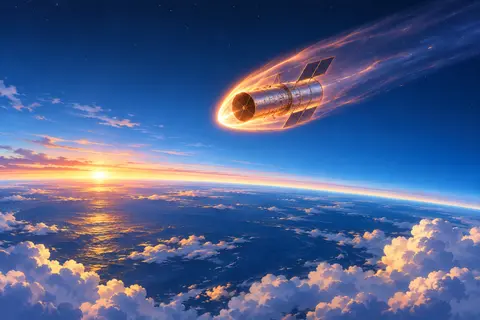
Scientists have found a giant planet in space photos that are about two years old. The photos were taken by the James Webb Space Telescope. The usual way of cleaning the photos did not show the planet.
科学者たちが、約2年前の宇宙の写真の中に大きな惑星を見つけました。写真は、ジェームズ・ウェッブ宇宙望遠鏡がとったものです。ふつうの方法で写真をきれいにしても、その惑星は見えませんでした。
Planets around other stars are very hard to see. A planet can be a million times darker than its star. The star's bright light covers the planet, like a strong light behind a friend in a photo.
ほかの星のまわりを回る惑星は、見るのがとてもむずかしいものです。惑星は、その星より100万倍も暗いことがあります。写真で友だちのうしろに強いライトがあるときのように、星の明るい光が惑星をかくしてしまうのです。
A team at Northwestern University in the United States made a copy of the telescope on a computer. The copy showed how starlight moves through the telescope. Then the team removed that light from the photos.
アメリカのノースウェスタン大学のチームが、コンピューターの中に望遠鏡のコピーを作りました。そのコピーで、星の光が望遠鏡の中をどう進むかがわかりました。そしてチームは、写真からその光を取りのぞきました。
The planet is called 51 Eridani b. Telescopes on the ground had already found it. With the new way, planets were up to 15 times easier to see. The study was published in the journal Nature on November 4.
その惑星は「エリダヌス座51番星b」と呼ばれています。地上の望遠鏡がすでに見つけていました。新しい方法を使うと、惑星は最大で15倍見つけやすくなりました。この研究は、11月4日に科学誌ネイチャーにのりました。
WORDSこの記事の単語(8語)
- giantB1形とても大きな、巨大なvery, very bigThere is a giant tree in the park.公園に巨大な木がある。
- telescopeB2名望遠鏡a tool that makes far things look closerWe looked at the moon with a telescope.望遠鏡で月を見た。
- usualA2形ふつうの、いつものdone or seen most of the timeI got up at the usual time.いつもの時間に起きた。
- millionA2名100万the number 1,000,000The city has about one million people.その市にはおよそ100万人が住んでいる。
- coversA1動おおう、かくす(cover の3単現)puts something over another thing so you cannot see itSnow covers the mountain in winter.冬には雪が山をおおう。
- removedB1動取りのぞいた(remove の過去形)took something awayHe removed the dirt from his shoes.彼はくつから泥を取りのぞいた。
- groundA1名地面、地上the surface of the EarthThe leaves fell to the ground.葉が地面に落ちた。
- publishedA2動(雑誌などに)のせた、発表した(publish の過去分詞)printed or put out for people to readHer story was published in a magazine.彼女の話は雑誌にのった。
単語の横の A1A2B1B2 は、その単語のむずかしさです(A1 がいちばんやさしく、B2 がいちばん難しい。外 はリストにない語)。ほかの単語のレベルも調べる
レベルの出典:『CEFR-J Wordlist Version 1.6』 東京外国語大学投野由紀夫研究室. (URL: https://www.cefr-j.org/download.html より 2026年8月ダウンロード)
GRAMMAR文法ポイント:倍数の比較(~ times + 比較級 + than)
「…より~倍-だ」は、数 + times のあとに比較級を続け、than でくらべる相手を言う。本文の A planet can be a million times darker than its star. は「惑星はその星より100万倍暗いことがある」。than のあとを言わない形もあり、本文の up to 15 times easier to see は「最大で15倍見つけやすい」。
- The sun is about 400 times wider than the moon.太陽の直径は月の約400倍だ。
- This train is three times faster than the bus.この電車はバスより3倍速い。
GAMESゲームで復習しよう
THINK考えてみよう・話してみよう
日本語訳はぼかしてあります。タップすると見えます。
- What would you like to see with a big telescope?大きな望遠鏡で、何を見てみたいですか?
- Do you edit your photos on your phone? What do you change?スマホで写真を加工しますか?どこを変えますか?
PRINT中学生版ワークシート(無料)
本文・単語・クイズ・並べかえ・穴うめ・英作文と解答つき。授業・宿題・自習にどうぞ。
高校生レベル(英検2級〜準1級・CEFR B1〜B2)・284語・約3分
Telescope's Digital Twin Reveals Planet Hidden in Starlight
語彙レベル(CEFR-J)
A163.5%A215%B19.9%B26.9%外4.7%
0:00 / --:--
この記事の声:イギリス英語・男性声は日によって、アメリカ・イギリス・オーストラリア英語、男性・女性が入れかわります
MP3をダウンロード(高校生版・タイトルから本文まで)
Astronomers have recovered a giant planet from James Webb Space Telescope data collected about two years ago, after standard image processing failed to separate it from the glare of its star. The study, led by Northwestern University in the United States, was published in the journal Nature on November 4.
天文学者たちが、約2年前に集められたジェームズ・ウェッブ宇宙望遠鏡のデータから、大きな惑星を取り出しました。ふつうの画像処理では、その惑星を星のまぶしい光から分けられなかったのです。アメリカのノースウェスタン大学が中心となった研究で、11月4日に科学誌ネイチャーに発表されました。
Taking direct pictures of exoplanets, or planets that orbit stars other than the sun, is extremely difficult. Rodrigo Ferrer-Chavez, a doctoral student who led the study, said a planet can be about a million times dimmer than the star it orbits. Leftover starlight in the images can hide a faint planet. Jason Wang, a co-author, said scientists work hard to keep telescopes very steady, but that is a huge engineering challenge.
系外惑星、つまり太陽ではないほかの星を回る惑星を、直接写真にとるのはきわめてむずかしいことです。研究をひきいた博士課程の学生ロドリゴ・フェレール=チャベスさんは、惑星は回っている星より約100万倍も暗いことがあると話しました。画像に残った星の光が、暗い惑星をかくしてしまうことがあります。共著者のジェイソン・ワンさんは、科学者は望遠鏡をしっかり安定させようと努力しているが、それは技術的にとてもむずかしいと話しました。
The team's method, called FLIP, builds a digital twin of the telescope. The computer model copies the path that starlight takes from the mirrors to the detectors. The researchers adjusted millions of settings until the model matched the real observation, and then they subtracted the leftover glare. Wang said they used the same computing tools that are used to train AI, but they did not use AI itself.
チームの方法は「FLIP」と呼ばれ、望遠鏡のデジタルの双子(そっくりな模型)をコンピューターに作ります。このコンピューターの模型は、星の光が鏡から検出器まで進む道すじを再現します。研究者たちは、模型が実際の観測と合うまで何百万もの設定を調整し、そのあとで残ったまぶしい光を差し引きました。ワンさんは、AIを学習させるのと同じ計算の道具を使ったが、AIそのものは使っていないと話しました。
The planet, 51 Eridani b, had already been found from the ground. In the Webb images taken at a wavelength where carbon dioxide absorbs light, however, the usual processing could not pull it out of the glare. FLIP made faint planets two to 15 times easier to detect than standard processing did.
その惑星「エリダヌス座51番星b」は、地上からすでに見つかっていました。しかし、二酸化炭素が光を吸収する波長で撮られたウェッブの画像では、ふつうの処理では惑星をまぶしい光から取り出せませんでした。FLIPを使うと、暗い惑星はふつうの処理より2倍から15倍見つけやすくなりました。
The researchers said the method could help find planets that are smaller, colder or dimmer than the ones seen now. They also said it could be useful for the Habitable Worlds Observatory, a telescope NASA has proposed to take pictures of Earth-like planets.
研究者たちは、この方法が、いま見えている惑星より小さく、冷たく、暗い惑星を見つける助けになるかもしれないと話しました。また、地球に似た惑星の写真をとるためにNASAが計画している望遠鏡「ハビタブル・ワールド・オブザーバトリー」にも役立つかもしれないと話しました。
WORDSこの記事の単語(10語)
- recoveredB1動取りもどした、取り出した(recover の過去分詞)got back something that was lost or hiddenThe police recovered the stolen bike.警察は盗まれた自転車を取りもどした。
- glareB2名まぶしい光strong light that makes it hard to seeThe glare from the sun hurt my eyes.太陽のまぶしい光で目が痛くなった。
- orbitB1動(星などのまわりを)回るto move in a circle around something in spaceThe moon orbits the Earth.月は地球のまわりを回っている。
- adjustedA2動調整した(adjust の過去形)changed something a little to make it rightShe adjusted the height of her chair.彼女はいすの高さを調整した。
- observationB1名観測watching something carefully to learn about itScientists made careful observations of the stars.科学者たちは星を注意深く観測した。
- detectB2動見つける、検出するto notice or find something hard to seeDogs can detect smells that people cannot.犬は人にはわからないにおいをかぎ取れる。
- proposedB2動計画として出した、提案した(propose の過去分詞)suggested a plan for others to think aboutThe city has proposed a new bridge.市は新しい橋の計画を出している。
- dimmerB2形より暗い(dim の比較級)giving less lightThe room got dimmer as the sun went down.日がしずむにつれて部屋が暗くなった。
- steadyB1形しっかりした、ぐらつかないnot moving or shakingHold the camera steady.カメラをしっかり持って。
- wavelength外名波長the size of one wave of light or soundRed light has a longer wavelength than blue light.赤い光は青い光より波長が長い。
単語の横の A1A2B1B2 は、その単語のむずかしさです(A1 がいちばんやさしく、B2 がいちばん難しい。外 はリストにない語)。ほかの単語のレベルも調べる
レベルの出典:『CEFR-J Wordlist Version 1.6』 東京外国語大学投野由紀夫研究室. (URL: https://www.cefr-j.org/download.html より 2026年8月ダウンロード)
GRAMMAR文法ポイント:過去完了の受け身(had been + 過去分詞)
過去のある時点より前に「すでに~されていた」ことを表す。本文の The planet, 51 Eridani b, had already been found from the ground. は「今回の研究より前に、その惑星は地上からすでに見つかっていた」。already をよくいっしょに使う。
- When we got to the theater, all the tickets had been sold.劇場に着いたとき、チケットはすべて売れてしまっていた。
- The window had already been fixed before I came home.私が帰る前に、窓はもう直されていた。
GAMESゲームで復習しよう
THINK考えてみよう・話してみよう
日本語訳はぼかしてあります。タップすると見えます。
- Old data helped scientists find something new. Do you think scientists should keep all their data for many years? Why?古いデータから新しい発見がありました。科学者はデータを何年も全部とっておくべきだと思いますか。なぜ?
- If scientists found an Earth-like planet, what would you want to know about it first?もし科学者が地球に似た惑星を見つけたら、あなたはまず何を知りたいですか。
PRINT高校生版ワークシート(無料)
本文・単語・クイズ・並べかえ・穴うめ・英作文と解答つき。授業・宿題・自習にどうぞ。
PICK UP WORD
exoplanet
系外惑星
太陽系の外にある、太陽ではない星のまわりを回る惑星。exo- は「外の」という意味。発音は「エクソプラネット」。direct imaging of exoplanets(系外惑星の直接撮像)のように使う。
原田英語のサイトでもっと
出典・参考にした情報
この記事は、下の報道・発表で事実を確かめたうえで、原田英語が中学生・高校生向けに英語と日本語で書きおろしたオリジナル記事です(文章の転載・翻訳ではありません)。くわしく知りたい人は元の情報も読んでみよう。著作権と出典の考え方
- Giant planet emerges from two-year-old JWST data thanks to glare-removal techniquePhys.org(2026-11-04)
- Northwestern astrophysicists develop method for detecting distant planets in space telescope imagesCBS News Chicago(2026-11-04)