原田英語の時事英語ジュニア|英語ニュース ワークシート(高校生レベル)
Class ____ No. ____ Name ____________________
ルールを破る人の心理、まねされやすいのは「守る人」より「破る人」 750人の実験
Why Bad Examples Beat Good Ones
1People are much more likely to copy someone who breaks a rule than someone who follows it, according to a study published on October 21 in the journal Proceedings of the Royal Society B. The researchers say a few people who push small violations further can lead to rule breaking across a whole group.
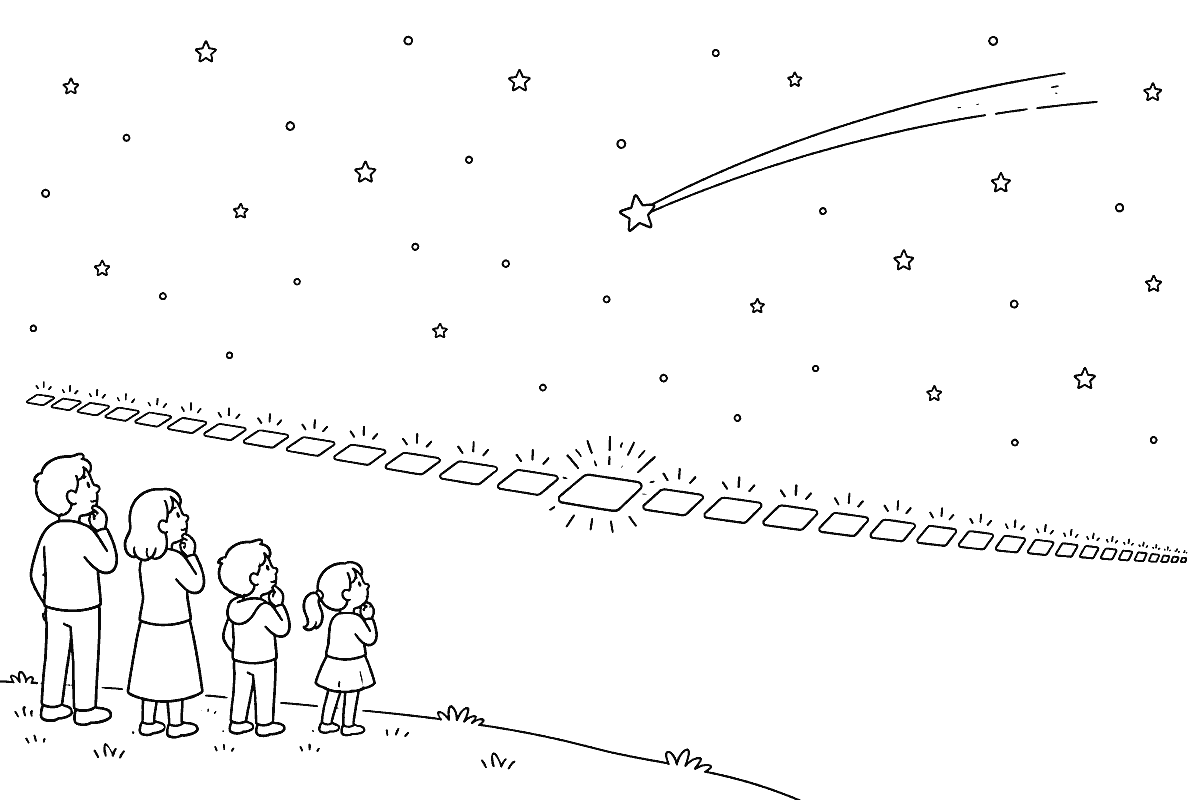
2Psychologist Lucas Molleman of the University of Amsterdam and his colleagues ran an online experiment with 750 people in the United States. Participants watched a shooting star cross a row of 100 squares and were asked to pick the square that shone the brightest. That square was always near the middle, but squares farther to the right paid more money. The square at the far right was worth about 1.30 dollars.
3Science News reported that with no information about others, participants chose the far-right square about 23 percent of the time. Before later rounds, they learned how a previous participant had played. Seeing a major rule breaker pushed many players to the right. Seeing a rule follower rarely led others to follow the rule. Most people broke the rule as much as or less than the person they had seen, but just over 4 percent went further.
4The team then built computer copies of all 750 participants and put them into groups of 100. In some groups, the few people who tended to go further pushed everyone toward heavy rule breaking. When the groups had the same share of firm rule followers as the real sample, rule breaking settled at a moderate level.
5Eugen Dimant, a behavioral economist at the University of Pennsylvania, said real life also has punishments and social rules that shape how people act, Science News reported. The online game had no punishments at all.
Words 単語
| likelyA2 | 形 | ~しそうなprobably going to happen |
| violations外 | 名 | 違反(violation の複数形)acts of breaking a rule or law |
| colleaguesB2 | 名 | 同僚、仕事の仲間(colleague の複数形)people you work with |
| experimentB1 | 名 | 実験a test to find out something new |
| participantsB1 | 名 | 参加者(participant の複数形)people who take part in something |
| previousB1 | 形 | 前のcoming before this one |
| rarelyB1 | 副 | めったに~ないalmost never, or only a few times |
| tendedB1 | 動 | ~しがちだった(tend の過去形)often did something in a certain way |
| moderateB1 | 形 | ほどほどの、中くらいのnot too much and not too little |
| punishmentsB1 | 名 | 罰(punishment の複数形)bad things given for doing wrong |
単語のレベル:CEFR-J(『CEFR-J Wordlist Version 1.6』 東京外国語大学投野由紀夫研究室. (URL: https://www.cefr-j.org/download.html より 2026年8月ダウンロード))
1. Reading Quiz 本文の内容に合うものを選ぼう
Where was the study published?
A. In Science NewsB. In a school newspaperC. In Proceedings of the Royal Society BD. On X
Where was the brightest square always located?
A. Near the middleB. At the far leftC. At the far rightD. At the top
With no information about others, how often did participants choose the far-right square?
A. About 4 percent of the timeB. About 50 percent of the timeC. Every timeD. About 23 percent of the time
What happened in groups with as many firm rule followers as the real sample?
A. Everyone broke the rules heavily.B. Rule breaking settled at a moderate level.C. Nobody broke any rules.D. The groups stopped playing.
What did Eugen Dimant point out?
A. The game had too many players.B. The squares were too small.C. Real life also has punishments and social rules.D. The study was done in Japan.
2. True or False 正しければ T、違っていれば F
( ) The experiment was done with 750 people in the United States.
( ) The far-right square was worth about 13 dollars.
( ) Seeing a rule follower often led others to follow the rule.
( ) Just over 4 percent of people went further than the person they had seen.
3. Fill in the Blanks 下の語から選んで空らんをうめよう(形を変えずに)
likelycolleaguespreviousviolationsParticipantsrarely
People are much more _____ to copy someone who breaks a rule than someone who follows it, according to a study published on October 21 in the journal Proceedings of the Royal Society B.
The researchers say a few people who push small _____ further can lead to rule breaking across a whole group.
Seeing a rule follower _____ led others to follow the rule.
_____ watched a shooting star cross a row of 100 squares and were asked to pick the square that shone the brightest.
Before later rounds, they learned how a _____ participant had played.
Psychologist Lucas Molleman of the University of Amsterdam and his _____ ran an online experiment with 750 people in the United States.
4. Word Order 語を並べかえて正しい文にしよう
( to / Seeing / major / players / pushed / the / a / right / many / breaker / rule ) .
( the / far / worth / The / right / 1.30 / was / square / dollars / about / at ) .
( rounds, / they / Before / later / how / learned / participant / a / had / played / previous ) .
5. Think and Write 英語で答えてみよう
Why do you think bad examples spread more easily than good ones?(悪いお手本のほうが、いいお手本より広がりやすいのはなぜだと思いますか?)
Should schools punish small rule breaking strictly to stop it from spreading? Give your opinion with a reason.(広がらないように、学校は小さなルール違反もきびしく罰するべきだと思いますか?理由をつけて意見を言おう。)
Answers 解答
1. (1) C (2) A (3) D (4) B (5) C
2. (1) T (2) F (3) F (4) T
3. (1) likely (2) violations (3) rarely (4) Participants (5) previous (6) colleagues
4.
- Seeing a major rule breaker pushed many players to the right.
- The square at the far right was worth about 1.30 dollars.
- Before later rounds, they learned how a previous participant had played.
全文訳
1人は、ルールを守る人より、ルールを破る人のほうをずっとまねしやすいことが、10月21日に学術誌『英国王立協会紀要B』に発表された研究でわかりました。小さな違反をさらにエスカレートさせる少数の人が、グループ全体のルール違反につながることがある、と研究者は言います。
2アムステルダム大学の心理学者ルーカス・モールマンさんたちは、アメリカの750人でオンラインの実験をしました。参加者は、流れ星が100個の四角の列を横切るのを見て、いちばん明るく光った四角を選ぶように言われました。その四角はいつも真ん中あたりにありましたが、右にある四角ほど、もらえるお金が多くなっていました。いちばん右の四角は、約1.3ドルでした。
3Science News によると、ほかの人の情報がないとき、参加者がいちばん右の四角を選んだのは、全体の約23%でした。そのあとの回の前に、参加者は前の参加者がどう選んだかを知らされました。大きくルールを破った人を見ると、多くの参加者が右の四角を選ぶようになりました。ルールを守った人を見ても、ほかの人がルールを守るようになることはめったにありませんでした。多くの人は、見た人と同じか、それより少なくルールを破りましたが、4%より少し多い人は、見た人よりもっと大きくルールを破りました。
4チームはさらに、750人全員のコンピューター上のコピーを作り、100人ずつのグループに分けました。いくつかのグループでは、さらに先まで行きがちな少数の人が、全員を大きなルール違反へと押しやりました。グループに、実際の参加者と同じ割合で、ルールをかたく守る人がいるときは、ルール違反はほどほどのところで落ち着きました。
5Science News によると、ペンシルベニア大学の行動経済学者ユージン・ディマントさんは、現実には、人の行動に影響する罰や社会のきまりもあると言いました。このネットのゲームには、罰がまったくありませんでした。
文法ポイント:比較 more likely to ~ than …(…より~しやすい)
be likely to ~ は「~しそうだ」。比較級の more likely to ~ than … で「…より~しやすい」。本文の People are much more likely to copy someone who breaks a rule than someone who follows it は「人はルールを守る人よりも、破る人をずっとまねしやすい」。much は比較級を強めて「ずっと」。
出典:Science News、Phys.org、Proceedings of the Royal Society B ほか(記事は原田英語の時事英語ジュニアのオリジナル)|https://www.haradaeigo.com/jijieigo-junior/news/2026-10-25-rule-breakers-copied-more/