原田英語の時事英語ジュニア|英語ニュース ワークシート(中学生レベル)
Class ____ No. ____ Name ____________________
人に教えると覚えられる?カギは「教える」より「思い出す」ことだった
Teach It to Learn It
1Students who taught a lesson without notes remembered it better a week later, a study found. Researchers at the National University of Singapore did the study.
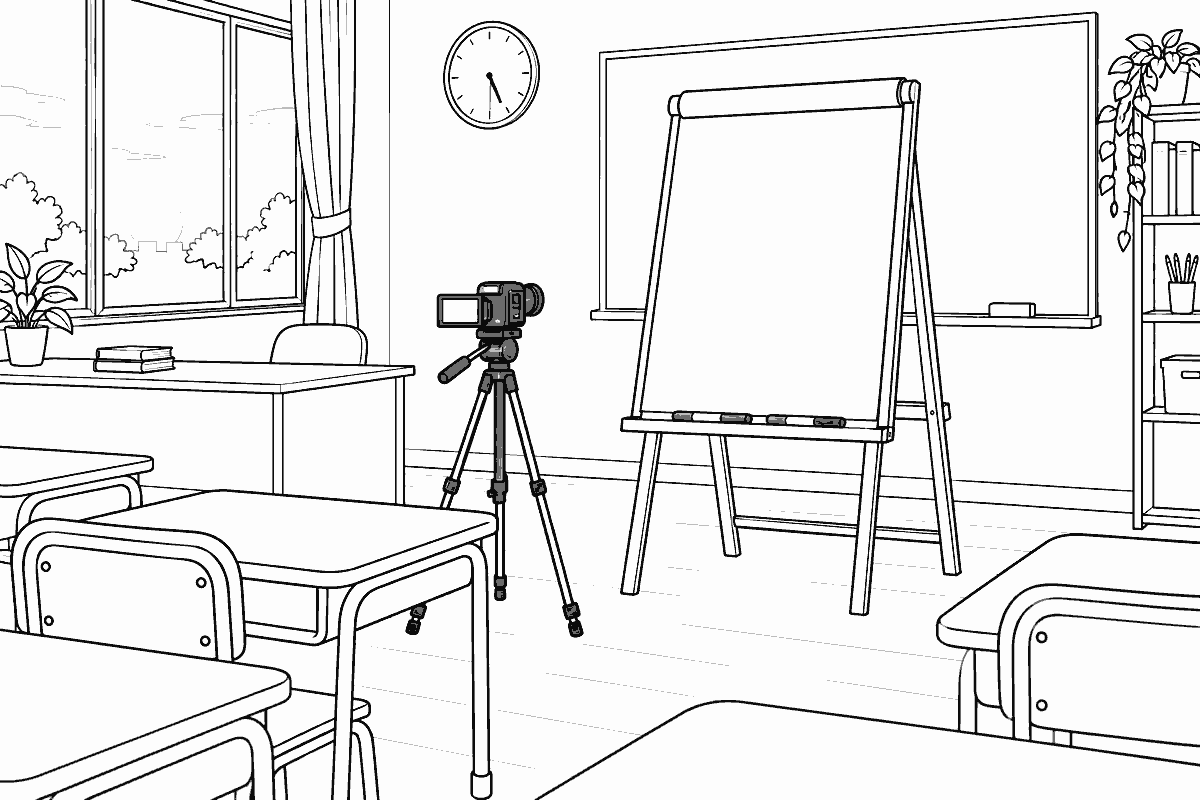
2First, 124 students read about sound waves for 10 minutes. They were told that they would teach the topic later. Then they did one of four things for five minutes. Some taught the lesson to a video camera without notes. Others taught by reading a prepared script. Some wrote down everything they could remember, and the rest did math problems.
3One week later, all the students took a test. The students who taught without notes did better than the script and math groups. The students who only wrote down what they remembered did just as well. The researchers said the key may be remembering, not just teaching.
4An earlier study in the United States found that just expecting to teach can help. Students who expected to teach remembered more than students who expected a test. In that study, nobody actually taught.
Words 単語
| lessonA1 | 名 | 授業、(教える)内容a time when someone teaches you something |
| notesA1 | 名 | メモ、ノート(note の複数形)short things you write down to remember |
| wavesA2 | 名 | 波(wave の複数形)moving lines of energy, like in the sea |
| preparedB1 | 形 | 用意されたmade ready before you use it |
| scriptA2 | 名 | 台本、原稿the words someone writes for another person to say |
| the restB1 | 名 | 残り(の人・物)the other people or things that are left |
| expectedB2 | 動 | (~するだろうと)思っていた(expect の過去形)thought that something would happen |
| actuallyA2 | 副 | 実際にin fact, really |
単語のレベル:CEFR-J(『CEFR-J Wordlist Version 1.6』 東京外国語大学投野由紀夫研究室. (URL: https://www.cefr-j.org/download.html より 2026年8月ダウンロード))
1. Reading Quiz 本文の内容に合うものを選ぼう
How many students were in the Singapore study?
A. 10B. 124C. 5D. 4
What did the students read about?
A. Math problemsB. Video camerasC. Sound wavesD. Sleep
When did the students take the test?
A. One week laterB. Ten minutes laterC. The next morningD. One year later
Which group did as well as the students who taught without notes?
A. The math groupB. The script groupC. NobodyD. The group that wrote down what they remembered
2. True or False 正しければ T、違っていれば F
( ) The study was done in Singapore.
( ) The students who read a script did the best on the test.
( ) Each activity lasted five minutes.
( ) In the U.S. study, the students really taught other students.
3. Fill in the Blanks 下の語から選んで空らんをうめよう(形を変えずに)
scriptexpectingnoteslessonwavesprepared
Others taught by reading a _____ script.
Students who taught a _____ without notes remembered it better a week later, a study found.
An earlier study in the United States found that just _____ to teach can help.
First, 124 students read about sound _____ for 10 minutes.
The students who taught without notes did better than the _____ and math groups.
Some taught the lesson to a video camera without _____.
4. Word Order 語を並べかえて正しい文にしよう
( They / topic / would / teach / the / that / were / later / told / they ) .
( all / week / a / One / the / test / students / later, / took ) .
( taught / study, / that / In / actually / nobody ) .
5. Think and Write 英語で答えてみよう
Have you ever explained something to a friend? Did it help you learn?(友だちに何かを説明したことはありますか?それで自分の勉強になりましたか?)
Which subject would you like to teach to someone? Why?(あなたなら、どの教科をだれかに教えてみたいですか?それはなぜ?)
Answers 解答
1. (1) B (2) C (3) A (4) D
2. (1) T (2) F (3) T (4) F
3. (1) prepared (2) lesson (3) expecting (4) waves (5) script (6) notes
4.
- They were told that they would teach the topic later.
- One week later, all the students took a test.
- In that study, nobody actually taught.
全文訳
1ノートを見ずに授業をした学生は、1週間後もその内容をよく覚えていた、という研究が出ました。研究をしたのは、シンガポール国立大学の研究者たちです。
2まず、124人の学生が、音の波について10分間読みました。学生たちは、あとでその内容を教えることになると言われていました。そのあと、4つのうちどれか1つを5分間しました。ノートを見ずに、ビデオカメラに向かって授業をした人たち。用意された台本を読んで授業をした人たち。覚えていることを全部書き出した人たち、そして残りの人は計算問題をしました。
31週間後、学生全員がテストを受けました。ノートを見ずに教えた学生は、台本のグループや計算のグループより成績がよくなりました。覚えていることを書き出しただけの学生も、同じくらいよい成績でした。研究者たちは、大事なのは教えることだけではなく、思い出すことかもしれない、と話しています。
4アメリカで行われた以前の研究では、教えるつもりでいるだけでも効果があることがわかっていました。教えるつもりで勉強した学生は、テストを受けるつもりで勉強した学生より多くを覚えていました。その研究では、実際にはだれも教えていません。
文法ポイント:受け身(be動詞 + 過去分詞)+ that 節
「~される」は be動詞 + 過去分詞。tell(伝える)を受け身にすると be told that ~ で「~だと言われる・知らされる」。本文の They were told that they would teach the topic later. は「学生たちは、あとで教えることになると言われた」。that の中は、過去から見た未来なので will が would になっている。
出典:The British Psychological Society(Research Digest)、Psyciencia、Frontiers in Psychology、Washington University in St. Louis(The Source) ほか(記事は原田英語の時事英語ジュニアのオリジナル)|https://www.haradaeigo.com/jijieigo-junior/news/2026-10-13-teach-from-memory-learning/