原田英語の時事英語ジュニア|英語ニュース ワークシート(高校生レベル)
Class ____ No. ____ Name ____________________
紙とデジタル、読んで理解しやすいのは?17万人分の研究で紙が少し有利に
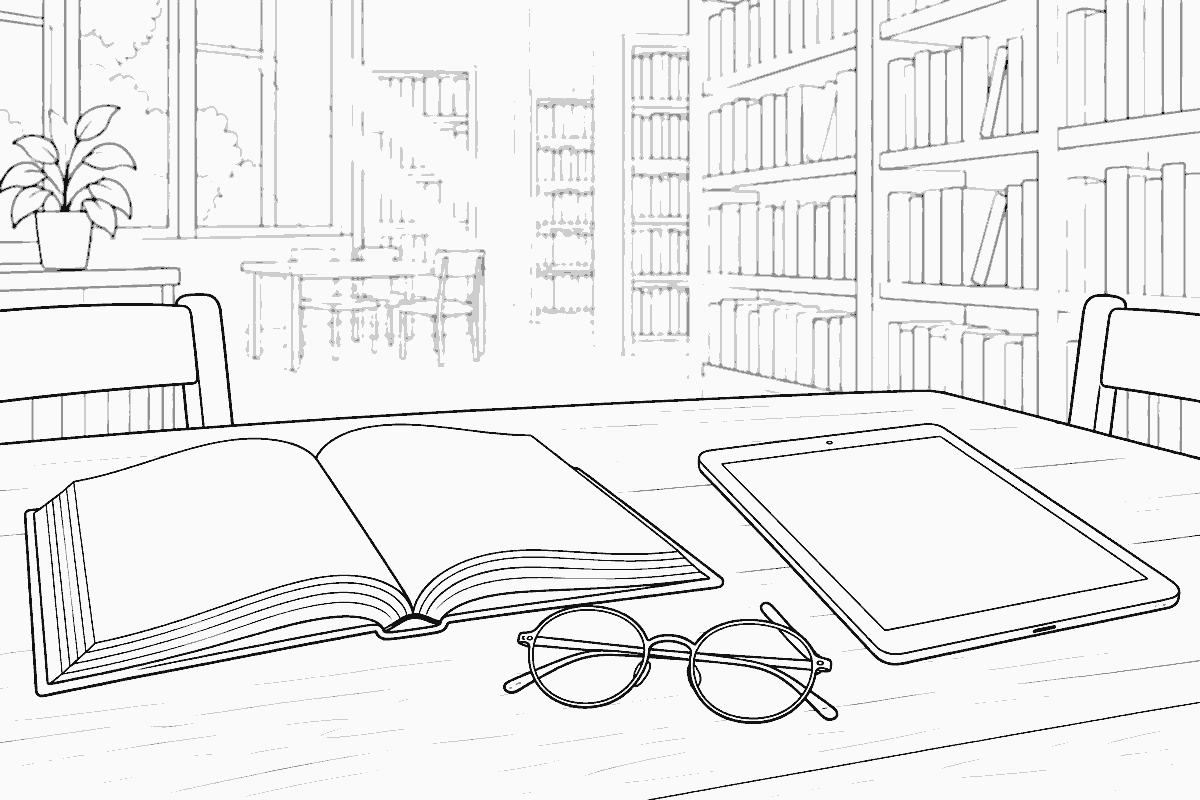
Reading on Paper Gives a Small Edge With Informational Texts
1Readers scored slightly higher on comprehension tests after reading informational texts on paper than on screens, a review of 54 studies has found. Pablo Delgado, Ladislao Salmerón and colleagues at the University of Valencia in Spain worked with Rakefet Ackerman of the Technion in Israel. They published the meta-analysis in the journal Educational Research Review in 2018.
2The team combined studies from 2000 to 2017 in which people read similar texts on paper or on digital devices and then answered questions. The studies involved 171,055 participants, although more than 165,000 of them came from just four large studies. Most of the comparisons were done with university students.
3Overall, paper had a small advantage. The researchers estimated that the gap equals about two-thirds of the progress in reading comprehension that elementary school children make in a year. The advantage was larger when reading time was limited than when people could read at their own pace. It appeared with informational texts but not with stories.
4The gap did not shrink as screens became part of daily life. Instead, the advantage of paper grew slightly between 2000 and 2017. The results did not differ clearly by the readers' school level or by the length of the text. The authors said avoiding digital devices is not realistic and called for more research on helping students read well on screens.
5A separate review published in 2019 by Virginia Clinton of the University of North Dakota looked at 33 studies that randomly assigned readers to paper or screens. It also found a small advantage for paper with nonfiction but no difference with stories. Readers on screens were more likely to overestimate how well they had understood the text.
Words 単語
| comprehensionB2 | 名 | 理解、読解how well you understand what you read or hear |
| meta-analysis外 | 名 | メタ分析(多くの研究の結果をまとめて分析すること)a study that puts together the results of many studies |
| devicesB1 | 名 | 機器、装置(device の複数形)machines like phones, tablets and computers |
| participantsB1 | 名 | 参加者(participant の複数形)people who join a study or an event |
| advantageA2 | 名 | 有利な点、強みsomething that helps you do better than others |
| estimatedB2 | 動 | 見積もった、推定したguessed a number by thinking carefully |
| paceB1 | 名 | ペース、速さhow fast you do something |
| shrinkB2 | 動 | 縮む、小さくなるto become smaller |
| randomly外 | 副 | 無作為にby chance, without any plan |
| overestimateB2 | 動 | 高く見積もりすぎる、過大評価するto think something is bigger or better than it is |
単語のレベル:CEFR-J(『CEFR-J Wordlist Version 1.6』 東京外国語大学投野由紀夫研究室. (URL: https://www.cefr-j.org/download.html より 2026年8月ダウンロード))
1. Reading Quiz 本文の内容に合うものを選ぼう
Where were the researchers of the 2018 meta-analysis based?
A. The US and JapanB. Spain and IsraelC. Germany and FranceD. The UK and Canada
Where did most of the 171,055 participants come from?
A. From university classes in SpainB. From 54 studies of the same sizeC. From just four large studiesD. From elementary schools in Israel
When was the advantage of paper larger?
A. When reading time was limitedB. When people read storiesC. When the text was very shortD. When people read at their own pace
What happened to the gap between 2000 and 2017?
A. It disappeared.B. It shrank quickly.C. It changed only for children.D. It grew slightly.
What did Clinton's review find about readers on screens?
A. They read twice as fast.B. They were more likely to overestimate their understanding.C. They understood stories much better.D. They enjoyed the texts more.
2. True or False 正しければ T、違っていれば F
( ) Most of the comparisons in the 2018 meta-analysis were done with university students.
( ) Paper had a large advantage with stories.
( ) The authors said people should stop using digital devices.
( ) Clinton's review looked at 33 studies.
3. Fill in the Blanks 下の語から選んで空らんをうめよう(形を変えずに)
comprehensiondevicesparticipantsmeta-analysisestimatedadvantage
They published the _____ in the journal Educational Research Review in 2018.
The studies involved 171,055 _____, although more than 165,000 of them came from just four large studies.
The researchers _____ that the gap equals about two-thirds of the progress in reading comprehension that elementary school children make in a year.
The team combined studies from 2000 to 2017 in which people read similar texts on paper or on digital _____ and then answered questions.
Overall, paper had a small _____.
Readers scored slightly higher on _____ tests after reading informational texts on paper than on screens, a review of 54 studies has found.
4. Word Order 語を並べかえて正しい文にしよう
( paper / Overall, / small / had / advantage / a ) .
( It / texts / appeared / but / with / not / informational / with / stories ) .
( not / The / screens / shrink / became / daily / did / life / of / part / gap / as ) .
5. Think and Write 英語で答えてみよう
Should schools use digital textbooks instead of paper ones? Give reasons for your opinion.(学校は紙の教科書の代わりにデジタルの教科書を使うべきだと思いますか?理由を挙げて意見を言おう。)
Readers on screens tended to think they understood more than they did. How could you check your understanding when you read on a screen?(画面で読んだ人は、実際より理解できたと思いがちでした。画面で読むとき、自分の理解をどう確かめればよいでしょう?)
Answers 解答
1. (1) B (2) C (3) A (4) D (5) B
2. (1) T (2) F (3) F (4) T
3. (1) meta-analysis (2) participants (3) estimated (4) devices (5) advantage (6) comprehension
4.
- Overall, paper had a small advantage.
- It appeared with informational texts but not with stories.
- The gap did not shrink as screens became part of daily life.
全文訳
1説明文を画面ではなく紙で読んだときのほうが、読解テストの点が少し高かった、と54の研究をまとめた分析でわかりました。スペインのバレンシア大学のパブロ・デルガドさん、ラディスラオ・サルメロンさんたちが、イスラエルのテクニオン(イスラエル工科大学)のラケフェット・アッカーマンさんと研究しました。研究者たちは2018年、学術誌「エデュケーショナル・リサーチ・レビュー」にこのメタ分析を発表しました。
2研究チームは、2000年から2017年の研究のうち、似た文章を紙かデジタル機器で読み、そのあと質問に答える形のものをまとめました。研究の参加者は合わせて17万1055人でしたが、そのうち16万5000人以上は、わずか4つの大規模な研究の参加者でした。比べた例の多くは、大学生を対象にしたものでした。
3全体として、紙のほうが少し有利でした。研究者たちは、この差は小学生が1年間で伸ばす読解力のおよそ3分の2にあたると見積もっています。読む時間が決められているときは、自分のペースで読めるときより、紙の有利さが大きくなりました。紙の有利さは説明文では見られましたが、物語では見られませんでした。
4画面が生活の一部になっても、差は縮まりませんでした。それどころか、紙の有利さは2000年から2017年にかけて少し大きくなっていました。読み手の学校の段階や文章の長さによって、結果にはっきりしたちがいはありませんでした。研究者たちは、デジタル機器を使わないようにするのは現実的ではないとして、画面でもうまく読めるよう生徒を手助けする研究をもっと進めるべきだと述べています。
52019年には、アメリカのノースダコタ大学のバージニア・クリントンさんが、読む人を紙と画面に無作為に分けた33の研究を調べた、別の分析を発表しました。この分析でも、ノンフィクションでは紙が少し有利で、物語では差がありませんでした。画面で読んだ人は、自分が文章をどれだけ理解できたかを高く見積もりすぎる傾向がありました。
文法ポイント:前置詞 + 関係代名詞(in which)
関係代名詞 which の前に前置詞を置き、「その中で~する」と名詞を説明する形。本文の studies ... in which people read similar texts on paper or on digital devices は「人々が似た文章を紙かデジタル機器で読んだ研究」。in which が、研究の中で行われたことを説明している。
出典:Educational Research Review/University of Valencia(著者のページ)、Technical University of Munich(TUM Center for Educational Technologies)、The Hechinger Report、The Learning Scientists ほか(記事は原田英語の時事英語ジュニアのオリジナル)|https://www.haradaeigo.com/jijieigo-junior/news/2026-10-13-paper-vs-screen-reading/