原田英語の時事英語ジュニア|英語ニュース ワークシート(中学生レベル)
Class ____ No. ____ Name ____________________
流行語大賞を英語で言うと?「働いて働いて」「エッホエッホ」「古古古米」
Japan's Buzzwords of the Year in English
1Japan's buzzword of the year for 2025 came from a speech by Prime Minister Sanae Takaichi. The winner was announced on December 1. In English, the phrase is close to I will work, work, work, work and work.
2Takaichi said it in October after she became the first woman to lead her party. She later became Japan's first female prime minister. Her words made some people worry about working too much. At the award event, she said she did not want people to work too much.
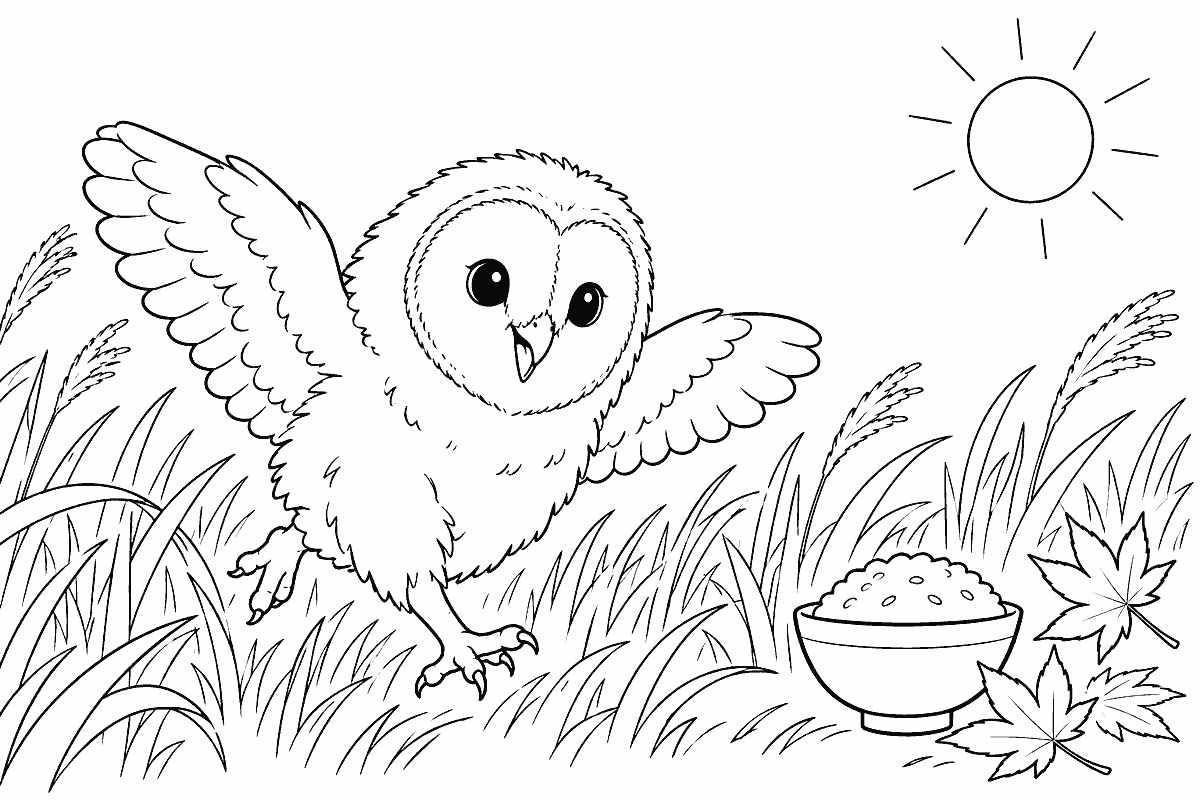
3Ehho ehho was also in the top ten. It is the sound of someone running hard. It became popular with a photo of a baby owl running through the grass.
4Kokokomai means old, old, old rice. The government sold stored rice when rice prices were high. Each extra ko means one more year in storage.
5Niki means two seasons. Some people feel Japan now has only summer and winter.
Words 単語
| speechA1 | 名 | 演説、スピーチa talk given to a group of people |
| announcedB1 | 動 | 発表されたtold to everyone in an official way |
| close toA1 | 熟 | ~に近いalmost the same as |
| leadA2 | 動 | 率いる、導くto be the person in charge of a group |
| femaleA2 | 形 | 女性のbeing a woman or a girl |
| owlB2 | 名 | フクロウa bird with big eyes that flies at night |
| storageB1 | 名 | 保管、たくわえthe keeping of things for later use |
| seasonsB1 | 名 | 季節the four parts of the year, such as summer |
単語のレベル:CEFR-J(『CEFR-J Wordlist Version 1.6』 東京外国語大学投野由紀夫研究室. (URL: https://www.cefr-j.org/download.html より 2026年8月ダウンロード))
1. Reading Quiz 本文の内容に合うものを選ぼう
When was the winner announced?
A. On October 4B. On December 1C. On January 1D. On November 30
What is ehho ehho?
A. The sound of someone running hardB. A kind of riceC. The name of a mascotD. A word for summer
What does each extra ko in kokokomai mean?
A. One more kind of riceB. One more yenC. One more farmerD. One more year in storage
What does niki mean?
A. Two rice ballsB. Two owlsC. Two seasonsD. Two prime ministers
2. True or False 正しければ T、違っていれば F
( ) Takaichi became Japan's first female prime minister.
( ) Takaichi said she wanted people to work too much.
( ) Ehho ehho became popular with a photo of a baby owl.
( ) Kokokomai means new rice.
3. Fill in the Blanks 下の語から選んで空らんをうめよう(形を変えずに)
leadfemalespeechannouncedstorageowl
The winner was _____ on December 1.
She later became Japan's first _____ prime minister.
It became popular with a photo of a baby _____ running through the grass.
Each extra ko means one more year in _____.
Japan's buzzword of the year for 2025 came from a _____ by Prime Minister Sanae Takaichi.
Takaichi said it in October after she became the first woman to _____ her party.
4. Word Order 語を並べかえて正しい文にしよう
( winner / The / announced / December / on / 1 / was ) .
( old, / rice / Kokokomai / old / old, / means ) .
( people / and / feel / summer / winter / has / only / now / Japan / Some ) .
5. Think and Write 英語で答えてみよう
Which buzzword of the year do you like best? Why?(流行語の中でどれがいちばん好きですか?なぜ?)
How would you explain ehho ehho to a friend from another country?(外国の友だちに「エッホエッホ」をどう説明しますか?)
Answers 解答
1. (1) B (2) A (3) D (4) C
2. (1) T (2) F (3) T (4) F
3. (1) announced (2) female (3) owl (4) storage (5) speech (6) lead
4.
- The winner was announced on December 1.
- Kokokomai means old, old, old rice.
- Some people feel Japan now has only summer and winter.
全文訳
12025年の日本の流行語大賞は、高市早苗首相の演説から生まれた言葉でした。大賞は12月1日に発表されました。英語にすると I will work, work, work, work and work.(働いて、働いて…まいります)に近い言い方です。
2高市さんは10月、女性として初めて自分の党のリーダーになったあとにこう言いました。その後、日本で初めての女性の首相になりました。この言葉を聞いて、働きすぎを心配する人もいました。授賞式で高市さんは、みんなに働きすぎてほしいわけではないと話しました。
3「エッホエッホ」もトップテンに入りました。一生けんめい走っている人の息づかいの音です。草の中を走るフクロウのひなの写真とともに広まりました。
4「古古古米」は old, old, old rice という意味です。お米の値段が高かったとき、政府はたくわえていたお米を売り出しました。「古」が1つ増えるごとに、保管された年が1年多いことを表します。
5「二季」は two seasons(2つの季節)という意味です。日本にはいま夏と冬しかない、と感じる人もいるのです。
文法ポイント:make + 人 + 動詞の原形(人に~させる)
make A do は「Aに~させる」。本文の Her words made some people worry about working too much.(彼女の言葉は、一部の人に働きすぎを心配させた)がその例。動詞は to をつけずに原形のまま。
出典:nippon.com、nippon.com、Jiji Press (Adnkronos)、トラベル Watch ほか(記事は原田英語の時事英語ジュニアのオリジナル)|https://www.haradaeigo.com/jijieigo-junior/news/2025-12-01-japan-buzzwords-in-english/