原田英語の時事英語ジュニア|英語ニュース ワークシート(中学生レベル)
Class ____ No. ____ Name ____________________
スマホの時間と近視の関係 画面を見る時間が1時間増えるとリスク21%アップ
Screens and Your Eyes
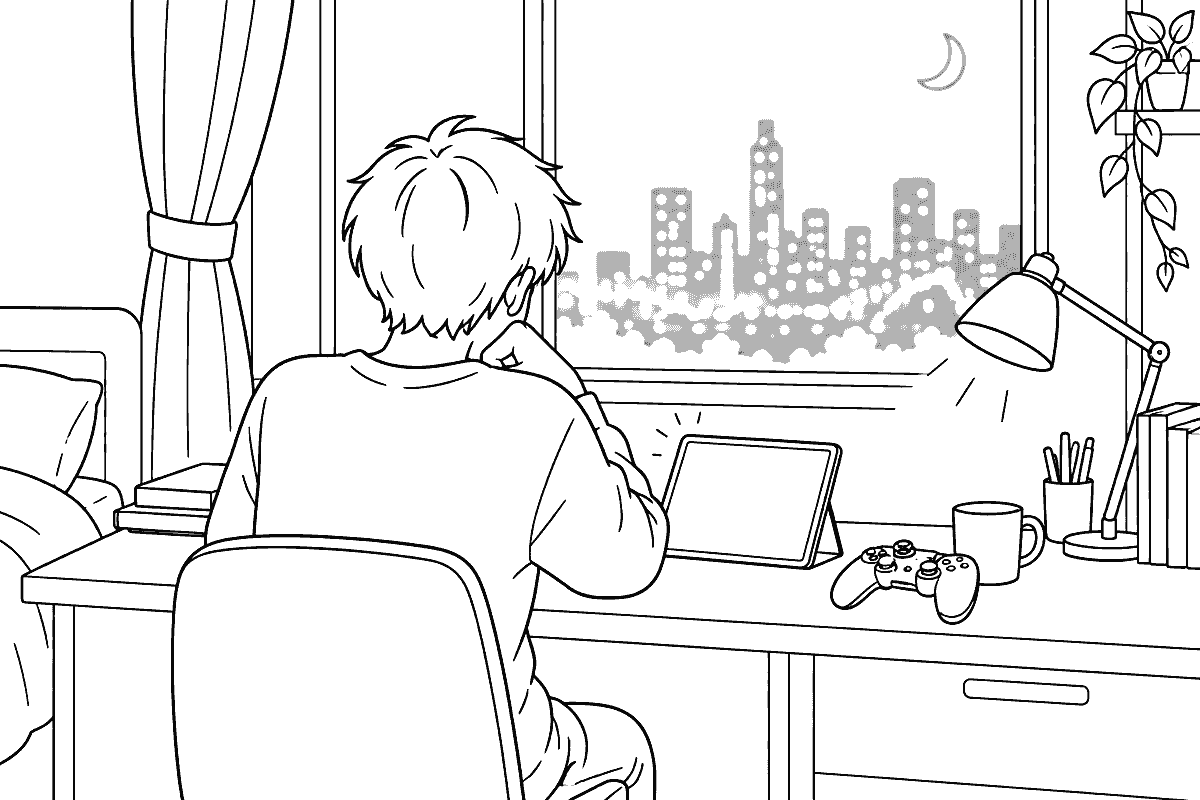
1More screen time is linked to a higher risk of nearsightedness, a new study found. Researchers in South Korea and Ireland looked at 45 earlier studies. The studies included more than 330,000 people, and most were children.
2People with nearsightedness can see things near them clearly. But things far away look blurry. Many of them need glasses.
3Each extra hour of screen time a day raised the risk by about 21 percent. The screens included phones, tablets, game machines, computers, and TVs. With less than one hour a day, the risk did not clearly go up. It rose quickly between one and four hours.
4The study does not prove that screens cause nearsightedness. Reading books up close may also play a part, the researchers said. Most of the earlier studies checked people's eyes only once.
Words 単語
| riskB1 | 名 | 危険性、リスクthe chance that something bad will happen |
| nearsightedness外 | 名 | 近視not being able to see far things well |
| includedA2 | 動 | ふくんでいたhad something as one of its parts |
| clearlyA2 | 副 | はっきりとin a way that is easy to see or hear |
| blurry外 | 形 | ぼやけたnot clear, with soft edges |
| extraA2 | 形 | 余分の、追加のmore than usual |
| proveB1 | 動 | 証明するto show that something is true |
| causeA2 | 動 | 引き起こす、~の原因となるto make something happen |
単語のレベル:CEFR-J(『CEFR-J Wordlist Version 1.6』 東京外国語大学投野由紀夫研究室. (URL: https://www.cefr-j.org/download.html より 2026年8月ダウンロード))
1. Reading Quiz 本文の内容に合うものを選ぼう
How many earlier studies did the researchers look at?
A. 4B. 21C. 45D. 330
What can nearsighted people see clearly?
A. Things near themB. Things far awayC. Nothing at allD. Only stars
How much did each extra hour of screen time a day raise the risk?
A. About 4 percentB. About 45 percentC. About 100 percentD. About 21 percent
What else may play a part in nearsightedness?
A. Eating fishB. Reading books up closeC. Playing soccerD. Sleeping early
2. True or False 正しければ T、違っていれば F
( ) Most of the people in the studies were children.
( ) People with nearsightedness see far things clearly.
( ) The risk rose quickly between one and four hours a day.
( ) The study proved that screens cause nearsightedness.
3. Fill in the Blanks 下の語から選んで空らんをうめよう(形を変えずに)
nearsightednessclearlyblurryincludedriskextra
With less than one hour a day, the risk did not _____ go up.
The studies _____ more than 330,000 people, and most were children.
But things far away look _____.
Each _____ hour of screen time a day raised the risk by about 21 percent.
More screen time is linked to a higher _____ of nearsightedness, a new study found.
People with _____ can see things near them clearly.
4. Word Order 語を並べかえて正しい文にしよう
( things / away / But / far / blurry / look ) .
( It / one / quickly / between / rose / hours / four / and ) .
( cause / The / screens / prove / nearsightedness / that / does / study / not ) .
5. Think and Write 英語で答えてみよう
How many hours a day do you look at screens?(あなたは1日に何時間くらい画面を見ていますか?)
What do you do to rest your eyes?(目を休めるために、どんなことをしていますか?)
Answers 解答
1. (1) C (2) A (3) D (4) B
2. (1) T (2) F (3) T (4) F
3. (1) clearly (2) included (3) blurry (4) extra (5) risk (6) nearsightedness
4.
- But things far away look blurry.
- It rose quickly between one and four hours.
- The study does not prove that screens cause nearsightedness.
全文訳
1画面を見る時間が長いほど、近視になるリスクが高いことが、新しい研究でわかりました。韓国とアイルランドの研究者たちが、これまでの45の研究を調べました。研究には33万人以上が参加していて、そのほとんどが子どもでした。
2近視の人は、近くのものははっきり見えます。でも、遠くのものはぼやけて見えます。近視の人の多くは、めがねが必要です。
3画面を見る時間が1日1時間増えるごとに、リスクが約21%高くなっていました。画面には、スマホ、タブレット、ゲーム機、パソコン、テレビがふくまれます。1日1時間より短いときは、リスクははっきりとは上がりませんでした。1時間から4時間のあいだで、リスクは急に上がりました。
4この研究は、画面が近視の原因だと証明したわけではありません。本を近くで読むことも関係しているかもしれないと、研究者たちは話しています。また、もとになった研究の多くは、目を1回しか調べていませんでした。
文法ポイント:受け身 be linked to ~(~と関係がある)
be linked to ~ は「~と結びついている、関係がある」。研究のニュースでよく使う表現。本文の More screen time is linked to a higher risk of nearsightedness がその例。
出典:Optometry Today (AOP)、HealthDay、Ophthalmology Management ほか(記事は原田英語の時事英語ジュニアのオリジナル)|https://www.haradaeigo.com/jijieigo-junior/news/2025-02-21-screen-time-nearsightedness/