原田英語の時事英語ジュニア|英語ニュース ワークシート(中学生レベル)
Class ____ No. ____ Name ____________________
冷笑とは?英語で言うと?中高生103人の流行語調査で3位
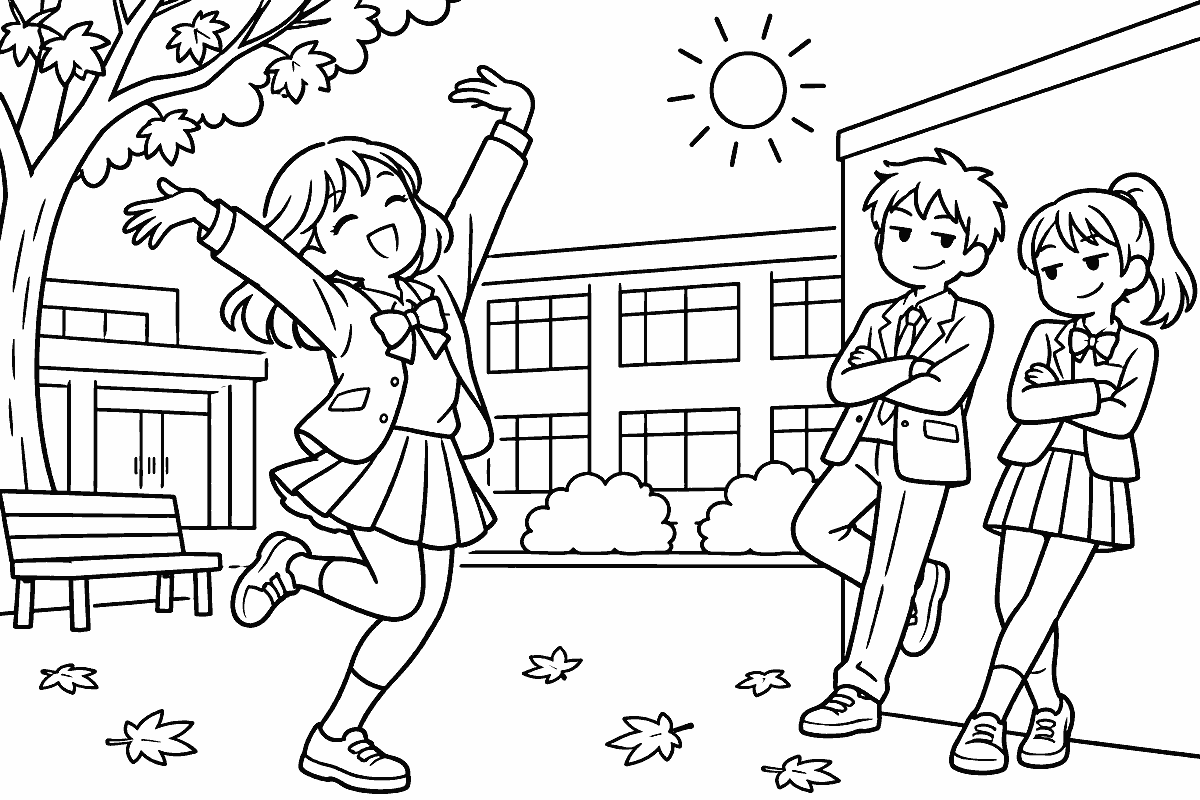
Reisho Is a Top Word for Teens This Year
1A Japanese word for laughing coldly at others ranked third in a survey of teenagers. The word is reisho. The survey was done by Koukousei Shimbun, a newspaper for high school students.
2The newspaper asked 103 junior and senior high school students about this year's popular words. Students could choose more than one word from a list of 17. Reisho got 69 votes. Dopagaki was first with 89 votes, and frenemy was second with 71.
3The two kanji in reisho mean cold and laugh. The newspaper said the word describes laughing at someone as if they were foolish. It can also mean looking at other people's actions in a cynical way.
4Reisho also ranked third in a much larger survey of young people. Baidu Japan, the company behind the keyboard app Simeji, collected 11,443 answers. The company said the word is about teasing someone who truly enjoys something.
Words 単語
| coldlyA1 | 副 | 冷たくin a way that is not kind or warm |
| rankedB1 | 動 | (順位に)入ったhad a place in a list from best to worst |
| surveyA1 | 名 | 調査、アンケートa set of questions asked to many people |
| votesA1 | 名 | 票choices people make for a person or idea |
| foolishB1 | 形 | ばかな、おろかなnot smart or not showing good sense |
| cynical外 | 形 | ななめに見る、冷めたthinking people's good actions are not real or worth much |
| teasingB1 | 動 | からかうこと、ちゃかすことsaying things to laugh at someone a little |
| trulyA2 | 副 | 本当に、心からin a real and honest way |
単語のレベル:CEFR-J(『CEFR-J Wordlist Version 1.6』 東京外国語大学投野由紀夫研究室. (URL: https://www.cefr-j.org/download.html より 2026年8月ダウンロード))
1. Reading Quiz 本文の内容に合うものを選ぼう
What place did reisho get in the Koukousei Shimbun survey?
A. FirstB. SecondC. ThirdD. Tenth
How many students answered the newspaper's survey?
A. 103B. 17C. 1,000D. 50
What do the two kanji in reisho mean?
A. Hot and cryB. Cold and laughC. Fast and talkD. Kind and smile
Which word was first in the newspaper's survey?
A. ReishoB. FrenemyC. SimejiD. Dopagaki
2. True or False 正しければ T、違っていれば F
( ) Students could choose only one word in the survey.
( ) Frenemy got more votes than reisho.
( ) Reisho can mean looking at other people's actions in a cynical way.
( ) Reisho was not in the top three of the larger survey.
3. Fill in the Blanks 下の語から選んで空らんをうめよう(形を変えずに)
cynicalsurveyfoolishvotescoldlyranked
Reisho got 69 _____.
The newspaper said the word describes laughing at someone as if they were _____.
It can also mean looking at other people's actions in a _____ way.
The _____ was done by Koukousei Shimbun, a newspaper for high school students.
A Japanese word for laughing _____ at others ranked third in a survey of teenagers.
Reisho also _____ third in a much larger survey of young people.
4. Word Order 語を並べかえて正しい文にしよう
( could / 17 / of / choose / more / a / word / Students / list / one / from / than ) .
( and / kanji / laugh / cold / The / two / reisho / in / mean ) .
( much / ranked / larger / Reisho / also / of / in / third / people / a / survey / young ) .
5. Think and Write 英語で答えてみよう
How do you feel when someone laughs at the things you love?(自分の好きなものをだれかに笑われたら、どんな気持ちになりますか?)
Which word was popular in your class this year?(今年、あなたのクラスではやった言葉は何ですか?)
Answers 解答
1. (1) C (2) A (3) B (4) D
2. (1) F (2) T (3) T (4) F
3. (1) votes (2) foolish (3) cynical (4) survey (5) coldly (6) ranked
4.
- Students could choose more than one word from a list of 17.
- The two kanji in reisho mean cold and laugh.
- Reisho also ranked third in a much larger survey of young people.
全文訳
1人を冷たく笑うことを表す日本語が、10代の調査で3位に入りました。その言葉は「冷笑」です。調査をしたのは、高校生のための新聞「高校生新聞」です。
2新聞は、中学生と高校生103人に、今年はやった言葉についてたずねました。生徒は17語のリストから、いくつでも選ぶことができました。冷笑は69票を集めました。1位は89票の「ドパガキ」、2位は71票の「フレネミー」でした。
3冷笑の2つの漢字は「冷たい」と「笑う」という意味です。新聞によると、この言葉は、相手をばかにしたように笑うことを表します。人のすることを、ななめから冷めた目で見ることも指します。
4冷笑は、もっと大きな若い人の調査でも3位に入りました。キーボードアプリ「Simeji」を出している会社、バイドゥが1万1443人の答えを集めました。会社は、この言葉は、何かを本気で楽しんでいる人をちゃかすことだと説明しました。
文法ポイント:受け身(be動詞 + 過去分詞 + by ~)
「~によって…される」を表す。だれがしたかは by のあとに書く。本文の The survey was done by Koukousei Shimbun.(調査は高校生新聞によって行われた)がその例。
出典:高校生新聞、PR TIMES(バイドゥ株式会社)、KAI-YOU(Yahoo!ニュース) ほか(記事は原田英語の時事英語ジュニアのオリジナル)|https://www.haradaeigo.com/jijieigo-junior/news/2026-11-28-reisho-teen-buzzword/