mushi no koe o kiku
enjoying the sound of autumn insects
虫の声を聴く(むしのこえをきく)
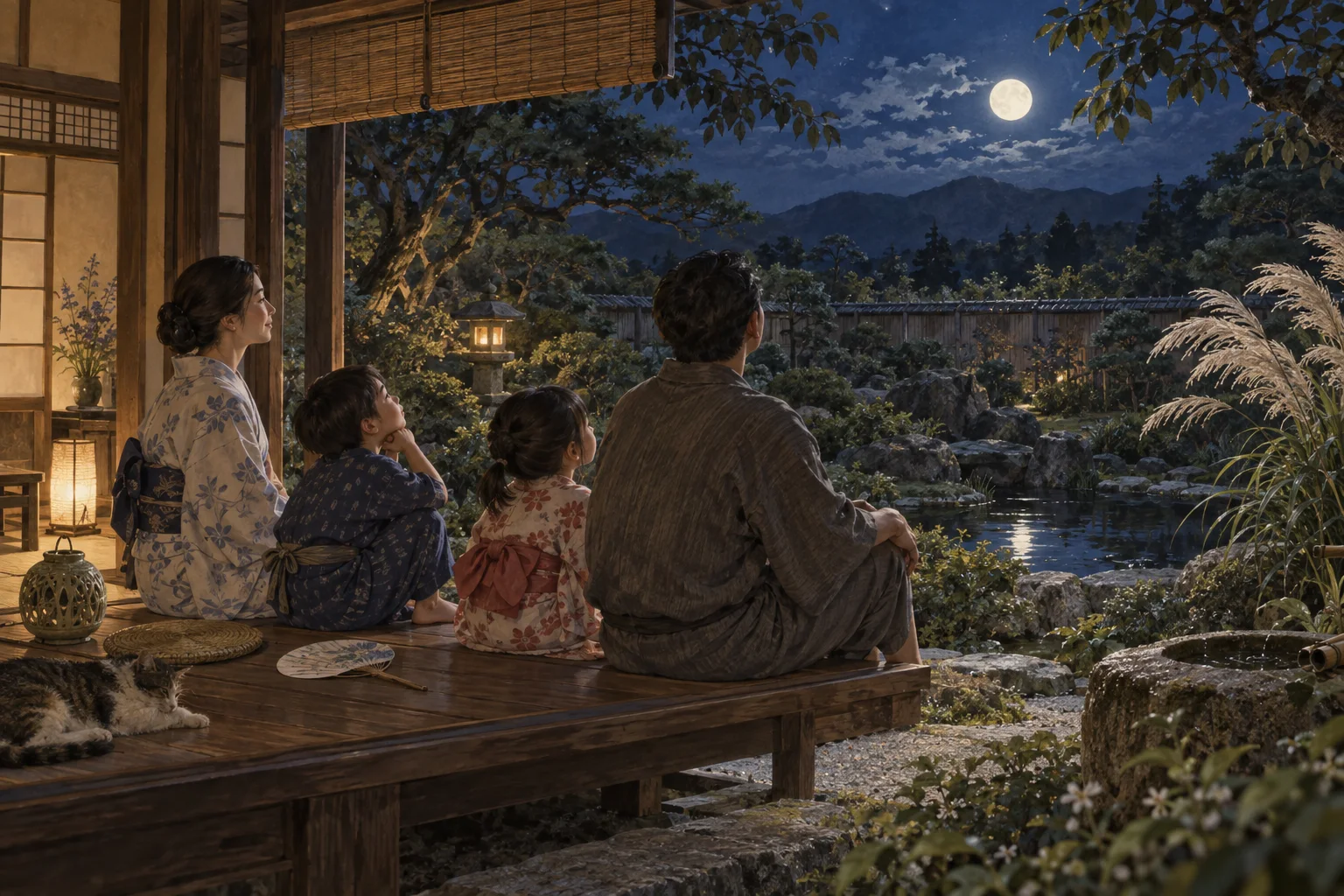
In one line
The shortest answer that works
Mushi no koe o kiku, or listening to insect songs, is treating autumn insect sounds as music, not noise.
虫の声を聴くとは、秋の虫の音を、騒音ではなく音楽のように味わうことです。
In 30 seconds
The standard explanation
In autumn, Japanese people talk about going out to listen to insects. Crickets and bell crickets are described with the word for voice rather than the word for noise, they appear constantly in classical poetry, and their sound is used in films and on television to signal the season. Insects were once kept in small cages and sold for their song.
秋になると、日本では虫の音を聴きに行くという言い方をします。コオロギや鈴虫の音は、騒音ではなく「声」という語で語られ、古典の和歌にも絶えず現れ、映画やテレビでも季節を示す音として使われます。かつては小さな籠で虫を飼い、その声のために売り買いもされていました。
As a short speech
A full paragraph you can read aloud
One small thing that surprises visitors is how Japanese people talk about insects in autumn. The sound a cricket makes is called its voice, not its noise, and listening to insects is a recognized autumn pleasure with its own vocabulary in poetry going back over a thousand years.
In the Edo period there were shops that sold singing insects in little bamboo cages, and some department stores still sell them. Recordings of bell crickets are used on television to say without words that the season has turned. Whether this reflects something about the Japanese ear is a question people enjoy raising.
One Japanese researcher argued decades ago that Japanese speakers process insect sounds in the language side of the brain, and the claim is often repeated, but it has not been well confirmed by later work, so it is best treated as an interesting idea rather than a fact. What is certain is that the habit of listening is taught.
訪れた人が驚く小さなことのひとつに、日本人が秋の虫について語るときの言い方があります。コオロギが出す音は「騒音」ではなく「声」と呼ばれ、虫の音を聴くことは、千年以上前の和歌にまでさかのぼる語彙を持つ、秋の楽しみとして認められています。
江戸時代には竹の小さな籠に入れて鳴く虫を売る店があり、今も百貨店で売られることがあります。鈴虫の録音は、季節が変わったことを言葉を使わずに伝えるためにテレビで使われます。これが日本人の耳の特徴を表しているのかどうかは、人が好んで持ち出す話題です。
数十年前、日本のある研究者は、日本語話者は虫の音を脳の言語側で処理すると主張しました。この説はよく引かれますが、その後の研究で十分に確かめられてはいないので、事実ではなく興味深い考えとして扱うのがよいでしょう。確かなのは、聴くという習慣が教えられたものだということです。
Questions people actually ask
And how to answer them.
Is it true that Japanese brains hear insects differently?
That idea comes from one researcher's work published decades ago and is repeated often, but it has not been reliably reproduced. A simpler explanation is cultural: children here grow up hearing these sounds named, praised and used in poems, so they listen for them.
その考えは数十年前に発表されたある研究者の説から来ていて、よく繰り返されますが、確かな形で再現されてはいません。より単純な説明は文化のほうです。日本の子どもは、その音に名前がつけられ、褒められ、歌に使われるのを聞いて育つので、聴き取ろうとするのです。
Which insects are people listening to?
In autumn mainly bell crickets, pine crickets and other crickets, each with a recognized sound and a poetic name. Cicadas in midsummer are a different matter, much louder, and even Japanese people describe those as noisy.
秋はおもに鈴虫、松虫、コオロギの仲間で、それぞれに知られた鳴き方と風雅な名があります。真夏の蝉は別の話で、はるかに大きく、日本人でもうるさいと言います。
A common misunderstanding
MYTHJapanese people have a biologically different ear for insect sounds.
FACTThe popular brain claim behind this has not been well confirmed. The difference is much more plausibly learned, from poetry, school and everyday language.
Phrases you can use
- We say the insects are singing, not making noise.虫が鳴いている、と言います。騒いでいるとは言いません。
- That sound means autumn has arrived.あの音がすると秋が来たということです。
- People used to keep them in little cages.昔は小さな籠で飼っていました。
- Cicadas in summer are a different story.夏の蝉はまた別の話です。
Words you need
- cricketコオロギ
- bell cricket鈴虫
- cicada蝉
- to chirp / to sing鳴く
Watch
From YouTubeBackground (Japanese)
『万葉集』の時代から虫の音は詠まれ、平安の和歌では秋の寂しさと結びつけられてきました。江戸時代には「虫売り」という商売があり、鈴虫や松虫を籠に入れて売り歩きました。今でも夏の終わりに鈴虫を売る店や、学校で飼う教室があります。俳句の季語としては、鈴虫や蟋蟀は秋、蝉は夏に分類されます。なお蝉の声は、日本人でもうるさいと感じる人が多く、風流とされるのはおもに秋の虫です。