


 この展示室のワークシート
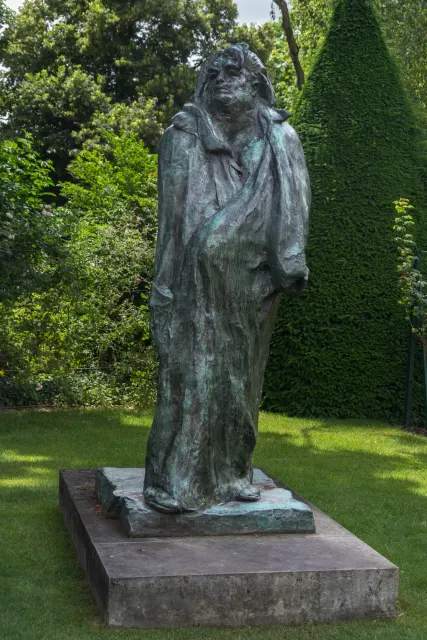
19世紀の後半、彫刻の世界に革命を起こしたのが、フランスのオーギュスト・ロダンです。当時の多くの記念像は、英雄を気高く理想的な姿で表していました。ロダンは、筋肉のふるえ、ごつごつした表面、ゆがんだポーズで、人間の悩みや情熱をそのまま形にしました。そのため「近代彫刻の父」とよばれます。
In the late 19th century, the French artist Auguste Rodin started a revolution in sculpture. Many public monuments of the time showed heroes as perfect and noble. Rodin used tense muscles, rough surfaces and twisting poses to show human struggle and passion. That is why he is called the father of modern sculpture.
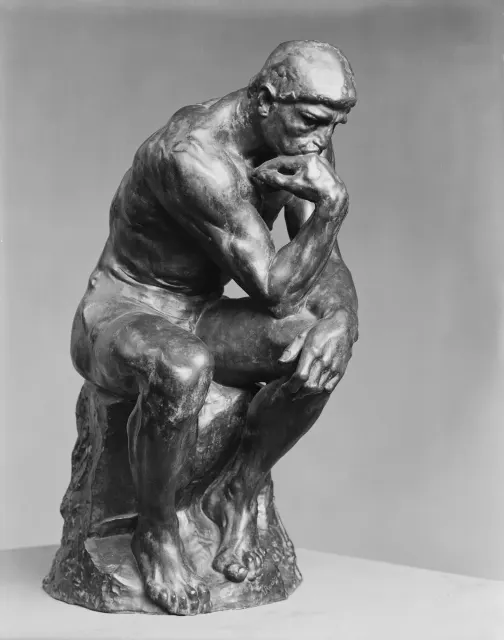
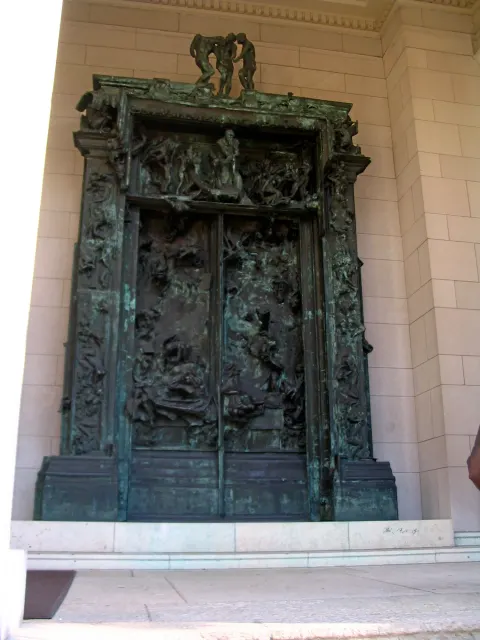
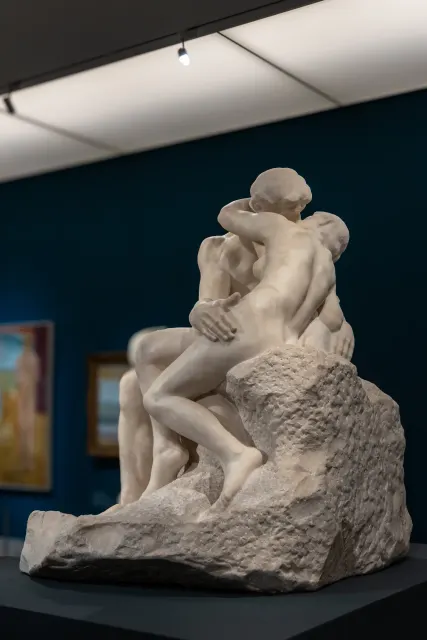
ロダン最大の仕事が『地獄の門』です。ダンテの『神曲』をもとにした巨大な門で、180体をこえる人物がうごめいています。1880年に注文を受けてから、亡くなる1917年まで、ロダンはこの門に取り組み続けました。有名な『考える人』や『接吻』も、もとはこの門のための人物から生まれ、のちに独立した作品になりました。
Rodin's greatest project was The Gates of Hell, a huge doorway based on Dante's Divine Comedy, crowded with more than 180 figures. He received the order in 1880 and kept working on it until his death in 1917. The famous Thinker and The Kiss both began as figures for the gates and later became separate works.
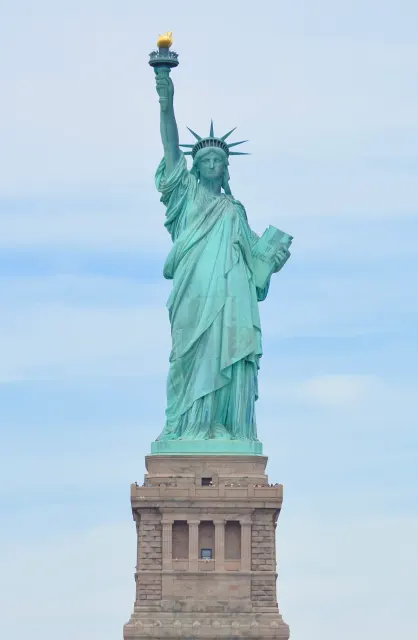
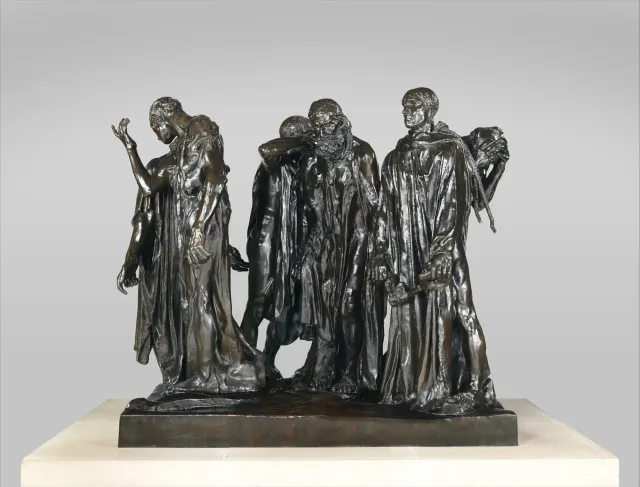
『カレーの市民』では、英雄ではなく、町を救うために命を差し出そうとする6人の不安と勇気を表し、高い台座ではなく、見る人に近い高さに置くことを望みました。同じころ、フランスからアメリカへ贈られた『自由の女神』は彫刻家バルトルディが作り、内部の鉄骨は、エッフェル塔で知られるエッフェルが設計しました。
In The Burghers of Calais, Rodin showed the fear and courage of six men ready to give their lives to save their town. He wanted them placed close to the viewer, not up on a high pedestal. Around the same time, France gave the Statue of Liberty to the United States. It was made by the sculptor Bartholdi, and its iron frame inside was designed by Gustave Eiffel, of Eiffel Tower fame.
