

 PDF をダウンロード
Modern Sculpture
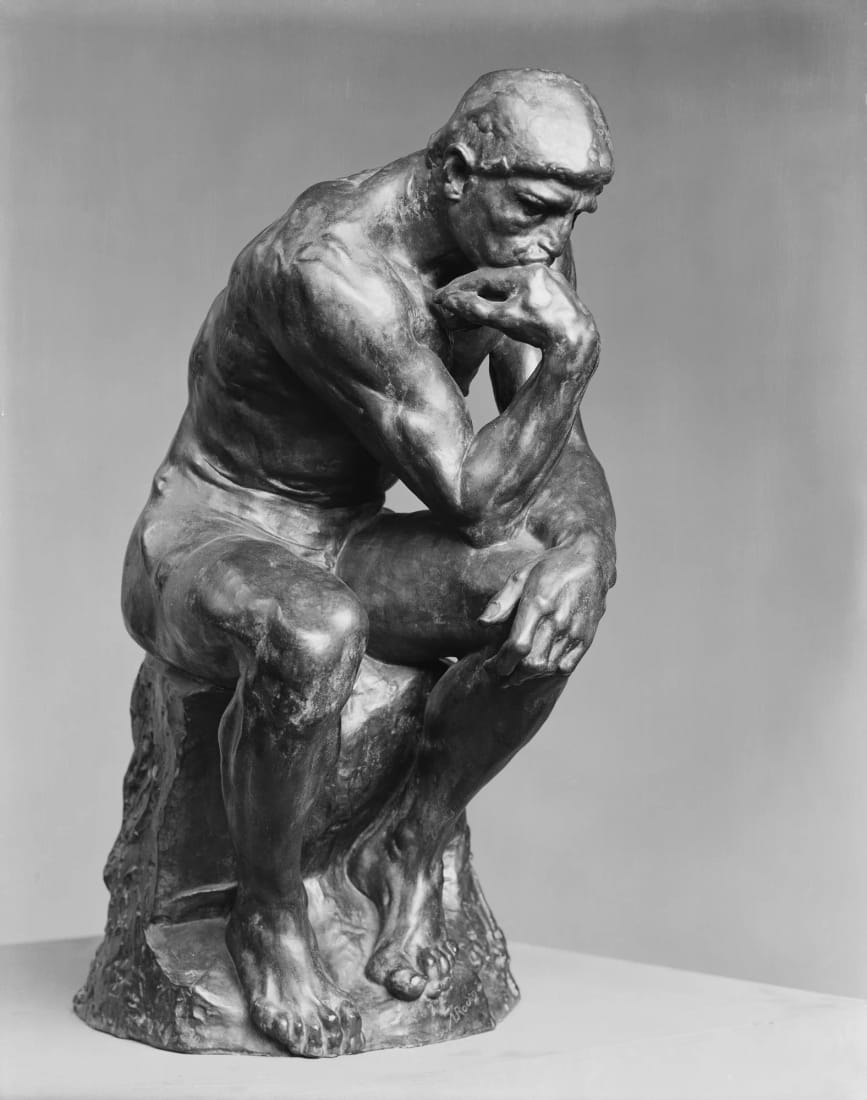
Auguste Rodin, modeled c. 1880, cast c. 1910
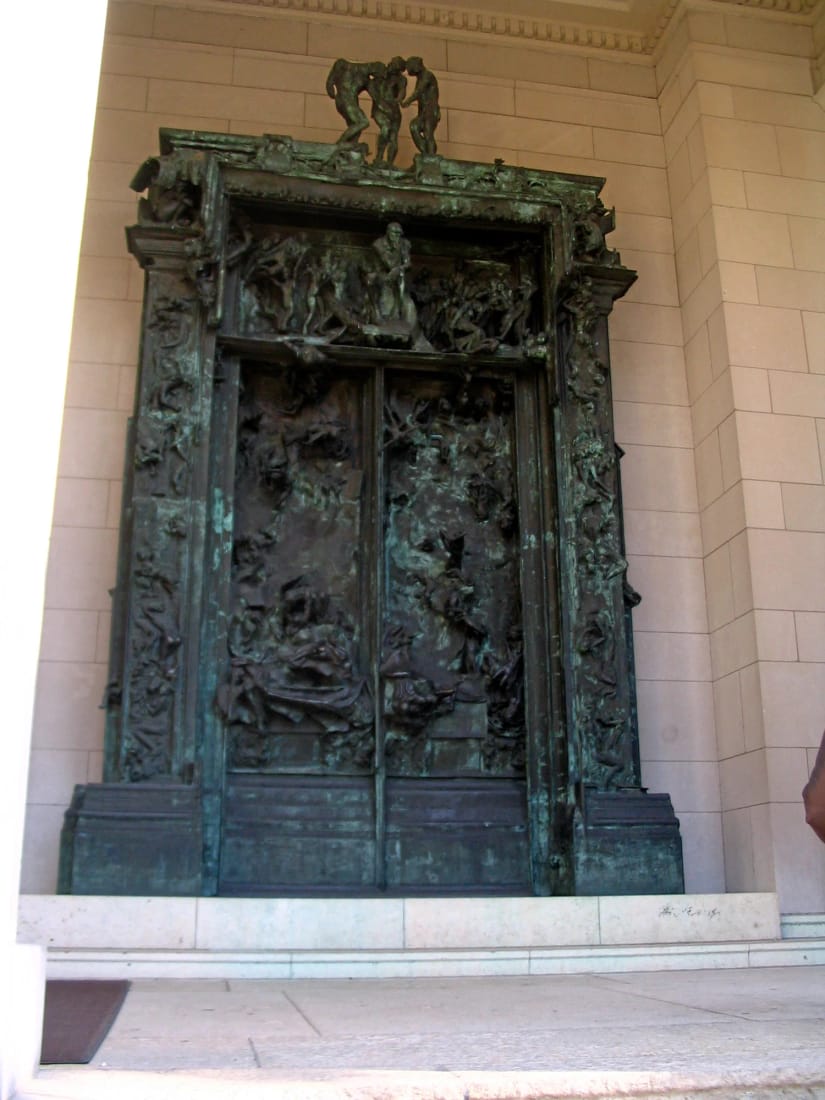
Auguste Rodin, modeled 1880–1917, cast 1926–28
1 How to spot it 2つの絵で見つけたら ✓ をつけよう。
| A | B | |
|---|---|---|
| The surface is rough, with marks left by fingers shaping clay. | ☐ | ☐ |
| Parts of a body emerge from the stone, as if unfinished. | ☐ | ☐ |
| It shows emotions like worry, pain or love, not a heroic pose. | ☐ | ☐ |
| Muscles and shadows seem to shift as the light changes. | ☐ | ☐ |
| Bronze casts from the same mold stand in museums around the world. | ☐ | ☐ |
2 Read 英文を読もう。
In the late 19th century, the French artist Auguste Rodin started a revolution in sculpture. Many public monuments of the time showed heroes as perfect and noble. Rodin used tense muscles, rough surfaces and twisting poses to show human struggle and passion. That is why he is called the father of modern sculpture.
Write one thing you learned:
Modern Sculpture
3 Art words — Match them. 英語と日本語を線で結ぼう。
- bronze casting ●
- plaster ●
- pedestal ●
- non finito ●
- ● ブロンズ鋳造
- ● 石膏
- ● 台座
- ● ノン・フィニート(未完成)
4 Quiz
Who did The Thinker originally represent?
- Rodin himself
- Napoleon
- The philosopher Socrates
- The poet Dante
5 Quiz
Who designed the iron frame inside the Statue of Liberty?
- Rodin
- Bartholdi
- Eiffel
- Edison
6 Which do you like better, A or B? Why? AとB、どちらが好き?理由も英語で。
I like ____ better because ________________________________.
Answers & Notes
1 How to spot it(訳)
- The surface is rough, with marks left by fingers shaping clay.
表面がごつごつしていて、粘土をこねた指のあとが残っている。 - Parts of a body emerge from the stone, as if unfinished.
体の一部が、未完成のように石からうかび上がっている。 - It shows emotions like worry, pain or love, not a heroic pose.
英雄のポーズではなく、悩み・苦しみ・愛など心の動きが表れている。 - Muscles and shadows seem to shift as the light changes.
光の当たり方で、筋肉や影がゆらいで見える。 - Bronze casts from the same mold stand in museums around the world.
同じ型から作られたブロンズ像が、世界各地の美術館にある。
A:考える人 B:地獄の門
2 Read(訳)
19世紀の後半、彫刻の世界に革命を起こしたのが、フランスのオーギュスト・ロダンです。当時の多くの記念像は、英雄を気高く理想的な姿で表していました。ロダンは、筋肉のふるえ、ごつごつした表面、ゆがんだポーズで、人間の悩みや情熱をそのまま形にしました。そのため「近代彫刻の父」とよばれます。
3 Art words
1–a(bronze casting=ブロンズ鋳造:型にとかした青銅を流しこんで像を作る方法。同じ像を何体も作れる。)
2–b(plaster=石膏:水でねると固まる白い粉。ブロンズ像の原型や型を作るのに使う。)
3–c(pedestal=台座:像をのせる台。ロダンは、高い台座で人物を遠ざけることをきらった。)
4–d(non finito=ノン・フィニート(未完成):イタリア語で「未完成」。わざと彫り残して、石から生まれるように見せる表現。)
4 Quiz
D 問:『考える人』は、もともとだれを表していた?
選択肢:A ロダン自身/B ナポレオン/C 哲学者ソクラテス/D 詩人ダンテ
解説:『地獄の門』の上で、自分が書いた『神曲』の地獄を見下ろすダンテとして作られました。
5 Quiz
C 問:『自由の女神』の内部の鉄骨を設計したのは?
選択肢:A ロダン/B バルトルディ/C エッフェル/D エジソン
解説:外側の像はバルトルディ、内側の骨組みはエッフェル塔で有名なエッフェルの設計です。
Fun Fact(訳)
『考える人』は、もとは「詩人」だった! 『考える人』は、『地獄の門』の上から地獄を見下ろす、詩人ダンテを表す像として作られました。『考える人』という題名は、のちに鋳造職人たちが、ミケランジェロの像に似ていると考えてよんだのが始まりといわれます。
