


 この展示室のワークシート
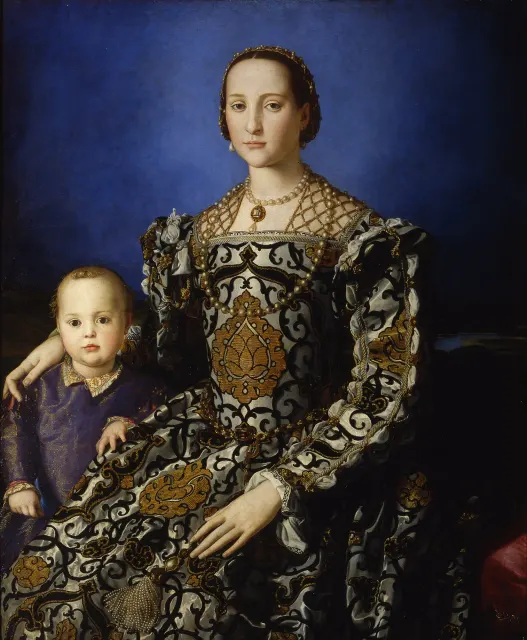
ラファエロが亡くなった1520年ごろ、盛期ルネサンスの調和や自然らしさとはちがう表現を求める画家たちが現れました。わざと体を長くのばしたり、むずかしいポーズや冷たく鋭い色を使ったりする、技巧をこらした様式です。これがマニエリスムです。イタリアのフィレンツェやローマから始まり、やがてヨーロッパ各地の宮廷に広まりました。
Around 1520, when Raphael died, some painters began looking for something different from the harmony and natural look of the High Renaissance. They created a clever, showy style with stretched bodies, difficult poses and cool, sharp colors. This is Mannerism. It began in Florence and Rome and later spread to royal courts across Europe.
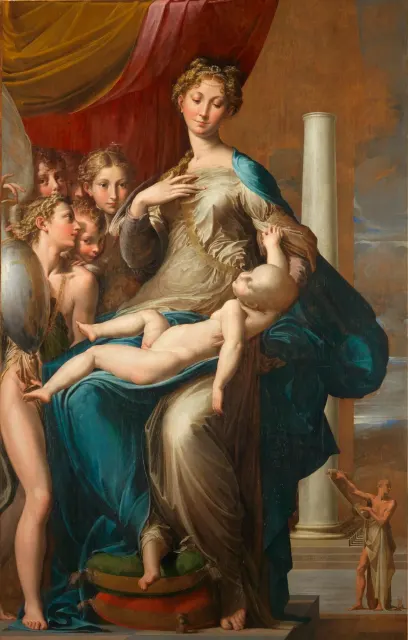
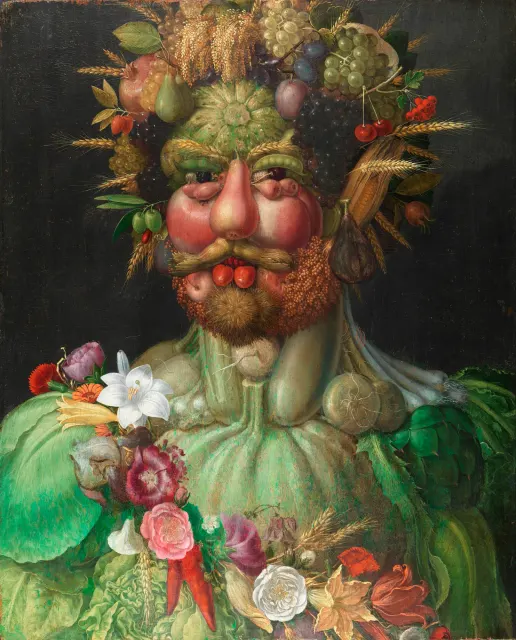
名前はイタリア語の「マニエラ(手法・スタイル)」から来ています。パルミジャニーノの『長い首の聖母』のように、人体のバランスをわざとくずして優雅さを強めた作品が生まれました。宮廷では、アルチンボルドが野菜や果物を組み合わせて皇帝の顔を描くという、なぞなぞのような肖像画で人々をおどろかせました。
The name comes from the Italian word maniera, meaning 'manner' or 'style'. In works like Parmigianino's Madonna with the Long Neck, artists bent the proportions of the body to make it more elegant. At court, Giuseppe Arcimboldo amazed people with puzzle-like portraits, such as an emperor's face made of fruit and vegetables.
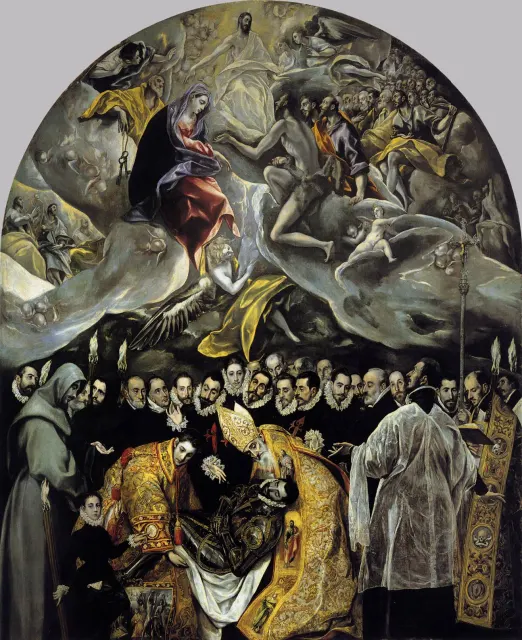
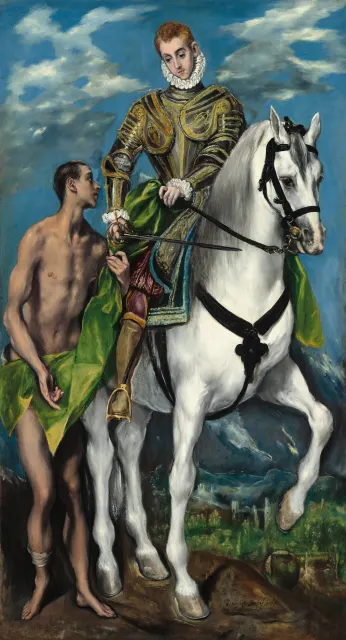
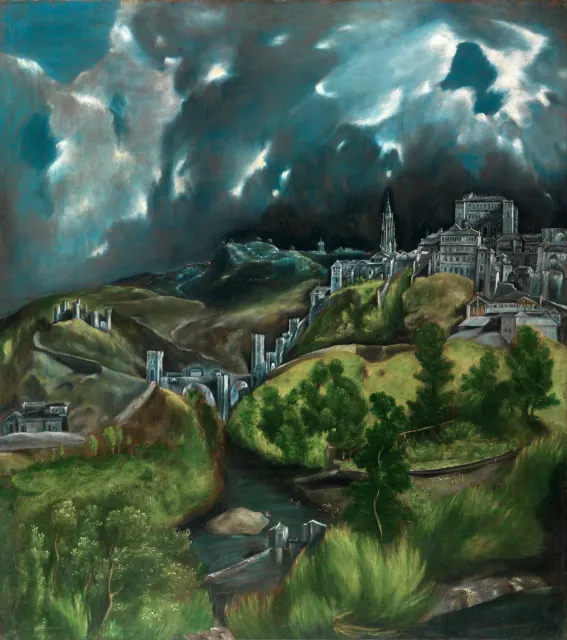
この流れの最後に現れたのが、ギリシャのクレタ島に生まれ、スペインのトレドで活躍したエル・グレコです。炎のように上へのびる人物、青白い光、うねる空。その絵は長く忘れられていましたが、19世紀の終わりから再び注目され、ピカソなど20世紀の画家たちに大きな影響をあたえました。
One of the last great artists of this period was El Greco, who was born on the Greek island of Crete and worked in Toledo, Spain. His figures stretch upward like flames, under pale light and stormy skies. His work was forgotten for a long time, but from the late 19th century it was rediscovered and inspired 20th-century painters such as Picasso.
