

 PDF をダウンロード
Mannerism
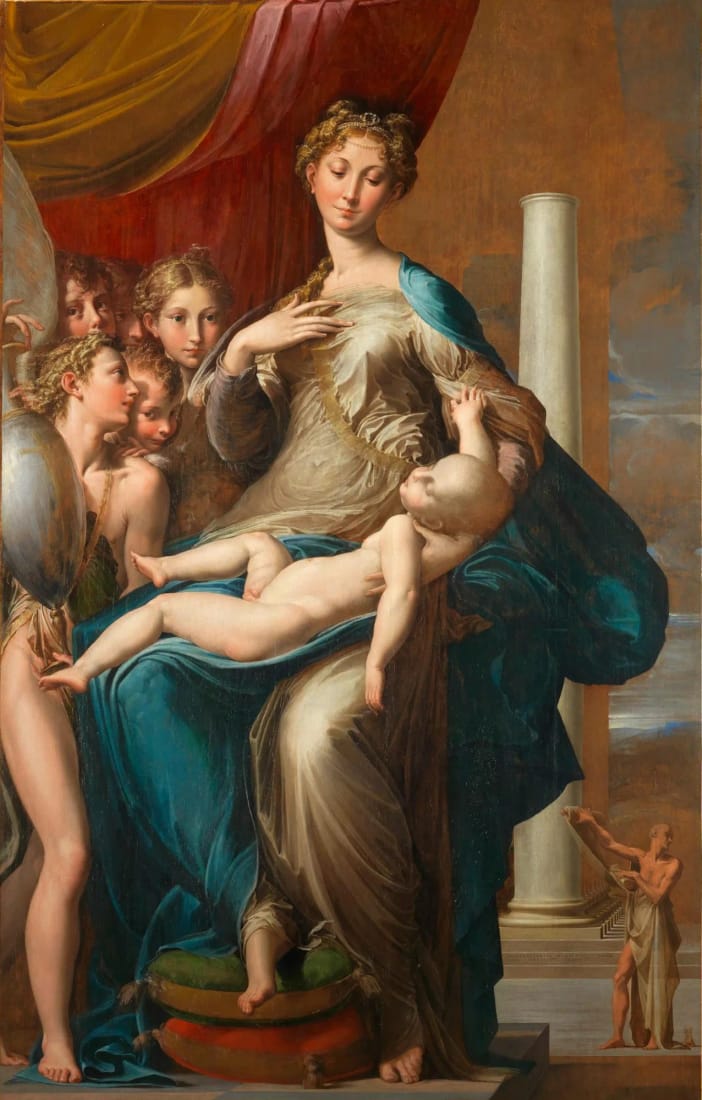
Parmigianino, c. 1534–1540
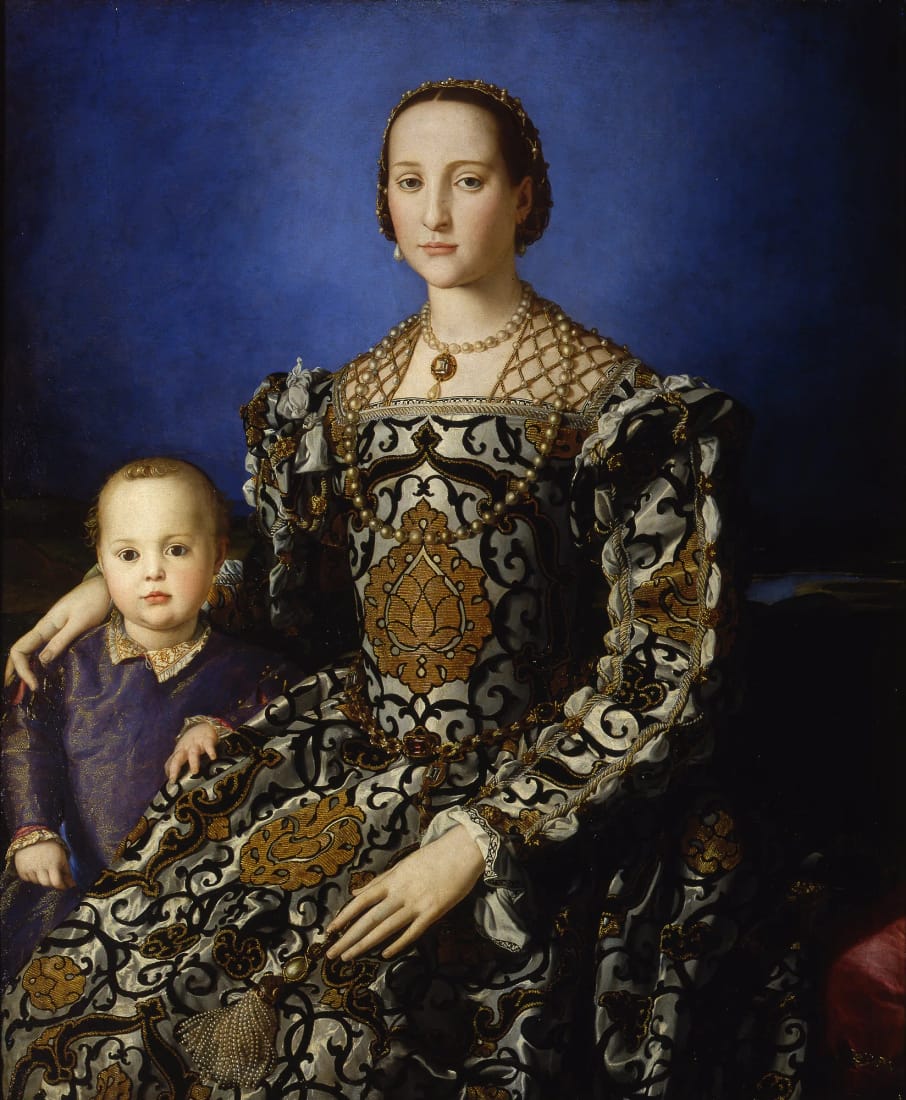
Agnolo Bronzino, c. 1545
1 How to spot it 2つの絵で見つけたら ✓ をつけよう。
| A | B | |
|---|---|---|
| Necks, arms, legs or whole bodies are unnaturally long. | ☐ | ☐ |
| Figures twist into difficult, unnatural poses. | ☐ | ☐ |
| Unusual cool colors, like pink, lime green and pale, ghostly light. | ☐ | ☐ |
| The picture is crowded, and the space feels unstable. | ☐ | ☐ |
| Some works hide tricks or visual puzzles. | ☐ | ☐ |
2 Read 英文を読もう。
Around 1520, when Raphael died, some painters began looking for something different from the harmony and natural look of the High Renaissance. They created a clever, showy style with stretched bodies, difficult poses and cool, sharp colors. This is Mannerism. It began in Florence and Rome and later spread to royal courts across Europe.
Write one thing you learned:
Mannerism
3 Art words — Match them. 英語と日本語を線で結ぼう。
- elongation ●
- figura serpentinata ●
- composite head ●
- maniera ●
- ● 引きのばし
- ● マニエラ(手法)
- ● 寄せ絵の顔
- ● フィグーラ・セルペンティナータ
4 Quiz
What does 'El Greco' mean?
- The Great One
- The man from Toledo
- The Greek
- The night painter
5 Quiz
What are the faces in Arcimboldo's portraits made of?
- Fruit and vegetables
- Jewels
- Musical instruments
- Clouds
6 Which do you like better, A or B? Why? AとB、どちらが好き?理由も英語で。
I like ____ better because ________________________________.
Answers & Notes
1 How to spot it(訳)
- Necks, arms, legs or whole bodies are unnaturally long.
首や手足、体全体が、ありえないほど細長い。 - Figures twist into difficult, unnatural poses.
体をくねらせた、むずかしくて不自然なポーズ。 - Unusual cool colors, like pink, lime green and pale, ghostly light.
ピンクや黄緑、青白い光など、ひんやりした見なれない色の組み合わせ。 - The picture is crowded, and the space feels unstable.
画面に人がぎゅうぎゅうにつまり、空間がどこか不安定。 - Some works hide tricks or visual puzzles.
だまし絵やなぞなぞのような、頭を使う仕掛けがある。
A:長い首の聖母 B:エレオノーラ・ディ・トレドと息子ジョヴァンニの肖像
2 Read(訳)
ラファエロが亡くなった1520年ごろ、盛期ルネサンスの調和や自然らしさとはちがう表現を求める画家たちが現れました。わざと体を長くのばしたり、むずかしいポーズや冷たく鋭い色を使ったりする、技巧をこらした様式です。これがマニエリスムです。イタリアのフィレンツェやローマから始まり、やがてヨーロッパ各地の宮廷に広まりました。
3 Art words
1–a(elongation=引きのばし:首や手足を実際より長く描いて、優雅さや緊張感を強める表現。)
2–d(figura serpentinata=フィグーラ・セルペンティナータ:イタリア語で「蛇のような形」。体をらせん状にひねったポーズ。)
3–c(composite head=寄せ絵の顔:果物や本など、たくさんの物を組み合わせて作った顔。アルチンボルドが有名。)
4–b(maniera=マニエラ(手法):イタリア語で「やり方・スタイル」。マニエリスムの名前のもと。)
4 Quiz
C 問:「エル・グレコ」とはどういう意味?
選択肢:A 偉大な人/B トレドの人/C ギリシャ人/D 夜の画家
解説:ギリシャのクレタ島出身だったので、スペインでこうよばれました。
5 Quiz
A 問:アルチンボルドの肖像画で、顔を作っているものは?
選択肢:A 果物や野菜/B 宝石/C 楽器/D 雲
解説:季節の果物・野菜・花を組み合わせて、ひとつの顔に見せています。
Fun Fact(訳)
「マンネリ」と同じ語源! 17世紀以降、この時代の絵は「巨匠のまねばかりの、わざとらしい手法」と低く見られました。日本語の「マンネリ」も、英語のmannerism(型にはまったくせ)から来ています。20世紀になって、独自の美しさをもつ様式として見直されました。
