konjo
grit, and the training culture built around it
根性(こんじょう)
In one line
The shortest answer that works
Konjo means grit or guts, and in sport it names a style of training that Japan is now reconsidering.
根性とは、耐えてやり抜く力のことで、運動の指導では、いま見直されつつある考え方の名前でもあります。
In 30 seconds
The standard explanation
Konjo means the will to endure and push through. As a personal quality it is praised. As a coaching philosophy, konjo training meant long sessions, few breaks and hardship treated as the point, and it has been increasingly criticized as sports science and attitudes to punishment have changed.
根性とは、耐えて押し通す意志のことです。人の資質としては褒め言葉です。一方、指導の考え方としての根性論は、長時間の練習、少ない休憩、苦しさそのものに意味を見る態度を指し、運動科学の広まりと体罰への見方の変化にともなって、批判が強まってきました。
As a short speech
A full paragraph you can read aloud
Konjo translates roughly as guts or grit, and it is worth explaining because it points at something Japan is actively arguing about. As a description of a person it is positive: someone with konjo keeps going when it stops being enjoyable. The complication is what happened to the word in sport.
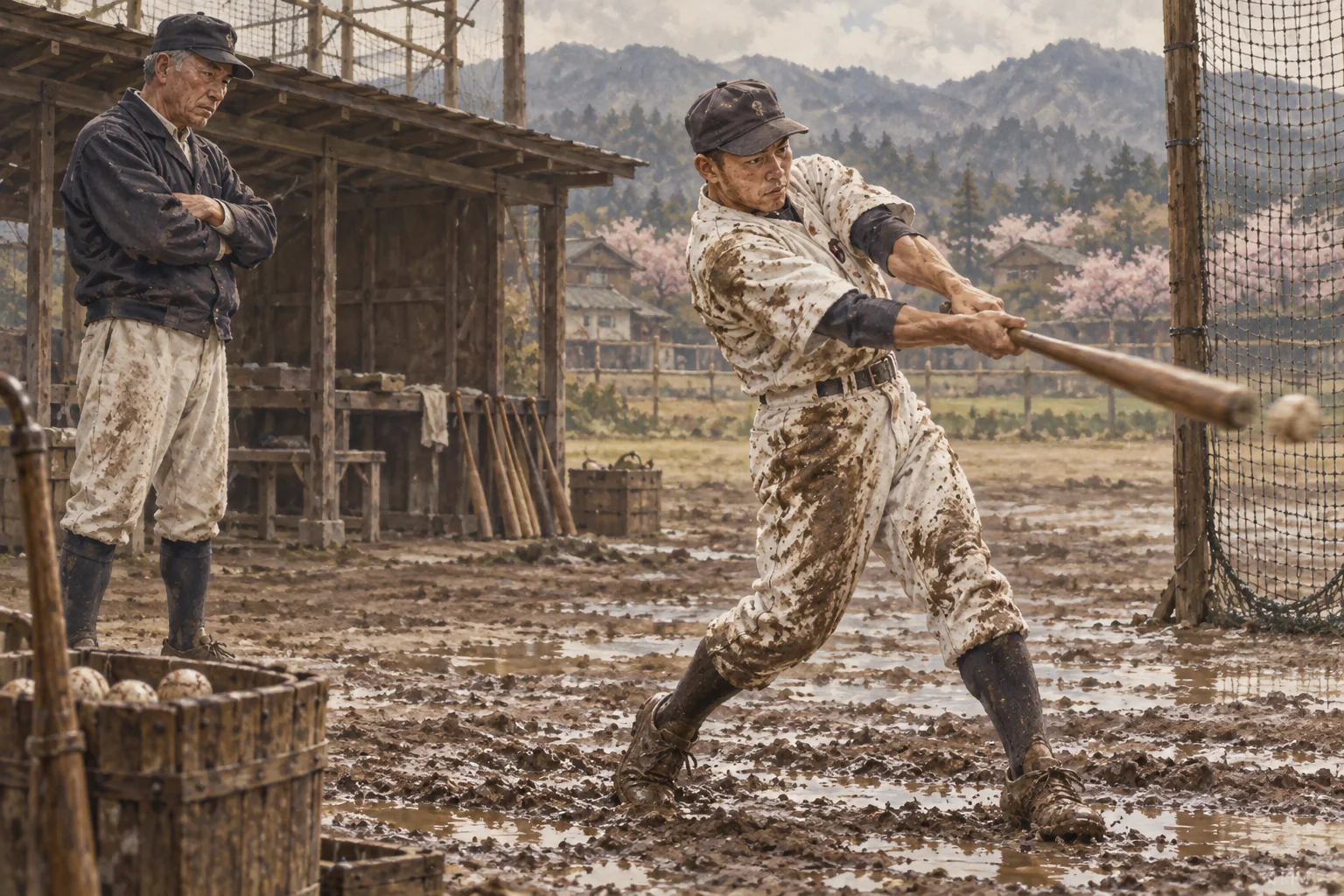
Through the second half of the twentieth century, a coaching style grew up around it in which endurance was the training, with very long practices, restricted water breaks and physical punishment treated as character building. It produced results and it also produced injuries and worse, and it has been steadily dismantled since.
Federations now issue guidance on hydration, heat and punishment, and schools have been told plainly that hitting a student is not coaching. What survives is the personal sense of the word, and most Japanese people today would praise a colleague's konjo while wanting nothing to do with the training culture that once carried the same name.
根性は、おおよそ気概や粘りと訳せます。説明する値打ちがあるのは、この語が、日本が今まさに議論している事柄を指しているからです。人を評する言葉としては肯定的で、根性のある人とは、楽しくなくなってからも続けられる人のことです。ややこしいのは、この語が運動の世界でたどった道です。
二十世紀の後半を通じて、耐えること自体を練習とみなす指導が広まりました。とても長い練習、水を飲ませない休憩、そして体罰を人格を鍛えるものとして扱う態度です。それは成果も生みましたが、けがを、そしてそれ以上のことも生みました。以来、この指導は少しずつ解体されてきました。
競技団体は水分、暑さ、罰についての指針を出し、学校には、生徒を殴ることは指導ではないとはっきり伝えられています。残っているのは、人を評する側の意味です。今の多くの日本人は、同僚の根性を褒めながら、かつて同じ名前を背負っていた練習のやり方とは関わりたくないと考えています。
Questions people actually ask
And how to answer them.
Is konjo still praised?
As a personal quality, yes, in the same way English praises grit. What is criticized is konjo as a method, the belief that suffering itself produces ability regardless of what the training actually does.
人の資質としては、今も褒め言葉です。英語で粘り強さを褒めるのと同じです。批判されているのは方法としての根性論で、練習の中身にかかわらず、苦しむこと自体が力を生むという考え方のほうです。
What changed?
Sports science made the costs measurable, heatstroke deaths during school club practice drew attention, and a series of cases of physical punishment by coaches became public. Guidance from federations and the education ministry followed.
運動科学によって代償が測れるようになり、部活動中の熱中症による死亡が注目され、指導者による体罰の事例が相次いで表に出ました。競技団体や文部科学省の指針は、そのあとに続いたものです。
Do I need to avoid the word?
Not at all. Praising someone's konjo is ordinary and welcome. Just do not present the old training culture as an admirable Japanese tradition, because many Japanese people would firmly disagree.
避ける必要はありません。人の根性を褒めるのはふつうのことで、喜ばれます。ただ、昔の指導のやり方を日本の立派な伝統として紹介するのはやめてください。多くの日本人が、はっきり異を唱えます。
A common misunderstanding
MYTHJapanese sport is still built on endurance training and physical punishment.
FACTThat style is under active criticism and has been the subject of official guidance and public cases. Practice in many schools and clubs has changed, though how far varies a great deal by place and coach.
Phrases you can use
- She has real grit.彼女は根性があります。
- He stuck with it to the end.最後までやり抜きました。
- That kind of coaching is being reconsidered.ああいう指導は、いま見直されています。
- Please take water breaks.水分はこまめに取ってください。
- Hard work is not the same as suffering.努力と我慢は同じではありません。
Words you need
- grit根性・粘り強さ
- to endure耐える
- a coaching style指導のやり方
- physical punishment体罰
- heatstroke熱中症
Watch
From YouTubeBackground (Japanese)
根性は、耐えてやり抜く力として日常でも褒め言葉に使われます。一方、練習の量と苦しさを重んじる指導は根性論と呼ばれ、区別して語られます。部活動での熱中症の対策として、練習中の水分補給や暑さ指数に応じた中止の目安が示されるようになりました。体罰については、学校教育法が体罰を禁じており、文部科学省も指導と体罰の区別を通知で示しています。競技団体も指針を出しており、指導者向けの講習が広く行われています。