ganbatte
the encouragement that is not quite good luck
がんばって(がんばって)
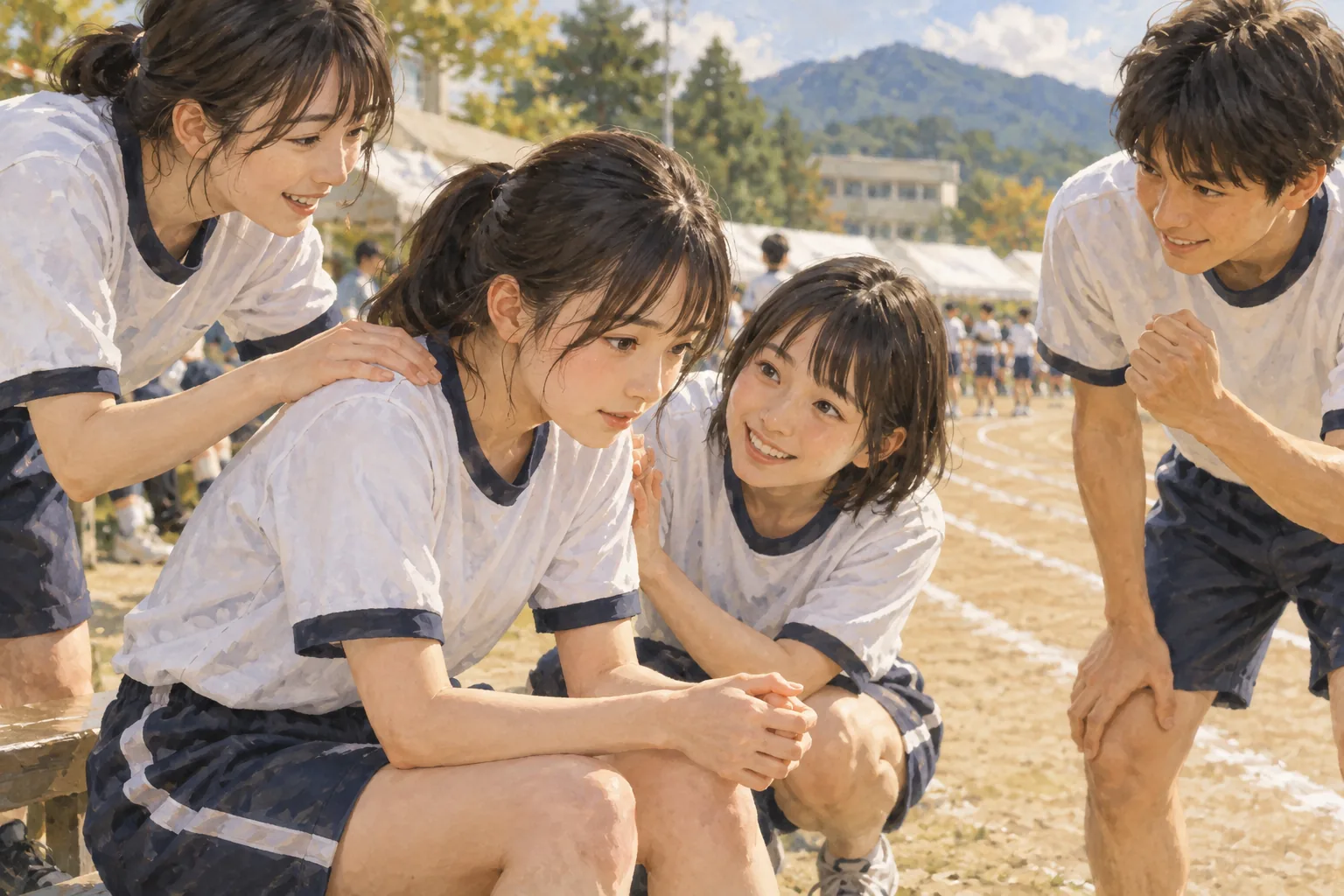
In one line
The shortest answer that works
Ganbatte is said to encourage someone, but it asks for effort rather than wishing them luck.
がんばっては人を励ます言葉ですが、幸運を願うのではなく、努力を求めています。
In 30 seconds
The standard explanation
Ganbatte is the standard word of encouragement in Japan, said before exams, matches, job interviews and difficult days. It is usually translated as good luck, but the verb means to persist or hold out. You are not wishing someone fortune; you are telling them to keep going. That difference matters, and it is why the word is sometimes criticized.
がんばっては日本の標準的な励ましの言葉で、試験、試合、面接、つらい日の前に言われます。ふつう good luck と訳されますが、動詞の意味は「耐え抜く」「続ける」です。幸運を願っているのではなく、続けろと言っているのです。この違いは大きく、この言葉が批判されることがある理由でもあります。
As a short speech
A full paragraph you can read aloud
Ganbatte is the word Japanese people say to encourage someone, and it is usually translated as good luck. That translation hides something. Good luck wishes fortune on someone, which is outside their control.
The verb ganbaru means to hold out, to persist, to not give up, so ganbatte is closer to keep going, or do your best. You are pointing at the person's effort, not at chance. For most situations this is warm and completely ordinary: before an exam, before a match, to a friend starting a new job.
But the same word has been criticized, because if you say it to someone who is already exhausted, or seriously ill, or struggling with their mental health, you are telling them to try harder. Japanese has a softer alternative for those cases, muri shinaide, which means do not push yourself. Knowing when to use each one is part of speaking Japanese well.
がんばっては、日本人が人を励ますときに言う言葉で、ふつう good luck と訳されます。この訳は何かを隠しています。good luck は幸運を願う言葉で、幸運は本人の力の外にあります。動詞の「がんばる」は、持ちこたえる、粘る、あきらめない、という意味です。
だから「がんばって」は keep going や do your best に近い。指しているのは運ではなく、その人の努力です。たいていの場面では、これは温かく、ごく普通の言葉です。試験の前、試合の前、新しい仕事を始める友人に。しかし同じ言葉が批判されることもあります。
すでに疲れきっている人、重い病気の人、心の調子を崩している人に言えば、もっと努力しろと言っていることになるからです。日本語にはそうした場面のためのやわらかい言い方があります。「無理しないで」です。どちらを使うかを見分けられることが、日本語を上手に話すことの一部です。
Questions people actually ask
And how to answer them.
What do I say to someone who is already struggling?
Muri shinaide, meaning don't push yourself, or muri shinaide ne. It is the standard alternative, and using it shows you have noticed their state rather than just cheering.
「無理しないで」「無理しないでね」です。標準的な言い換えで、ただ励ますのではなく相手の状態に気づいたことが伝わります。
Why does it sound pushy in English?
Because the literal sense is closer to try hard. Translating it as good luck smooths that over, but the Japanese word really does point at effort, and that is why it can land badly.
直訳すると「努力しろ」に近いからです。good luck と訳すとそこが均されますが、この語は本当に努力を指しており、だから場合によっては刺さってしまいます。
What do you reply?
Ganbarimasu, meaning I will do my best, or arigato. Between friends a simple un, yeah, is enough. There is no elaborate response expected.
「がんばります」か「ありがとう」です。友人同士なら「うん」で足ります。凝った返しは期待されていません。
A common misunderstanding
MYTHGanbatte just means good luck.
FACTIt asks for perseverance, not fortune. Because of that it can be an unkind thing to say to someone who is already at their limit, and Japanese speakers switch to a gentler phrase in those situations.
Phrases you can use
- Do your best.がんばって。
- Don't push yourself too hard.無理しないでね。
- I'll do my best.がんばります。
- It isn't quite the same as good luck.good luck とは少し違います。
- You're already doing enough.もう十分やっていますよ。
Words you need
- encourage励ます
- perseverance粘り強さ、根気
- hang in there持ちこたえる
- burn out燃え尽きる
- take it easy無理しない、気楽にやる
Watch
From YouTubeBackground (Japanese)
「がんばる」の語源には、「我を張る」から転じたとする説と、「眼張る(目を見張って見張る)」から転じたとする説がある。「我を張る」説に立てば、もとは「自分の考えを押し通す」に近い意味だったことになる。近年は、うつ病の人に「がんばって」と言わないほうがよいという指摘が医療の場から広まり、この言葉の使い方が社会的に議論されるようになった。東日本大震災の際にも、被災地に向けた「がんばろう」という言葉に対して、当事者の側から負担を感じるという声が上がった。代わりに「寄り添う」という語が多く使われるようになったともいわれる。