 32分
 朗読 Kathrine Engan
 原文そのまま
 PDFで印刷(A4 26まい)
Nowadays, people lay everything to heredity; that is, they say that human beings and animals both receive their special talents from their ancestors, who have perhaps been developing them through many generations.このごろは、何でも「遺伝」のせいにします。つまり、人間も動物も、とくべつな才能を祖先から受けついでいて、その祖先たちが、何代もかけてその才能をのばしてきたのだろう、と言うのです。 I do not altogether agree with this theory.わたしは、この考えにすっかり賛成というわけではありません。 I am going to tell you my own story to show that I did not inherit my passion for insects from any of my ancestors.これから、わたし自身の話をしましょう。わたしの虫ずきが、祖先のだれかから受けついだものではないことを、わかってもらうためです。
Neither my grandfather nor my grandmother on my mother’s side cared in the least about insects.母方のおじいさんも、おばあさんも、虫にはこれっぽっちも関心がありませんでした。 I did not know my grandfather, but I know that he had a hard time making a living, and I am sure the only attention he paid to an insect, if he met it, was to crush it under his foot.おじいさんには会ったことがありませんが、くらしを立てるのにたいへん苦労した人だったと聞いています。きっと、虫に出会っても、足でふみつぶすくらいしか、気にかけなかったにちがいありません。 Grandmother, who could not even read, certainly cared nothing about science or insects.おばあさんは字も読めませんでしたから、科学にも虫にも、もちろん関心はありませんでした。 If, sometimes, when rinsing her salad at the tap, she found a Caterpillar on the lettuce leaves, with a start of fright she would fling the loathsome thing away.ときどき、水道のところでサラダ菜をあらっていて、レタスの葉にイモムシを見つけると、おばあさんはびくっとこわがって、そのいやなものを放りなげたものです。
My other grandparents, my father’s father and mother, I knew well.もう一組の祖父母、つまり父方のおじいさんとおばあさんのことは、よく知っています。 Indeed, I went to live with them when I was five or six years old, because my father and mother were too poor to take care of me.それどころか、わたしは5、6さいのころ、この二人のところでくらしていました。父と母がまずしくて、わたしを育てられなかったからです。 These grandparents lived on a poverty-stricken farm away out in the country.この祖父母は、ずっといなかの、まずしい農場にすんでいました。 They did not know how to read; they had never opened a book in their lives.二人とも字が読めず、生まれてから一度も本を開いたことがありませんでした。 Grandfather knew a great deal about cows and sheep, but nothing about anything else.おじいさんは、牛や羊のことならとてもよく知っていましたが、ほかのことは何も知りませんでした。 How dumfounded he would have been to learn that, in the distant future, one of his family would spend his time studying insignificant insects!ずっと先の未来に、自分の家族のひとりが、ちっぽけな虫を調べてくらすようになると知ったら、おじいさんはどんなにびっくりしたことでしょう! If he had guessed that that lunatic was myself, seated at the table by his side, what a smack I should have caught in the neck!しかも、そのおかしなやつが、となりの席にすわっているこのわたしだと気づいたら、首すじにどんなにきつい一発をくらったことか!
“The idea of wasting one’s time with that nonsense!” he would have thundered.「そんなくだらんことで時間をむだにするとは、とんでもない!」と、おじいさんはどなりつけたことでしょう。
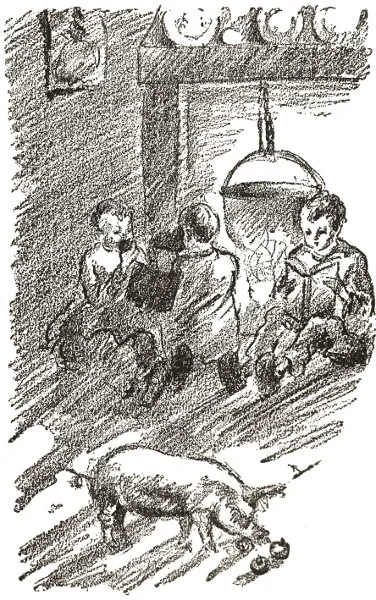
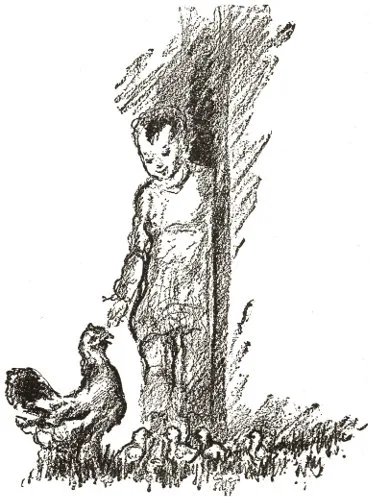
Grandmother, dear soul, was too busy with washing the clothes, minding the children, seeing to the meals of the household, spinning, attending to the chickens, curds and whey, butter, and pickles, to think of anything else.やさしいおばあさんは、せんたく、子どもの世話、家族の食事のしたく、糸つむぎ、ニワトリの世話、チーズづくりやバターづくり、つけものづくりにいそがしく、ほかのことを考えるひまなどありませんでした。 Sometimes, in the evenings, she used to tell us stories, as we sat around the fire, about the Wolf who lived on the moors.ときどき夜になると、みんなで火のまわりにすわっているとき、あれ野にすむオオカミのお話を聞かせてくれました。 I should have very much liked to see this Wolf, the hero of so many tales that made our flesh creep, but I never did.ぞっとするようなお話にたくさん出てくるこのオオカミを、わたしはぜひ見てみたかったのですが、とうとう一度も見られませんでした。 I owe a great deal to you, dear grandmother; it was in your lap that I found consolation for my first sorrows.大すきなおばあさん、わたしはあなたにとても感謝しています。わたしがはじめての悲しみをなぐさめてもらったのは、あなたのひざの上でした。 You have handed down to me, perhaps, a little of your physical vigor, a little of your love for work; but certainly you did not give me my love for insects.あなたは、じょうぶな体や、働くことがすきな心を、少しはわたしに受けつがせてくれたかもしれません。でも、虫ずきをくれたのは、あなたではありません。
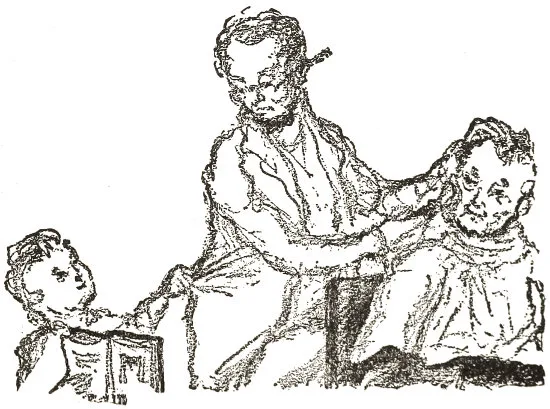
Nor did either of my own parents.わたしの両親でもありません。 My mother was quite illiterate; my father had been to school as a child, he knew how to read and write a little, but he was too busy making a living to have room for any other cares.母は字がまったく読めませんでした。父は子どものころ学校に行ったので、読み書きが少しできましたが、くらしを立てるのにいそがしく、ほかのことを気にかけるゆとりはありませんでした。 A good cuff or two when he saw me pinning an insect to a cork was all the encouragement I received from him.わたしが虫をコルクにピンでとめているのを見ると、父はぽかりと一、二発げんこつをくれました。父からもらった「はげまし」は、それだけでした。
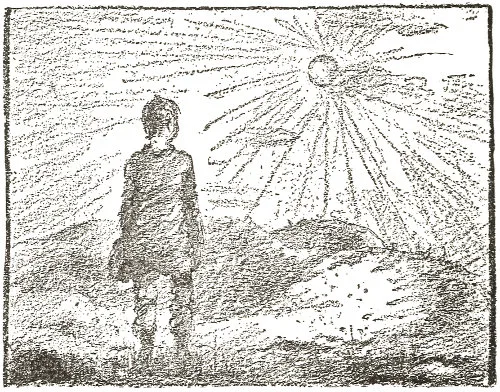
And yet I began to observe, to inquire into things, when I was still almost a baby.それなのに、わたしはまだ赤ちゃんといってもいいころから、ものをよく見て、いろいろなことを調べはじめていたのです。 My first memories of this tendency will amuse you.そのころのいちばん古い思い出を話すと、きっとみなさんは楽しくなるでしょう。 One day when I was five or six years old I was standing on the moor in front of our farm, clad in a soiled frieze frock flapping against my bare heels: I remember the handkerchief hanging from my waist by a bit of string,—a handkerchief, I am sorry to say, often lost and replaced by the back of my sleeve.5、6さいのある日、わたしは農場の前のあれ野に立っていました。よごれた毛織りの上着を着て、そのすそがはだしのかかとにぱたぱた当たっていました。こしにはひもでハンカチをぶら下げていたのをおぼえています。ざんねんながら、そのハンカチはしょっちゅうなくなり、かわりにそでのうらで鼻をふいていました。
My face was turned toward the sun.わたしは太陽のほうを向いていました。 The dazzling splendor fascinated me.そのまぶしいかがやきに、わたしはすっかり心をうばわれていました。 No Moth was ever more attracted by the light of the lamp.ランプの光にひきよせられるガだって、これほどではなかったでしょう。 As I stood there, I was asking myself a question.そこに立ったまま、わたしは自分に問いかけていました。 With what was I enjoying the glorious radiance, with my mouth or my eyes?このすばらしい光を、わたしは何で味わっているのだろう、口かな、それとも目かな? Reader, do not smile: this was true scientific curiosity.読者のみなさん、笑わないでください。これこそ、ほんとうの科学の知りたい気持ちだったのです。 I opened my mouth wide and closed my eyes: the glory disappeared.口を大きくあけて、目をとじてみました。すると、光は消えてしまいました。 I opened my eyes and shut my mouth: the glory reappeared.目をあけて、口をとじてみました。すると、光はまたあらわれました。 I repeated the performance, with the same result.何度くりかえしても、同じ結果でした。 The question was solved: I had learned by deduction that I see the sun with my eyes.問題はとけました。わたしは、考えをすすめて、太陽を見ているのは目だということをつきとめたのです。 Oh, what a discovery!ああ、なんという大発見でしょう! That evening, I told the whole house about it.その晩、わたしは家じゅうの人にそのことを話しました。 Grandmother smiled lovingly at my simplicity: the others laughed at it.おばあさんは、わたしのむじゃきさにやさしくほほえみましたが、ほかの人たちは大笑いしました。