原田英語の多読ベストジュニア このサイトについてはじめて

the Mining Bees

土をほるハチ(コハナバチ)
★★★★★20分3381語朗読 JMGaul原文そのまま一致率 95.8%

庭の小道に穴をほって、小さな町を作るシマコハナバチ。花粉のパン、ずるいコバエ、そして入り口を守る「おばあさんの門番」のお話です。

PDFで印刷(A4 19まい)

These Bees are generally longer and slighter than the Bee of our hives.このハチたちは、ふつう、わたしたちのミツバチよりも細長い体をしています。 They are of different sizes, some larger than the Common Wasp, others even smaller than the House-fly, but all have a mark that shows the family.このハチたちは、ふつう、わたしたちがす箱でかっているミツバチよりも細長い体をしています。 This is a smooth and shiny line, at the back of the tip-end of the abdomen, a groove along which the sting slides up and down when the insect is on the defensive.それは、おなかの先の後ろがわにある、なめらかでつやのある線です。このみぞは、虫が身を守るときに、はりを上下にすべらせるためのものです。 The particular species I am going to tell you about is called the Zebra Bee, because the female is beautifully belted around her long abdomen with alternate black and pale-russet scarfs; a simple and pretty dress.これからお話しするのは、シマコハナバチという種類です。メスの長いおなかに、黒とうすい赤茶色のおびが、かわりばんこに美しく巻かれているので、こうよばれます。かざりけのない、かわいらしい服です。 She is about the size of the Common Wasp.メスは、ふつうのスズメバチくらいの大きさです。

She builds her galleries in firm soil, where there is no danger of landslides.このハチは、土くずれの心配のない、かたい土の中にトンネルを作ります。 The well-leveled paths in my garden suit her to perfection.わたしの庭の、よくならした小道は、このハチにとってまさにぴったりの場所です。 Every spring she takes possession of them, never alone, but in gangs whose number varies greatly, amounting sometimes to as many as a hundred.毎年春になると、このハチたちは小道を自分たちのものにします。けっして一ぴきではなく、むれになってやってきます。むれの数は年によって大きくちがい、ときには百ぴきにもなります。 In this way she founds what may be described as small townships.毎年春になると、このハチたちは小道を自分たちのものにします。けっして一ぴきではなく、むれになってやってきます。むれのハチの数は年によって大きくちがい、ときには百ぴきにもなります。

Each Bee has her home, a house which no one but the owner has the right to enter.ハチは一ぴきずつ自分の家を持っていて、その家には持ち主のほかはだれも入る権利がありません。 A good beating would soon call to order any adventuress Bee who dared to make her way into another’s dwelling.もし、ずうずうしいハチが、よそのハチの住まいに入りこもうとしたら、たちまちこっぴどくたたかれて、こらしめられることでしょう。 Let each keep to her own place and perfect peace will reign in this new-formed society.めいめいが自分の場所を守っていれば、このできたばかりの社会は、すっかり平和です。

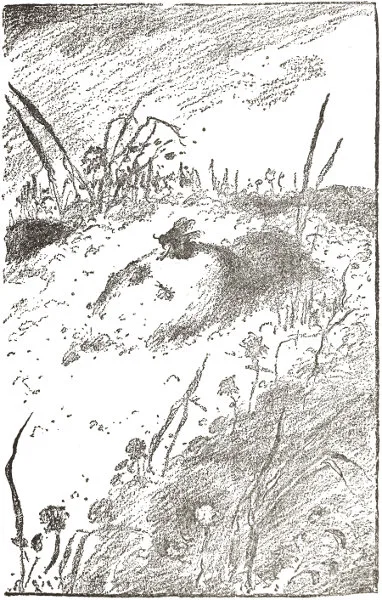
Operations begin in April, very quietly, the only sign of the underground works being the little mounds of fresh earth.工事は四月に、とても静かにはじまります。地下で工事をしているしるしは、ほりたての土の小さな山だけです。 The laborers show themselves very seldom, so busy are they at the bottom of their pits.はたらき手たちは、たて穴の底でとてもいそがしいので、めったにすがたを見せません。 At moments, here and there, the summit of a tiny mole-hill begins to totter and tumbles down the slopes of the cone: it is a worker coming up with her armful of rubbish and shooting it outside, without showing herself in the open.ときどき、あちこちで、小さなモグラづかのような土の山のてっぺんがぐらぐらゆれて、山のしゃ面をころがり落ちます。それは、はたらき手がかかえた土くずを運び上げてきて、外にすがたを見せないまま、ぽいと外へほうり出しているのです。

May arrives, gay with flowers and sunshine.花と日の光でうきうきする五月がやってきます。 The diggers of April have turned themselves into harvesters.四月にほっていたハチたちは、今度は花のみつを集める係になります。 At every moment I see them settling, all befloured with yellow, on top of the mole-hills now turned into craters.いつ見ても、花粉で黄色く粉だらけになったハチが、今では火口のようになった土の山のてっぺんにとまるのが見えます。

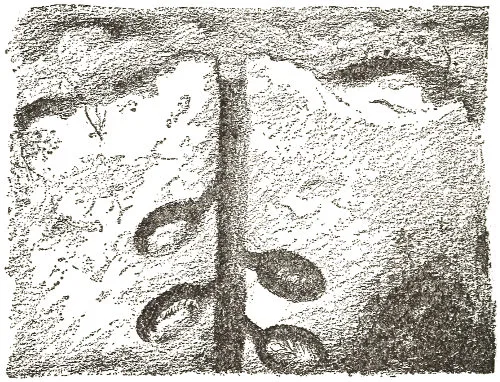
The Bee’s home underneath consists first of a nearly vertical shaft, which goes down into the ground from eight to twelve inches.地下にあるハチの家は、まず、ほとんどまっすぐなたて穴があって、それが地面から二十〜三十センチの深さまでおりています。 This is the entrance hall.これがげんかんです。 It is about as thick around as a thick lead-pencil.太さは、太いえんぴつくらいです。

At the foot of this shaft, in what we might call the basement of the house, are the cells.このたて穴の底、つまり家の地下室とでもいえる所に、部屋があります。 They are oval hollows, three quarters of an inch long, dug out of the clay.部屋は、ねん土をほって作った、長さ二センチほどのたまご形のくぼみです。 They end in a short bottle-neck that widens into a graceful mouth.その先は短いびんの首のように細くなり、それから形のいい口に広がっています。 All of them open into the passage.部屋はみんな、通路に向かって口を開けています。

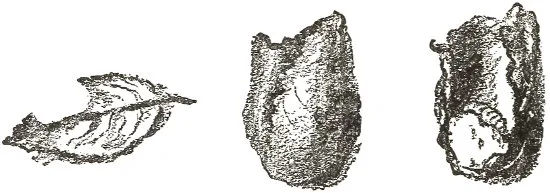
the Mining Bees の挿絵((1919 edition))

The inside of these little cells is beautifully polished.この小さな部屋の内がわは、きれいにみがかれています。 It is marked with faint, diamond-shaped marks, the traces of the polishing tool that has given the last finish to the work.内がわには、ひし形のかすかなもようがついています。それは、仕上げのみがきをした道具のあとなのです。 What can this polisher be?このみがく道具は、何なのでしょう? None other than the tongue.それは、ほかでもない、したなのです。 The Bee has made a trowel of her tongue and licked the wall daintily and carefully in order to polish it.ハチは、自分のしたをこてにして、かべをていねいに、注意深くなめて、みがいたのです。

I fill a cell with water.わたしは、部屋に水を入れてみます。 The liquid remains in it quite well, without a trace of soaking through.水はそのままちゃんとたまっていて、しみこむ様子は少しもありません。 The Bee has varnished the clay of her cell with the saliva applied by her tongue.ハチは、したでぬっただ液で、部屋のねん土にニスをぬったようにしていたのです。 No wet or damp can reach the Bee-baby, even when the ground is soaked with rain.ですから、雨で地面がびしょぬれになっても、水やしめり気がハチの赤ちゃんにとどくことはありません。

The Bee-grub’s rooms are made ready long beforehand, during the bad weather at the end of March and in April, when there are few flowers.ハチの幼虫の部屋は、ずっと前から用意されています。花の少ない、三月の終わりから四月の、天気の悪い時期に作られるのです。 The mother works alone at the bottom of her shaft, using her jaws to spade the earth, and her feet, armed with tiny claws, for rakes.お母さんバチは、たて穴の底で一ぴきだけではたらきます。あごをシャベルにして土をほり、小さなつめのついた足を熊手にするのです。 She collects the dirt and then, moving backwards with her fore-legs closed over the load, she lifts it up through the shaft and flings it outside, upon the mole-hill, as we have seen.ハチは土を集めると、前足で荷物をかかえこんで後ろ向きに進み、たて穴を通って運び上げて、さっき見たように、外の土の山の上へほうり出します。 Then she puts the finishing touches with her tongue, and when May comes, with its radiant sunshine and wealth of flowers, everything is ready.それから、したで仕上げをします。そして、かがやく日の光とたくさんの花の五月が来るころには、何もかも用意ができているのです。

The fields are gay now with dandelions, rock-roses, tansies, daisies, and other flowers, among which the harvesting Bee rolls gleefully, covering herself with pollen.野原は今、タンポポやハンニチバナ、ヨモギギク、ヒナギクなどの花で、はなやかです。みつを集めるハチは、その花の中で楽しそうにころげまわって、体じゅうを花粉だらけにします。 With her crop full of honey and the brushes of her legs all floury with pollen, the Bee returns to her village.みつぶくろをみつでいっぱいにし、足のブラシを花粉で粉だらけにして、ハチは自分の村へ帰ってきます。 Flying very low, almost level with the ground, she hesitates, with sudden turns and bewildered movements.ハチは、地面すれすれのとても低い所を飛びながら、急に向きを変えたり、まごついたように動いたりして、ためらっています。 It appears as if she were having trouble to find her own burrow among so many which look exactly alike.まるで、そっくり同じに見えるたくさんの穴の中から、自分の穴を見つけるのに苦労しているかのようです。 But no, there are certain signs known to the insect alone.でも、そうではありません。この虫だけが知っている、何かのしるしがあるのです。 After carefully examining the neighborhood, the Bee finds her home, alights on the threshold, and dives into it quickly.ハチは、あたりをよく調べてから自分の家を見つけ、入り口にとまって、すばやく中へとびこみます。

What happens at the bottom of the pit must be the same thing that happens in the case of the other Wild Bees.たて穴の底で起きることは、ほかの野生のハチの場合と同じにちがいありません。 The harvester enters a cell backwards; she first brushes herself and drops her load of pollen; then, turning round, she empties the honey in her crop upon the floury mass.みつを集めてきたハチは、後ろ向きに部屋に入ります。まず体をはらって花粉の荷物を落とし、それから向きを変えて、みつぶくろのみつを、その粉のかたまりの上にはき出します。 This done, the unwearied one leaves the burrow and flies away, back to the flowers.これがすむと、つかれを知らないハチは穴を出て、また花のところへ飛んでいきます。 After many journeys, she has collected enough provisions in the cell.何度も行き来して、部屋の中に十分な食べ物が集まります。 Now is the time to make them up into food, or bake the cake, as we might say.今度は、それを食べ物に仕上げる、つまり、ケーキを焼くといってもいい時です。

The mother Bee kneads her flour, mixing with it a little honey.お母さんバチは、粉をこねて、少しのはちみつをまぜます。 She makes the dough into a round loaf, the size of a pea.ねった生地を、エンドウ豆くらいの大きさの丸いパンにします。 Unlike our own loaves, this one has the crust inside and the soft part outside.わたしたちのパンとちがって、このパンは、かたい皮が中にあって、やわらかい所が外がわにあります。 The middle of the loaf, the food which will be eaten last, when the grub has gained strength, consists of almost nothing but dry pollen.パンのまん中は、幼虫が力をつけてから最後に食べる部分で、ほとんどかわいた花粉だけでできています。 The Bee keeps the softest, nicest part for the outside, from which the feeble grub is to take its first mouthfuls.ハチは、いちばんやわらかくておいしい所を外がわに取っておきます。弱い幼虫が、最初にそこから食べはじめるのです。 Here it is all soft crumb, a delicious sandwich with plenty of honey.外がわはやわらかいパンの身ばかりで、はちみつのたっぷり入った、おいしいサンドイッチなのです。

She now lays an egg, bent like a bow, upon the round mass of food.それからハチは、弓のように曲がったたまごを一つ、丸い食べ物のかたまりの上に産みます。 If she were like most Honeybees, she would close the house now.もし、たいていのハナバチと同じなら、ハチはここで家を閉じるところです。 But the Zebra Wild Bee is different.もし、たいていのミツバチと同じなら、このハチはここで家を閉じるところです。 She leaves the cells opening into the burrow, so that she can look into them daily and see how her family is getting on.部屋の口を通路に向けて開けたままにしておき、毎日のぞいて、子どもたちの様子を見られるようにしておくのです。 I imagine that from time to time she gives more food to the grub, for the original loaf appears to me a very small amount compared with that served by the other Bees.ハチはときどき、幼虫に食べ物を足してやるのではないかと、わたしは思います。というのは、はじめのパンは、ほかのハチが用意するものにくらべると、とても少ないように見えるからです。

At last the grubs, close-watched and well-fed, have grown fat; they are ready for the second stage of Bee life.やがて、しっかり見守られ、たっぷり食べた幼虫たちは、まるまると太ります。ハチの一生の、次の時期へ進む用意ができたのです。 They are about to weave their wrappers, or cocoons, and change into chrysales.幼虫たちは、自分をつつむもの、つまりまゆをつむいで、さなぎに変わろうとしています。 Then, and not till then, the cells are closed; a big clay stopper is built by the mother into the spreading mouth of the cells.そのときになって、はじめて部屋が閉じられます。お母さんバチが、部屋の広がった口に、大きなねん土のせんをはめるのです。 Henceforth her cares are over.これからは、もう何も心配することはありません。 The rest will come of itself.あとは、ひとりでにうまくいくのです。

If all goes well, the Zebra Bee’s spring family grows up in a couple of months or so; they leave the cells about the end of June, flying off to seek refreshment on the flowers as their mother has done before them.すべてがうまくいけば、シマコハナバチの春の子どもたちは、二か月ほどで大きくなります。六月の終わりごろに部屋を出て、前にお母さんがしたように、花にごちそうを求めて飛んでいくのです。

the Mining Bees の挿絵((1919 edition))

THE GNAT AND THE GIANTESSコバエと大むすめ

Sometimes all does not go well with the Bee’s family.ときには、ハチの家族に何もかもうまくいかないこともあります。 There are brigands about.このあたりには、どろぼうがいるのです。 One of them is an insignificant Gnat, who is, nevertheless, a bold robber of the Bee.その一つは、取るに足らない小さなコバエですが、それでもハチから物をうばう、だいたんなどろぼうです。

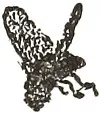
What does the Gnat look like?コバエは、どんなすがたをしているのでしょう? She is a Fly, less than one fifth of an inch long.体の長さが五ミリもない、ハエのなかまです。 Eyes, dark-red; face, white.目はこい赤色、顔は白色です。 Corselet, pearl-gray, with five rows of fine black dots, which are the roots of stiff bristles pointing backwards.胸は真じゅのような灰色で、細かい黒い点が五列ならんでいます。この点は、後ろ向きにはえたかたい毛のつけ根なのです。 Grayish abdomen.おなかは灰色っぽい色。 Black legs.足は黒。 That is her picture.これがコバエのすがたです。

There are many of these Gnats in the colony of Bees I am watching.わたしが観察しているハチのむれのところには、このコバエがたくさんいます。 Crouching in the sun, near a burrow, the Gnat waits.コバエは、穴の近くの日なたにうずくまって、待っています。 As soon as the Bee arrives from her harvesting, her legs yellow with pollen, the Gnat darts forth and pursues her, keeping behind in all the turns of her wavering flight.ハチが、花粉で足を黄色くしてみつ集めから帰ってくると、コバエはすぐにとび出して、ハチを追いかけます。ふらふらと向きを変えるハチの飛び方に合わせて、いつも後ろについていくのです。 At last, the Bee suddenly dives indoors.とうとうハチは、さっと家の中へとびこみます。 No less suddenly the Gnat settles on the mole-hill, quite close to the entrance.コバエも同じくらいすばやく、入り口のすぐそばの土の山にとまります。 Motionless, with her head turned towards the door of the house, she waits for the Bee to finish her business.コバエは、頭を家の戸口に向けたまま、じっと動かずに、ハチが用事をすませるのを待っています。 The latter reappears at last and, for a few seconds, stands on the threshold, with her head and neck outside the hole.やがてハチがまたあらわれて、数秒のあいだ、頭と首を穴から出して、入り口に立っています。 The Gnat, on her side, does not stir.コバエのほうは、ぴくりとも動きません。

Often they are face to face, separated by a space no wider than a finger’s breadth.指一本のはばもないほどのきょりで、顔をつき合わせていることもよくあります。 Neither of them shows the least excitement.どちらも、ちっともあわてた様子を見せません。 The Bee, this amiable giantess, could, if she liked, rip up with her claw the tiny bandit who ruins her home; she could crunch her with her jaws, run her through with her sting.この気のいい大むすめのハチは、その気になれば、自分の家をめちゃめちゃにする小さなどろぼうを、つめでひきさくことも、あごでかみくだくことも、はりでさしつらぬくこともできるはずです。 She does nothing of the sort, but leaves the robber in peace.でもハチは、そんなことは何もせず、どろぼうを放っておきます。 The latter does not seem in the least afraid.コバエのほうも、少しもこわがっているようには見えません。 She remains quite motionless in the presence of the Bee who could crush her with one blow.ひと打ちで自分をつぶしてしまえるハチの前で、じっと動かずにいるのです。

The Bee flies off.ハチが飛び立ちます。 At once the Gnat walks in, with no more ceremony than if she were entering her own place.するとすぐにコバエは、まるで自分の家に入るように、遠りょもなく中へ歩いて入っていきます。 She now chooses among the victualed cells, for they are all open, as I have said; she leisurely places her eggs in one of them.コバエは、食べ物のたくわえてある部屋の中からえらびます。前にお話ししたように、部屋はみんな開いているからです。そして、その一つに、ゆうゆうとたまごを産みつけます。 No one will disturb her until the Bee’s return, and by that time she has made off.ハチが帰ってくるまで、じゃまをするものはだれもいません。そして、ハチがもどるころには、コバエはもう立ち去っています。 In some favorable spot, not far from the burrow, she waits for a chance to do the same thing over again.穴からあまり遠くない、つごうのいい場所で、コバエはまた同じことをする機会を待つのです。

Some weeks after, let us dig up the pollen loaves of the Bee.何週間かたってから、ハチの花粉のパンをほり出してみましょう。 We shall find them crumbled up, frittered away.パンは、ぼろぼろにくずされて、すっかりなくなりかけています。 We shall see two or three little worms, with pointed mouths, moving in the yellow flour scattered over the floor of the cell.部屋のゆかにちらばった黄色い粉の中で、口のとがった小さなうじ虫が二、三びき動いているのが見えるでしょう。 These are the Gnat’s children.これが、コバエの子どもたちです。 With them we sometimes find the lawful owner, the grub-worm of the Bee, but stunted and thin with fasting.いっしょに、本当の持ち主であるハチの幼虫が見つかることもありますが、食べ物がなくて、育ちが悪く、やせています。 His greedy companions, without otherwise hurting him, deprive him of the best of everything.食いしんぼうのなかまたちは、それ以外には幼虫をきずつけませんが、いちばんいいものをみんな取り上げてしまうのです。 The poor creature dwindles, shrivels up and soon disappears from view.かわいそうな幼虫は、だんだん小さくなり、しなびて、やがて見えなくなってしまいます。 The Gnat-worms make of his corpse one mouthful the more.コバエの幼虫たちにとっては、その幼虫のなきがらも、ひと口分のごちそうがふえただけなのです。

The Bee mother, though she is free to visit her grubs at any moment, does not appear to notice what is going on.お母さんバチは、いつでも幼虫を見に来られるのに、何が起きているのか気づかないようです。 She never kills the strange grubs, or even turns them out of doors.よその幼虫を殺すことも、外へ追い出すことさえも、けっしてしません。 She seals up the cells in which the Gnat children have feasted just as carefully as if her own grubs were in it.コバエの子どもたちがごちそうを食べつくした部屋を、まるで自分の幼虫が入っているかのように、ていねいに閉じるのです。 By this time the Gnat grubs have left.そのころには、コバエの幼虫たちはもう出ていっています。 The cells are quite empty.部屋は、まったくのからっぽです。

THE DOORKEEPERS門番

The Zebra Bee’s spring family, when no accident such as we have been describing has happened, consists of about ten young Bees, all sisters.これまでお話ししたような事故が起きなければ、シマコハナバチの春の家族は、十ぴきほどの若いハチで、みんな姉妹です。 They save time by using the mother’s house, all of them together, without dispute.姉妹たちは、お母さんの家をみんなでいっしょに、あらそうこともなく使って、時間をせつやくします。 They come and go peacefully through the same door, attend to their business, pass and let the others pass.同じ戸口から仲よく出入りして、自分の仕事をし、自分も通り、ほかのハチも通してやります。 Down at the bottom of the pit, each Bee has her little home, a group of cells which she has dug for herself.たて穴の底では、それぞれのハチが小さな自分の家、つまり自分でほった部屋のまとまりを持っています。 Here she works alone; but the passage way is free to all the sisters.そこでは一ぴきだけではたらきますが、通路は姉妹みんなが自由に使えます。

Let us watch them as they go to and fro.ハチたちが行ったり来たりするところを見てみましょう。 A harvester comes back from the fields, the feather-brushes of her legs powdered with pollen.足の羽毛のようなブラシに花粉をつけて、みつ集めのハチが野原から帰ってきます。 If the door be open, the Bee at once dives underground.戸が開いていれば、ハチはすぐに地下へとびこみます。 She is very busy, and she does not waste time on the threshold.とてもいそがしいので、入り口でぐずぐずしたりはしません。 Sometimes several appear upon the scene at almost the same moment.ときには、何びきかが、ほとんど同時にやってくることもあります。 The passage is too narrow for two, especially when they have to avoid jostling each other and so making the floury burden fall to the floor.通路は、二ひきが通るにはせますぎます。とくに、ぶつかり合って、運んできた粉の荷物をゆかに落とさないようにしなければならないときは、なおさらです。 The one nearest to the opening enters quickly.入り口にいちばん近いハチが、すばやく入ります。 The others, drawn up on the threshold in the order of their arrival, respectful of one another’s rights, await their turn.ほかのハチたちは、着いた順番に入り口にならび、おたがいの権利を大切にして、自分の番を待ちます。 As soon as the first disappears, the second follows after her, and is herself swiftly followed by the third and then the others, one by one.一ぴき目が見えなくなるとすぐ、二ひき目があとに続き、そのすぐあとに三びき目、それからほかのハチたちも一ぴきずつ続きます。

Sometimes a Bee about to come out meets a Bee about to go in.ときには、出ようとするハチと、入ろうとするハチがはち合わせすることもあります。 Then the latter draws back a little and makes way for the other.そんなときは、入ろうとするハチが少し下がって、相手に道をゆずります。 Each Bee tries to outdo the other in politeness.どのハチも、相手よりもっと礼ぎ正しくしようとするのです。 I see some who, when on the point of coming out from the pit, go down again and leave the passage free for the one who has just arrived.たて穴から出ようとしていたのに、また下へおりて、今着いたばかりのハチのために通路をあけてやるハチもいます。 Thanks to this accommodating spirit on the part of all, the business of the house goes on without delay.みんながこのように親切にゆずり合うので、家の仕事はとどこおりなく進みます。

Let us keep our eyes open.よく見ていましょう。 There is something even better than this to see.もっとすばらしいものが見られるのです。 When a Bee appears, returning from her round of the flowers, we see a sort of trap door, which closes the house, suddenly fall and give a free passage.花めぐりから帰ってきたハチがあらわれると、家を閉じている落とし戸のようなものが急に下がって、通り道をあけるのが見えます。 As soon as the new arrival has entered, the trap rises back into its place, almost level with the ground, and closes the entrance again.新しく着いたハチが入ったとたん、落とし戸はまたもとの場所まで上がって、地面とほとんど同じ高さになり、入り口をまた閉じてしまいます。 The same thing happens when the insects go out.虫たちが出かけるときも、同じことが起きます。 At a request from within, the trap descends, the door opens and the Bee flies away.中からたのまれると、落とし戸が下がって戸が開き、ハチが飛び立っていきます。 The opening is closed at once.入り口は、すぐにまた閉じられます。

What can this thing be, which works like the piston of a pump, and opens and closes the door at each departure and each arrival?ポンプのピストンのように動いて、ハチが出かけるたびに、また帰ってくるたびに、戸を開けたり閉めたりするこのものは、いったい何なのでしょう? It is a Bee, who has become the doorkeeper of the establishment.それは、この家の門番になった一ぴきのハチなのです。 With her large head she stops up the top of the entrance hall.門番は、大きな頭でげんかんのたて穴の上をふさいでいます。 If any one belonging to the house wants to go in or out, she “pulls the cord,” that is to say, she withdraws to a spot where the gallery becomes wider and leaves room for two.家のハチが出入りしたいときには、門番は「ひもを引いて戸を開け」ます。つまり、通路が広くなって二ひきが通れる所まで下がるのです。 When the other has passed she returns to the opening and blocks it with the top of her head.相手が通りすぎると、門番はまた入り口へもどって、頭のてっぺんでふさぎます。 Motionless, ever on the lookout, she does not leave her post except to drive away persistent visitors.じっと動かずに、いつも見はりをしていて、しつこくやってくる客を追いはらうとき以外は、持ち場をはなれません。

When she does come outside, let us take a look at her.門番が外に出てきたら、よく見てみましょう。 We recognize in her a Bee similar to the others except that the top of her head is bald and her dress is dingy and threadbare.ほかのハチとよく似たハチですが、頭のてっぺんの毛がぬけて、服はうすよごれて、すりきれています。 All the nap is gone; and one can hardly make out the handsome stripes of red and brown which she used to have.毛はすっかりぬけてしまい、前にあったはずの赤と茶色の美しいしまもようも、ほとんど見分けられません。 These tattered, work-worn garments make things clear to us.このぼろぼろの、はたらきづめですりきれた服を見れば、わけがわかります。

This Bee who mounts guard and does the work of a doorkeeper is older than the others.見はりをして門番の仕事をしているこのハチは、ほかのハチよりも年をとっているのです。 She is in fact the foundress of the establishment, the mother of the actual workers, the grandmother of the present grubs.じつはこのハチこそ、この家を作ったハチで、今はたらいているハチたちのお母さん、今いる幼虫たちのおばあさんなのです。 When she was young, three months ago, she wore herself out making her nest all by herself.三か月前、若かったころ、このハチはたった一ぴきで巣を作って、くたくたになってしまいました。 Now she is taking a well-earned rest, but hardly a rest, for she is helping the household to the best of her power.今は、はたらいたごほうびの休みをとっているところです。でも、休みとはいえません。家族のために、力のかぎり手伝っているのですから。

You remember the suspicious Kid, in La Fontaine’s fable, who, looking through the chink of the door, said to the Wolf:ラ・フォンテーヌのぐう話で、うたぐり深い子ヤギが、戸のすき間からのぞいて、オオカミにこう言ったのをおぼえていますか。

“Show me a white foot, or I shan’t open the door.”「白い足を見せてよ。でないと、戸を開けないよ。」

The grandmother Bee is no less suspicious.おばあさんバチも、それにおとらず用心深いのです。 She says to each comer:やってくるものに、一ぴきずつこう言います。

“Show me the yellow foot of a Wild Honey-bee, or you won’t be let in.”「野生のハナバチの黄色い足を見せなさい。でないと、入れてあげませんよ。」

None is admitted to the dwelling unless she be recognized as a member of the family.家族の一員だとわからなければ、だれも家に入れてもらえません。

See for yourselves.自分の目でたしかめてごらんなさい。 Near the burrow passes an Ant, an unscrupulous adventuress, who would not be sorry to know the meaning of the honeyed fragrance that rises from the bottom of the cellar.穴の近くを、一ぴきのアリが通ります。ずうずうしいぼうけん家で、地下室の底からただよってくる、はちみつのあまいかおりのわけを知りたくてたまらないのです。

“Be off, or you’ll catch it!” says the doorkeeping Bee, with a movement of her neck.穴の近くを、一ぴきのアリが通ります。ずうずうしく入りこもうとするアリで、地下室のいちばん下からただよってくる、はちみつのあまいかおりのわけを知りたくてたまらないのです。

Usually the threat is enough.たいていは、このおどしで十分です。 The Ant leaves at once.アリはすぐに立ち去ります。 Should she insist, the grandmother leaves her sentry-box, flings herself upon the saucy Ant, beats her, and drives her away.もしアリがしつこくすると、おばあさんバチは見はり小屋を出て、生意気なアリにとびかかり、たたいて追いはらいます。 The moment she has given her punishment, she returns to her post.おしおきをすませると、すぐに持ち場へもどります。

the Mining Bees の挿絵((1919 edition))

“‘Be off, or you’ll catch it!’ says the doorkeeping bee.”「『あっちへお行き、さもないとひどいめにあうよ!』と、門番のハチが言います。」

Next comes the turn of the Leaf-cutting Bee, who, unskilled in the art of burrowing, uses the old galleries dug by others.次にやってくるのは、ハキリバチです。ハキリバチは穴をほるのがへたなので、ほかのハチがほった古いトンネルを使うのです。 Those of the Zebra Bee suit her very well, when the terrible Gnat has left them vacant for lack of heirs.あのおそろしいコバエのせいで、あとつぎがいなくなって空いたシマコハナバチのトンネルは、ハキリバチにとってちょうどいいのです。 Seeking for a home wherein to stack her Robinia-leaf honey-pots, she often makes a flying visit to my colonies of Wild Bees.ハキリバチは、ニセアカシアの葉で作ったみつのつぼを積み重ねる家をさがして、わたしの野生のハチのむれのところへ、よくちょっと立ち寄ります。 A burrow seems to take her fancy; but, before she sets foot on earth, her buzzing is noticed by the sentry, who suddenly darts out and makes a few gestures on the threshold of her door.ある穴が気に入ったようです。でも、地面に足をおろす前に、その羽音が見はりに気づかれます。見はりはさっととび出してきて、自分の戸口で、ちょっとしたしぐさをしてみせます。 That is all.それだけです。 The Leaf-cutter has understood.ハキリバチは、それでわかったのです。 She moves on.ハキリバチは、よそへ行ってしまいます。

Sometimes the Leaf-cutting Bee has time to alight and stick her head into the mouth of the pit.ときには、ハキリバチが地面におりて、たて穴の口に頭をつっこむひまがあることもあります。 In a moment the grandmother is there, comes a little higher, and bars the way.すると、たちまちおばあさんバチがやってきて、少し上がってきて、行く手をふさぎます。 Follows a not very serious contest.それから、あまり本気でない取っ組み合いが続きます。 The stranger quickly recognizes the rights of the first occupant and, without insisting, goes to seek a home elsewhere.よそものはすぐに、先に住んでいる者の権利をみとめ、むりおしはせずに、ほかの所へ家をさがしに行きます。

A clever burglar, the parasite of the Leaf-cutting Bee, receives a sound whipping under my eyes.ハキリバチに寄生する、ずるがしこいどろぼうバチが、わたしの目の前で、こっぴどくむちで打たれるようなめにあいます。 She thought, the featherbrain, that she was entering the Leaf-cutter’s house!このおっちょこちょいは、ハキリバチの家に入るつもりでいたのです! She soon finds out her mistake; she meets the grandmother Bee, who punishes her severely.すぐにまちがいに気づきます。おばあさんバチに出会って、きびしくこらしめられるのです。 She makes off at full speed.どろぼうバチは、全速力でにげていきます。 And so with the others who, through carelessness or ambition, try to enter the burrow.うっかりしたり、よくばったりして、穴に入ろうとするほかのものたちも、みんな同じめにあいます。

Sometimes the doorkeeping Bee has an encounter with another grandmother.ときには、門番のハチが、別のおばあさんバチと出会うこともあります。 About the middle of July, when the Bee colony is at its busiest, there appear to be two distinct sets of Bees: the young mothers and the old.七月のなかばごろ、ハチのむれがいちばんいそがしい時期になると、はっきりちがう二組のハチがいるように見えます。若いお母さんバチと、年とったハチです。 The young ones, much more numerous, brisk in movement and smartly arrayed, come and go unceasingly from the burrows to the fields and from the fields to the burrows.若いハチたちは、ずっと数が多く、きびきびと動き、こざっぱりとした服を着て、穴から野原へ、野原から穴へと、休みなく行き来しています。 The older ones, faded and dispirited, wander idly from hole to hole.年とったハチたちは、色あせて元気がなく、穴から穴へと、ぶらぶらさまよっています。 They look as though they had lost their way and could not find their homes.道にまよって、自分の家が見つからないかのように見えます。 Who are these vagabonds?このさすらいのハチたちは、だれなのでしょう? I see in them afflicted ones who have lost a family through the act of the hateful Gnat.わたしは、これは、にくらしいコバエのせいで家族をなくした、かわいそうなハチたちだと思います。 At the awakening of summer, the poor mother Bee found herself alone.夏のはじまりに、かわいそうなお母さんバチは、ひとりぼっちになってしまったのです。 She left her empty house and went off in search of a dwelling where there were cradles to defend, a guard to keep.ハチはからっぽの家を出て、守るべきゆりかごがあり、見はりの役目がある住まいをさがしに出かけました。 But those fortunate nests already have their overseer, the grandmother, who is jealous and gives her unemployed neighbor a cold reception.でも、そういうめぐまれた巣には、もう見はり役のおばあさんがいます。おばあさんはやきもちやきで、仕事のない近所のハチを冷たくあしらいます。 One sentry is enough; two would merely block the narrow passage.でも、そういうめぐまれたすには、もう見はり役のおばあさんがいます。おばあさんは自分の持ち場をゆずりたがらず、仕事のない近所のハチをつめたくあしらいます。

Sometimes the grandmothers actually fight.ときには、おばあさんどうしが本当に戦うこともあります。 When the tramp looking for employment appears outside the door, the one on guard does not move from her post, does not withdraw into the passage, as she would before a young Bee returning from the fields.仕事をさがしているさすらいのハチが戸口の外にあらわれると、見はりをしているハチは、持ち場から動かず、野原から帰ってきた若いハチのときのように通路の中へ下がったりはしません。 Instead of that, she threatens the intruder with her feet and jaws.その代わりに、足とあごで入りこもうとするハチをおどします。 The other retaliates and tries to force her way in notwithstanding.相手も負けずにやり返し、それでもむりやり入ろうとします。 They come to blows.とうとう、取っ組み合いになります。 The fight ends by the defeat of the stranger, who goes off to pick a quarrel elsewhere.戦いは、よそもののハチが負けて終わります。負けたハチは、よそへけんかを売りに行ってしまいます。

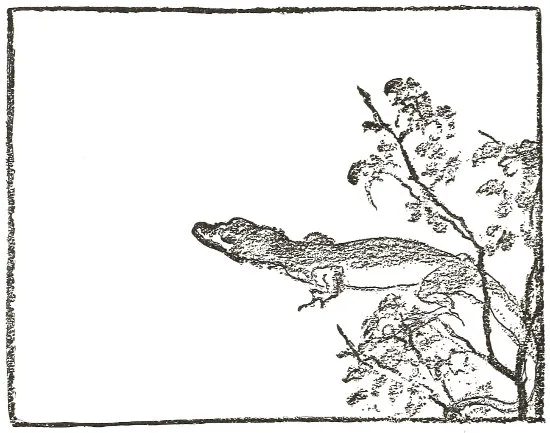
What becomes of the poor grandmothers who have no homes?家のないかわいそうなおばあさんバチたちは、どうなるのでしょう? They grow rarer and more languid from day to day; then they disappear for good.日に日に数が少なくなり、元気もなくなって、やがてすっかりすがたを消してしまいます。 The little Gray Lizard had his eye on them, they are easily snapped up.小さな灰色のトカゲが、ねらっていたのです。おばあさんバチたちは、かんたんにぱくりと食べられてしまいます。

the Mining Bees の挿絵((1919 edition))

As for the one on guard, she seems never to rest.見はりをしているおばあさんバチのほうは、けっして休まないように見えます。 In the cool hours of the early morning, she is at her post.朝早くのすずしい時間にも、持ち場についています。 She is there also towards noon, when the harvesting is in full swing and there are many Bees going in and out.みつ集めがさかんで、たくさんのハチが出入りするお昼ごろにも、そこにいます。 In the afternoon, when the heat is great and the working Bees do not go to the fields, but stay indoors instead, preparing the new cells, the grandmother is still upstairs, stopping the door with her bald head.午後、とても暑くなって、はたらきバチが野原へ出かけずに、家の中で新しい部屋を作っているときも、おばあさんバチはやはり上のほうにいて、毛のぬけた頭で戸口をふさいでいます。 She takes no nap during the stifling hours: the safety of the household requires her to forego it.むし暑い時間にも、昼ねなどしません。家族を守るためには、昼ねもがまんしなければならないのです。 At nightfall, or even later, she is just as busy as in the day.日がくれても、もっとおそくなっても、昼間と同じようにいそがしくしています。 The others are resting, but not she, for fear, apparently, of night dangers known to herself alone.ほかのハチは休んでいますが、おばあさんバチだけは休みません。どうやら、自分だけが知っている夜の危険をおそれているようです。

Guarded in this manner, the burrow is safe from such a misfortune as overtook it in May.このように守られているので、巣は、五月にあったような災難にあうことはありません。 Let the Gnat come now, if she dare, to steal the Bee’s loaves!コバエよ、ハチのパンをぬすめるものなら、やって来てごらん! She will be put to flight at once.たちまち追いはらわれてしまうでしょう。 She will not come, because, until spring returns, she is underground in the pupa state, that is, wrapped up in her cocoon.でも、コバエは来ません。春がまためぐってくるまで、コバエはさなぎの時期、つまりまゆにつつまれて、地下にいるからです。 But in her absence there is no lack, among the Fly rabble, of other parasites.でも、コバエがいないあいだも、ハエのごろつきたちの中には、ほかの寄生虫がいくらでもいます。 And yet, for all my daily visits, I never catch one of these in the neighborhood of the summer burrows.それなのに、毎日見に行っても、夏の巣穴のあたりで、そういうハエを見かけることは一度もありません。 How well the rascals know their trade!ならず者たちは、なんとよく自分たちの仕事を心得ていることでしょう! How well aware are they of the guard who keeps watch at the Bees’ door!ハチの戸口に見はりがいることを、なんとよく知っていることでしょう!

the Mining Bees の挿絵((1919 edition))

さいごまで よめたね!

「よめた!」をおすと、スタンプがもらえて おはなしの森 に木や動物がふえるよ。

PDFで印刷(A4 19まい)

おうちの方・大人の学習者へ
年をとった母バチが門番になり、むすめたちが同じ巣ではたらく――コハナバチのこのくらしは、今ではハチの「社会」がどう生まれたかを考える手がかりとして研究されています。中が外よりかたい「花粉のパン」も見どころです。

出典台帳 — このページの「本物」の証明

英文
原文そのまま(1語も書きかえていません)。Project Gutenberg 電子書籍 #45812(J. Henri Fabre (adapted by Louise Seymour Hasbrouck)、1919年の本)
挿絵
(1919 edition)(同じ本の初版の挿絵。パブリックドメイン)
朗読
JMGaul(LibriVox のボランティア。Insect Adventures「The Mining Bees」)。録音はパブリックドメインで、元のファイルをそのまま使っています(音質を落とす加工なし)。
照合
朗読を音声認識(Whisper)で文字起こしし、原文と1語ずつ照らし合わせました。一致率 95.8%
文が光るタイミングはこの照合で決めています。
和訳
和訳はAIと人が作成。AIは3重チェック。人の目でも順次確認しています。英文には一切手を入れていません。