senpai and kohai
seniors and juniors
先輩・後輩(せんぱい・こうはい)
In one line
The shortest answer that works
Senpai and kohai are the seniors and juniors in any group, ranked by who joined first.
先輩・後輩とは、集団の中で入った順に決まる上と下のことです。
In 30 seconds
The standard explanation
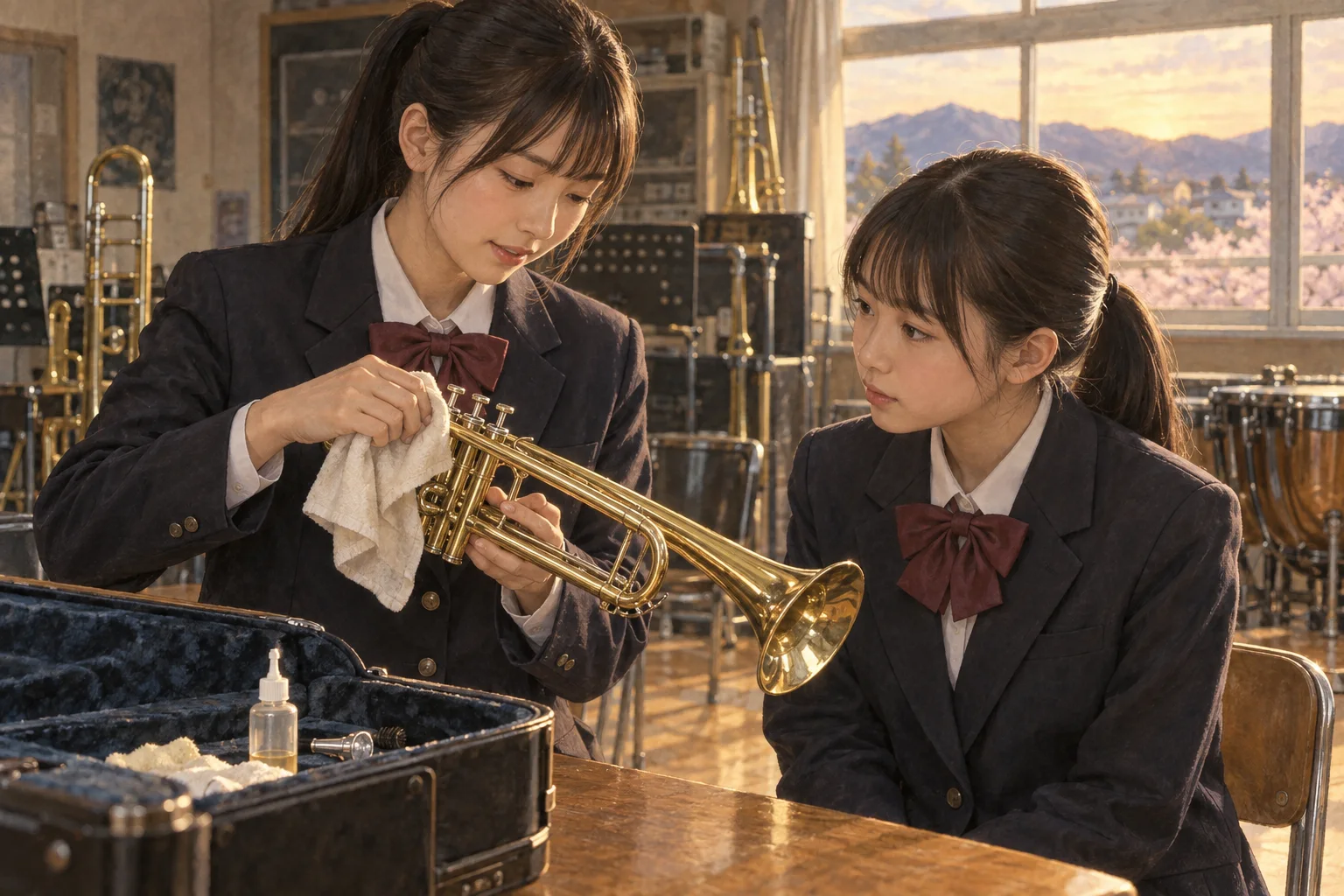
A senpai is someone who joined a school, club or company before you, and a kohai is someone who joined after. The gap can be a single year, but it shapes how you speak, who serves the tea and who pays for dinner. In return, the senpai is expected to teach and look after the kohai. It starts in junior high school clubs and continues into working life.
先輩とは学校・部活・会社に自分より先に入った人、後輩とは後から入った人のことです。差は一年でも、言葉づかい、誰がお茶を出すか、誰が食事代を払うかが変わります。その代わり先輩は後輩を教え、面倒を見ることを期待されます。中学の部活で始まり、社会人になっても続きます。
As a short speech
A full paragraph you can read aloud
In Japan, almost every group has a built-in ladder called senpai and kohai. A senpai is anyone who entered the school, club or company before you, and a kohai is anyone who came after.
What surprises many visitors is that the order is fixed by joining date, not by age or ability, so a talented first-year student is still the kohai of a mediocre second-year. The kohai uses polite language, does the small jobs, and lets the senpai go first. The senpai, in turn, is supposed to teach, protect and often pay.
Most people first learn the system in junior high school sports clubs, where it can be strict, and then carry the habit into the office, where a colleague who joined one year earlier is still called senpai decades later. I think the best senpai relationships are genuinely warm, but the system also makes it hard to disagree with someone above you.
日本では、ほとんどどの集団にも「先輩・後輩」という梯子が組み込まれています。先輩とは学校・部活・会社に自分より先に入った人、後輩とは後から来た人です。多くの外国人が驚くのは、順番が年齢や実力ではなく入った時期で固定されることで、才能ある一年生でも平凡な二年生の後輩です。
後輩は丁寧な言葉を使い、細かな雑用をこなし、先輩を先に通します。先輩はその代わりに教え、守り、しばしばお金を出します。たいていの人は中学の運動部でこの仕組みを初めて知り、そこでは厳しいこともあります。
そして職場にもその習慣を持ち込み、一年早く入った同僚は何十年たっても先輩と呼ばれます。よい先輩後輩の関係は本当に温かいものだと思いますが、この仕組みのせいで上の人に反論しにくくもなります。
Questions people actually ask
And how to answer them.
Is senpai the same as a boss or a mentor?
Not quite. A senpai has no formal authority over you, and a mentor is chosen, while a senpai is simply whoever got there first. It is closer to an older sibling role, expected but not official.
少し違います。先輩にはあなたへの正式な権限はなく、メンターは選ぶものですが、先輩は単に先にいた人です。期待されてはいても公式ではない、年上のきょうだいに近い役回りです。
Does a kohai ever become a senpai's equal?
In language and manners, rarely. Even after both retire, the kohai usually keeps the polite form and the senpai keeps the casual one. Friendship can grow inside that frame, but the frame itself seldom disappears.
言葉づかいや作法の上では、めったにありません。二人とも定年になっても、後輩はたいてい丁寧語のまま、先輩はくだけたままです。その枠の中で友情は育ちますが、枠そのものが消えることはほとんどありません。
I'm older than my Japanese coworkers but joined later. Who is the senpai?
By the book, they are, because they joined first. In practice most workplaces soften this for mid-career hires and for foreigners, so you will probably be treated politely on both sides. Watch how others speak to you and mirror it.
建前としては、先に入った同僚が先輩です。実際には多くの職場が中途採用者や外国人にはこれを緩めるので、たぶんどちらからも丁寧に扱われます。周りがあなたにどう話すかを見て、それに合わせてください。
A common misunderstanding
MYTHSenpai just means an older student.
FACTIt means anyone who joined earlier, at any age, and it applies to companies, hobby groups and hospitals as much as to schools.
Phrases you can use
- She's my senpai. She joined a year before me.彼女は私の先輩です。一年早く入りました。
- The senpai usually picks up the bill.たいてい先輩がおごります。
- First-years carry the equipment. That's the rule.一年生が道具を運ぶ。それが決まりです。
- You don't have to be that formal with me.私にはそんなに丁寧でなくていいですよ。
- He still calls me senpai after twenty years.二十年たっても彼は私を先輩と呼びます。
Words you need
- senior / junior先輩/後輩
- seniority年功・入った順
- polite form丁寧語・敬語
- hierarchy上下関係
- look after面倒を見る
Watch
From YouTubeBackground (Japanese)
先輩・後輩の上下は、年齢ではなく「入った順」で決まるのが特徴です。同じ年に生まれても浪人や留年で入学年が変われば先輩後輩になり、社会人では中途入社の年下の同僚が「先輩」になることもあります。最初に厳しく体験するのは中学・高校の運動部で、挨拶の仕方から道具の準備、雑用の分担まで学年で決まる部が今もあります。一方で、行き過ぎた上下関係は「しごき」として問題にされてきました。英語圏では senpai という語がアニメやゲームを通じて広まり、「気づいてほしい憧れの人」という独自の意味で使われることがありますが、日本語の本来の意味は単に「先に入った人」です。