原田英語の多読ベストジュニア このサイトについてはじめて

the Mason-Bees

ヌリハナバチ
★★★★★15分2462語朗読 laurencetrask原文そのまま一致率 95.6%

野原の小石の上に、ねん土で石のようにかたい巣を作るヌリハナバチ。でも、その巣のはちみつをねらって、いろいろな虫がやってきます。

PDFで印刷(A4 16まい)

At a school where I once taught, one subject in particular appealed to both master and pupils.わたしが前に先生をしていた学校で、先生も生徒も、とりわけ大好きな科目がありました。 This was open-air geometry, practical surveying.それは野外のきか学、つまり実地の測量(そくりょう)でした。 When May came, once every week we left the gloomy schoolroom for the fields.五月になると、週に一度、わたしたちはうす暗い教室を出て、野原へ行きました。 It was a regular holiday.まるで休みの日のようでした。 We did our surveying on an untilled plain, covered with flowering thyme and rounded pebbles.わたしたちが測量をしたのは、花のさいたタイムと丸い小石におおわれた、たがやされていない平原でした。 There was room there for making every sort of triangle or polygon.そこには、どんな三角形でも多角形でも作れる広さがありました。

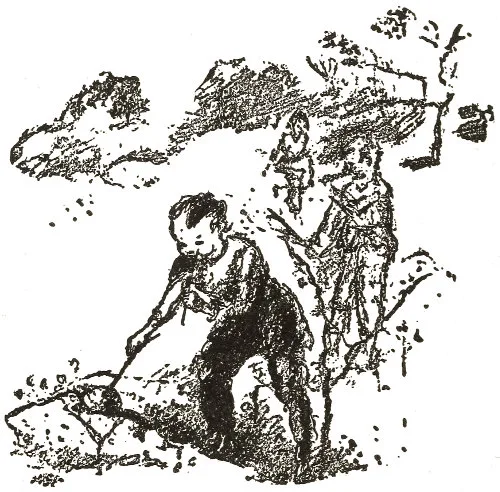
Well, from the very first day, my attention was attracted by something suspicious.さて、さいしょの日から、わたしはあやしいことに気がつきました。 If I sent one of the boys to plant a stake, I would see him stop frequently on his way, bend down, stand up again, look about and stoop once more, neglecting his straight line and his signals.ある生徒にくいを打ちに行かせると、その子はとちゅうで何度も立ち止まって、かがみこみ、また立ち上がって、あたりを見回し、またかがみこむのです。まっすぐな線も合図も、そっちのけです。 Another, who was told to pick up the arrows, would forget and take up a pebble instead; and a third, instead of measuring angles, would crumble a clod of earth between his fingers.矢を拾うように言われた別の子は、それをわすれて代わりに小石を拾い上げます。三人目の子は、角度をはかる代わりに、土のかたまりを指でくずしています。

the Mason-Bees の挿絵((1919 edition))

Most of them were caught licking a bit of straw.ほとんどの子が、わらの切れはしをなめているところを見つかりました。 The surveying suffered.測量はさっぱり進みません。 What could the mystery be?いったい、どんななぞがあるのでしょう?

I inquired; and everything was explained.わたしがたずねてみると、すべてがわかりました。 The scholars had known for a long time what the master had not yet heard of, namely, that there was a big black Bee who made clay nests on the pebbles in the fields.生徒たちは、先生がまだ聞いたこともないことを、ずっと前から知っていたのです。それは、大きな黒いハチが野原の小石の上にねん土の巣を作る、ということでした。 These nests contained honey; and my surveyors used to open them and empty the cells with a straw.その巣にははちみつが入っていて、わたしの測量係たちは、巣を開けて、わらで部屋のみつをすっかりすい取っていたのです。 The honey, although rather strong-flavored, was most acceptable.そのみつは、少し味が強いものの、とてもおいしいものでした。 I grew fond of it myself, and joined the nest-hunters, putting off the lesson until later.わたしもそれが好きになって、授業はあとまわしにして、巣さがしのなかまに加わりました。 It was thus that I first made the acquaintance of the Mason-bee.わたしがはじめてヌリハナバチと知り合ったのは、こんなふうにしてでした。

The Bee herself is a magnificent insect, with dark-violet wings and a black-velvet dress.このハチ自身は、こいすみれ色のはねと黒いビロードの服をまとった、みごとな虫です。 We have two kinds of Mason-bees in our district: this one, who builds by herself on walls or pebbles, and the Sicilian Mason-bee, who builds in colonies under sheds and roofs.わたしたちの地方には、二種類のヌリハナバチがいます。一つはこのハチで、かべや小石の上に一ぴきで巣を作ります。もう一つはシチリアヌリハナバチで、小屋や屋根の下に集まって巣を作ります。 Both use the same kind of material: hard clay, mixed with a little sand and kneaded into a paste with the Bee’s own saliva, forming, when dry, a sort of hard cement.どちらも同じ種類の材料を使います。かたいねん土に少し砂をまぜ、ハチ自身のだ液でこねてねったもので、かわくと、かたいセメントのようになります。

Man’s masonry is formed of stones laid one above the other and cemented together with lime.人間の石造りの建物は、石を一つずつ積み重ね、石灰でつなぎ合わせて作ります。 The Mason-bee’s work can bear comparison with ours.ヌリハナバチの仕事は、わたしたちの仕事とくらべても見おとりしません。 Instead of stones, she uses big pieces of gravel.ハチは石の代わりに、大きめのじゃりのつぶを使います。 She chooses them carefully one by one, picks out the hardest bits, generally with corners, which, fitting one into the other, make a solid whole.一つずつていねいにえらび、いちばんかたいもの、たいていは角のあるものを選び出します。角があると、たがいにはまり合って、がっしりとしたかたまりになるのです。 She holds them together with layers of her mortar, sparingly applied.ハチは、そのつぶを、しっくいのようなねん土を少しずつぬって、つなぎ合わせます。 Thus the outside of her cell looks like a rough stone house; but the inside, which must be smooth in order not to hurt the Bee-baby’s tender skin, is covered with a coat of pure mortar.ですから、ハチの部屋の外がわは、ごつごつした石の家のように見えます。でも内がわは、ハチの赤ちゃんのやわらかいはだをきずつけないように、なめらかでなければならないので、じゃりをまぜていないねん土のしっくいがぬってあります。 This inner whitewash, however, is not put on artistically, but in great splashes; and the grub takes care, after it has finished eating its honey, to make itself a cocoon and hang the walls of its room with silk.でもこの内がわのぬり方は、芸術的とは言えず、べたべたと大まかにぬってあるだけです。そこで幼虫は、はちみつを食べ終えたあとに、自分でまゆを作り、部屋のかべに絹をはりめぐらすのです。

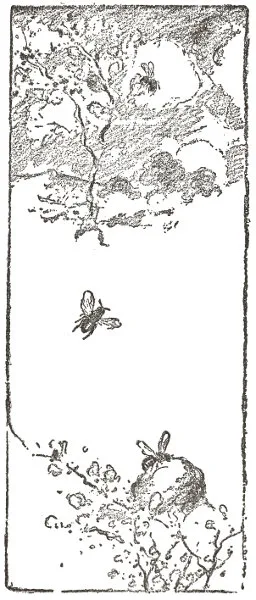
When the cell is finished, the Bee at once sets to work to provide food for it.部屋ができあがると、ハチはすぐに、そこに食べ物をたくわえる仕事にとりかかります。 The flowers round about, especially those of the yellow broom, which in May deck the pebbly borders of the mountain streams with gold, supply her with sugary liquid and pollen.近くの花、とくに五月に山の小川の小石だらけの岸を金色にかざる黄色いエニシダの花が、あまいみつと花粉(かふん)をあたえてくれます。 She comes with her crop swollen with honey and her body yellowed underneath with pollen-dust.ハチは、みつぶくろをみつでふくらませ、おなかの下を花粉で黄色くそめてやってきます。 She dives headfirst into the cell; and for a few moments you see her jerk violently as she empties her crop of the honey-sirup.ハチは頭から部屋にとびこみます。しばらくのあいだ、みつぶくろのみつをはき出すために、体をはげしくゆすっているのが見えます。 Afterwards, she comes out of the cell, only to go in again at once, but this time backwards.そのあと部屋から出てきますが、すぐにまた入ります。でも今度は、後ろ向きに入るのです。 The Bee now brushes the lower side of her abdomen with her two hind-legs and rids herself of her load of pollen.ハチは二本の後ろ足でおなかの下がわをはらい、運んできた花粉を落とします。 Once more she comes out and once more goes in headfirst.もう一度外に出て、また頭から入ります。 It is a question of stirring the materials, with her jaws for a spoon, and making the whole into a smooth mixture.あごをスプーンの代わりにして材料をかきまぜ、ぜんぶをなめらかにまぜ合わせるためです。 She does not do this after every journey; only once in a while, when she has gathered a good deal of food.これは、一回運ぶたびにするわけではありません。食べ物がかなりたまったときに、ときどきするだけです。

When the cell is half full of food, she thinks there is enough.部屋の半分まで食べ物がたまると、ハチはもう十分だと考えます。 An egg must now be laid on top of the paste and the house must be closed.今度は、このねり物の上にたまごを一つ産んで、家を閉じなければなりません。 All this is done quickly.これは、みんなすばやく行われます。 The cover is a lid of pure mortar, which the Bee builds by degrees, working from the outside to the center.ふたは、じゃりをまぜていないねん土のしっくいでできていて、ハチは外がわから中心に向かって、少しずつ作っていきます。 Two days at most appeared to me to be enough for everything, provided that no bad weather—rain or merely clouds—came to interrupt the work.悪い天気、つまり雨や、くもりだけでも、仕事のじゃまをしなければ、ぜんぶするのに長くても二日あれば十分なようでした。 Then a second cell is built, with its back to the first and provisioned in the same manner.それから、二つ目の部屋が、一つ目とせなか合わせに作られ、同じようにして食べ物がたくわえられます。 A third, a fourth, and so on follow, each supplied with honey and an egg and closed before the foundations of the next are laid.三つ目、四つ目と次々に続きます。どの部屋にも、はちみつとたまごが入れられ、次の部屋の土台が作られる前に閉じられます。

the Mason-Bees の挿絵((1919 edition))

“The flowers which deck the mountain streams with gold supply her with sugary liquid and pollen.”「山の小川を金色にかざる花が、あまいみつと花粉をあたえてくれます。」

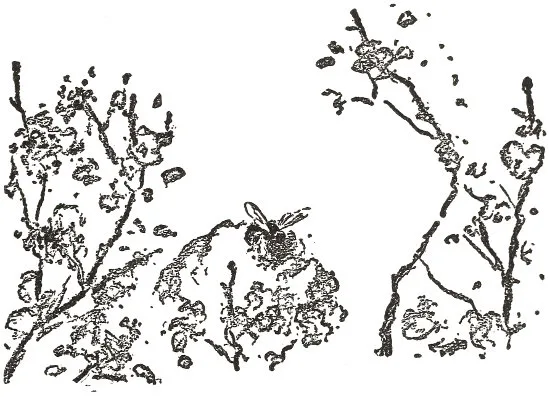
When all the cells are finished, the Bee builds a thick cover over the group, to protect her grub-babies from damp, heat and cold.部屋がぜんぶできあがると、ハチはそのかたまり全体の上に厚いおおいを作って、幼虫の赤ちゃんたちを、しめり気や暑さや寒さから守ります。 This cover is made of the usual mortar, but on this occasion with no small stones in it.このおおいは、いつものねん土で作りますが、このときは小石をまぜません。 The Bee applies it pellet by pellet, trowelful by trowelful, to the depth of about a third of an inch over the cluster of cells, which disappear entirely under the clay covering.ハチは、それを一つぶずつ、こてでぬるようにひとぬりずつ、部屋のかたまりの上に、八ミリほどの厚さにぬっていきます。部屋はねん土のおおいの下にすっかりかくれてしまいます。 When this is done, the nest has the shape of a rough dome, equal in size to half an orange.これができあがると、巣は、オレンジを半分に切ったくらいの大きさの、ごつごつした丸屋根の形になります。 One would take it for a round lump of mud which had been thrown and half crushed against a stone and had then dried where it was.まるで、どろのかたまりを石に投げつけて半分つぶれ、そのままかわいてしまったもののように見えます。 This outer covering dries as quickly as the cement we use in our houses; and the nest is soon almost as hard as a stone.この外がわのおおいは、わたしたちが家に使うセメントと同じくらい早くかわき、巣はすぐに石とほとんど同じくらいかたくなります。

Instead of building a brand-new nest on a hitherto unoccupied bowlder, the Mason-bee of the Walls is always glad to make use of old nests built the year before.カベヌリハナバチは、まだだれも使っていない大きな石にまったく新しい巣を作るより、前の年に作られた古い巣を使うほうを、いつも喜びます。 These need only a little repair to put them in good condition.古い巣は、少し手直しするだけで、いい具合になるからです。 The Bee who has chosen one of these nests looks about to see what parts need repairing, tears off the strips of cocoon hanging from the walls, removes the fragments of clay that fell from the ceiling when the young Bee of the preceding year bored her way through it, gives a coat of mortar to parts that need it, mends the opening a little, and that is all.古い巣をえらんだハチは、どこを直す必要があるか見て回ります。かべにぶら下がっているまゆの切れはしをはがし、前の年の若いハチが天じょうに穴をあけて出ていったときに落ちたねん土のかけらを取りのぞき、必要な所にねん土をぬり、出入り口を少し直して、それでおしまいです。 She then goes about storing honey and laying her egg, as she would in a new cell.それから、新しい部屋のときと同じように、はちみつをたくわえ、たまごを産みます。 When all the cells, one after the other, are thus furnished, the Bee puts a few touches on the outer dome of cement, if it needs them; and she is through.こうして部屋を一つずつ、ぜんぶととのえると、ハチは、もし必要なら外がわのセメントの丸屋根を少し手直しして、仕事は終わりです。

From one and the same nest there come out several inhabitants, brothers and sisters, the males with a bright brick-red fleece, and the female of a splendid velvety black, with dark-violet wings.一つの巣からは、何びきもの住人、つまり兄弟姉妹が出てきます。オスはあざやかなれんが色の毛をしていて、メスはみごとなビロードのような黒で、こいすみれ色のはねをしています。 They are all the children of the Bee who built or repaired and furnished the cells.みんな、部屋を作ったり直したりして、食べ物をそろえたあのハチの子どもたちです。 The male Bees lead a careless existence, never work, and do not return to the clay houses except for a brief moment to woo the ladies; they have nothing to do with the housekeeping or the new nests.オスのハチはのんきに暮らしていて、まったくはたらきません。ねん土の家にもどってくるのは、メスに結こんを申しこむほんの少しのあいだだけです。家の仕事にも新しい巣にも、まったくかかわりません。 What they want is the nectar in the flower-cups, not mortar to build with.オスがほしいのは、花のカップの中のみつで、巣を作るためのねん土ではないのです。 There are left the sisters, who will be the mothers of the next family.残るのは姉妹たちで、この姉妹が次の家族のお母さんになります。 As sisters, they all have equal rights to the nest.姉妹ですから、みんな巣に対して同じ権利を持っています。 They do not go by this rule, however.でも、ハチたちはこのきまりにはしたがいません。 The nest belongs to the one who first takes possession of it.巣は、いちばん先に自分のものにしたハチのものになるのです。 If any of the others or any neighbors dispute her ownership, she fights them until they have the worst of it and fly away, leaving her in peace.ほかの姉妹や近所のハチが、その持ち主にもんくをつけると、そのハチは、相手が負けて飛んでいき、自分を放っておいてくれるまで戦います。

AN ENEMY OF THE MASON-BEEヌリハナバチの敵

All is not smooth sailing after the Mason-bee has finished building her dome of cells.ヌリハナバチが部屋の丸屋根を作り終えたあとも、何もかもが順調というわけではありません。 It is then that a certain Stelis-wasp, much smaller than the Mason-bee, appears, looks carefully at the outside of the Mason-bee’s home, and makes up her mind, weak and small as she is, to introduce her eggs into this cement fortress.このころになると、ヌリハナバチよりずっと小さい、ステリスバチというハチがあらわれます。ステリスバチは、ヌリハナバチの家の外がわをよく調べて、自分は弱くて小さいのに、このセメントのとりでの中に自分のたまごを入れてやろうと決心するのです。 Everything is most carefully closed: a layer of rough plaster, at least two fifths of an inch thick, entirely covers the cells, which are each of them sealed with a thick mortar plug.何もかもが、とてもしっかりと閉じられています。少なくとも一センチもの厚さのあらいしっくいの層が部屋全体をおおい、部屋はどれも厚いねん土のせんでふさがれています。 The plaster is almost as hard as a rock.しっくいは、ほとんど岩と同じくらいかたいのです。 Never mind!それでも、かまいません! The little insect is going to reach the honey in those cells.この小さな虫は、部屋の中のはちみつまでたどりつこうとしているのです。

She pluckily sets to.ステリスバチは、勇かんに仕事にとりかかります。 Atom by atom, she drives a hole in the plaster and scoops out a shaft just large enough to let her through; she reaches the lid of the cell and gnaws it till she catches sight of the honey.ほんの少しずつ、しっくいに穴をあけ、自分の体がやっと通れるくらいのたて穴をほっていきます。そして部屋のふたまでたどりつくと、はちみつが見えるまでかじるのです。 It is a slow and painful process, in which the feeble Wasp wears herself out.それは、のろのろとした苦しい作業で、弱いハチはくたくたにつかれてしまいます。 I find it hard to break the plaster with the point of my knife.わたしでさえ、ナイフの先でしっくいを割るのはたいへんです。 How much harder, then, for the insect, with her tiny pincers!だとしたら、小さなあごしか持たない虫にとっては、どれほどたいへんなことでしょう!

When she reaches the honey, the Stelis-wasp slips through and, on the surface of the provisions, side by side with the Mason-bee’s, she lays a number of her own eggs.はちみつまでたどりつくと、ステリスバチは中にすべりこみ、たくわえられた食べ物の表面に、ヌリハナバチのたまごとならべて、自分のたまごをいくつも産みます。 The honey-food will be the common property of all the new arrivals, the Stelis-wasp’s grubs as well as the Mason-bee’s.はちみつの食べ物は、ステリスバチの幼虫もヌリハナバチの幼虫も、新しく生まれてくるものみんなのものになるのです。

The next thing for the parasite Wasp to do is to wall up the opening she has made, so that other robbers cannot get in.寄生(きせい)するハチが次にすることは、自分があけた入り口をふさいで、ほかのどろぼうが入れないようにすることです。 At the foot of the nest, the Wasp collects a little red earth; she makes it into mortar by wetting it with saliva; and with the pellets thus prepared she fills up the entrance shaft as neatly as if she were a master-mason.ステリスバチは、巣の根もとで赤い土を少し集め、だ液でしめらせてしっくいにします。そして、そうして作った小さなつぶで、まるで親方の左官屋さんのように、入り口のたて穴をきれいにうめてしまいます。 The mortar, being red, shows up against the Bee’s house, which is white; so when we see the red speck on the pale background of the Bee’s nest we know a Stelis-wasp has been that way.そのしっくいは赤いので、白いハチの家の上で目立ちます。ですから、ハチの巣の白っぽい地に赤い点が見えたら、ステリスバチがやってきたしるしだとわかるのです。

As a result of the Stelis’ action, the poor Bee-baby will starve to death.ステリスバチがこんなことをしたために、かわいそうなハチの赤ちゃんは、うえて死んでしまいます。 The Wasp’s grubs mature first and eat up all the food.ステリスバチの幼虫が先に大きくなって、食べ物をぜんぶ食べてしまうのです。

the Mason-Bees の挿絵((1919 edition))

THE BEE HERSELF TURNED BURGLARどろぼうになったハチ

Sometimes, when a Mason-bee has stayed too long among the flowers, getting honey for her cell, she finds the cell closed when she returns home.ヌリハナバチが、部屋のためのはちみつを集めに花のあいだに長くいすぎると、家に帰ったときに部屋が閉じられていることがあります。 A neighbor Bee has taken the opportunity to lay her eggs there, after finishing the building and stocking it with provisions.となりのハチが、部屋ができあがり、食べ物がたくわえられたのを見て、そのすきに自分のたまごをそこに産んでしまったのです。 The real Bee-owner is shut out.本当の持ち主のハチは、しめ出されてしまいます。

She does not hesitate long about what to do.ハチは、どうするかを長くはまよいません。 After she has examined her former home very carefully, to make sure it is closed against her, she seems to say to herself, “An egg for an egg, a cell for a cell.前の自分の家をとてもよく調べて、自分が入れないように閉じられていることをたしかめると、ハチは心の中でこう言っているようです。「たまごにはたまごを、部屋には部屋を。 You’ve stolen my house; I’ll steal yours.”あなたがわたしの家をぬすんだのなら、わたしもあなたの家をぬすんでやるわ。」 She goes to another Bee’s dwelling and patiently gnaws the mortar lid or door.ハチは別のハチの住まいへ行き、ねん土のふた、つまり戸を、しんぼう強くかじります。 When she has made an opening, she stands bending over the cell, her head half-buried in it, as if thinking.穴があくと、部屋の上にかがみこみ、頭を半分そこにうずめて、考えこんでいるようにじっとしています。 She goes away, she returns undecidedly; at last she makes up her mind.立ち去っては、まよいながらもどってきます。そして、ついに心を決めます。 The other Bees, meanwhile, pay no attention to her, not even the one who laid the egg in the cell.そのあいだ、ほかのハチたちは、そのハチに少しも注意をはらいません。その部屋にたまごを産んだハチでさえ、知らん顔です。

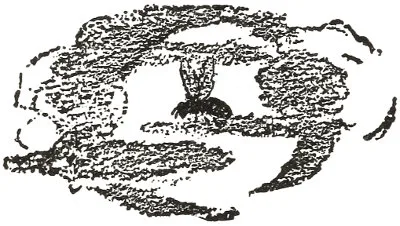
the Mason-Bees の挿絵((1919 edition))

The Bee who has turned burglar snaps up the strange egg from the surface of the honey and flings it on the rubbish-heap as carelessly as if she were ridding the house of a bit of dirt.どろぼうになったハチは、はちみつの上にある他人のたまごをさっとくわえて、まるで家のごみをはらいのけるように、平気でごみの山に投げ捨ててしまいます。 Then, although there is already plenty of honey in the cell, she adds more from her own stock, lays her own egg, and closes up the house again.それから、部屋にはもうたっぷりはちみつがあるのに、自分のたくわえからさらにみつを足して、自分のたまごを産み、また家を閉じます。 The lid is repaired to look like new and everything restored to order.ふたは、新品のように直され、何もかもがもとどおりになります。 The Bee has had her revenge; her anger is appeased.ハチは、しかえしをしたのです。いかりもおさまりました。 Next time she lays an egg it will be in her own cell, unless that has again been seized by another.次にたまごを産むときは、自分の部屋に産むでしょう。もっとも、その部屋がまた別のハチにとられていなければの話ですが。

SOME USEFUL VISITORS OF THE BEESハチの家の役に立つお客たち

I have told you about the robber Stelis-wasp who enters the Bee’s cement house and steals the provisions laid up for the Bee-baby; she is not the only one who despoils the poor Mason-bee.ハチのセメントの家に入りこんで、ハチの赤ちゃんのためにたくわえられた食べ物をぬすむ、どろぼうのステリスバチのことはお話ししました。でも、かわいそうなヌリハナバチから物をうばうのは、ステリスバチだけではありません。 There is another Bee, the Dioxys, who acts in about the same way as the Stelis-wasp, except that she sometimes does even worse, and eats up the grub itself, as well as its honey.ディオキシスという別のハチもいて、ステリスバチとだいたい同じことをします。ただ、もっとひどいことをするときもあって、はちみつだけでなく、幼虫まで食べてしまうのです。 Then there are the Osmia-bees and the Leaf-cutting Bees, who make themselves very much at home in the Bees’ houses, when they get a chance, keeping out the real owners; and there are also three flies, whose grubs eat the Bee-grub alive!それから、ツツハナバチやハキリバチもいます。このハチたちは、すきがあればハチの家にすっかり住みついて、本当の持ち主を入れないようにします。そのうえ、三種類のハエもいて、その幼虫はハチの幼虫を生きたまま食べてしまうのです! It sometimes seems wonderful that the Mason-bee should ever live to grow up; and you will be glad to hear of three other visitors the Bee-grub has, which actually help instead of making it impossible for it to live.ヌリハナバチがおとなになるまで生きられること自体が、ふしぎに思えるときもあります。そこで、ハチの幼虫のところにやってくる、ほかの三種類のお客の話を聞けば、みなさんもうれしくなるでしょう。このお客たちは、幼虫が生きられないようにするどころか、助けてくれるのです。 These are three Beetles.それは、三種類のこうちゅうです。

The old nests which the Mason-bees build in, to save themselves the trouble of making new ones, are often in a very insanitary condition.ヌリハナバチが新しい巣を作る手間をはぶくために使う古い巣は、とても不潔なことがよくあります。 The cells are full of dead larvæ (larva is another word for grub, and both words mean the first stage of the insect after leaving the egg, when it looks like a little worm), which, for some reason or other, could not break through their hard prisons; of honey which has not been eaten and has turned sour; of tattered cocoons, and shreds of skin, left behind when the grubs turned into Bees.部屋の中には、何かのわけでかたいろうやをやぶって出られなかった幼虫の死がい(「ラーバ」は幼虫の別の言い方で、どちらも、虫がたまごから出たばかりの、小さなイモムシのような姿をしている最初の時期のことです)や、食べられずにすっぱくなってしまったはちみつや、ぼろぼろのまゆや、幼虫がハチになるときにぬいだ皮の切れはしが、いっぱいつまっているのです。 All these dead and useless things are, of course, not pleasant to have in any house, especially in a tidy Bee’s.こういう死んだものや役に立たないものは、もちろん、どんな家にあっても気持ちのいいものではありません。きれい好きなハチの家なら、なおさらです。

Here is where the Beetles come to the rescue.そこで、こうちゅうたちが助けに来るのです。 They enter the Bee’s house and lay their eggs there.こうちゅうはハチの家に入って、そこにたまごを産みます。 The larvæ, when they come out of the eggs, begin to make themselves useful.たまごからかえった幼虫は、さっそく役に立ちはじめます。 Two species of larvæ gnaw the remains of the dead Bees; the third, which is quite a good-looking worm, with a black head and the rest of its body a pretty pink, takes care of the spoiled honey.二種類の幼虫は、死んだハチの残りをかじります。三つ目の幼虫は、なかなかかわいらしいイモムシで、頭が黒く、ほかの体はきれいなピンク色をしていて、くさったはちみつのしまつを引き受けます。 This worm turns into a Beetle in a red dress with blue ornaments, whom you may often see strolling about the Bee’s house in the working season, tasting here and there drops of honey oozing from some cracked cell.このイモムシは、青いかざりのついた赤い服を着たこうちゅうになります。はたらく季節には、ハチの家のあたりをぶらぶら歩いて、ひびの入った部屋からしみ出すみつのしずくを、あちこちで味見しているのがよく見られます。 The Bees leave him in peace, as if they knew that it was his duty to keep their house wholesome.ハチたちは、このこうちゅうを放っておきます。まるで、家をきれいにしておくのがこのこうちゅうの役目だと知っているかのようです。

Still later, when the Bee’s house, exposed as it is to wind and weather, cracks and falls to pieces almost entirely, the Bees leave it for good and all, and still other insects take possession of it.さらにあとになって、雨風にさらされたハチの家がひびわれて、ほとんどすっかりくずれてしまうと、ハチたちはその家を永久に去り、また別の虫たちが住みつきます。 These are gypsies, who are not particular where they camp out.それは、どこにでもかまわずキャンプをする、さすらいの旅人のような虫たちです。 Spiders make their homes in the blind alleys which used to be cells, and weave white-satin screens, behind which they lie in wait for passing game.クモは、もとは部屋だった行き止まりの穴にすみかを作り、白いサテンのような幕をはって、そのかげで通りかかるえものを待ちぶせします。 The Hunting-wasps arrange nooks with earthen embankments or clay partitions, and there store up small members of the Spider tribe as food for their families.かりをするハチ(カリバチ)は、土のどてやねん土のしきりですみっこをととのえ、そこに小さなクモのなかまをたくわえて、家族の食べ物にします。 So we see that the house that the Mason-bee built for herself is useful to many others, good, bad, or indifferent friends of hers as the case may be.このように、ヌリハナバチが自分のために作った家は、ほかのたくさんの生き物の役に立っているのです。それは場合によって、よい友だちだったり、悪い友だちだったり、どちらでもない友だちだったりするのです。

the Mason-Bees の挿絵((1919 edition))

さいごまで よめたね!

「よめた!」をおすと、スタンプがもらえて おはなしの森 に木や動物がふえるよ。

PDFで印刷(A4 16まい)

おうちの方・大人の学習者へ
ファーブルが先生だったころ、生徒に教わって出会ったハチの話です。じゃりとだ液で作る「セメントの家」は『昆虫記』でも有名な場面。巣をめぐる、どろぼうやそうじ係の虫たちの関係にも注目を。

出典台帳 — このページの「本物」の証明

英文
原文そのまま(1語も書きかえていません)。Project Gutenberg 電子書籍 #45812(J. Henri Fabre (adapted by Louise Seymour Hasbrouck)、1919年の本)
挿絵
(1919 edition)(同じ本の初版の挿絵。パブリックドメイン)
朗読
laurencetrask(LibriVox のボランティア。Insect Adventures「The Mason-Bees」)。録音はパブリックドメインで、元のファイルをそのまま使っています(音質を落とす加工なし)。
照合
朗読を音声認識(Whisper)で文字起こしし、原文と1語ずつ照らし合わせました。一致率 95.6%
文が光るタイミングはこの照合で決めています。
和訳
和訳はAIと人が作成。AIは3重チェック。人の目でも順次確認しています。英文には一切手を入れていません。