 7分
 朗読 Zarina Silverman
 原文そのまま

 PDFで印刷(A4 9まい)
The cabbage is the oldest vegetable we possess.キャベツは、私たちが持っているいちばん古い野菜です。 We know that people in classic times ate it, but it goes much further back than that, so that indeed we are ignorant of when or how mankind first began cultivating it.古代の人々がキャベツを食べていたことはわかっていますが、キャベツのれきしはそれよりずっと昔にさかのぼります。ですから、人間がいつ、どのようにしてキャベツを育てはじめたのかは、じつはわかっていません。 The botanists tell us that originally it was a long-stalked, scanty-leaved, ill-smelling wild plant which grew on ocean cliffs.植物学者によると、もともとキャベツは、海辺のがけに生える、くきが長く、葉が少なく、いやなにおいのする野生の植物だったそうです。 History pays but little attention to such details: it celebrates the battlefields on which we meet our death, it thinks the plowed fields by which we thrive are not important enough to speak of; it can tell us the names of kings’ favorites, it cannot tell us of the beginning of wheat!歴史は、こうしたことにはほとんど目を向けません。私たちが命を落とす戦場はほめたたえるのに、私たちを養ってくれる畑のことは、話すほど大事ではないと思っているのです。王さまのお気に入りの名前は教えてくれても、小麦のはじまりは教えてくれないのです! Perhaps some day it will be written differently.いつか、ちがう書き方をされる日が来るかもしれません。
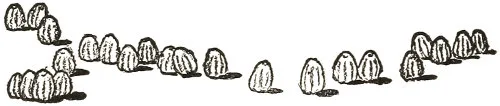
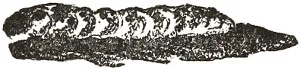
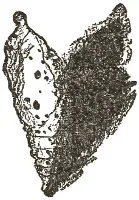
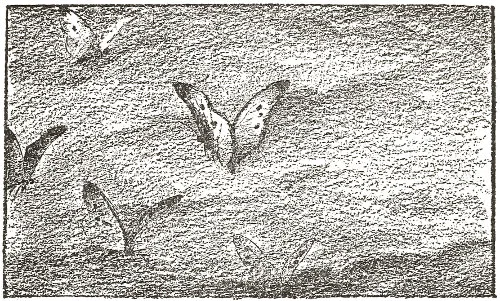
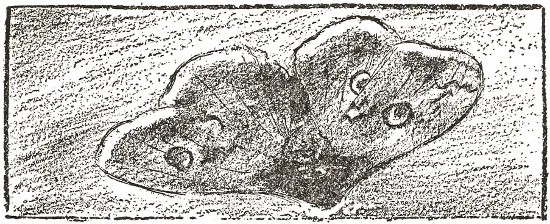
It is too bad that we do not know more about the cabbage, for it would have some very interesting things to teach us.キャベツについてもっとよく知らないのは、ざんねんなことです。キャベツは、とてもおもしろいことを教えてくれるでしょうから。 It is certainly a treasure in itself.キャベツは、それだけでたしかに宝物です。 Other creatures think so besides man; and one of these is the Caterpillar of the common Large White Butterfly.人間のほかにもそう思っている生き物がいます。その一つが、よく見かけるオオモンシロチョウの幼虫です。 This Caterpillar feeds on the leaves of the cabbage and all kinds of cabbagey plants, such as the cauliflower, the Brussels sprout, the kohlrabi, and the rutabaga, all near relatives of the cabbage.この幼虫は、キャベツや、カリフラワー、メキャベツ、コールラビ、ルタバガ(カブのなかま)など、キャベツの近い親せきであるあらゆるキャベツのなかまの葉を食べます。
It will feed also on other plants which belong to the cabbage family.ほかにも、キャベツの一族に入る植物を食べます。 They are all of the order of the Cruciferæ, so-called by the botanists because the petals are four in number and arranged in a cross.これらはみな、アブラナ科(十字花植物)のなかまです。花びらが4まいで十字の形に並んでいるので、植物学者がこうよんでいるのです。 The White Butterfly lays her eggs only on this order of plants.オオモンシロチョウは、このなかまの植物にだけ卵を産みます。 How she knows them is a mystery.どうやって見分けているのかは、なぞです。 I have studied flowers and plants for fifty years and more, yet, if I wished to find out if a plant new to me was or was not one of the Cruciferæ, and there were no flowers or fruit to guide me, I should believe the White Butterfly’s record on the matter sooner than anything I could find in books.私は50年以上も花や植物を研究してきました。それでも、初めて見る植物がアブラナ科かどうかを知りたくて、手がかりになる花も実もないときには、本で見つけたどんなことよりも、オオモンシロチョウの記録のほうを信じるでしょう。
The White Butterfly has two families a year: one in April and May, the other in September.オオモンシロチョウは1年に2回、子どもを産みます。1回目は4月と5月、2回目は9月です。 This is just the time that cabbages are ripe in our part of the world.それはちょうど、私たちの地方でキャベツが食べごろになる時期です。 The Butterfly’s calendar agrees with the gardener’s.チョウのこよみは、畑をつくる人のこよみとぴったり合っているのです。 When there are provisions to be eaten, the Caterpillars are on hand.食べる物があるときには、ちゃんと幼虫がいるのです。