



本文へ
はじめに
← 展示室の一覧
Buddhist Sculpture · Asuka to Kamakura period (7th–13th century)

仏像

やさしい微笑み、怒りの筋肉。1000年以上祈りを見守る仏たち。Gentle smiles and angry muscles. Statues that have watched over prayers for a thousand years.

ホー!仏像は正面だけでなく、横顔もぜひ見てね。

表示 この展示室のワークシート

この展示室について

About

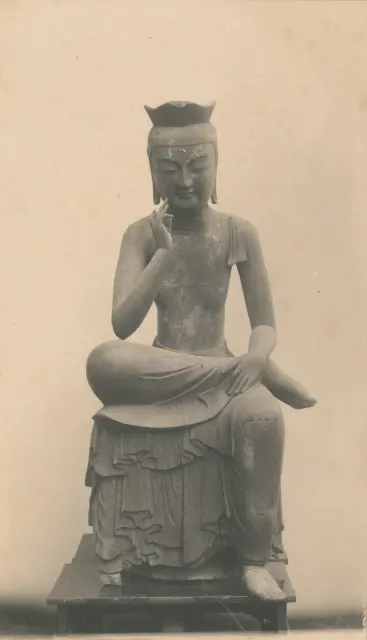
6世紀、仏教が朝鮮半島から日本へ伝わると、仏の姿を表す「仏像」が作られるようになりました。飛鳥時代の仏像は、口もとをわずかに上げた「アルカイック・スマイル」とよばれる微笑みが特徴です。京都・広隆寺の弥勒菩薩半跏思惟像は、指をそっとほおにそえて、人々をどう救おうかと考えているすがたです。

When Buddhism came to Japan from the Korean Peninsula in the 6th century, people began making Buddhist statues. Statues of the Asuka period often have a faint smile, called an 'archaic smile'. The Miroku Bodhisattva at Kōryū-ji in Kyoto sits with a finger lightly touching its cheek, thinking about how to save people.

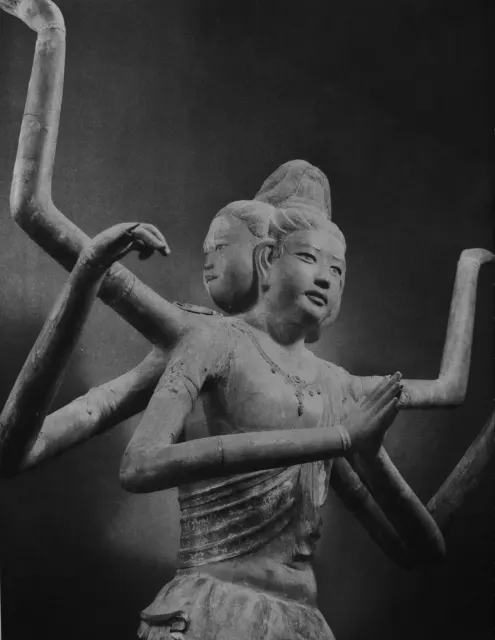
奈良時代には、国の力で東大寺の大仏が作られるなど、仏教美術が大きく花開きました。興福寺の阿修羅像は、粘土の型に麻布を漆で何枚も貼り重ねる「脱活乾漆造」で作られ、3つの顔と6本の腕をもちます。戦いの神でありながら、少年のようなはかなげな表情をしています。

In the Nara period, Buddhist art flourished with state support, including the Great Buddha of Tōdai-ji. The Ashura statue at Kōfuku-ji was made by layering hemp cloth soaked in lacquer over a clay core, a method called dry lacquer. It has three faces and six arms. Although Ashura is a god of battle, its face looks young and delicate.

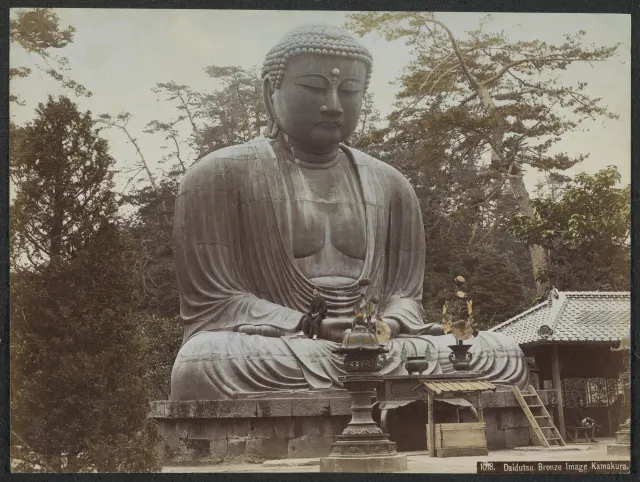
鎌倉時代になると、運慶・快慶たち「慶派」が、力強く写実的な仏像を生み出しました。東大寺南大門の金剛力士像(仁王像)は高さ8メートルをこえ、わずか69日間で完成したと記録されています。同じころ作られた鎌倉の大仏は、もとは大仏殿の中にありましたが、建物が失われ、今は野外に座っています。

In the Kamakura period, sculptors of the Kei school, such as Unkei and Kaikei, created powerful and realistic statues. The guardian kings at the Great South Gate of Tōdai-ji stand over eight meters tall, and records say they were finished in just 69 days. The Great Buddha of Kamakura, made around the same time, once sat inside a hall, but the building was lost and it now sits in the open air.

🌙 閉館後の展示室で…

閉館だ!仁王の兄弟、今日も800年ぶんの怒り顔、おつかれさま!

We're closed! Guardian brothers, great job looking angry for another day!

見分けるポイント

How to Spot It
  1. 頭の上が盛り上がり、うずまきの髪がならぶのは如来(悟りを開いた仏)。A raised bump on the head and rows of curls mean a Buddha who has reached enlightenment.
  2. 口もとがわずかに上がった静かな微笑みは、飛鳥時代の仏像の特徴。A quiet, slight smile is typical of Asuka-period statues.
  3. 筋肉がもりもりで目をむいて怒っているのは、仏を守る神さま。Bulging muscles and angry, staring eyes belong to guardian gods.
  4. 目に水晶がはめこまれ、生きているように光っている(鎌倉時代に多い)。Crystal eyes that shine as if alive, common in the Kamakura period.
  5. 木・銅・漆など、材料によって表面の感じがまったくちがう。Wood, bronze and lacquer each give a very different surface.

英語で語る美術用語

Art Words
bodhisattva
菩薩

悟りを目指しながら、人々を救う仏。かざりを身につけた姿が多い。A being on the way to enlightenment who helps others. Often shown wearing jewelry.

dry lacquer
乾漆造

麻布を漆で貼り重ねて作る技法。軽くてなめらか。阿修羅像がこの方法。Building a statue from layers of cloth and lacquer. Light and smooth, like the Ashura statue.

crystal eyes
玉眼

仏像の目の内側から水晶をはめこむ技法。目がうるんで見える。Crystal set into a statue's eyes from inside, making them look moist and alive.

joined-block technique
寄木造

いくつもの木を組み合わせて像を作る方法。大きな像を分担して作れる。Making a statue from many blocks of wood, so large works can be made by a team.

えっ!?な裏ネタ

Secrets

展示室クイズ

Quiz

Q. 東大寺南大門の金剛力士像は、何日で完成したと記録されている?According to records, how long did it take to make the guardian statues of Tōdai-ji?

Q. 興福寺の阿修羅像の顔の数は?How many faces does the Ashura statue at Kōfuku-ji have?