 PDFで印刷(A4 13まい)
“‘Upon my word,’ said the Miller, ‘you are very lazy.「『おやおや、』と粉屋は言いました。『おまえはずいぶんなまけ者だね。 Really, considering that I am going to give you my wheelbarrow, I think you might work harder.まったく、わたしは手おし車をあげるつもりなのだから、もう少しよく働いてもいいと思うがね。 Idleness is a great sin, and I certainly don’t like any of my friends to be idle or sluggish.なまけるのは大きな罪だ。わたしの友だちには、だれひとりなまけたり、ぐずぐずしたりしてほしくないのだよ。 You must not mind my speaking quite plainly to you.わたしがはっきりものを言っても、気にしてはいけないよ。 Of course I should not dream of doing so if I were not your friend.もちろん、おまえの友だちでなければ、こんなことは夢にも言わないさ。 But what is the good of friendship if one cannot say exactly what one means?でも、思っていることをそのまま言えないなら、友情なんて何の役に立つだろう? Anybody can say charming things and try to please and to flatter, but a true friend always says unpleasant things, and does not mind giving pain.気持ちのいいことを言って、人をよろこばせたり、おせじを言ったりするのはだれにでもできる。けれど本当の友だちは、いつもいやなことを言い、相手を傷つけるのを気にしないものだ。 Indeed, if he is a really true friend he prefers it, for he knows that then he is doing good.’それどころか、本当に本当の友だちなら、そのほうを好むのだよ。そうすれば相手のためになることをしているとわかっているからね。』
The Devoted Friend (2)
 10分1692語
 朗読 Phil Chenevert
 原文そのまま一致率 96.3%

粉屋は「手おし車をあげるから」と言っては、ハンスに次々と仕事をたのみます。ある大あらしの夜、粉屋がハンスの家の戸をたたいて……。ミズネズミの反応にも注目です。
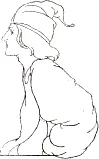
“‘I am very sorry,’ said little Hans, rubbing his eyes and pulling off his night-cap, ‘but I was so tired that I thought I would lie in bed for a little time, and listen to the birds singing.「『ごめんなさい。』とハンスは、目をこすり、ナイトキャップをぬぎながら言いました。『とてもつかれていたので、少しのあいだベッドにねころんで、鳥の歌を聞いていようと思ったんです。 Do you know that I always work better after hearing the birds sing?’ぼくは鳥の歌を聞いたあとのほうが、いつもよく働けるって知っていましたか?』
“‘Well, I am glad of that,’ said the Miller, clapping little Hans on the back, ‘for I want you to come up to the mill as soon as you are dressed and mend my barn-roof for me.’「『ほう、それはよかった。』と粉屋はハンスのせなかをぽんとたたいて言いました。『着がえがすんだらすぐに粉ひき小屋に来て、納屋の屋根を直してもらいたいのだからね。』
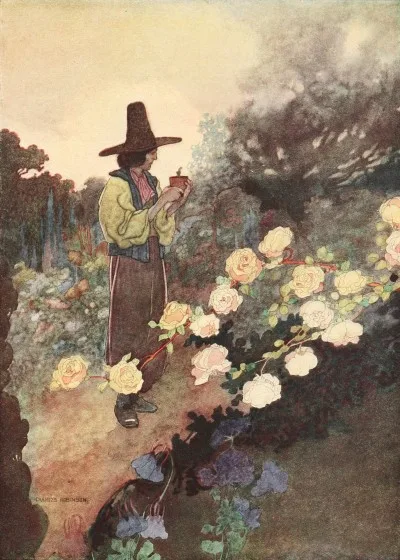
“Poor little Hans was very anxious to go and work in his garden, for his flowers had not been watered for two days, but he did not like to refuse the Miller as he was such a good friend to him.「かわいそうなハンスは、庭に行って働きたくてたまりませんでした。花にもう二日も水をやっていなかったのです。でも、粉屋はとてもよい友だちなので、ことわるのはいやでした。
“‘Do you think it would be unfriendly of me if I said I was busy?’ he inquired in a shy and timid voice.「『いそがしいと言ったら、友だちがいがないと思いますか?』とハンスは、はずかしそうな、おどおどした声でたずねました。
“‘Well, really,’ answered the Miller, ‘I do not think it is much to ask of you, considering that I am going to give you my wheelbarrow; but of course if you refuse I will go and do it myself.’「『いやはや、』と粉屋は答えました。『手おし車をあげるつもりなのだから、たいしたお願いではないと思うがね。でも、もちろん、ことわるなら自分でやりに行くさ。』
“‘Oh! on no account,’ cried little Hans; and he jumped out of bed, and dressed himself, and went up to the barn.「『ああ!とんでもない。』とハンスはさけびました。そしてベッドからとびおりて着がえ、納屋へ上っていきました。
“He worked there all day long, till sunset, and at sunset the Miller came to see how he was getting on.「ハンスは日がしずむまで一日じゅうそこで働きました。日がしずむと、粉屋がようすを見にやってきました。
“‘Have you mended the hole in the roof yet, little Hans?’ cried the Miller in a cheery voice.「『屋根の穴はもう直ったかね、ハンス?』と粉屋は元気な声でさけびました。
“‘It is quite mended,’ answered little Hans, coming down the ladder.「『すっかり直りました。』とハンスは、はしごを下りながら答えました。
“‘Ah!’ said the Miller, ‘there is no work so delightful as the work one does for others.’「『ああ!』と粉屋は言いました。『人のためにする仕事ほど楽しい仕事はないね。』
“‘It is certainly a great privilege to hear you talk,’ answered little Hans, sitting down and wiping his forehead, ‘a very great privilege.「『あなたのお話を聞けるのは、本当にありがたいことです。』とハンスは、こしをおろしておでこのあせをふきながら答えました。『本当にありがたいことです。 But I am afraid I shall never have such beautiful ideas as you have.’でも、ぼくはあなたのような美しい考えは、とても持てそうにありません。』
“‘Oh! they will come to you,’ said the Miller, ‘but you must take more pains.「『いやいや!そのうち持てるようになるさ。』と粉屋は言いました。『でも、もっとがんばらなくてはいけないよ。 At present you have only the practice of friendship; some day you will have the theory also.’今のおまえは友情を実行しているだけだ。いつか理論もわかるようになるだろう。』
“‘Do you really think I shall?’ asked little Hans.「『本当にそう思いますか?』とハンスはたずねました。
“‘I have no doubt of it,’ answered the Miller, ‘but now that you have mended the roof, you had better go home and rest, for I want you to drive my sheep to the mountain to-morrow.’「『まちがいないとも。』と粉屋は答えました。『でも屋根が直ったのだから、家に帰って休んだほうがいい。あしたはわたしのヒツジを山へつれていってもらいたいからね。』
“Poor little Hans was afraid to say anything to this, and early the next morning the Miller brought his sheep round to the cottage, and Hans started off with them to the mountain.「かわいそうなハンスは、こわくて何も言えませんでした。次の朝早く、粉屋はヒツジをハンスの家までつれてきて、ハンスはヒツジたちをつれて山へ出かけました。 It took him the whole day to get there and back; and when he returned he was so tired that he went off to sleep in his chair, and did not wake up till it was broad daylight.行って帰ってくるのに丸一日かかりました。帰ってきたときにはとてもつかれていて、いすにすわったままねむってしまい、すっかり明るくなるまで目がさめませんでした。
“‘What a delightful time I shall have in my garden!’ he said, and he went to work at once.「『さあ、庭でたっぷり楽しくすごせるぞ!』とハンスは言って、すぐに仕事にとりかかりました。
“But somehow he was never able to look after his flowers at all, for his friend the Miller was always coming round and sending him off on long errands, or getting him to help at the mill.「ところが、どういうわけか、ハンスは少しも花の世話ができませんでした。友だちの粉屋がいつもやってきては、遠くまでお使いに行かせたり、粉ひき小屋の手伝いをさせたりしたからです。 Little Hans was very much distressed at times, as he was afraid his flowers would think he had forgotten them, but he consoled himself by the reflection that the Miller was his best friend.ハンスはときどき、とてもつらくなりました。花たちに、わすれられたと思われるのではないかと心配だったのです。でも、粉屋はいちばんの友だちなのだから、と考えて自分をなぐさめました。 ‘Besides,’ he used to say, ‘he is going to give me his wheelbarrow, and that is an act of pure generosity.’『それに、』とハンスはいつも言っていました。『粉屋さんは手おし車をくれるんだ。あれは本当に気前のいい行いだよ。』
“So little Hans worked away for the Miller, and the Miller said all kinds of beautiful things about friendship, which Hans took down in a notebook, and used to read over at night, for he was a very good scholar.「こうしてハンスは粉屋のためにせっせと働き、粉屋は友情についての美しいことをいろいろと語りました。ハンスはそれをノートに書きとめて、夜になると読み返しました。ハンスはとても勉強熱心だったのです。
“Now it happened that one evening little Hans was sitting by his fireside when a loud rap came at the door.「さて、ある晩のこと、ハンスがだんろのそばにすわっていると、戸を大きくたたく音がしました。 It was a very wild night, and the wind was blowing and roaring round the house so terribly that at first he thought it was merely the storm.その夜はひどいあらしで、風が家のまわりをびゅうびゅうとうなりながらふいていたので、はじめはただのあらしの音だと思いました。 But a second rap came, and then a third, louder than any of the others.けれども二度目に戸をたたく音がして、それから三度目、これまででいちばん大きな音がしました。
“‘It is some poor traveller,’ said little Hans to himself, and he ran to the door.「『かわいそうな旅人だろう。』とハンスはひとりごとを言って、戸口へかけていきました。
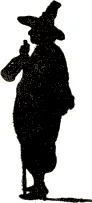
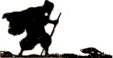
“There stood the Miller with a lantern in one hand and a big stick in the other.「そこには、片手にランタン、もう片手に大きなつえを持った粉屋が立っていました。
“‘Dear little Hans,’ cried the Miller, ‘I am in great trouble.「『かわいいハンス、』と粉屋はさけびました。『たいへんなことになった。 My little boy has fallen off a ladder and hurt himself, and I am going for the Doctor.息子がはしごから落ちてけがをしたので、お医者さんをよびに行くところなのだ。 But he lives so far away, and it is such a bad night, that it has just occurred to me that it would be much better if you went instead of me.でもお医者さんはとても遠くに住んでいるし、こんなにひどい夜だから、わたしのかわりにおまえが行ったほうがずっといいと、今ふと思いついたのだよ。 You know I am going to give you my wheelbarrow, and so it is only fair that you should do something for me in return.’ほら、わたしはおまえに手おし車をあげるつもりなのだから、おまえがお返しにわたしのために何かするのは当然だろう。』
“‘Certainly,’ cried little Hans, ‘I take it quite as a compliment your coming to me, and I will start off at once.「『もちろんです。』とハンスはさけびました。『ぼくのところへ来てくださるなんて、ほめていただいたようなものです。すぐに出かけます。 But you must lend me your lantern, as the night is so dark that I am afraid I might fall into the ditch.’でも、ランタンを貸してください。とても暗い夜なので、みぞに落ちてしまうかもしれません。』
“‘I am very sorry,’ answered the Miller, ‘but it is my new lantern and it would be a great loss to me if anything happened to it.’「『それはすまないが、』と粉屋は答えました。『これは新しいランタンで、もし何かあったら、わたしには大損なのだよ。』
“‘Well, never mind, I will do without it,’ cried little Hans, and he took down his great fur coat, and his warm scarlet cap, and tied a muffler round his throat, and started off.「『じゃあ、いいです。なしで行きます。』とハンスはさけび、大きな毛皮のコートと、あたたかい真っ赤なぼうしをとって、首にマフラーをまき、出かけていきました。
“What a dreadful storm it was!「なんとおそろしいあらしだったことでしょう! The night was so black that little Hans could hardly see, and the wind was so strong that he could scarcely stand.夜は真っ暗で、ハンスにはほとんど何も見えず、風が強くて、立っているのもやっとでした。 However, he was very courageous, and after he had been walking about three hours, he arrived at the Doctor’s house, and knocked at the door.それでもハンスはとても勇かんで、三時間ほど歩いたあと、お医者さんの家に着いて、戸をたたきました。
“‘Who is there?’ cried the Doctor, putting his head out of his bedroom window.「『だれだね?』とお医者さんは、しん室の窓から頭を出してさけびました。
“‘Little Hans, Doctor.’「『ハンスです、お医者さま。』
“‘What do you want, little Hans?’「『何の用かね、ハンス?』
“‘The Miller’s son has fallen from a ladder, and has hurt himself, and the Miller wants you to come at once.’「『粉屋さんの息子さんがはしごから落ちてけがをしたので、すぐ来てほしいと粉屋さんが言っています。』
“‘All right!’ said the Doctor; and he ordered his horse, and his big boots, and his lantern, and came downstairs, and rode off in the direction of the Miller’s house, little Hans trudging behind him.「『よしわかった!』とお医者さんは言いました。そして馬と大きな長ぐつとランタンを用意させて下りてくると、粉屋の家のほうへ馬で走っていきました。ハンスはそのうしろをとぼとぼと歩いていきました。
“But the storm grew worse and worse, and the rain fell in torrents, and little Hans could not see where he was going, or keep up with the horse.「けれども、あらしはどんどんひどくなり、雨はたきのようにふりそそぎ、ハンスはどこを歩いているのかもわからず、馬についていくこともできませんでした。 At last he lost his way, and wandered off on the moor, which was a very dangerous place, as it was full of deep holes, and there poor little Hans was drowned.とうとうハンスは道にまよい、あれ野にふみこんでしまいました。そこは深い穴がたくさんある、とても危ないところでした。そしてかわいそうに、ハンスはそこで水におぼれて亡くなってしまったのです。 His body was found the next day by some goatherds, floating in a great pool of water, and was brought back by them to the cottage.次の日、ヤギ飼いたちが、大きな水たまりにうかんでいるハンスを見つけ、家までつれて帰ってきました。
“Everybody went to little Hans’ funeral, as he was so popular, and the Miller was the chief mourner.「ハンスはみんなに好かれていたので、おそう式にはだれもが来ました。そして粉屋がいちばん悲しむ人として先頭に立ちました。
“‘As I was his best friend,’ said the Miller, ‘it is only fair that I should have the best place;’ so he walked at the head of the procession in a long black cloak, and every now and then he wiped his eyes with a big pocket-handkerchief.「『わたしはハンスのいちばんの友だちだったのだから、』と粉屋は言いました。『いちばんよい場所にいるのは当然だ。』そこで粉屋は長い黒いマントを着て行列の先頭を歩き、ときどき大きなハンカチで目をふきました。
“‘Little Hans is certainly a great loss to every one,’ said the Blacksmith, when the funeral was over, and they were all seated comfortably in the inn, drinking spiced wine and eating sweet cakes.「『ハンスがいなくなったのは、みんなにとって本当に大きな損失だ。』と、おそう式が終わって、みんなが宿屋でゆったりとすわり、スパイスの入ったワインを飲み、あまいおか子を食べているときに、かじ屋が言いました。
“‘A great loss to me at any rate,’ answered the Miller, ‘why, I had as good as given him my wheelbarrow, and now I really don’t know what to do with it.「『少なくとも、わたしにとっては大きな損失だよ。』と粉屋は答えました。『なにしろ、手おし車をあげたも同然だったのに、今となってはあれをどうしたらいいか、本当にわからないのだからね。 It is very much in my way at home, and it is in such bad repair that I could not get anything for it if I sold it.家ではとてもじゃまになるし、ひどくこわれているから、売っても何にもならない。 I will certainly take care not to give away anything again.もう二度と、何かを人にあげたりしないように気をつけるよ。 One always suffers for being generous.’”気前よくすると、いつもばかを見るものだね。』」
“Well?” said the Water-rat, after a long pause.「それで?」と、しばらくだまったあとでミズネズミが言いました。
“Well, that is the end,” said the Linnet.「それで、これでおしまいです。」とムネアカヒワは言いました。
“But what became of the Miller?” asked the Water-rat.「でも、粉屋はどうなったのです?」とミズネズミはたずねました。
“Oh!「さあ! I really don’t know,” replied the Linnet; “and I am sure that I don’t care.”本当に知りません。」とムネアカヒワは答えました。「それに、どうでもいいですね。」
“It is quite evident then that you have no sympathy in your nature,” said the Water-rat.「それなら、あなたには思いやりの心がないのがよくわかりますな。」とミズネズミは言いました。
“I am afraid you don’t quite see the moral of the story,” remarked the Linnet.「どうやら、あなたにはこのお話の教訓がよくわからないようですね。」とムネアカヒワは言いました。
“The what?” screamed the Water-rat.「何だって?」とミズネズミはかなきり声をあげました。
“The moral.”「教訓です。」
“Do you mean to say that the story has a moral?”「この話に教訓があるというのですか?」
“Certainly,” said the Linnet.「もちろんです。」とムネアカヒワは言いました。
“Well, really,” said the Water-rat, in a very angry manner, “I think you should have told me that before you began.「いやはや、」とミズネズミはひどくおこって言いました。「それなら、始める前にそう言うべきでしたな。 If you had done so, I certainly would not have listened to you; in fact, I should have said ‘Pooh,’ like the critic.そう言ってくれていたら、ぜったいに聞かなかったのに。それどころか、あの批評家のように『ふん!』と言ってやったところです。 However, I can say it now;” so he shouted out “Pooh” at the top of his voice, gave a whisk with his tail, and went back into his hole.でも、今からでも言えますぞ。」そう言うと、ミズネズミはありったけの声で「ふん!」とさけび、しっぽをさっとふって、穴の中へもどっていきました。
“And how do you like the Water-rat?” asked the Duck, who came paddling up some minutes afterwards.「ミズネズミのことをどう思いまして?」と、何分かあとで水をかいてやってきたアヒルがたずねました。 “He has a great many good points, but for my own part I have a mother’s feelings, and I can never look at a confirmed bachelor without the tears coming into my eyes.”「よいところもたくさんあるけれど、わたしは母親の気持ちを持っていますからね。ずっとひとり者でいるつもりの人を見ると、なみだが出てきてしまうのですよ。」
“I am rather afraid that I have annoyed him,” answered the Linnet.「どうも、ミズネズミさんをおこらせてしまったようです。」とムネアカヒワは答えました。 “The fact is, that I told him a story with a moral.”「じつは、教訓のあるお話をしてしまったのです。」
“Ah! that is always a very dangerous thing to do,” said the Duck.「まあ!それはいつだって、とても危ないことですわ。」とアヒルは言いました。
And I quite agree with her.わたしも、まったくアヒルと同じ意見です。
おうちの方・大人の学習者へ
ハンスがあらしの中で亡くなる悲しい結末ですが、その後も粉屋は自分の損ばかり気にします。教訓を聞いたとたん怒って帰るミズネズミ、最後の語り手のひとことまで、皮肉がきいています。
出典台帳 — このページの「本物」の証明
- 英文
- 原文そのまま(1語も書きかえていません)。Project Gutenberg 電子書籍 #30120(Oscar Wilde、1888年の本)
- 挿絵
- Charles Robinson(同じ本の初版の挿絵。パブリックドメイン)
- 朗読
- Phil Chenevert(LibriVox のボランティア。Happy Prince and Other Tales (version 3)「The Devoted Friend」)。録音はパブリックドメインで、元のファイルをそのまま使っています(音質を落とす加工なし)。
- 照合
- 朗読を音声認識(Whisper)で文字起こしし、原文と1語ずつ照らし合わせました。一致率 96.3%文が光るタイミングはこの照合で決めています。
- 和訳
- 和訳はAIと人が作成。AIは3重チェック。人の目でも順次確認しています。英文には一切手を入れていません。