 5分
 朗読 Reeses118
 原文そのまま
 PDFで印刷(A4 7まい)
There was once a cobbler who worked hard at his trade, and yet never seemed to get on in the world.むかし、ひとりのくつやがいました。いっしょうけんめいはたらいているのに、ちっともくらしがらくになりませんでした。
One evening he took his last piece of leather and cut out a pair of shoes and laid the pieces neatly on his bench, expecting to finish them in the morning.あるばん、くつやはさいごの一まいのかわを切って、くつ一足分の形を切りぬき、朝になったらしあげるつもりで、切ったかわをしごと台の上にきちんとならべておきました。
“There,” said he to his wife; “that is my last piece of leather, and I will have no money to buy more until those shoes are made and sold.”「さあ」とくつやはおかみさんに言いました。「これがさいごのかわだよ。このくつを作って売るまでは、新しいかわを買うお金もないんだ」
The next morning he went to his shop early to begin work.つぎの朝、くつやはしごとをはじめようと、早くにみせへ行きました。 What was his surprise to find that in the night the pieces had been made up into a fine pair of shoes.すると、おどろいたことに、夜のあいだに、切ったかわがりっぱなくつにしあがっていたのです。 He took them up and examined them, and there was not a fault to be found with them.くつやはくつを手にとって、よくしらべましたが、どこにもわるいところは見つかりませんでした。 It was indeed much better work than the cobbler could have done.それどころか、くつやが自分で作るよりずっとじょうずなできばえでした。 Not even the king’s shoemaker could have done better.王さまのくつしょくにんでさえ、これよりじょうずには作れないほどでした。
The cobbler set the shoes out where they could be seen, and he soon had a customer for them.くつやがそのくつを見えるところにならべておくと、すぐに買いたいというお客がやってきました。 This customer was a very rich man.そのお客は、たいへんなお金持ちでした。 “This is a very fine pair of shoes,” said the rich man after he had examined them.「これはすばらしいくつだ」と、お金持ちはくつをよく見てから言いました。 “I will take them, and you may make me two more pairs.”「これをもらおう。それから、あと二足作っておくれ」 He then paid the cobbler well, and went away, carrying the shoes with him.お金持ちはくつやにたっぷりお金をはらって、くつをもって帰っていきました。
The cobbler was ready to dance with joy.くつやは、うれしくておどり出しそうでした。 He hurried out and bought more leather, and by evening he had cut out two more pairs of shoes.いそいで出かけてかわをもっと買い、夕方までに、くつ二足分のかわを切りぬきました。 He left the pieces lying on the bench as before.そして前と同じように、切ったかわをしごと台の上においておきました。
When he came to the shop the next morning, he found both pairs finished and standing side by side on the bench, and they were just as well made as the other pair had been.つぎの朝みせへ行くと、二足ともしあがって、しごと台の上にならんで立っていました。どちらも、前のくつと同じように、りっぱなできばえでした。 The rich man was delighted with them, and he brought a friend to the shop with him, who also ordered two pairs of shoes.お金持ちはそのくつがすっかり気に入って、友だちをつれてみせにやってきました。その友だちも、くつを二足ちゅうもんしました。
So it went on.こうして、つぎからつぎへとちゅうもんがきました。 Soon the cobbler had all the customers he could attend to, and they paid high prices for his shoes, for they were better than could be bought anywhere else.まもなく、くつやは手がまわらないほどたくさんのお客をかかえるようになりました。お客たちは、くつに高いお金をはらってくれました。ほかのどこで買えるくつよりも、すばらしかったからです。
But the cobbler puzzled and puzzled about who was helping him.けれども、くつやは、いったいだれが手つだってくれているのだろうと、ふしぎでたまりませんでした。 No matter how late he sat up, nor how early he rose in the morning, he never saw anyone, and he never heard a sound.どんなにおそくまでおきていても、どんなに朝早くおきても、だれのすがたも見えず、なんの物音も聞こえませんでした。
At last he determined he would watch all night and find out who was doing the work.とうとうくつやは、一ばんじゅう見はって、だれがしごとをしているのかつきとめようと心にきめました。 So when his wife went off to bed he hid himself behind some clothes that were hanging in the corner, and stayed there as still as a mouse.そこで、おかみさんがねにいくと、くつやはへやのすみにかけてある服のうしろにかくれて、ネズミのようにじっとしていました。 No one would have known there was anybody in the room.へやにだれかがいるとは、だれにもわからなかったでしょう。 The moon shone in at the window and all the house was still.月の光がまどからさしこみ、家じゅうがしんとしずまりかえっていました。
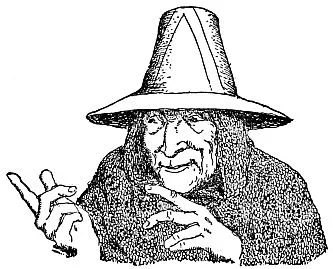
Suddenly he saw two little brown fairy-men there in the room, but where they came from he could not tell.とつぜん、へやの中に、茶色の小さなこびとがふたりいるのが見えました。でも、どこから来たのか、くつやにはわかりませんでした。 It was cold winter weather, but neither of them had on coats or shoes or trousers.寒い冬だというのに、ふたりとも上着もくつもズボンも身につけていませんでした。 They picked up the pieces of leather and looked at them, and then they sat down cross-legged and began to work.こびとたちは、かわのきれはしを手にとってながめると、あぐらをかいてすわり、しごとをはじめました。 They fitted and sewed and hammered, so fast that in a short time all the shoes were done.かわを合わせ、ぬい、とんとんたたいて、あっというまに、くつはすっかりしあがりました。 The two little men set them in a row on the bench, and nodded to each other as though they were well pleased, and then they went as they came, without a sound, and the cobbler could not tell what had become of them.ふたりのこびとは、くつをしごと台の上に一れつにならべると、まんぞくそうにうなずき合いました。そして、来たときと同じように、音もなく行ってしまい、どこへ行ったのか、くつやにはわかりませんでした。
The next day the cobbler told his wife all that he had seen the night before.つぎの日、くつやは、前のばんに見たことを、すっかりおかみさんに話しました。 The two talked it over for a long time.ふたりは長いあいだ、そのことを話し合いました。
“We ought to do something to show our gratitude to the little men,” said his wife.「あのこびとさんたちに、何かお礼をしなくてはね」とおかみさんは言いました。 “How would it be if I made a little shirt and a suit for each of them, and you can make them each a pair of shoes.”「わたしがふたりに小さなシャツと服を作って、あなたがくつを一足ずつ作ってあげる、というのはどうかしら」
To this the cobbler agreed.くつやはさんせいしました。 He went out and bought some fine cloth and cambric, and buttons and also some soft thin leather.くつやは出かけて、上等のぬのとうすい白いぬの、ボタン、それにやわらかくてうすいかわを買ってきました。
Then his wife set to work and made two little shirts and two little suits all complete, even to the pockets and buttonholes, and the cobbler made two tiny pairs of shoes.それから、おかみさんは小さなシャツを二まいと、小さな服を二着、ポケットやボタンあなまできちんとそろえて作り、くつやは小さな小さなくつを二足作りました。 When all was finished, they laid the clothes out on the bench, and that night they left a light burning and hid themselves in the corner behind the clothes, to see what would happen.すっかりできあがると、ふたりは服をしごと台の上にならべました。そしてその夜は、あかりをつけたままにして、どうなるか見るために、へやのすみの服のうしろにかくれました。 The clock ticked on, and suddenly they saw the two little brown men there in the room, moving quietly about, though how they had come there neither the cobbler nor his wife knew.時計がチクタクと時をきざんでいくと、とつぜん、へやの中に茶色のこびとがふたりいて、しずかに動きまわっているのが見えました。でも、どうやって来たのか、くつやにもおかみさんにもわかりませんでした。
The little men went to the bench where the leather was generally laid out, and there, instead of leather pieces were the two little suits of clothes and the two little pairs of shoes.こびとたちは、いつもかわがおいてあるしごと台のところへ行きました。すると、そこにはかわのかわりに、小さな服が二着と、小さなくつが二足おいてありました。 The brownies took up the clothes piece by piece and examined them; they held them up and turned them this way and that.こびとたちは服を一まいずつ手にとって、よく見ました。もち上げては、あっちへむけたり、こっちへむけたりしました。 Last of all they put the clothes on, and they fitted exactly.さいごに服を着てみると、ぴったりでした。 Then they began to dance with glee, and to sing:すると、こびとたちはうれしそうにおどりながら、歌いはじめました。
“How fine we be, how fine we be!「ぼくら、なんてりっぱ、なんてりっぱ!
Now we never will work again!”もう二度と、はたらかないよ!」
So singing they danced about over tables and chairs and benches and so on out the door into the night, and they never were seen again.そう歌いながら、こびとたちはテーブルやいすやしごと台の上をおどりまわり、そのまま戸口から夜の中へ出ていって、それきり二度とすがたを見せませんでした。
But the cobbler prospered, and in time became a very rich man.けれども、くつやはしょうばいがうまくいき、やがて、たいへんなお金持ちになりました。