原田英語の多読ベストジュニア このサイトについてはじめて

How the Alphabet Was Made

アルファベットのはじまり
★★★★★25分3899語朗読 Tim Bulkeley (1948-2019)原文そのまま一致率 86.5%

大むかしの女の子タフィーとお父さんは、つりをしながら「音」を絵であらわす遊びを思いつきます。コイの口、ヘビ、たまご……。二人の遊びは、やがて大発見に!

PDFで印刷(A4 31まい)

The week after Taffimai Metallumai (we will still call her Taffy, Best Beloved) made that little mistake about her Daddy's spear and the Stranger-man and the picture-letter and all, she went carp-fishing again with her Daddy.タフィマイ・メタルマイ(いとしい子よ、これからもタフィーとよびましょうね)が、お父さんのやりと、よその人と、絵の手紙のことで、ちょっとしたしっぱいをしたつぎの週、タフィーはまたお父さんといっしょにコイつりに出かけました。 Her Mummy wanted her to stay at home and help hang up hides to dry on the big drying-poles outside their Neolithic Cave, but Taffy slipped away down to her Daddy quite early, and they fished.お母さんは、大むかしのほら穴の外にある大きなほしざおに、毛皮をかけてほすのを手つだってほしかったのですが、タフィーは朝早くにそっとぬけ出してお父さんのところへ行き、二人でつりをしました。 Presently she began to giggle, and her Daddy said, 'Don't be silly, child.'しばらくすると、タフィーはくすくすわらいだしました。お父さんは「ばかなことはおよし」と言いました。

'But wasn't it inciting!' said Taffy.「でも、わくわくしたでしょう!」とタフィーは言いました。 'Don't you remember how the Head Chief puffed out his cheeks, and how funny the nice Stranger-man looked with the mud in his hair?'「族長さんがほっぺをふくらませたのや、やさしいよその人がかみの毛にどろをつけて、おかしなかっこうになっていたのを、おぼえていないの?」

'Well do I,' said Tegumai.「よくおぼえているとも」とテグマイは言いました。 'I had to pay two deerskins—soft ones with fringes—to the Stranger-man for the things we did to him.'「あの人にしてしまったことのおわびに、シカの毛皮を二まい――ふさのついたやわらかいのをね――はらわなければならなかったんだ」

'We didn't do anything,' said Taffy.「わたしたちは何もしていないわ」とタフィーは言いました。 'It was Mummy and the other Neolithic ladies—and the mud.'「したのはお母さんや、ほかの大むかしのおばさんたちと――それから、どろよ」

'We won't talk about that,' said her Daddy.「その話はやめておこう」とお父さんは言いました。 'Let's have lunch.'「お昼ごはんにしよう」

Taffy took a marrow-bone and sat mousy-quiet for ten whole minutes, while her Daddy scratched on pieces of birch-bark with a shark's tooth.タフィーはほねつきのずいを一本もらって、まるまる十分間、ネズミのようにしずかにすわっていました。そのあいだ、お父さんはサメの歯で、シラカバの皮のきれはしに何かをひっかいていました。 Then she said, 'Daddy, I've thinked of a secret surprise.それからタフィーは言いました。「お父さん、ひみつのびっくりを思いついたの。 You make a noise—any sort of noise.'何か音を出して――どんな音でもいいから」

'Ah!' said Tegumai.「アー!」とテグマイは言いました。 'Will that do to begin with?'「はじめは、これでいいかね?」

'Yes,' said Taffy.「ええ」とタフィーは言いました。 'You look just like a carp-fish with its mouth open.「お父さん、口をあけたコイにそっくりよ。 Say it again, please.'もう一回言って」

'Ah! ah! ah!' said her Daddy.「アー!アー!アー!」とお父さんは言いました。 'Don't be rude, my daughter.'「おぎょうぎが悪いぞ、むすめや」

'I'm not meaning rude, really and truly,' said Taffy.「ほんとうに、ほんとうに、おぎょうぎ悪くするつもりじゃないの」とタフィーは言いました。 'It's part of my secret-surprise-think.「これは、わたしのひみつのびっくりの考えの一部なの。 Do say ah, Daddy, and keep your mouth open at the end, and lend me that tooth.お父さん、アーって言って、さいごに口をあけたままにしていてね。それから、その歯をかして。 I'm going to draw a carp-fish's mouth wide-open.'コイが口を大きくあけているところをかくから」

'What for?' said her Daddy.「何のために?」とお父さんは言いました。

'Don't you see?' said Taffy, scratching away on the bark.「わからないの?」とタフィーは、木の皮をひっかきながら言いました。 'That will be our little secret s'prise.「これが、わたしたちのちょっとしたひみつのびっくりになるのよ。 When I draw a carp-fish with his mouth open in the smoke at the back of our Cave—if Mummy doesn't mind—it will remind you of that ah-noise.ほら穴のおくの、すすのついたかべに、口をあけたコイをかいておけば――お母さんがいやがらなければね――それを見たら、お父さんはあのアーっていう音を思い出すでしょう。 Then we can play that it was me jumped out of the dark and s'prised you with that noise—same as I did in the beaver-swamp last winter.'そうしたら、わたしがくらがりからとび出して、その音でお父さんをびっくりさせたことにして遊べるわ――去年の冬、ビーバーのぬまでしたみたいに」

'Really?' said her Daddy, in the voice that grown-ups use when they are truly attending.「ほんとうかい?」とお父さんは、大人が本気で聞いているときの声で言いました。 'Go on, Taffy.'「つづけてごらん、タフィー」

How the Alphabet Was Made の挿絵(Rudyard Kipling / Joseph M. Gleeson)

11

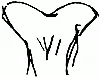
'Oh bother!' she said.「ああ、もう!」とタフィーは言いました。 'I can't draw all of a carp-fish, but I can draw something that means a carp-fish's mouth.「コイをまるごとはかけないわ。でも、コイの口をあらわすものならかける。 Don't you know how they stand on their heads rooting in the mud?コイがさかだちして、どろの中をつついているのを知っているでしょう? Well, here's a pretence carp-fish (we can play that the rest of him is drawn).だから、これはつもりのコイよ(のこりの体はかいたことにして遊ぶの)。 Here's just his mouth, and that means ah.'ここにあるのは口だけ。これがアーっていう意味よ」 And she drew this.そしてタフィーは、こんなふうにかきました。 (1.)(1)

'That's not bad,' said Tegumai, and scratched on his own piece of bark for himself; but you've forgotten the feeler that hangs across his mouth.'「わるくないね」とテグマイは言って、自分でも自分の木の皮にひっかきました。「でも、口のところにたれているひげをわすれているよ」

'But I can't draw, Daddy.'「だって、わたし、絵がへたなんだもの、お父さん」

How the Alphabet Was Made の挿絵(Rudyard Kipling / Joseph M. Gleeson)

22

'You needn't draw anything of him except just the opening of his mouth and the feeler across.「口のあいたところと、そこにかかるひげのほかは、何もかかなくていいんだよ。 Then we'll know he's a carp-fish, 'cause the perches and trouts haven't got feelers.そうすれば、コイだとわかる。スズキやマスには、ひげがないからね。 Look here, Taffy.'ほら、ごらん、タフィー」 And he drew this.そしてお父さんは、こんなふうにかきました。 (2.)(2)

'Now I'll copy it.' said Taffy.「じゃあ、まねしてかくわ」とタフィーは言いました。 'Will you understand this when you see it?'「これを見たら、わかる?」 And she drew this.そしてタフィーは、こんなふうにかきました。 (3.)(3)

How the Alphabet Was Made の挿絵(Rudyard Kipling / Joseph M. Gleeson)

33

'Perfectly,' said her Daddy.「ばっちりだよ」とお父さんは言いました。 'And I'll be quite as s'prised when I see it anywhere, as if you had jumped out from behind a tree and said "Ah!"'「どこでこれを見ても、おまえが木のかげからとび出して『アー!』と言ったときと同じくらい、びっくりするだろうね」

'Now, make another noise,' said Taffy, very proud.「じゃあ、もう一つ音を出して」とタフィーは、とてもとくいになって言いました。

'Yah!' said her Daddy, very loud.「ヤー!」とお父さんは、とても大きな声で言いました。

'H'm,' said Taffy.「ふうん」とタフィーは言いました。 'That's a mixy noise.「それはまざった音ね。 The end part is ah-carp-fish-mouth; but what can we do about the front part?おしまいのところはアーのコイの口だけど、前のところはどうしたらいいかしら? Yer-yer-yer and ah!イェ、イェ、イェ、そしてアー! Ya!'ヤー!」

'It's very like the carp-fish-mouth noise.「コイの口の音にとてもよくにているね。 Let's draw another bit of the carp-fish and join 'em,' said her Daddy.コイのべつのところをかいて、つなげてみよう」とお父さんは言いました。 He was quite incited too.お父さんもすっかりわくわくしていました。

How the Alphabet Was Made の挿絵(Rudyard Kipling / Joseph M. Gleeson)

44

'No. If they're joined, I'll forget.「だめ。つなげたら、わすれちゃう。 Draw it separate.べつべつにかいて。 Draw his tail.しっぽをかいて。 If he's standing on his head the tail will come first.コイがさかだちしているなら、しっぽが先に来るでしょう。 'Sides, I think I can draw tails easiest,' said Taffy.それに、しっぽならいちばんかんたんにかけると思うの」とタフィーは言いました。

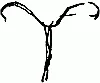
'A good notion,' said Tegumai.「いい考えだ」とテグマイは言いました。 'Here's a carp-fish tail for the yer-noise.'「イェの音には、このコイのしっぽだ」 And he drew this.そしてお父さんは、こんなふうにかきました。 (4.)(4)

How the Alphabet Was Made の挿絵(Rudyard Kipling / Joseph M. Gleeson)

55

'I'll try now,' said Taffy. ''Member I can't draw like you, Daddy.「こんどはわたしがやってみる」とタフィーは言いました。「わたし、お父さんみたいに上手にかけないのを、わすれないでね。 Will it do if I just draw the split part of the tail, and the sticky-down line for where it joins?'しっぽの二つにわかれたところと、それがつながるところの、下へのびる線だけかけばいいかしら?」 And she drew this.そしてタフィーは、こんなふうにかきました。 (5.)(5)

Her Daddy nodded, and his eyes were shiny bright with 'citement.お父さんはうなずきました。その目は、わくわくしてきらきらかがやいていました。

'That's beautiful,' she said.「きれいでしょう」とタフィーは言いました。 'Now make another noise, Daddy.'「じゃあ、お父さん、もう一つ音を出して」

How the Alphabet Was Made の挿絵(Rudyard Kipling / Joseph M. Gleeson)

66

'Oh!' said her Daddy, very loud.「オー!」とお父さんは、とても大きな声で言いました。

'That's quite easy,' said Taffy.「それはかんたんよ」とタフィーは言いました。 'You make your mouth all around like an egg or a stone.「口をたまごか石みたいにまんまるにするでしょう。 So an egg or a stone will do for that.'だから、たまごか石でいいわ」

'You can't always find eggs or stones.「たまごや石は、いつも見つかるとはかぎらないよ。 We'll have to scratch a round something like one.'何かまるいものをひっかいてかかなくちゃね」 And he drew this.そしてお父さんは、こんなふうにかきました。 (6.)(6)

'My gracious!' said Taffy, 'what a lot of noise-pictures we've made,—carp-mouth, carp-tail, and egg!「まあ、すごい!」とタフィーは言いました。「音の絵がいっぱいできたわ――コイの口、コイのしっぽ、それにたまご! Now, make another noise, Daddy.'じゃあ、お父さん、もう一つ音を出して」

'Ssh!' said her Daddy, and frowned to himself, but Taffy was too incited to notice.「シーッ!」とお父さんは言って、ひとりでまゆをしかめました。でもタフィーはわくわくしすぎていて、気がつきませんでした。

'That's quite easy,' she said, scratching on the bark.「それはかんたんよ」とタフィーは、木の皮をひっかきながら言いました。

How the Alphabet Was Made の挿絵(Rudyard Kipling / Joseph M. Gleeson)

77

'Eh, what?' said her Daddy.「え、何だって?」とお父さんは言いました。 'I meant I was thinking, and didn't want to be disturbed.'「考えごとをしているから、じゃましないでくれ、という意味だったんだよ」

'It's a noise just the same.「それでも、音は音よ。 It's the noise a snake makes, Daddy, when it is thinking and doesn't want to be disturbed.ヘビが考えごとをしていて、じゃまされたくないときに出す音よ、お父さん。 Let's make the ssh-noise a snake.シーッの音はヘビにしましょう。 Will this do?'これでいい?」 And she drew this.そしてタフィーは、こんなふうにかきました。 (7.)(7)

'There,' she said.「ほらね」とタフィーは言いました。 'That's another s'prise-secret.「これも、びっくりのひみつよ。 When you draw a hissy-snake by the door of your little back-cave where you mend the spears, I'll know you're thinking hard; and I'll come in most mousy-quiet.お父さんがやりをなおす小さなおくのほら穴の入り口に、シューシュー言うヘビをかいておいたら、お父さんは一生けんめい考えごとをしているんだってわかるから、わたしはネズミみたいにそうっと入っていくわ。 And if you draw it on a tree by the river when you're fishing, I'll know you want me to walk most most mousy-quiet, so as not to shake the banks.'それから、お父さんがつりをしているときに川のそばの木にかいておいたら、岸をゆらさないように、うんとうんとそうっと歩いてほしいんだってわかるわ」

'Perfectly true,' said Tegumai.「そのとおりだ」とテグマイは言いました。 'And there's more in this game than you think.「この遊びには、おまえが思っているよりもっとすごいことがあるんだよ。 Taffy, dear, I've a notion that your Daddy's daughter has hit upon the finest thing that there ever was since the Tribe of Tegumai took to using shark's teeth instead of flints for their spear-heads.タフィー、いいかい。テグマイの一族が、やりの先に火打ち石のかわりにサメの歯を使うようになってから、こんなにすばらしい思いつきはなかったと、父さんは思うんだ。 I believe we've found out the big secret of the world.'わたしたちは、世界の大きなひみつを見つけたんだと思うよ」

'Why?' said Taffy, and her eyes shone too with incitement.「どうして?」とタフィーは言いました。タフィーの目も、わくわくしてかがやいていました。

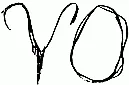
'I'll show,' said her Daddy.「見せてあげよう」とお父さんは言いました。 'What's water in the Tegumai language?'「テグマイのことばで、水は何と言う?」

'Ya, of course, and it means river too—like Wagai-ya—the Wagai river.'「ヤーよ、もちろん。それに川という意味もあるわ――ワガイヤ、つまりワガイ川みたいに」

How the Alphabet Was Made の挿絵(Rudyard Kipling / Joseph M. Gleeson)

88

'What is bad water that gives you fever if you drink it—black water—swamp-water?'「のむとねつが出る悪い水――黒い水、ぬまの水は何と言う?」

'Yo, of course.'「ヨーよ、もちろん」

'Now look,' said her Daddy.「じゃあ、見てごらん」とお父さんは言いました。 'S'pose you saw this scratched by the side of a pool in the beaver-swamp?'「ビーバーのぬまの池のそばに、これがひっかいてあったら、どうする?」 And he drew this.そしてお父さんは、こんなふうにかきました。 (8.)(8)

'Carp-tail and round egg.「コイのしっぽと、まるいたまご。 Two noises mixed!二つの音がまざっているのね! Yo, bad water,' said Taffy. ''Course I wouldn't drink that water because I'd know you said it was bad.'ヨー、悪い水ね」とタフィーは言いました。「もちろん、その水はのまないわ。お父さんが悪い水だと言ったんだってわかるもの」

'But I needn't be near the water at all.「でも、父さんは水のそばにいなくてもいいんだよ。 I might be miles away, hunting, and still——'何キロもはなれたところで、かりをしていても、それでも――」

How the Alphabet Was Made の挿絵(Rudyard Kipling / Joseph M. Gleeson)

99

'And still it would be just the same as if you stood there and said, "G'way, Taffy, or you'll get fever."「それでも、お父さんがそこに立って『あっちへ行きなさい、タフィー、ねつが出るよ』と言ったのと、まったく同じなのね。 All that in a carp-fish-tail and a round egg!それがみんな、コイのしっぽとまるいたまごだけでわかるなんて! O Daddy, we must tell Mummy, quick!' and Taffy danced all round him.ねえ、お父さん、早くお母さんに教えなくちゃ!」そう言って、タフィーはお父さんのまわりをおどりまわりました。

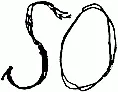
'Not yet,' said Tegumai; 'not till we've gone a little further.「まだだよ」とテグマイは言いました。「もう少し先まで進んでからだ。 Let's see.ええと。 Yo is bad water, but so is food cooked on the fire, isn't it?'ヨーは悪い水だけど、火でにたたべものもヨーだよね?」 And he drew this.そしてお父さんは、こんなふうにかきました。 (9.)(9)

'Yes.「そうよ。 Snake and egg,' said Taffy 'So that means dinner's ready.ヘビとたまご」とタフィーは言いました。「だから、ごはんができたっていう意味ね。 If you saw that scratched on a tree you'd know it was time to come to the Cave.木にこれがひっかいてあったら、ほら穴に帰る時間だってわかるでしょう。 So'd I.'わたしもわかるわ」

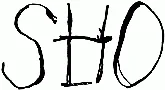
'My Winkie!' said Tegumai.「わたしのかわいい子!」とテグマイは言いました。 'That's true too.「それもそのとおりだ。 But wait a minute.でも、ちょっと待って。 I see a difficulty.こまったことがあるぞ。 So means "come and have dinner," but sho means the drying-poles where we hang our hides.'ソーは『ごはんを食べにおいで』という意味だけど、ショーは毛皮をかけてほす、ほしざおのことだ」

'Horrid old drying-poles!' said Taffy.「いやなほしざお!」とタフィーは言いました。 'I hate helping to hang heavy, hot, hairy hides on them.「重くて、あつくて、毛だらけの毛皮をかけるのを手つだうのは、だいきらい。 If you drew the snake and egg, and I thought it meant dinner, and I came in from the wood and found that it meant I was to help Mummy hang the two hides on the drying-poles, what would I do?'お父さんがヘビとたまごをかいて、わたしがごはんのことだと思って森から帰ってきたら、じつはお母さんが二まいの毛皮をほしざおにかけるのを手つだえっていう意味だった、なんてことになったら、わたしどうしたらいいの?」

'You'd be cross.「おまえはおこるだろうね。 So'd Mummy.お母さんもおこるだろう。 We must make a new picture for sho.ショーには新しい絵を作らなくちゃ。 We must draw a spotty snake that hisses sh-sh, and we'll play that the plain snake only hisses ssss.'シュッシュッと言う、ぶちのヘビをかこう。そして、ぶちのないヘビはスーとだけ言うことにしよう」

How the Alphabet Was Made の挿絵(Rudyard Kipling / Joseph M. Gleeson)

1010

'I couldn't be sure how to put in the spots,' said Taffy.「ぶちをどうかけばいいか、よくわからないわ」とタフィーは言いました。 'And p'raps if you were in a hurry you might leave them out, and I'd think it was so when it was sho, and then Mummy would catch me just the same.「それに、お父さんがいそいでいたら、ぶちをかきわすれるかもしれないでしょう。そうしたら、ほんとうはショーなのに、わたしはソーだと思って、やっぱりお母さんにつかまっちゃうわ。 No!だめ! I think we'd better draw a picture of the horrid high drying-poles their very selves, and make quite sure.あのいやな高いほしざおそのものをかいて、まちがいないようにしたほうがいいと思うの。 I'll put them in just after the hissy-snake.シューシューヘビのすぐあとにかくわね。 Look!'見て!」 And she drew this.そしてタフィーは、こんなふうにかきました。 (10.)(10)

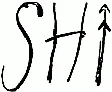
'P'raps that's safest.「それがいちばんあんしんかもしれないね。 It's very like our drying-poles, anyhow,' said her Daddy, laughing.とにかく、うちのほしざおにそっくりだ」とお父さんはわらいながら言いました。 'Now I'll make a new noise with a snake and drying-pole sound in it.「じゃあ、こんどは、ヘビとほしざおの音が入った新しい音を出そう。 I'll say shi.シーと言うよ。 That's Tegumai for spear, Taffy.'それはテグマイのことばで、やりのことだよ、タフィー」 And he laughed.そしてお父さんはわらいました。
'Don't make fun of me,' said Taffy, as she thought of her picture-letter and the mud in the Stranger-man's hair.「からかわないで」とタフィーは言いました。絵の手紙のことと、よその人のかみの毛についたどろのことを思い出したのです。 'You draw it, Daddy.'「お父さんがかいて」

How the Alphabet Was Made の挿絵(Rudyard Kipling / Joseph M. Gleeson)

1111

'We won't have beavers or hills this time, eh?' said her Daddy.「こんどはビーバーもおかもなしだよ、いいね?」とお父さんは言いました。 'I'll just draw a straight line for my spear.' and he drew this, (11.)「やりは、まっすぐな線一本だけにしよう」そしてお父さんは、こんなふうにかきました。(11)

'Even Mummy couldn't mistake that for me being killed.'「これなら、お母さんだって、父さんがころされたなんてかんちがいはしないだろう」

'Please don't, Daddy.「やめて、お父さん。 It makes me uncomfy.そういうの、いやな気もちになるの。 Do some more noises.もっと音をやって。 We're getting on beautifully.'とってもうまくいっているわ」

'Er-hm!' said Tegumai, looking up.「エヘン!」とテグマイは、上を見て言いました。 'We'll say shu.「シューと言おう。 That means sky.'空という意味だ」

Taffy drew the snake and the drying-pole.タフィーはヘビとほしざおをかきました。 Then she stopped.それから、手を止めました。 'We must make a new picture for that end sound, mustn't we?'「おしまいの音には、新しい絵を作らなくちゃいけないわね?」

'Shu-shu-u-u-u!' said her Daddy.「シュー、シュー、ウーウーウー!」とお父さんは言いました。 'Why, it's just like the round-egg-sound made thin.'「なんだ、まるいたまごの音を細くしたのとそっくりだね」

'Then s'pose we draw a thin round egg, and pretend it's a frog that hasn't eaten anything for years.'「じゃあ、細いまるいたまごをかいて、何年も何も食べていないカエルだっていうことにしたら?」

How the Alphabet Was Made の挿絵(Rudyard Kipling / Joseph M. Gleeson)

1212

'N-no,' said her Daddy.「う、ううん」とお父さんは言いました。 'If we drew that in a hurry we might mistake it for the round egg itself.「いそいでかいたら、ふつうのまるいたまごとまちがえるかもしれない。 Shu-shu-shu!シュー、シュー、シュー! I'll tell you what we'll do.こうしよう。 We'll open a little hole at the end of the round egg to show how the O-noise runs out all thin, ooo-oo-oo.まるいたまごのはしに小さなあなをあけて、オーの音が細くなって、ウーウーウーと流れ出るのをあらわすんだ。 Like this.'こんなふうにね」 And he drew this.そしてお父さんは、こんなふうにかきました。 (12.)(12)

'Oh, that's lovely!「まあ、すてき! Much better than a thin frog.やせたカエルより、ずっといいわ。 Go on,' said Taffy, using her shark's tooth.つづけて」とタフィーは、サメの歯を使いながら言いました。

Her Daddy went on drawing, and his hand shook with excitement.お父さんはかきつづけました。わくわくして、手がふるえていました。 He went on till he had drawn this.そして、これをかきおえるまで、かきつづけました。 (13.)(13)

How the Alphabet Was Made の挿絵(Rudyard Kipling / Joseph M. Gleeson)

1313

'Don't look up, Taffy,' he said.「顔を上げちゃだめだよ、タフィー」とお父さんは言いました。 'Try if you can make out what that means in the Tegumai language.「これがテグマイのことばで何という意味か、わかるかどうかやってごらん。 If you can, we've found the Secret.'わかったら、わたしたちはひみつを見つけたことになる」

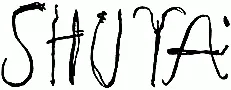
'Snake—pole—broken-egg—carp-tail and carp-mouth,' said Taffy.「ヘビ――さお――われたたまご――コイのしっぽとコイの口」とタフィーは言いました。 'Shu-ya.「シューヤー。 Sky-water (rain).'空の水(雨)ね」 Just then a drop fell on her hand, for the day had clouded over.ちょうどそのとき、タフィーの手に、しずくが一つ落ちてきました。空がくもってきていたのです。 'Why, Daddy, it's raining.「あら、お父さん、雨がふってきたわ。 Was that what you meant to tell me?'お父さんが言いたかったのは、このこと?」

'Of course,' said her Daddy.「もちろんさ」とお父さんは言いました。 'And I told it you without saying a word, didn't I?'「それに、ひとことも話さずに、おまえにつたえただろう?」

'Well, I think I would have known it in a minute, but that raindrop made me quite sure.「うーん、すぐにわかったと思うけど、雨つぶのおかげで、はっきりわかったわ。 I'll always remember now.これからは、ずっとおぼえているわ。 Shu-ya means rain or "it is going to rain."シューヤーは、雨とか『雨がふりそう』っていう意味ね。 Why, Daddy!'まあ、お父さん!」 She got up and danced round him.タフィーは立ち上がって、お父さんのまわりをおどりまわりました。 'S'pose you went out before I was awake, and drawed shu-ya in the smoke on the wall, I'd know it was going to rain and I'd take my beaver-skin hood.「もしわたしが目をさます前にお父さんが出かけて、かべのすすにシューヤーってかいておいたら、雨がふりそうだってわかるから、ビーバーの毛皮のずきんをもっていくわ。 Wouldn't Mummy be surprised!'お母さん、きっとびっくりするわね!」

Tegumai got up and danced.テグマイも立ち上がって、おどりました。 (Daddies didn't mind doing those things in those days.)(そのころのお父さんたちは、そういうことをするのをいやがらなかったのです。) 'More than that!「それだけじゃないぞ! More than that!' he said.それだけじゃないぞ!」とお父さんは言いました。 'S'pose I wanted to tell you it wasn't going to rain much and you must come down to the river, what would we draw?「もし父さんが、雨はあまりふらないから川へおりておいで、とつたえたかったら、何とかけばいいかな? Say the words in Tegumai-talk first.'まず、テグマイのことばで言ってごらん」

'Shu-ya-las, ya maru.「シューヤーラス、ヤー・マル。 (Sky-water ending.(空の水、おしまい。 River come to.)川へ、おいで。) What a lot of new sounds!新しい音がいっぱい! I don't see how we can draw them.'どうかけばいいのか、わからないわ」

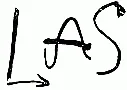
'But I do—but I do!' said Tegumai.「でも父さんにはわかる――わかるんだ!」とテグマイは言いました。 'Just attend a minute, Taffy, and we won't do any more to-day.「ちょっとだけよく聞いておくれ、タフィー。そうしたら、きょうはもうおしまいにしよう。 We've got shu-ya all right, haven't we? but this las is a teaser.シューヤーはもうできたよね。でも、このラスがやっかいだ。 La-la-la!' and he waved his shark-tooth.ラ、ラ、ラ!」そう言って、お父さんはサメの歯をふりました。

'There's the hissy-snake at the end and the carp-mouth before the snake—as-as-as.「おしまいにシューシューヘビがいて、そのヘビの前にコイの口がある――アス、アス、アス。 We only want la-la,' said Taffy.いるのはラ、ラだけね」とタフィーは言いました。

'I know it, but we have to make la-la.「わかっているよ。でも、ラ、ラを作らなくちゃならないんだ。 And we're the first people in all the world who've ever tried to do it, Taffimai!'そして、それをやってみるのは、世界じゅうでわたしたちがはじめてなんだよ、タフィマイ!」

'Well,' said Taffy, yawning, for she was rather tired.「そうね」とタフィーは、あくびをしながら言いました。少しつかれていたのです。 'Las means breaking or finishing as well as ending, doesn't it?'「ラスは、おしまいっていう意味のほかに、こわれるとか、なくなるっていう意味もあるでしょう?」

'So it does,' said Tegumai.「そのとおりだ」とテグマイは言いました。 'Yo-las means that there's no water in the tank for Mummy to cook with—just when I'm going hunting, too.'「ヨーラスは、お母さんがりょうりに使う水が、水がめにもうないという意味ね――お父さんがかりに出かけようとするときにかぎって」

'And shi-las means that your spear is broken.「それに、シーラスは、お父さんのやりがおれたという意味ね。 If I'd only thought of that instead of drawing silly beaver pictures for the Stranger!'よその人にばかなビーバーの絵をかくかわりに、あのときそれを思いついていたらよかったのに!」

'La!「ラ! La!ラ! La!' said Tegumai, waving his stick and frowning.ラ!」とテグマイは、ぼうをふり、まゆをしかめながら言いました。 'Oh bother!'「ああ、もう!」

'I could have drawn shi quite easily,' Taffy went on.「シーなら、かんたんにかけたのに」とタフィーはつづけました。 'Then I'd have drawn your spear all broken—this way!'「そして、お父さんのやりを、ぽっきりおれたふうにかいたのよ――こんなふうに!」 And she drew.そしてタフィーはかきました。 (14.)(14)

How the Alphabet Was Made の挿絵(Rudyard Kipling / Joseph M. Gleeson)

1414

How the Alphabet Was Made の挿絵(Rudyard Kipling / Joseph M. Gleeson)

1515

How the Alphabet Was Made の挿絵(Rudyard Kipling / Joseph M. Gleeson)

1616

'The very thing,' said Tegumai.「それだ、それだ」とテグマイは言いました。 'That's la all over.「まさにラそのものだ。 It isn't like any of the other marks, either.'それに、ほかのしるしのどれともにていない」 And he drew this.そしてお父さんは、こんなふうにかきました。 (15.)(15)

'Now for ya.「つぎはヤー。 Oh, we've done that before.ああ、それはもうやったね。 Now for maru.つぎはマル。 Mum-mum-mum.ム、ム、ム。 Mum shuts one's mouth up, doesn't it?ムと言うと、口がとじるだろう? We'll draw a shut mouth like this.'とじた口を、こんなふうにかこう」 And he drew.そしてお父さんはかきました。 (16.)(16)

'Then the carp-mouth open.「それから、コイのあいた口。 That makes Ma-ma-ma!これでマ、マ、マになる! But what about this rrrrr-thing, Taffy?'でも、このルルルルっていうのはどうしよう、タフィー?」

'It sounds all rough and edgy, like your shark-tooth saw when you're cutting out a plank for the canoe,' said Taffy.「ざらざら、ぎざぎざした音ね。お父さんがカヌーの板を切り出すときの、サメの歯ののこぎりみたい」とタフィーは言いました。

How the Alphabet Was Made の挿絵(Rudyard Kipling / Joseph M. Gleeson)

1717

'You mean all sharp at the edges, like this?' said Tegumai.「ふちがみんなとがっているということかい?こんなふうに?」とテグマイは言いました。 And he drew.そしてお父さんはかきました。 (17.)(17)

''Xactly,' said Taffy.「そのとおり」とタフィーは言いました。 'But we don't want all those teeth: only put two.'「でも、歯はそんなにいらないわ。二つだけにして」

How the Alphabet Was Made の挿絵(Rudyard Kipling / Joseph M. Gleeson)

1818

'I'll only put in one,' said Tegumai.「一つだけにしよう」とテグマイは言いました。 'If this game of ours is going to be what I think it will, the easier we make our sound-pictures the better for everybody.'「この遊びが、父さんが思っているようなものになるなら、音の絵はかんたんにすればするほど、みんなのためになるんだ」 And he drew.そしてお父さんはかきました。 (18.)(18)

'Now we've got it,' said Tegumai, standing on one leg.「さあ、できたぞ」とテグマイは、かた足で立ちながら言いました。 'I'll draw 'em all in a string like fish.'「魚みたいに、ぜんぶ一列にならべてかこう」

'Hadn't we better put a little bit of stick or something between each word, so's they won't rub up against each other and jostle, same as if they were carps?'「ことばとことばのあいだに、小さな木のきれか何かをはさんだほうがよくない?そうすれば、コイみたいにこすれあったり、おしあったりしないでしょう?」

'Oh, I'll leave a space for that,' said her Daddy.「ああ、そのためにすきまをあけておくよ」とお父さんは言いました。 And very incitedly he drew them all without stopping, on a big new bit of birch-bark.そしてお父さんは、とてもわくわくしながら、大きな新しいシラカバの皮に、休まずぜんぶかきました。 (19.)(19)

'Shu-ya-las ya-maru,' said Taffy, reading it out sound by sound.「シューヤーラス、ヤー・マル」とタフィーは、一つずつ音を読み上げました。

How the Alphabet Was Made の挿絵(Rudyard Kipling / Joseph M. Gleeson)

1919

'That's enough for to-day,' said Tegumai.「きょうはここまでにしよう」とテグマイは言いました。 'Besides, you're getting tired, Taffy.「それに、おまえもつかれてきたね、タフィー。 Never mind, dear.気にしなくていいよ。 We'll finish it all to-morrow, and then we'll be remembered for years and years after the biggest trees you can see are all chopped up for firewood.'あしたぜんぶしあげよう。そうすれば、いま見えているいちばん大きな木がみんなたきぎにされてしまったあとも、何年も何年も、わたしたちのことはおぼえていてもらえるだろう」

So they went home, and all that evening Tegumai sat on one side of the fire and Taffy on the other, drawing ya's and yo's and shu's and shi's in the smoke on the wall and giggling together till her Mummy said, 'Really, Tegumai, you're worse than my Taffy.'それで二人は家に帰りました。そのばんずっと、テグマイは火のこちらがわに、タフィーはむこうがわにすわって、かべのすすにヤーやヨーやシューやシーをかいては、二人でくすくすわらっていました。とうとうお母さんが「まったく、テグマイ、あなたったらタフィーよりひどいわね」と言いました。

'Please don't mind,' said Taffy.「気にしないで」とタフィーは言いました。 'It's only our secret-s'prise, Mummy dear, and we'll tell you all about it the very minute it's done; but please don't ask me what it is now, or else I'll have to tell.'「これはわたしたちのひみつのびっくりなの、お母さん。できあがったら、すぐにぜんぶ話すわ。でも、いまは何なのか聞かないでね。聞かれたら言っちゃうから」

So her Mummy most carefully didn't; and bright and early next morning Tegumai went down to the river to think about new sound-pictures, and when Taffy got up she saw Ya-las (water is ending or running out) chalked on the side of the big stone water-tank, outside the Cave.それでお母さんは、とても気をつけて聞かないでいました。つぎの朝早く、テグマイは新しい音の絵のことを考えに川へおりていきました。タフィーがおきると、ほら穴の外の大きな石の水がめのよこに、ヤーラス(水がおしまい、なくなりそう)とチョークでかいてありました。

'Um,' said Taffy.「うーん」とタフィーは言いました。 'These picture-sounds are rather a bother!「この絵の音って、ちょっとめんどうね! Daddy's just as good as come here himself and told me to get more water for Mummy to cook with.'お父さんが自分でここに来て、お母さんのりょうりのためにもっと水をくんでおいで、と言ったのと同じだわ」 She went to the spring at the back of the house and filled the tank from a bark bucket, and then she ran down to the river and pulled her Daddy's left ear—the one that belonged to her to pull when she was good.タフィーは家のうらのいずみへ行って、木の皮のバケツで水がめをいっぱいにしました。それから川へ走っていって、お父さんの左の耳をひっぱりました――いい子にしていたときに、タフィーがひっぱってもいいことになっている耳です。

How the Alphabet Was Made の挿絵(Rudyard Kipling / Joseph M. Gleeson)

2020

How the Alphabet Was Made の挿絵(Rudyard Kipling / Joseph M. Gleeson)

2121

How the Alphabet Was Made の挿絵(Rudyard Kipling / Joseph M. Gleeson)

2222

How the Alphabet Was Made の挿絵(Rudyard Kipling / Joseph M. Gleeson)

2323

'Now come along and we'll draw all the left-over sound-pictures,' said her Daddy, and they had a most inciting day of it, and a beautiful lunch in the middle, and two games of romps.「さあ、おいで。のこりの音の絵をぜんぶかこう」とお父さんは言いました。二人はとてもわくわくする一日をすごしました。とちゅうでおいしいお昼ごはんを食べ、二回もはしゃいで遊びました。 When they came to T, Taffy said that as her name, and her Daddy's, and her Mummy's all began with that sound, they should draw a sort of family group of themselves holding hands.Tのところに来ると、タフィーは、自分の名前もお父さんの名前もお母さんの名前もみんなその音ではじまるのだから、三人が手をつないだ家族の絵をかこう、と言いました。 That was all very well to draw once or twice; but when it came to drawing it six or seven times, Taffy and Tegumai drew it scratchier and scratchier, till at last the T-sound was only a thin long Tegumai with his arms out to hold Taffy and Teshumai.一回か二回かくなら、それでよかったのです。でも、六回も七回もかくことになると、タフィーとテグマイはだんだんざっとかくようになり、とうとうTの音は、タフィーとテシュマイをだこうとうでを広げた、細長いテグマイだけになってしまいました。 You can see from these three pictures partly how it happened.この三つの絵を見ると、どうしてそうなったのか、少しわかるでしょう。 (20, 21, 22.)(20、21、22)

How the Alphabet Was Made の挿絵(Rudyard Kipling / Joseph M. Gleeson)

2424

How the Alphabet Was Made の挿絵(Rudyard Kipling / Joseph M. Gleeson)

2525

How the Alphabet Was Made の挿絵(Rudyard Kipling / Joseph M. Gleeson)

2626

How the Alphabet Was Made の挿絵(Rudyard Kipling / Joseph M. Gleeson)

2727

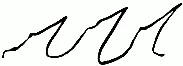
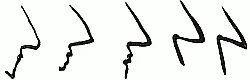
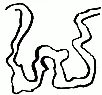
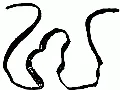
Many of the other pictures were much too beautiful to begin with, especially before lunch, but as they were drawn over and over again on birch-bark, they became plainer and easier, till at last even Tegumai said he could find no fault with them.ほかの絵の多くも、はじめはりっぱすぎました。とくにお昼ごはんの前はそうでした。でも、シラカバの皮に何回も何回もかくうちに、だんだんかんたんでわかりやすくなり、とうとうテグマイでさえ、もうなおすところはないと言うようになりました。 They turned the hissy-snake the other way round for the Z-sound, to show it was hissing backwards in a soft and gentle way (23); and they just made a twiddle for E, because it came into the pictures so often (24); and they drew pictures of the sacred Beaver of the Tegumais for the B-sound (25, 26, 27, 28); and because it was a nasty, nosy noise, they just drew noses for the N-sound, till they were tired (29); and they drew a picture of the big lake-pike's mouth for the greedy Ga-sound (30); and they drew the pike's mouth again with a spear behind it for the scratchy, hurty Ka-sound (31); and they drew pictures of a little bit of the winding Wagai river for the nice windy-windy Wa-sound (32, 33); and so on and so forth and so following till they had done and drawn all the sound-pictures that they wanted, and there was the Alphabet, all complete.Zの音には、シューシューヘビを反対むきにして、うしろむきにやさしくそっとシューと言っているのをあらわしました(23)。Eはしょっちゅう出てくるので、くるっとまいたしるしにしました(24)。Bの音には、テグマイ一族の大切なビーバーの絵をかきました(25、26、27、28)。Nの音は、いやな鼻にかかった音なので、あきるまで鼻をかきました(29)。くいしんぼうのガの音には、湖にすむ大きなカワカマスの口をかきました(30)。ひっかくような、いたそうなカの音には、カワカマスの口のうしろにやりをかきました(31)。くねくねした気もちのいいワの音には、曲がりくねったワガイ川を少しだけかきました(32、33)。そんなふうにして、ほしい音の絵をぜんぶかきおえると、アルファベットがすっかりできあがっていたのです。

How the Alphabet Was Made の挿絵(Rudyard Kipling / Joseph M. Gleeson)

2828

How the Alphabet Was Made の挿絵(Rudyard Kipling / Joseph M. Gleeson)

2929

How the Alphabet Was Made の挿絵(Rudyard Kipling / Joseph M. Gleeson)

3030

And after thousands and thousands and thousands of years, and after Hieroglyphics and Demotics, and Nilotics, and Cryptics, and Cufics, and Runics, and Dorics, and Ionics, and all sorts of other ricks and tricks (because the Woons, and the Neguses, and the Akhoonds, and the Repositories of Tradition would never leave a good thing alone when they saw it), the fine old easy, understandable Alphabet—A, B, C, D, E, and the rest of 'em—got back into its proper shape again for all Best Beloveds to learn when they are old enough.そして、何千年も何千年も何千年もたって、ヒエログリフ、デモティック、ナイロティック、クリプティック、クーフィック、ルーン、ドーリック、アイオニック、そのほか、あれこれのしかけをこらした書き方の時代をへました(というのも、ウーンやネグスやアクーンドや、むかしからのならわしを守る人たちは、よいものを見ると、そのままにしておけなかったからです)。そのあとで、むかしながらのりっぱで、かんたんで、わかりやすいアルファベット――A、B、C、D、E、そのほかぜんぶ――は、また元の正しい形にもどりました。いとしい子たちみんなが、大きくなったら学べるようにね。

How the Alphabet Was Made の挿絵(Rudyard Kipling / Joseph M. Gleeson)

3131

How the Alphabet Was Made の挿絵(Rudyard Kipling / Joseph M. Gleeson)

3232

How the Alphabet Was Made の挿絵(Rudyard Kipling / Joseph M. Gleeson)

3333

But I remember Tegumai Bopsulai, and Taffimai Metallumai and Teshumai Tewindrow, her dear Mummy, and all the days gone by.でもわたしは、テグマイ・ボプスライと、タフィマイ・メタルマイと、その大すきなお母さんのテシュマイ・テウィンドロウと、すぎさった日々のことをおぼえています。 And it was so—just so—a little time ago—on the banks of the big Wagai!そして、それはそんなふうだったのです――まさにそんなふうに――ちょっと前のこと――大きなワガイ川のほとりで!

Oneその一

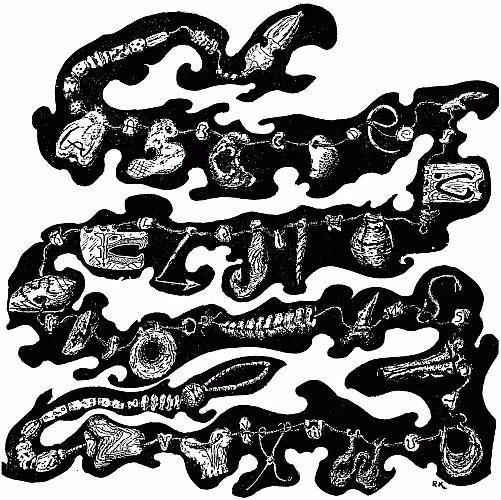
Beginning at the top, the first bead is an old silver one that belonged to the Head Priest of the Tribe of Tegumai; then come three black mussel-pearls; next is a clay bead (blue and gray); next a nubbly gold bead sent as a present by a tribe who got it from Africa (but it must have been Indian really); the next is a long flat-sided glass bead from Africa (the Tribe of Tegumai took it in a fight); then come two clay beads (white and green), with dots on one, and dots and bands on the other; next are three rather chipped amber beads; then three clay beads (red and white), two with dots, and the big one in the middle with a toothed pattern.上から見ていくと、さいしょのビーズはテグマイ一族のいちばんえらいまじないしのものだった、古い銀のビーズです。つぎに黒いカラス貝のしんじゅが三つ。そのつぎは土のビーズ(青とはい色)。つぎは、アフリカから手に入れたという一族からおくりものとしてとどいた、でこぼこした金のビーズ(でもほんとうはインドのものだったにちがいありません)。そのつぎは、アフリカの細長い平たいガラスのビーズ(テグマイ一族がたたかいで手に入れたもの)。つぎに土のビーズが二つ(白と緑)で、一つには点が、もう一つには点としまがついています。つぎに、少しかけたこはくのビーズが三つ。それから土のビーズが三つ(赤と白)で、二つには点が、まん中の大きいのにはぎざぎざのもようがついています。 Then the letters begin, and between each letter is a little whitish clay bead with the letter repeated small.それから文字がはじまります。文字と文字のあいだには、白っぽい小さな土のビーズがあって、その文字が小さくくりかえしてかいてあります。 Here are the letters—文字はこうです――

A is scratched on a tooth—an elk-tusk I think.Aは歯にひっかいてあります――たぶんヘラジカのきばでしょう。

B is the Sacred Beaver of Tegumai on a bit of old glory.Bは、古いグローリーのかけらにほった、テグマイの大切なビーバーです。

C is a pearly oyster-shell—inside front.Cは、しんじゅ色のカキの貝がら――内がわのおもてです。

D must be a sort of mussel-shell—outside front.Dは、カラス貝の一しゅにちがいありません――外がわのおもてです。

E is a twist of silver wire.Eは、銀のはり金をねじったものです。

F is broken, but what remains of it is a bit of stag's horn.Fはこわれていますが、のこっているのはシカの角のかけらです。

G is painted black on a piece of wood.Gは、木のきれに黒くぬってあります。 (The bead after G is a small shell, and not a clay bead.(Gのつぎのビーズは、土のビーズではなく小さな貝がらです。 I don't know why they did that.)どうしてそうしたのかは、わかりません。)

H is a kind of a big brown cowie-shell.Hは、大きな茶色のタカラ貝のようなものです。

I is the inside part of a long shell ground down by hand.Iは、長い貝がらの内がわを、手でけずったものです。 (It took Tegumai three months to grind it down.)(テグマイがけずるのに三か月かかりました。)

J is a fish hook in mother-of-pearl.Jは、しんじゅそうでできたつりばりです。

L is the broken spear in silver.Lは、銀でできたおれたやりです。 (K ought to follow J of course, but the necklace was broken once and they mended it wrong.)(もちろんJのつぎはKのはずですが、首かざりが一ど切れたとき、まちがってつなぎなおしてしまったのです。)

K is a thin slice of bone scratched and rubbed in black.Kは、うすいほねのきれにひっかいて、黒くこすりこんだものです。

M is on a pale gray shell.Mは、うすいはい色の貝がらにかいてあります。

N is a piece of what is called porphyry with a nose scratched on it.Nは、はんがんという石のかけらに、鼻がひっかいてあります。 (Tegumai spent five months polishing this stone.)(テグマイはこの石をみがくのに五か月かけました。)

O is a piece of oyster-shell with a hole in the middle.Oは、まん中にあなのあいたカキの貝がらのかけらです。

P and Q are missing.PとQはありません。 They were lost, a long time ago, in a great war, and the tribe mended the necklace with the dried rattles of a rattlesnake, but no one ever found P and Q. That is how the saying began, 'You must mind your P's. and Q's.'ずっと昔の大きないくさでなくなってしまい、一族はガラガラヘビのほしたしっぽの音のなる部分で首かざりをなおしましたが、PとQはだれにも見つかりませんでした。「PとQに気をつけなさい(ことばづかいやおぎょうぎに気をつけなさい)」ということわざは、こうしてはじまったのです。

R is, of course, just a shark's tooth.Rは、もちろん、ただのサメの歯です。

S is a little silver snake.Sは、小さな銀のヘビです。

T is the end of a small bone, polished brown and shiny.Tは、小さなほねのはしを、茶色にぴかぴかにみがいたものです。

U is another piece of oyster-shell.Uは、もう一つのカキの貝がらのかけらです。

W is a twisty piece of mother-of-pearl that they found inside a big mother-of-pearl shell, and sawed off with a wire dipped in sand and water.Wは、大きなしんじゅ貝の中で見つけた、ねじれたしんじゅそうのかけらで、すなと水にひたしたはり金で切りとったものです。 It took Taffy a month and a half to polish it and drill the holes.タフィーがそれをみがいて、あなをあけるのに一か月半かかりました。

X is silver wire joined in the middle with a raw garnet.Xは、まん中を、みがいていないざくろ石でつないだ銀のはり金です。 (Taffy found the garnet.)(そのざくろ石はタフィーが見つけました。)

Y is the carp's tail in ivory.Yは、ぞうげでできたコイのしっぽです。

Z is a bell-shaped piece of agate marked with Z-shaped stripes.Zは、Zの形のしまがついた、かねの形のめのうのかけらです。 They made the Z-snake out of one of the stripes by picking out the soft stone and rubbing in red sand and bee's-wax.しまの一本から、やわらかい石をほり出して、赤いすなとみつろうをすりこんで、Zのヘビを作りました。 Just in the mouth of the bell you see the clay bead repeating the Z-letter.かねの口のところに、Zの文字をくりかえした土のビーズが見えます。

These are all the letters.文字はこれでぜんぶです。

The next bead is a small round greeny lump of copper ore; the next is a lump of rough turquoise; the next is a rough gold nugget (what they call water-gold); the next is a melon-shaped clay bead (white with green spots).つぎのビーズは、小さなまるい緑っぽいどうの石のかたまり。そのつぎは、みがいていないトルコ石のかたまり。そのつぎは、ごつごつした金のつぶ(水の金とよばれるもの)。そのつぎは、メロンの形の土のビーズ(白に緑の点)です。 Then come four flat ivory pieces, with dots on them rather like dominoes; then come three stone beads, very badly worn; then two soft iron beads with rust-holes at the edges (they must have been magic, because they look very common); and last is a very very old African bead, like glass—blue, red, white, black, and yellow.それから、ドミノのような点のついた、平たいぞうげのかけらが四つ。それから、ひどくすりへった石のビーズが三つ。それから、ふちにさびのあなのあいた、やわらかい鉄のビーズが二つ(とてもありふれて見えるので、まほうのビーズだったにちがいありません)。そして、さいごはとてもとても古いアフリカのビーズで、ガラスのようで、青、赤、白、黒、黄色です。 Then comes the loop to slip over the big silver button at the other end, and that is all.それから、反対のはしにある大きな銀のボタンにかけるわがあって、それでおしまいです。

I have copied the necklace very carefully.わたしはこの首かざりを、とてもていねいにうつしてかきました。 It weighs one pound seven and a half ounces.重さは、一ポンド七オンス半(やく670グラム)です。 The black squiggle behind is only put in to make the beads and things look better.うしろの黒いくねくねは、ビーズなどがきれいに見えるように入れただけです。

How the Alphabet Was Made の挿絵(Rudyard Kipling / Joseph M. Gleeson)
Of all the Tribe of Tegumaiあの絵をほったテグマイの一族はWho cut that figure, none remain,—もうだれものこっていない――On Merrow Down the cuckoos cry—メロウのおかではカッコウが鳴き――The silence and the sun remain.しずけさとお日さまだけがのこっている。But as the faithful years returnけれども、いつものように年がめぐりAnd hearts unwounded sing again,きずのない心がまた歌うとき、Comes Taffy dancing through the fernタフィーがシダの中をおどりながらやってきてTo lead the Surrey spring again.サリーの春を、また先頭に立ってつれてくる。Her brows are bound with bracken-fronds,ひたいにはワラビの葉をまきつけ、And golden elf-locks fly above;金色のまきげが風にまう。Her eyes are bright as diamondsその目はダイヤモンドのようにかがやき、And bluer than the skies above.上の空よりも青い。In mocassins and deer-skin cloak,モカシンのくつに、シカの毛皮のマントで、Unfearing, free and fair she flits,こわがらず、自由に、うつくしく、とびまわり、And lights her little damp-wood smokeしめった木で小さなけむりを上げてはTo show her Daddy where she flits.自分のいる場所をお父さんに知らせる。For far—oh, very far behind,はるか――ああ、はるかうしろから、So far she cannot call to him,よんでもとどかないほど遠くから、Comes Tegumai alone to findテグマイがひとりでさがしにやってくる。The daughter that was all to him.何よりも大切だった、そのむすめを。
How the Alphabet Was Made の挿絵(Rudyard Kipling / Joseph M. Gleeson)

さいごまで よめたね!

「よめた!」をおすと、スタンプがもらえて おはなしの森 に木や動物がふえるよ。

PDFで印刷(A4 31まい)

おうちの方・大人の学習者へ
A・S・Oなど文字の形の由来を親子でそうぞうすると楽しい話。声に出して音をまねてみましょう。

出典台帳 — このページの「本物」の証明

英文
原文そのまま(1語も書きかえていません)。Project Gutenberg 電子書籍 #32488(Rudyard Kipling、1902年の本)
挿絵
Rudyard Kipling / Joseph M. Gleeson(同じ本の初版の挿絵。パブリックドメイン)
朗読
Tim Bulkeley (1948-2019)(LibriVox のボランティア。Just So Stories (version 4)「HOW THE ALPHABET WAS MADE」)。録音はパブリックドメインで、元のファイルをそのまま使っています(音質を落とす加工なし)。
照合
朗読を音声認識(Whisper)で文字起こしし、原文と1語ずつ照らし合わせました。一致率 86.5%
文が光るタイミングはこの照合で決めています。
聞き比べ
LibriVox にある 3 本の録音を自動で聞き比べて選びました(原文との一致・雑音の少なさ・話す速さ)。
朗読者点数一致速さ
Tim Bulkeley (1948-2019) ← 採用88.4790%174語/分
Philippa63.5868%156語/分
Kara Shallenberg (1969-2023)00%-語/分
和訳
和訳はAIと人が作成。AIは3重チェック。人の目でも順次確認しています。英文には一切手を入れていません。