



本文へ
はじめに
← 展示室の一覧
Ancient Japan: Dogū and Haniwa · Jōmon to Kofun period

日本の古代:土偶と埴輪

縄文のスーパーデザイン!ゆかいな土の人形たち。Jōmon super design! Charming figures made of clay.

ホー!1万年前の人も、かわいいデザインが大好きだったんだね。

表示 この展示室のワークシート

この展示室について

About

日本の美術の歴史は、1万年以上前の縄文時代にさかのぼります。縄文の人々は、粘土に縄を転がしてつけた模様のある土器を作りました。「縄文」という名前は、この模様から来ています。燃えあがる炎のような飾りをもつ「火焔型土器」のように、使いやすさをこえた大胆なデザインも生まれました。

The history of Japanese art goes back more than 10,000 years to the Jōmon period. Jōmon people made pottery decorated by rolling cords over wet clay. The name Jōmon, meaning 'cord pattern', comes from these marks. Some pots, like the 'flame-style' pots with decorations like rising fire, have bold designs that go far beyond everyday use.

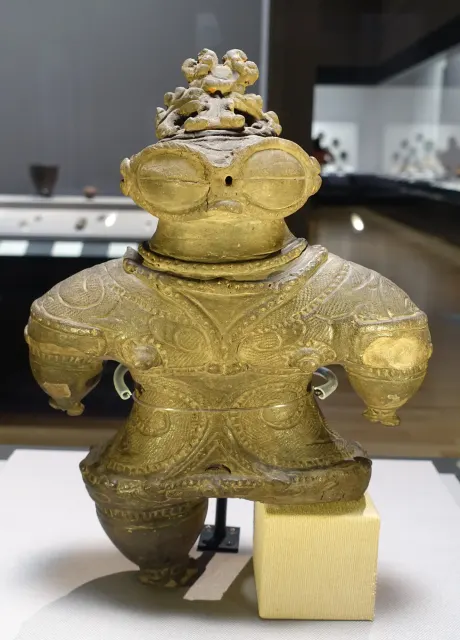
縄文時代には、人の形をした焼き物「土偶」も作られました。大きな目やふくらんだおなかなど、多くは女性をかたどったものと考えられています。子どもが生まれることや、食べ物が豊かにとれることを祈る道具だったという説がありますが、本当の使い道ははっきりわかっていません。こわれた状態で見つかるものが多いのもなぞです。

Jōmon people also made clay figures in human form, called dogū. Many, with large eyes or rounded bellies, are thought to represent women. One theory says they were used to pray for healthy births or plenty of food, but their real purpose is still unknown. Another mystery is that many are found broken.

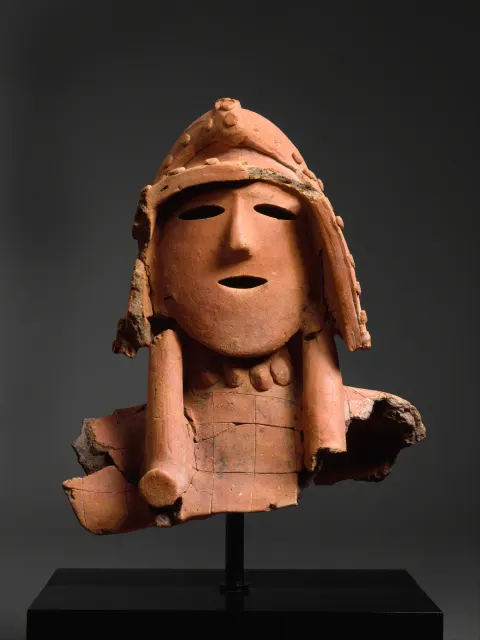
3世紀の終わりごろから、各地に巨大なお墓「古墳」が作られました。その上やまわりに並べられたのが、素焼きの焼き物「埴輪」です。はじめは筒の形でしたが、やがて家、馬、よろいを着た武人など、さまざまな形が作られました。素朴でやさしい表情の埴輪からは、当時の人々の暮らしぶりがうかがえます。

From the late 3rd century, huge burial mounds called kofun were built across Japan. Unglazed clay figures called haniwa were set on and around them. At first they were simple tubes, but later they took many shapes, such as houses, horses and warriors in armor. Their simple, gentle faces give us a glimpse of how people lived back then.

🌙 閉館後の展示室で…

閉館だ!埴輪の馬くん、1500年ぶりにちょっと走ってみない?

We're closed! Haniwa horse, shall we go for a run? It's been 1,500 years!

見分けるポイント

How to Spot It
  1. 縄を転がしたような、細かいすじの模様がある。Fine lines that look like they were made by rolling a cord.
  2. 目が大きく、ゴーグルのような形をした土偶もある。Some dogū have huge eyes shaped like goggles.
  3. 埴輪は中が空洞で、目と口が穴で表されている。Haniwa are hollow, with simple holes for eyes and mouths.
  4. 赤茶色の素焼きで、つやのある上ぐすりがかかっていない。Reddish-brown baked clay with no shiny glaze.
  5. 人や動物が、とても単純でかわいらしい形にまとめられている。People and animals are made in very simple, cute shapes.

英語で語る美術用語

Art Words
clay figurine
土偶

縄文時代に作られた、人の形をした小さな焼き物。使い道はなぞ。A small baked-clay human figure from the Jōmon period. Its purpose is a mystery.

earthenware
土器

低い温度で焼いた、上ぐすりのない焼き物。縄文土器は世界でも古い。Pottery fired at a low heat, without glaze. Jōmon pottery is among the oldest in the world.

burial mound
古墳

土を高く盛り上げて作った古代のお墓。大きなものは長さ400メートルをこえる。An ancient tomb covered by a large mound of earth. The biggest are over 400 meters long.

cord-marked
縄目模様の

縄を押しつけたり転がしたりしてつけた模様のこと。縄文の名前のもと。Decorated by pressing or rolling a cord. The origin of the word Jōmon.

えっ!?な裏ネタ

Secrets

展示室クイズ

Quiz

Q. 「縄文」という名前は、何に由来する?Where does the name Jōmon come from?

Q. 古墳の上やまわりに並べられた、素焼きの焼き物は?What are the clay figures placed on and around burial mounds called?