
英検準1級 二次面接 予想問題カード 23/30 ・ 🌏 国際・観光・多文化
A Guest from Overseas
A Guest from Overseas
カードの最初の文One day, a family was waiting at the airport for an exchange student.
- 1
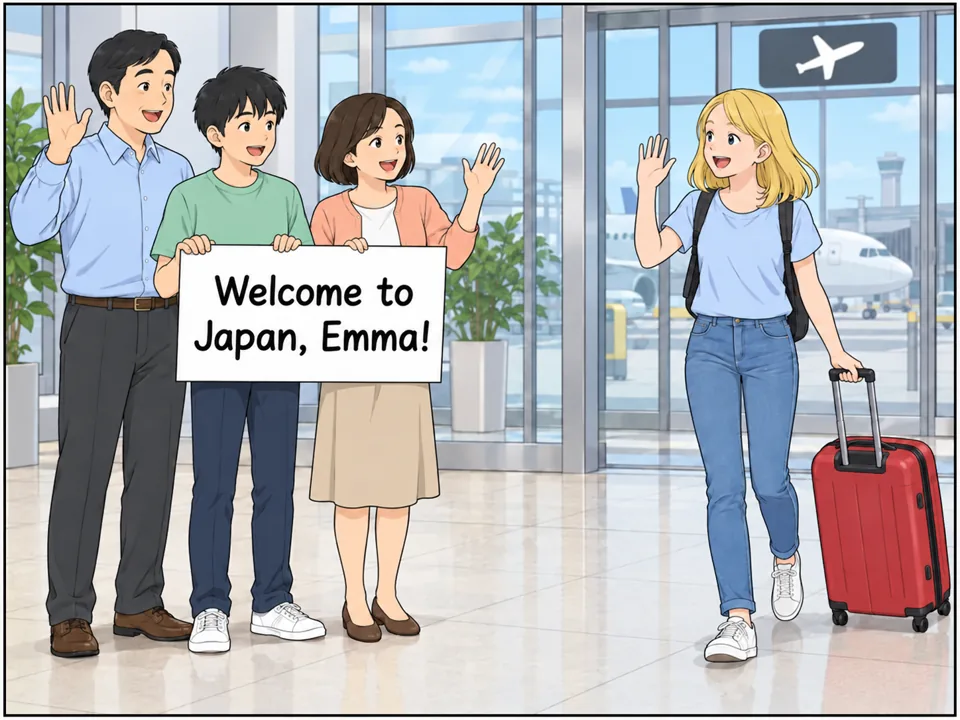
Welcome to Japan, Emma!
- That weekend2
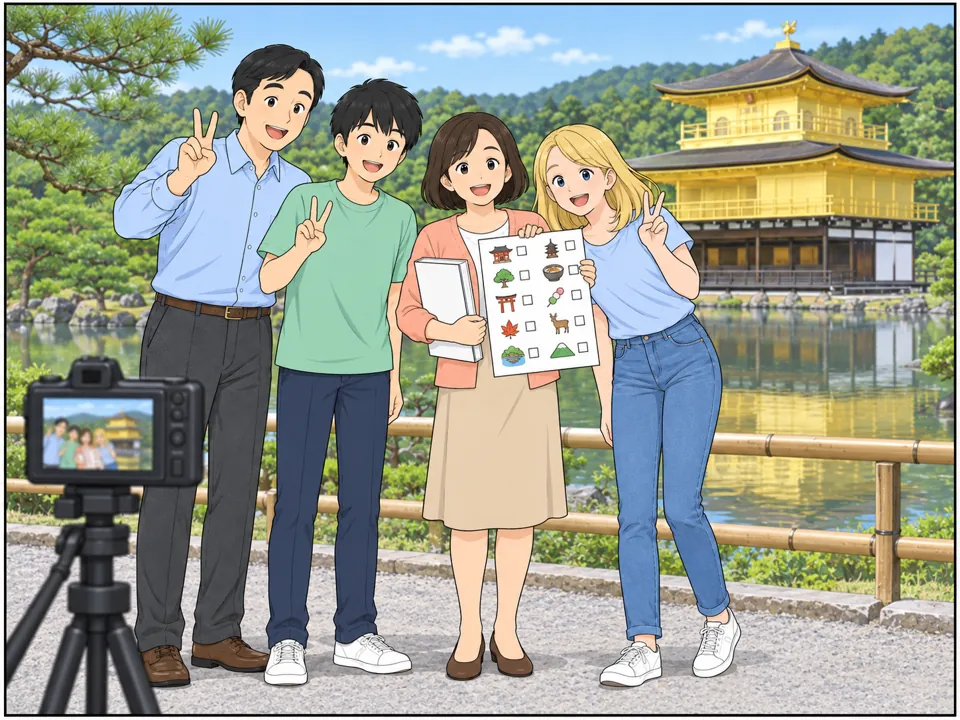
- For the next few weeks3
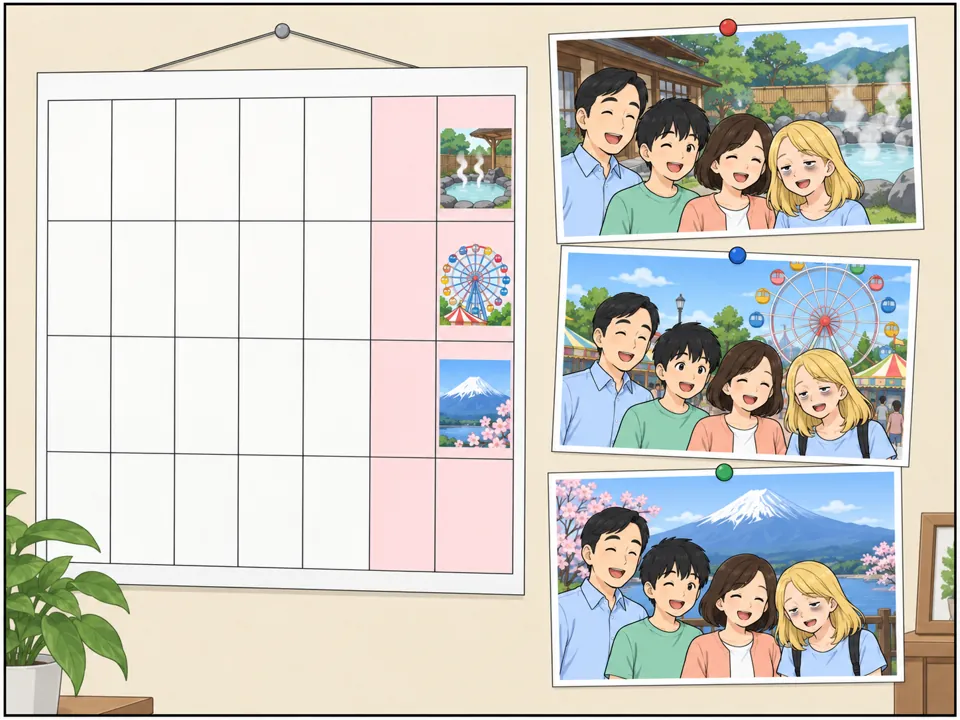
- One Saturday morning4
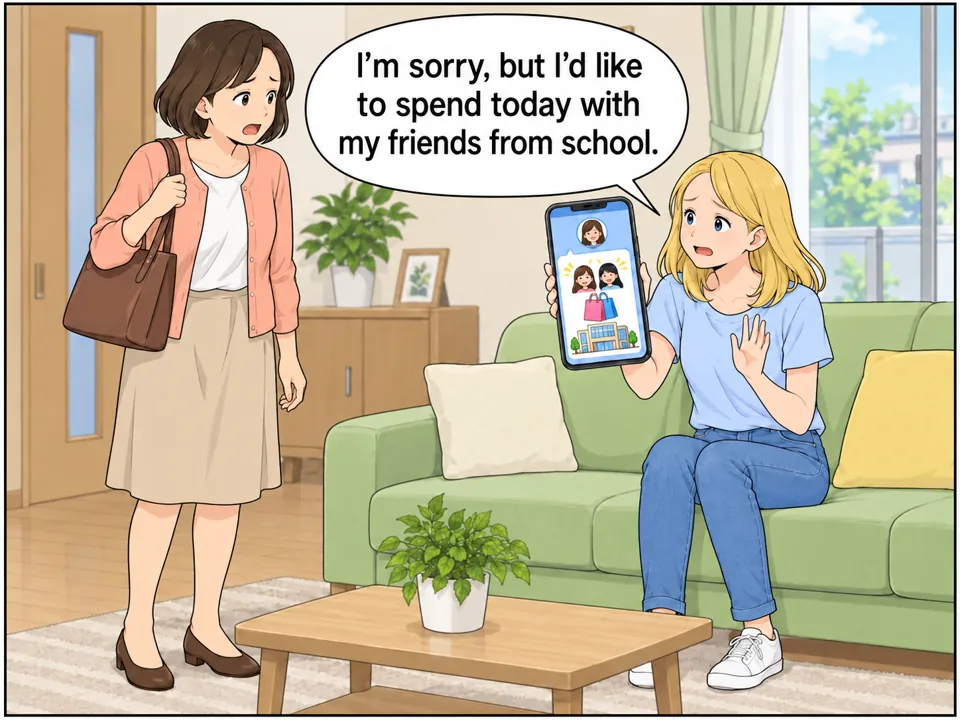
I'm sorry, but I'd like to spend today with my friends from school.
ナレーション(考える1分・話す2分)
1One day, a family was waiting at the airport for an exchange student. When she arrived, they welcomed her with a big sign. They were excited to show her many famous places in Japan during her stay. 2That weekend, the family took the student to a famous temple in Kyoto. The mother had made a detailed plan for the whole day, and everyone took photos together in front of the temple. 3For the next few weeks, the family took the student somewhere every weekend. They visited a hot spring, a theme park and Mt. Fuji. The student was smiling in the photos, but she looked a little tired. 4One Saturday morning, the mother was ready to take the student on another trip. However, the student apologized and said that she would rather spend the day with her friends from school. The mother looked surprised and a little disappointed.
ある日、ある家族が空港で留学生を待っていました。彼女が到着すると、家族は大きなボードで出迎えました。家族は滞在中に彼女に日本の有名な場所をたくさん見せるのを楽しみにしていました。 その週末、家族は留学生を京都の有名なお寺に連れて行きました。母は一日分の細かい計画を立てていて、みんなでお寺の前で一緒に写真を撮りました。 その後の数週間、家族は毎週末、留学生をどこかに連れて行きました。温泉、テーマパーク、富士山を訪れました。写真の留学生は笑っていましたが、少し疲れているように見えました。 ある土曜日の朝、母はまた留学生を旅行に連れて行こうと準備をしていました。ところが留学生は謝って、その日は学校の友達と過ごしたいと言いました。母は驚き、少しがっかりした様子でした。
161語No.1 4コマ目の気持ち
No.1Please look at the fourth picture. If you were the mother, what would you be thinking?
I'd be thinking, "I was so busy planning trips that I never asked what she wanted to do. I should have given her more free time."
「旅行の計画に夢中で、彼女が何をしたいのか一度も聞かなかった。もっと自由な時間をあげるべきだった」と考えていると思います。
I'd be thinking, "It's great that she has made friends at school. Maybe next time we can invite her friends to our home for dinner."
「学校で友達ができたのはすばらしいことだ。今度は彼女の友達を夕食に家へ招待するのもいいかもしれない」と考えていると思います。
No.2〜No.4(カードを裏返して)
No.2Do you think homestays are the best way to learn about another culture?
Yes, I think so. Living with a local family allows people to experience everyday life, which they cannot see as tourists. For example, a student staying with a Japanese family can learn about table manners, seasonal events and the way family members communicate. These experiences give people a much deeper understanding of a culture than books or short trips.
はい、そう思います。現地の家族と暮らすと、観光客としては見られない日常生活を体験できます。例えば、日本の家庭に滞在する学生は、食事のマナーや季節の行事、家族の会話の仕方について学べます。こうした経験は、本や短い旅行よりもずっと深く文化を理解させてくれます。
No.3Do you think it is better to plan every detail of a trip in advance?
No, I don't think so. A rough plan is useful, but if every hour is fixed, people cannot relax or enjoy unexpected discoveries. For example, travelers sometimes find a wonderful local restaurant or festival just by walking around. Leaving some free time also allows people to rest when they are tired, so the trip becomes more enjoyable.
いいえ、そうは思いません。大まかな計画は役に立ちますが、1時間ごとに予定が決まっていると、くつろいだり思いがけない発見を楽しんだりできません。例えば、旅行者はただ歩き回るだけで、すてきな地元のレストランやお祭りに出会うことがあります。自由な時間を残しておけば疲れたときに休むこともできるので、旅行がもっと楽しくなります。
No.4Today, more and more people from different cultures live and work side by side. Do you think cultural exchange can help improve relationships between countries?
Yes, I think so. When people from different countries meet in person, they often realize that they have more in common than they expected. For example, students who join exchange programs may develop lifelong friendships with people overseas. Over time, these personal connections can reduce prejudice and help countries understand each other better, even when their governments disagree.
はい、そう思います。違う国の人々が直接会うと、思っていたより共通点が多いことに気づくことがよくあります。例えば、交流プログラムに参加した学生は、海外の人と一生の友情を築くかもしれません。時間がたつにつれ、こうした個人のつながりが偏見を減らし、政府どうしの意見が合わないときでも、国どうしがお互いをよりよく理解する助けになります。