
原田英語の多読ベストジュニア このサイトについてはじめて

The Devoted Friend (1)

忠実な友だち(その1)
★★★★★17分2637語朗読 Phil Chenevert原文そのまま一致率 96.2%

池のほとりで、ムネアカヒワがミズネズミに「忠実な友だち」の話をします。働き者のハンスと、友情を語るのがじょうずな粉屋。本当の友だちなのはどっち?

PDFで印刷(A4 16まい)

One morning the old Water-rat put his head out of his hole.ある朝、年とったミズネズミが、巣穴から頭を出しました。 He had bright beady eyes and stiff grey whiskers and his tail was like a long bit of black india-rubber.ミズネズミは、きらきらした小さな丸い目と、かたい灰色のひげをしていて、しっぽは長い黒いゴムひものようでした。 The little ducks were swimming about in the pond, looking just like a lot of yellow canaries, and their mother, who was pure white with real red legs, was trying to teach them how to stand on their heads in the water.池では小さなアヒルの子たちが泳ぎまわっていて、まるで黄色いカナリアの群れのようでした。お母さんアヒルは真っ白で、本物の赤い足をしていて、子どもたちに水の中で逆立ちするやり方を教えようとしていました。

“You will never be in the best society unless you can stand on your heads,” she kept saying to them; and every now and then she showed them how it was done.「逆立ちができなければ、上流の社会には決して入れませんよ。」とお母さんは何度も言い、ときどきやって見せました。 But the little ducks paid no attention to her.けれども、アヒルの子たちはお母さんの言うことをまるで聞いていませんでした。 They were so young that they did not know what an advantage it is to be in society at all.みんなまだ小さすぎて、社交界に入ることがどんなに得なことか、まったくわからなかったのです。

“What disobedient children!” cried the old Water-rat; “they really deserve to be drowned.”「なんて言うことを聞かない子どもたちだ!」と年とったミズネズミはさけびました。「おぼれさせられたってしかたがないくらいだ。」

“Nothing of the kind,” answered the Duck, “every one must make a beginning, and parents cannot be too patient.”「とんでもない。」とアヒルは答えました。「だれにでも始まりというものがあるのです。親はいくらしんぼう強くても強すぎることはありません。」

“Ah!「ああ! I know nothing about the feelings of parents,” said the Water-rat; “I am not a family man.親の気持ちなんて、わたしにはさっぱりわかりませんな。」とミズネズミは言いました。「わたしは家族持ちではないのでね。 In fact, I have never been married, and I never intend to be.じつのところ、けっこんしたこともないし、するつもりもありません。 Love is all very well in its way, but friendship is much higher.愛というのもそれなりにけっこうですが、友情のほうがずっと上等です。 Indeed, I know of nothing in the world that is either nobler or rarer than a devoted friendship.”まったく、忠実な友情ほど気高くて、めずらしいものは、この世に知りませんね。」

“And what, pray, is your idea of the duties of a devoted friend?” asked a green Linnet, who was sitting in a willow-tree hard by, and had overheard the conversation.「では、うかがいますが、忠実な友だちのつとめとは、どんなものだとお考えですか?」と、緑色のムネアカヒワがたずねました。すぐそばのヤナギの木にとまっていて、話を聞いていたのです。

“Yes, that is just what I want to know,” said the Duck; and she swam away to the end of the pond, and stood upon her head, in order to give her children a good example.「そうそう、それこそわたしが知りたいことですわ。」とアヒルは言いました。そして池のはしまで泳いでいき、子どもたちによいお手本を見せようと、逆立ちをしました。

“What a silly question!” cried the Water-rat.「なんてばかな質問だ!」とミズネズミはさけびました。 “I should expect my devoted friend to be devoted to me, of course.”「忠実な友だちには、もちろん、わたしにつくしてもらいたいね。」

“And what would you do in return?” said the little bird, swinging upon a silver spray, and flapping his tiny wings.「それで、あなたのほうはお返しに何をするのですか?」と小鳥は、銀色の小枝にゆられながら、小さなつばさをぱたぱたさせて言いました。

“I don’t understand you,” answered the Water-rat.「何を言っているのか、わかりませんな。」とミズネズミは答えました。

“Let me tell you a story on the subject,” said the Linnet.「では、そのことについてお話をひとつしてあげましょう。」とムネアカヒワは言いました。

“Is the story about me?” asked the Water-rat.「その話はわたしのことですか?」とミズネズミはたずねました。 “If so, I will listen to it, for I am extremely fond of fiction.”「そうなら聞きましょう。わたしは作り話が大好きなのでね。」

“It is applicable to you,” answered the Linnet; and he flew down, and alighting upon the bank, he told the story of The Devoted Friend.「あなたにもあてはまるお話です。」とムネアカヒワは答えました。そして飛びおりて岸にとまると、「忠実な友だち」というお話を語りはじめました。

“Once upon a time,” said the Linnet, “there was an honest little fellow named Hans.”「むかしむかし、」とムネアカヒワは言いました。「ハンスという、正直な小さい男がいました。」

“Was he very distinguished?” asked the Water-rat.「その男は、とても立派な人だったのですか?」とミズネズミがたずねました。

“No,” answered the Linnet, “I don’t think he was distinguished at all, except for his kind heart, and his funny round good-humoured face.「いいえ。」とムネアカヒワは答えました。「立派なところなんて、ちっともなかったと思います。やさしい心と、おかしな丸い、にこにこした顔のほかにはね。 He lived in a tiny cottage all by himself, and every day he worked in his garden.ハンスは小さな家にたったひとりで住んでいて、毎日、庭で働いていました。 In all the country-side there was no garden so lovely as his.このあたりのどこをさがしても、ハンスの庭ほどきれいな庭はありませんでした。 Sweet-william grew there, and Gilly-flowers, and Shepherds’-purses, and Fair-maids of France.そこにはアメリカナデシコや、ニオイアラセイトウや、ナズナや、フランスのおとめという名の花がさいていました。 There were damask Roses, and yellow Roses, lilac Crocuses and gold, purple Violets and white.ダマスクローズに黄色いバラ、うすむらさきと金色のクロッカス、むらさきと白のスミレもありました。 Columbine and Ladysmock, Marjoram and Wild Basil, the Cowslip and the Flower-de-luce, the Daffodil and the Clove-Pink bloomed or blossomed in their proper order as the months went by, one flower taking another flower’s place, so that there were always beautiful things to look at, and pleasant odours to smell.オダマキにタネツケバナ、マヨラナにバジル、キバナノクリンザクラにアイリス、スイセンにカーネーションが、月がめぐるにつれて、順番にさいていきました。ひとつの花が終わると次の花がかわりにさくので、いつでも美しいものが見られ、よいかおりがしていました。
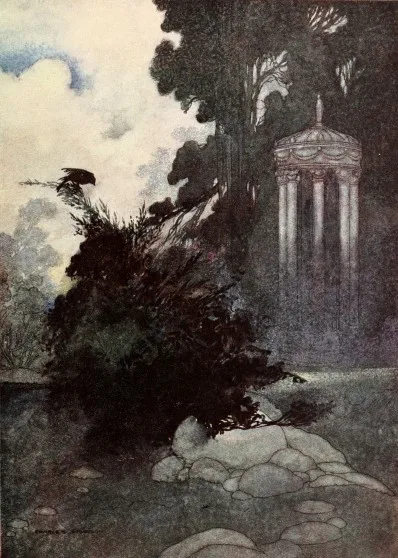
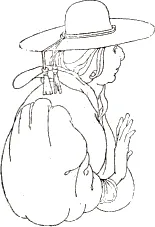
The Devoted Friend (1) の挿絵(Charles Robinson)

“Little Hans had a great many friends, but the most devoted friend of all was big Hugh the Miller.「ハンスにはたくさんの友だちがいましたが、いちばん忠実な友だちは、大男の粉屋のヒューでした。 Indeed, so devoted was the rich Miller to little Hans, that he would never go by his garden without leaning over the wall and plucking a large nosegay, or a handful of sweet herbs, or filling his pockets with plums and cherries if it was the fruit season.お金持ちの粉屋は、ハンスにそれはそれは忠実だったので、ハンスの庭のそばを通るときは、かならずへいから身を乗り出して、大きな花たばや、ひとつかみのいいにおいのハーブをつみとり、くだものの季節ならポケットいっぱいにプラムやサクランボをつめこんでいくのでした。

“‘Real friends should have everything in common,’ the Miller used to say, and little Hans nodded and smiled, and felt very proud of having a friend with such noble ideas.「『本当の友だちは、何でも分け合うべきだ。』と粉屋はいつも言っていました。ハンスはうなずいてにっこりし、こんなに立派な考えを持った友だちがいることを、とてもほこらしく思いました。

“Sometimes, indeed, the neighbours thought it strange that the rich Miller never gave little Hans anything in return, though he had a hundred sacks of flour stored away in his mill, and six milch cows, and a large flock of woolly sheep; but Hans never troubled his head about these things, and nothing gave him greater pleasure than to listen to all the wonderful things the Miller used to say about the unselfishness of true friendship.「ときどき近所の人たちは、お金持ちの粉屋がハンスにお返しを何ひとつあげないのを、ふしぎに思いました。粉屋は粉ひき小屋に小麦粉を百ふくろもたくわえ、乳牛を六頭、ふわふわのヒツジを大勢かっていたのですから。でもハンスはそんなことはちっとも気にしませんでした。本当の友情とは自分のことを考えないものだ、と粉屋が語るすばらしい話を聞くことが、何よりの楽しみだったのです。

“So little Hans worked away in his garden.「そうしてハンスは、せっせと庭で働きました。 During the spring, the summer, and the autumn he was very happy, but when the winter came, and he had no fruit or flowers to bring to the market, he suffered a good deal from cold and hunger, and often had to go to bed without any supper but a few dried pears or some hard nuts.春と夏と秋のあいだは、とても幸せでした。けれども冬が来て、市場に持っていくくだものも花もなくなると、寒さとおなかがすくのにずいぶん苦しみ、ほしたナシを少しか、かたい木の実をいくつか食べただけで、ねむらなければならないこともよくありました。 In the winter, also, he was extremely lonely, as the Miller never came to see him then.冬のあいだはまた、とてもさびしい思いもしました。粉屋がそのころは一度も会いに来なかったからです。

“‘There is no good in my going to see little Hans as long as the snow lasts,’ the Miller used to say to his wife, ‘for when people are in trouble they should be left alone and not be bothered by visitors.「『雪があるうちは、ハンスに会いに行ってもしかたがない。』と粉屋はいつもおかみさんに言っていました。『人がこまっているときは、そっとしておいてやって、お客にじゃまされないようにするべきなのだ。 That at least is my idea about friendship, and I am sure I am right.少なくとも、それがわたしの友情についての考えで、まちがいなく正しいと思っている。 So I shall wait till the spring comes, and then I shall pay him a visit, and he will be able to give me a large basket of primroses, and that will make him so happy.’だから春が来るまで待って、それからたずねていこう。そうすればハンスはわたしに大きなかごいっぱいのサクラソウをくれることができて、それでとても幸せになるだろう。』

“‘You are certainly very thoughtful about others,’ answered the Wife, as she sat in her comfortable armchair by the big pinewood fire; ‘very thoughtful indeed.「『あなたって本当に、人のことをよく考えてあげるのね。』とおかみさんは、大きなマツの木のだんろのそばの、すわり心地のよいひじかけいすにすわって答えました。『本当によく考えているわ。 It is quite a treat to hear you talk about friendship.あなたが友情について話すのを聞くのは、ほんとうにごちそうよ。 I am sure the clergyman himself could not say such beautiful things as you do, though he does live in a three-storied house, and wear a gold ring on his little finger.’牧師さんだって、あなたのような美しいことは言えないと思うわ。牧師さんは三階建ての家に住んで、小指に金の指輪をはめているけれどね。』

“‘But could we not ask little Hans up here?’ said the Miller’s youngest son.「『でも、ハンスさんをここへよんであげたらいけないの?』と粉屋のいちばん下の息子が言いました。 ‘If poor Hans is in trouble I will give him half my porridge, and show him my white rabbits.’『かわいそうなハンスさんがこまっているなら、ぼくのおかゆを半分あげて、ぼくの白いウサギを見せてあげるよ。』

“‘What a silly boy you are!’ cried the Miller; ‘I really don’t know what is the use of sending you to school.「『なんてばかな子だ!』と粉屋はさけびました。『おまえを学校にやって何の役に立つのか、さっぱりわからん。 You seem not to learn anything.何ひとつ学んでいないようだな。 Why, if little Hans came up here, and saw our warm fire, and our good supper, and our great cask of red wine, he might get envious, and envy is a most terrible thing, and would spoil anybody’s nature.いいか、もしハンスがここへ来て、うちのあたたかい火や、うまい夕ごはんや、赤ワインの大だるを見たら、うらやましくなるかもしれない。うらやむ心というのはじつにおそろしいもので、だれの性格でもだめにしてしまうのだ。 I certainly will not allow Hans’ nature to be spoiled.わたしはハンスの性格をだめにさせるわけにはいかない。 I am his best friend, and I will always watch over him, and see that he is not led into any temptations.わたしはハンスのいちばんの友だちだから、いつも見守って、悪いさそいにのらないように気をつけてやるのだ。 Besides, if Hans came here, he might ask me to let him have some flour on credit, and that I could not do.それに、ハンスがここに来たら、小麦粉をつけで分けてくれとたのむかもしれない。そんなことはできないからな。 Flour is one thing and friendship is another, and they should not be confused.小麦粉は小麦粉、友情は友情で、ごちゃまぜにしてはいけない。 Why, the words are spelt differently, and mean quite different things.だいたい、つづりもちがうし、意味もまるでちがうではないか。 Everybody can see that.’だれが見たってわかることだ。』

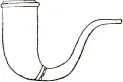
The Devoted Friend (1) の挿絵(Charles Robinson)

“‘How well you talk!’ said the Miller’s Wife, pouring herself out a large glass of warm ale; ‘really I feel quite drowsy.「『なんてお話がじょうずなんでしょう!』と粉屋のおかみさんは、あたたかいビールを大きなコップになみなみとつぎながら言いました。『なんだか、すっかりねむくなってきたわ。 It is just like being in church.’まるで教会にいるみたい。』

“‘Lots of people act well,’ answered the Miller; ‘but very few people talk well, which shows that talking is much the more difficult thing of the two, and much the finer thing also’; and he looked sternly across the table at his little son, who felt so ashamed of himself that he hung his head down, and grew quite scarlet, and began to cry into his tea.「『りっぱに行う人はたくさんいるが、』と粉屋は答えました。『りっぱに話せる人はとても少ない。つまり、話すことのほうがずっとむずかしく、ずっと立派なことなのだ。』そう言って、テーブルのむこうの小さな息子をきびしい目でにらみました。息子はすっかりはずかしくなって、うなだれ、真っ赤になって、紅茶の中にぽたぽたなみだをこぼしました。 However, he was so young that you must excuse him.”けれども、その子はまだとても小さかったのですから、ゆるしてあげてくださいね。」

“Is that the end of the story?” asked the Water-rat.「それでお話はおしまいですか?」とミズネズミはたずねました。

“Certainly not,” answered the Linnet, “that is the beginning.”「とんでもない。」とムネアカヒワは答えました。「これは始まりです。」

“Then you are quite behind the age,” said the Water-rat.「それなら、あなたはずいぶん時代おくれですな。」とミズネズミは言いました。 “Every good story-teller nowadays starts with the end, and then goes on to the beginning, and concludes with the middle.「近ごろのじょうずな語り手はみんな、終わりから始めて、それから始まりに行き、まん中でしめくくるのですよ。 That is the new method.それが新しいやり方です。 I heard all about it the other day from a critic who was walking round the pond with a young man.このあいだ、若い男といっしょに池のまわりを歩いていた批評家から、すっかり聞いたのです。 He spoke of the matter at great length, and I am sure he must have been right, for he had blue spectacles and a bald head, and whenever the young man made any remark, he always answered ‘Pooh!’その人はこのことを長々と話していましたが、きっと正しいにちがいありません。青いめがねをかけて、頭がはげていて、若い男が何か言うたびに、いつも『ふん!』と答えていましたからね。 But pray go on with your story.でも、どうぞお話を続けてください。 I like the Miller immensely.わたしは粉屋がたいへん気に入りました。 I have all kinds of beautiful sentiments myself, so there is a great sympathy between us.”わたし自身、美しい気持ちをいろいろと持っていますから、粉屋とはとても気が合うのです。」

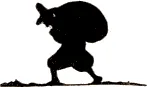
The Devoted Friend (1) の挿絵(Charles Robinson)

“Well,” said the Linnet, hopping now on one leg and now on the other, “as soon as the winter was over, and the primroses began to open their pale yellow stars, the Miller said to his wife that he would go down and see little Hans.「さて、」とムネアカヒワは、片足ずつかわるがわるぴょんぴょんはねながら言いました。「冬が終わって、サクラソウがうす黄色の星のような花を開きはじめると、粉屋はおかみさんに、ハンスに会いに下りていくと言いました。

“‘Why, what a good heart you have!’ cried his Wife; ‘you are always thinking of others.「『まあ、なんてやさしい心の持ち主なんでしょう!』とおかみさんはさけびました。『いつも人のことを考えているのね。 And mind you take the big basket with you for the flowers.’花を入れる大きなかごを、わすれずに持っていってね。』

“So the Miller tied the sails of the windmill together with a strong iron chain, and went down the hill with the basket on his arm.「そこで粉屋は、風車のはねをじょうぶな鉄のくさりでしばり、かごをうでにかけておかを下りていきました。

“‘Good morning, little Hans,’ said the Miller.「『おはよう、ハンス。』と粉屋は言いました。

“‘Good morning,’ said Hans, leaning on his spade, and smiling from ear to ear.「『おはようございます。』とハンスは、すきによりかかって、顔いっぱいににっこり笑って言いました。

“‘And how have you been all the winter?’ said the Miller.「『冬のあいだ、どうしていたかね?』と粉屋は言いました。

“‘Well, really,’ cried Hans, ‘it is very good of you to ask, very good indeed.「『いやあ、本当に、』とハンスはさけびました。『聞いてくださるなんて、本当にありがとうございます。 I am afraid I had rather a hard time of it, but now the spring has come, and I am quite happy, and all my flowers are doing well.’ちょっとつらい冬でしたが、もう春が来たので、とても幸せです。花もみんなよく育っています。』

“‘We often talked of you during the winter, Hans,’ said the Miller, ‘and wondered how you were getting on.’「『冬のあいだ、よくおまえのうわさをしていたんだよ、ハンス。』と粉屋は言いました。『どうしているかなあ、とね。』

“‘That was kind of you,’ said Hans; ‘I was half afraid you had forgotten me.’「『それはご親切に。』とハンスは言いました。『わすれられてしまったのかと、ちょっと心配していました。』

“‘Hans, I am surprised at you,’ said the Miller; ‘friendship never forgets.「『ハンス、それはおどろいたね。』と粉屋は言いました。『友情は決してわすれないものだよ。 That is the wonderful thing about it, but I am afraid you don’t understand the poetry of life.そこが友情のすばらしいところなのだが、どうやらおまえには人生の詩というものがわかっていないようだね。 How lovely your primroses are looking, by-the-bye!’ところで、おまえのサクラソウはなんときれいなんだろう!』

“‘They are certainly very lovely,’ said Hans, ‘and it is a most lucky thing for me that I have so many.「『ええ、本当にきれいです。』とハンスは言いました。『こんなにたくさんあるなんて、ぼくはとても運がいいです。 I am going to bring them into the market and sell them to the Burgomaster’s daughter, and buy back my wheelbarrow with the money.’市場に持っていって町長さんのむすめさんに売って、そのお金で手おし車を買いもどすつもりなんです。』

“‘Buy back your wheelbarrow?「『手おし車を買いもどす? You don’t mean to say you have sold it?まさか、売ってしまったというのかね? What a very stupid thing to do!’なんてばかなことをしたんだ!』

“‘Well, the fact is,’ said Hans, ‘that I was obliged to.「『それが、じつは、』とハンスは言いました。『売るしかなかったんです。 You see the winter was a very bad time for me, and I really had no money at all to buy bread with.冬はぼくにとって本当にひどいときで、パンを買うお金がまるでなかったんです。 So I first sold the silver buttons off my Sunday coat, and then I sold my silver chain, and then I sold my big pipe, and at last I sold my wheelbarrow.それで、まず日曜日の上着の銀のボタンを売って、次に銀のくさりを売って、次に大きなパイプを売って、とうとう手おし車を売ったんです。 But I am going to buy them all back again now.’でも、今からぜんぶ買いもどすつもりです。』

“‘Hans,’ said the Miller, ‘I will give you my wheelbarrow.「『ハンス、』と粉屋は言いました。『わたしの手おし車をおまえにあげよう。 It is not in very good repair; indeed, one side is gone, and there is something wrong with the wheel-spokes; but in spite of that I will give it to you.あまりよい状態ではない。じつは片側がなくなっていて、車輪のスポークもどこかおかしい。でも、それでもおまえにあげよう。 I know it is very generous of me, and a great many people would think me extremely foolish for parting with it, but I am not like the rest of the world.これがとても気前のいいことだというのはわかっているし、手ばなすなんてひどくおろかだと思う人も大勢いるだろう。でもわたしは世間の人とはちがうのだ。 I think that generosity is the essence of friendship, and, besides, I have got a new wheelbarrow for myself.気前のよさこそ友情のいちばん大事なところだと思っている。それに、自分用には新しい手おし車を手に入れたしね。 Yes, you may set your mind at ease, I will give you my wheelbarrow.’そうとも、安心しなさい。手おし車をあげよう。』

The Devoted Friend (1) の挿絵(Charles Robinson)

“‘Well, really, that is generous of you,’ said little Hans, and his funny round face glowed all over with pleasure.「『いやあ、本当に、なんて気前がいいんでしょう。』とハンスは言いました。おかしな丸い顔が、うれしさで顔じゅうかがやきました。 ‘I can easily put it in repair, as I have a plank of wood in the house.’『家に板が一まいあるから、かんたんに直せます。』

“‘A plank of wood!’ said the Miller; ‘why, that is just what I want for the roof of my barn.「『板だって!』と粉屋は言いました。『それこそ、わたしの納屋の屋根に必要なものだ。 There is a very large hole in it, and the corn will all get damp if I don’t stop it up.屋根に大きな穴があいていて、ふさがないと麦がみんなしめってしまうのだよ。 How lucky you mentioned it!言ってくれてよかった! It is quite remarkable how one good action always breeds another.ひとつのよい行いが、いつも次のよい行いを生むというのは、じつにすばらしいことだ。 I have given you my wheelbarrow, and now you are going to give me your plank.わたしはおまえに手おし車をあげた。そして今度はおまえがわたしに板をくれるのだ。 Of course, the wheelbarrow is worth far more than the plank, but true friendship never notices things like that.もちろん、手おし車のほうが板よりずっと値うちがある。でも本当の友情は、そんなことには気づかないものだ。 Pray get it at once, and I will set to work at my barn this very day.’すぐに持ってきておくれ。今日さっそく納屋の仕事にとりかかろう。』

“‘Certainly,’ cried little Hans, and he ran into the shed and dragged the plank out.「『もちろんです。』とハンスはさけび、物置にかけこんで、板を引きずり出してきました。

“‘It is not a very big plank,’ said the Miller, looking at it, ‘and I am afraid that after I have mended my barn-roof there won’t be any left for you to mend the wheelbarrow with; but, of course, that is not my fault.「『あまり大きな板ではないね。』と粉屋はそれを見ながら言いました。『納屋の屋根を直したら、おまえが手おし車を直す分は残らないだろうね。でも、もちろん、それはわたしのせいではないよ。 And now, as I have given you my wheelbarrow, I am sure you would like to give me some flowers in return.さて、わたしは手おし車をあげるのだから、おまえもお返しに花を少しくれたいだろうね。 Here is the basket, and mind you fill it quite full.’ほら、かごだよ。しっかりいっぱいにしておくれ。』

“‘Quite full?’ said little Hans, rather sorrowfully, for it was really a very big basket, and he knew that if he filled it he would have no flowers left for the market, and he was very anxious to get his silver buttons back.「『いっぱいに?』とハンスは少し悲しそうに言いました。本当にとても大きなかごで、それをいっぱいにしたら市場に持っていく花がなくなってしまうとわかっていたのです。ハンスは銀のボタンを、どうしてもとりもどしたかったのでした。

“‘Well, really,’ answered the Miller, ‘as I have given you my wheelbarrow, I don’t think that it is much to ask you for a few flowers.「『いやはや、』と粉屋は答えました。『手おし車をあげるのだから、花を少しくれとたのむくらい、たいしたことではないと思うがね。 I may be wrong, but I should have thought that friendship, true friendship, was quite free from selfishness of any kind.’わたしがまちがっているのかもしれないが、友情というもの、本当の友情というものは、自分のことしか考えない心とはまったくむえんだと思っていたよ。』

“‘My dear friend, my best friend,’ cried little Hans, ‘you are welcome to all the flowers in my garden.「『ぼくの大事な友だち、いちばんの友だち、』とハンスはさけびました。『庭の花はぜんぶ、どうぞ持っていってください。 I would much sooner have your good opinion than my silver buttons, any day;’ and he ran and plucked all his pretty primroses, and filled the Miller’s basket.銀のボタンより、あなたによく思ってもらうほうが、ぼくにはずっとうれしいんです。』そう言って、かけていってかわいいサクラソウをのこらずつみとり、粉屋のかごをいっぱいにしました。

“‘Good-bye, little Hans,’ said the Miller, as he went up the hill with the plank on his shoulder, and the big basket in his hand.「『さようなら、ハンス。』と粉屋は、板をかたにかつぎ、大きなかごを手に持っておかを上りながら言いました。

“‘Good-bye,’ said little Hans, and he began to dig away quite merrily, he was so pleased about the wheelbarrow.「『さようなら。』とハンスは言って、とても楽しそうに土をほりはじめました。手おし車のことが、うれしくてたまらなかったのです。

“The next day he was nailing up some honeysuckle against the porch, when he heard the Miller’s voice calling to him from the road.「次の日、ハンスがげんかんにスイカズラをくぎでとめていると、道から粉屋のよぶ声が聞こえました。 So he jumped off the ladder, and ran down the garden, and looked over the wall.そこでハンスははしごからとびおりて、庭をかけていき、へいの上からのぞきました。

The Devoted Friend (1) の挿絵(Charles Robinson)

“There was the Miller with a large sack of flour on his back.「そこには、小麦粉の大きなふくろをせおった粉屋がいました。

“‘Dear little Hans,’ said the Miller, ‘would you mind carrying this sack of flour for me to market?’「『かわいいハンス、』と粉屋は言いました。『この小麦粉のふくろを、わたしのかわりに市場まで運んでくれないかね?』

“‘Oh, I am so sorry,’ said Hans, ‘but I am really very busy to-day.「『ああ、ごめんなさい。』とハンスは言いました。『今日はとてもいそがしいんです。 I have got all my creepers to nail up, and all my flowers to water, and all my grass to roll.’つる草をぜんぶくぎでとめて、花にぜんぶ水をやって、しばふをぜんぶローラーでならさなくちゃいけないんです。』

“‘Well, really,’ said the Miller, ‘I think that, considering that I am going to give you my wheelbarrow, it is rather unfriendly of you to refuse.’「『いやはや、』と粉屋は言いました。『わたしは手おし車をあげるつもりなのに、そのわたしのたのみをことわるなんて、ずいぶん友だちがいのないことだと思うがね。』

“‘Oh, don’t say that,’ cried little Hans, ‘I wouldn’t be unfriendly for the whole world;’ and he ran in for his cap, and trudged off with the big sack on his shoulders.「『ああ、そんなこと言わないでください。』とハンスはさけびました。『友だちがいのないことなんて、ぜったいにしたくありません。』そしてぼうしをとりにかけこみ、大きなふくろをかたにかついで、とぼとぼと出かけていきました。

“It was a very hot day, and the road was terribly dusty, and before Hans had reached the sixth milestone he was so tired that he had to sit down and rest.「その日はとても暑く、道はひどくほこりっぽかったので、ハンスは六つ目の道しるべに着く前に、すっかりつかれてすわって休まなければなりませんでした。 However, he went on bravely, and at last he reached the market.それでも、がんばって歩き続け、とうとう市場に着きました。 After he had waited there some time, he sold the sack of flour for a very good price, and then he returned home at once, for he was afraid that if he stopped too late he might meet some robbers on the way.しばらく待ったあと、小麦粉のふくろをとてもよい値段で売りました。そしてすぐに家に帰りました。おそくなると、帰り道でどろぼうに会うかもしれないと心配だったのです。

“‘It has certainly been a hard day,’ said little Hans to himself as he was going to bed, ‘but I am glad I did not refuse the Miller, for he is my best friend, and, besides, he is going to give me his wheelbarrow.’「『たしかにつらい一日だったなあ。』とハンスはねる前にひとりごとを言いました。『でも、粉屋さんのたのみをことわらなくてよかった。いちばんの友だちだし、それに手おし車をくれるんだもの。』

“Early the next morning the Miller came down to get the money for his sack of flour, but little Hans was so tired that he was still in bed.「次の朝早く、粉屋が小麦粉のふくろの代金を受けとりに下りてきましたが、ハンスはとてもつかれていたので、まだベッドの中でした。

さいごまで よめたね!

「よめた!」をおすと、スタンプがもらえて おはなしの森 に木や動物がふえるよ。

PDFで印刷(A4 16まい)

おうちの方・大人の学習者へ
粉屋は口では美しい友情を語りながら、ハンスから花も板も労働も取っていきます。言葉と行いのずれを笑う、ワイルドらしい皮肉の物語。“Well, really” など粉屋の口ぐせにも注目です。

出典台帳 — このページの「本物」の証明

英文
原文そのまま(1語も書きかえていません)。Project Gutenberg 電子書籍 #30120(Oscar Wilde、1888年の本)
挿絵
Charles Robinson(同じ本の初版の挿絵。パブリックドメイン)
朗読
Phil Chenevert(LibriVox のボランティア。Happy Prince and Other Tales (version 3)「The Devoted Friend」)。録音はパブリックドメインで、元のファイルをそのまま使っています(音質を落とす加工なし)。
照合
朗読を音声認識(Whisper)で文字起こしし、原文と1語ずつ照らし合わせました。一致率 96.2%
文が光るタイミングはこの照合で決めています。
和訳
和訳はAIと人が作成。AIは3重チェック。人の目でも順次確認しています。英文には一切手を入れていません。