

 PDF をダウンロード
Modern Japanese Art
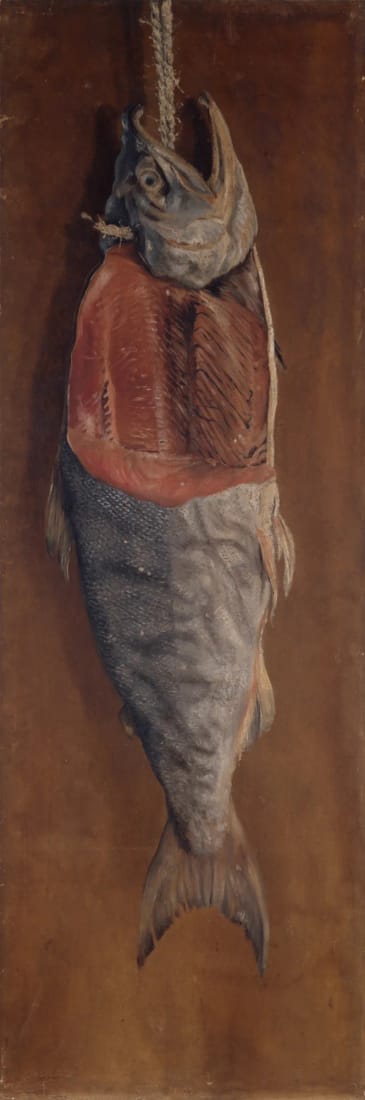
Takahashi Yuichi, c. 1877
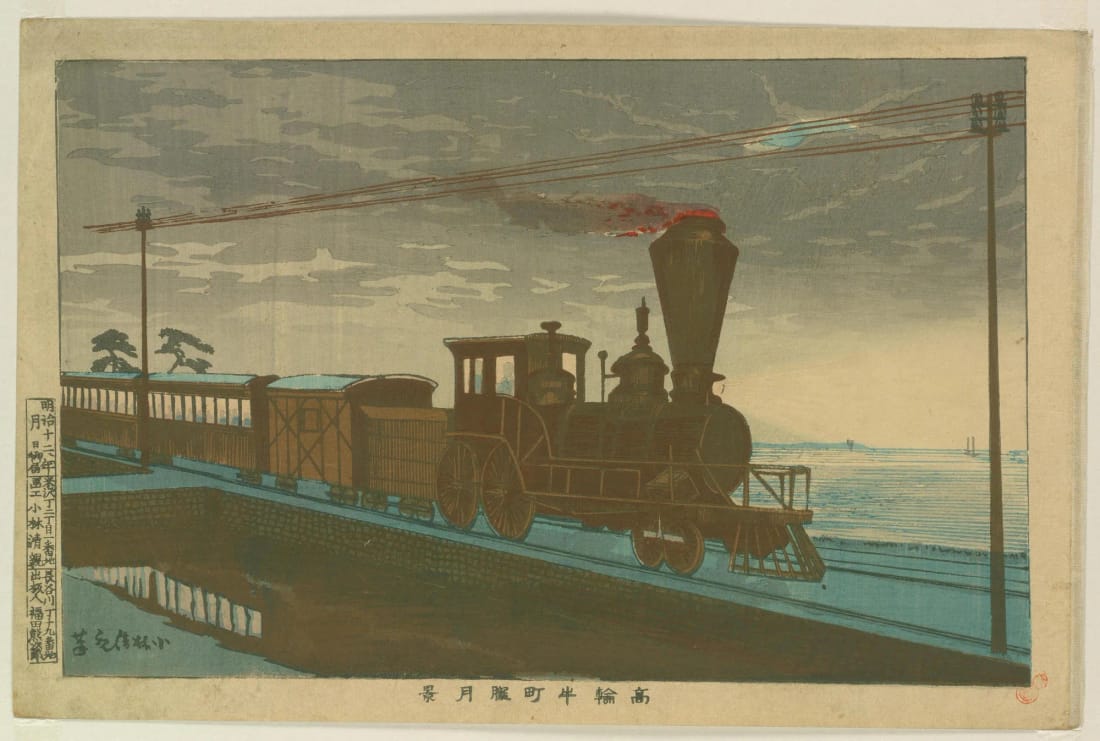
Kobayashi Kiyochika, 1879
1 How to spot it 2つの絵で見つけたら ✓ をつけよう。
| A | B | |
|---|---|---|
| Oil paintings of Japanese people and places. | ☐ | ☐ |
| No outlines, with soft blends of color showing air and light. | ☐ | ☐ |
| Gentle colors in mineral pigments on silk or paper. | ☐ | ☐ |
| Woodblock prints with rain and evening light as delicate as a photograph. | ☐ | ☐ |
| Western techniques mixed with Japanese or Asian subjects in one work. | ☐ | ☐ |
2 Read 英文を読もう。
In the Meiji era, Japan rushed to adopt Western culture. Painters began to study oil painting seriously, and Takahashi Yuichi amazed people with his lifelike Salmon. Later, Kuroda Seiki, who had studied in France, brought back oil painting with bright colors full of outdoor light, and trained many artists at the Tokyo School of Fine Arts, today's Tokyo University of the Arts.
Write one thing you learned:
Modern Japanese Art
3 Art words — Match them. 英語と日本語を線で結ぼう。
- Western-style painting ●
- Nihonga ●
- shin-hanga ●
- mineral pigments ●
- ● 洋画
- ● 新版画
- ● 日本画
- ● 岩絵の具
4 Quiz
Which Meiji painter made the lifelike Salmon?
- Takahashi Yuichi
- Kuroda Seiki
- Yokoyama Taikan
- Takehisa Yumeji
5 Quiz
What were the woodblock prints made with ukiyo-e methods in the Taishō and Shōwa eras called?
- Nishiki-e
- Copperplate prints
- Ink paintings
- Shin-hanga
6 Which do you like better, A or B? Why? AとB、どちらが好き?理由も英語で。
I like ____ better because ________________________________.
Answers & Notes
1 How to spot it(訳)
- Oil paintings of Japanese people and places.
油絵なのに、日本の人物や風景が描かれている。 - No outlines, with soft blends of color showing air and light.
輪郭線がなく、色のぼかしで空気や光が表されている。 - Gentle colors in mineral pigments on silk or paper.
絹や紙に、岩絵の具でやさしい色合いに描かれている。 - Woodblock prints with rain and evening light as delicate as a photograph.
木版画なのに、雨や夕暮れの光が写真のように繊細。 - Western techniques mixed with Japanese or Asian subjects in one work.
西洋の技法と、日本や東洋の題材が一枚の中でまざり合っている。
A:鮭 B:高輪牛町朧月景
2 Read(訳)
明治時代、日本は急いで西洋の文化を取り入れました。絵の世界でも油絵が本格的に学ばれ、高橋由一は本物そっくりの『鮭』を描いて人々をおどろかせました。のちにフランスで学んだ黒田清輝は、外の光を感じさせる明るい色の油絵を日本に伝え、東京美術学校(今の東京藝術大学)で多くの画家を育てました。
3 Art words
1–a(Western-style painting=洋画:油絵など、西洋の材料や技法で描いた絵。明治時代に本格的に広まった。)
2–c(Nihonga=日本画:岩絵の具や墨を使い、日本の伝統を受けついで描く絵。明治にできた言葉。)
3–b(shin-hanga=新版画:大正から昭和に、浮世絵の技術で作られた新しい木版画。海外で人気。)
4–d(mineral pigments=岩絵の具:鉱物をくだいて作る絵の具。にかわでとかして使う。日本画の基本の材料。)
4 Quiz
A 問:本物そっくりの『鮭』を描いた明治の洋画家は?
選択肢:A 高橋由一/B 黒田清輝/C 横山大観/D 竹久夢二
解説:高橋由一は、日本で最初の本格的な洋画家のひとりとされています。
5 Quiz
D 問:浮世絵の技術を生かして大正〜昭和に作られた木版画は?
選択肢:A 錦絵/B 銅版画/C 水墨画/D 新版画
解説:「新しい版画」という意味で、川瀬巴水や吉田博などが活躍しました。
Fun Fact(訳)
「朦朧体」は悪口だった! 大観や春草の、線を使わない新しい描き方は、発表された当時「ぼんやりして、はっきりしない」という意味で「朦朧体」とからかわれました。印象派と同じように、悪口がそのまま様式の名前になったのです。
