

 PDF をダウンロード
Animal Masterpieces: All Creatures, Great and Small!
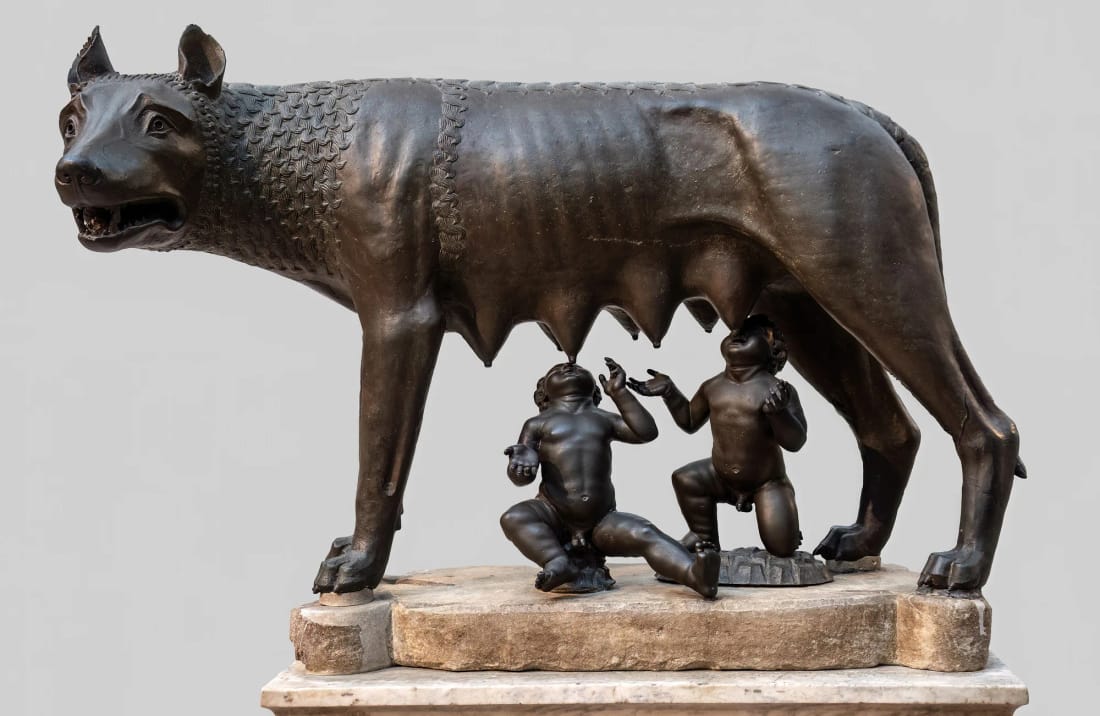
Wolf: traditionally 5th century BC (some say 11th–12th century AD); twins: late 15th century
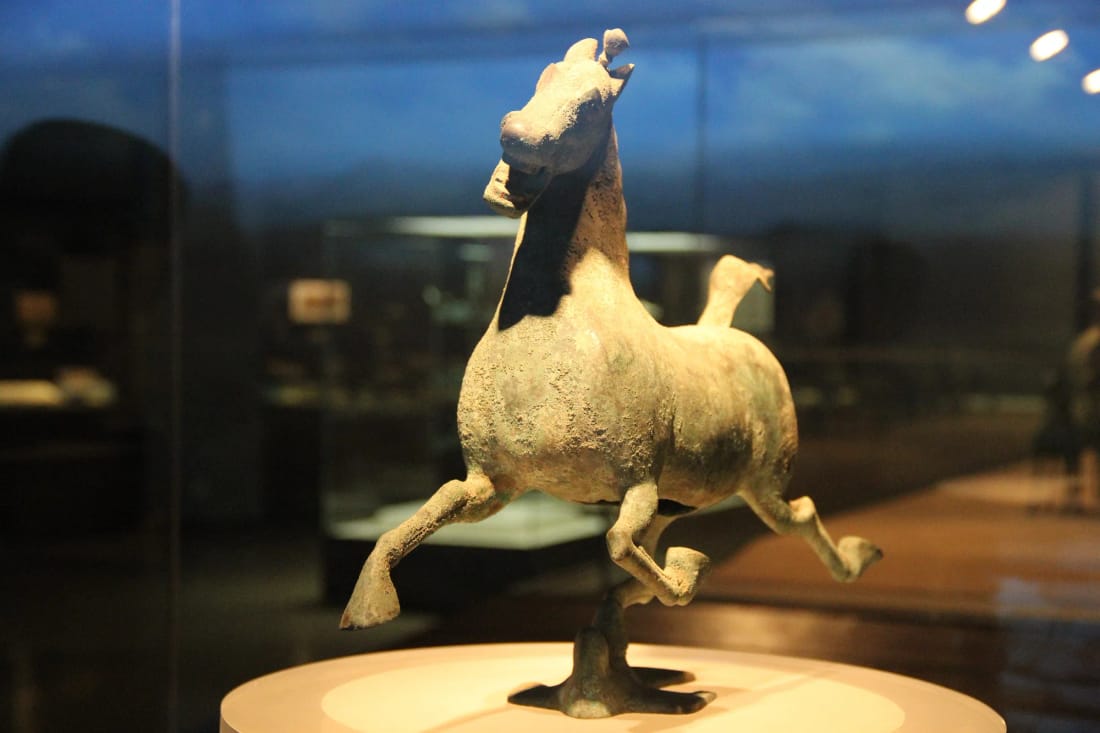
Eastern Han dynasty, 2nd century AD
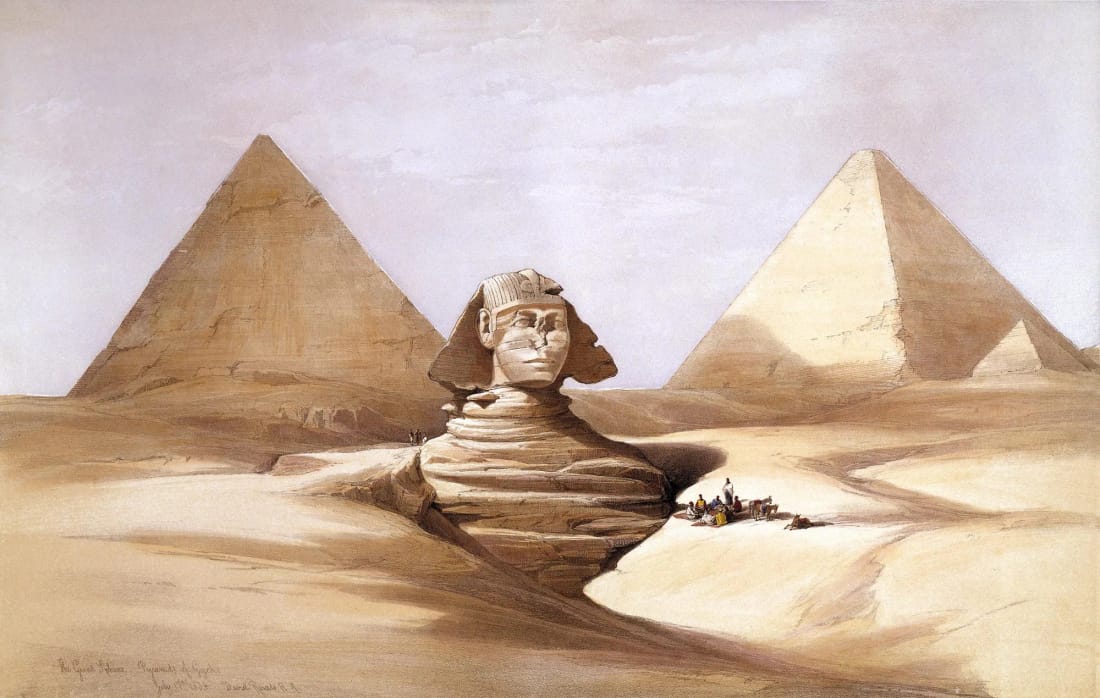
1846 (after a drawing dated 1839)
1 Read 英文を読もう。
A furry hare, a rhinoceros that seems to wear armor, fluffy puppies and a tiger peeking from the jungle. Many animals live in masterpieces. Painters watched animals for hours, and sometimes they even drew animals they had never seen, using only descriptions. Their sharp eyes and imagination are amazing.
2 Words — Match them. 英語と日本語を線で結ぼう。
- rhinoceros ●
- hare ●
- tiger ●
- chain ●
- life-size ●
- ● 野ウサギ
- ● トラ
- ● サイ
- ● 実物大の
- ● くさり
Animal Masterpieces: All Creatures, Great and Small!
3 Quiz
How many times did Dürer see a real rhino before making Rhinoceros?
- 100 times
- 10 times
- Once
- Never
4 Quiz
In the Chōjū-giga, which animals are wrestling?
- A rabbit and a frog
- An elephant and a giraffe
- A cat and a mouse
- A lion and a tiger
5 Quiz
In Fabritius's The Goldfinch, what holds the little bird?
- A ribbon
- A thin chain
- A piece of yarn
- Nothing
★ Choose one painting (A, B or C) and describe it. 1つ選んで英語で説明しよう。
There is … / In the foreground … / I can see … / I like … because …
Answers & Notes
1 Read(訳)
ふさふさの野ウサギ、よろいを着たようなサイ、もふもふの子犬、ジャングルからのぞくトラ。名画の中には、たくさんの動物たちが暮らしています。画家たちは何時間も動物を観察したり、ときには見たこともない動物を、話だけをたよりに描いたりしました。その観察力と想像力におどろかされます。
2 Words
1–c(rhinoceros=サイ) 2–a(hare=野ウサギ) 3–b(tiger=トラ) 4–e(chain=くさり) 5–d(life-size=実物大の)
3 Quiz
D 問:デューラーは《サイ》を描く前に、本物のサイを何回見た?
選択肢:A 100回/B 10回/C 1回/D 1回も見ていない
解説:デューラーは本物を見ず、手紙とスケッチをもとに描きました。
4 Quiz
A 問:《鳥獣戯画》で、すもうをとっているのは?
選択肢:A ウサギとカエル/B ゾウとキリン/C ネコとネズミ/D ライオンとトラ
解説:ウサギとカエルのすもうの場面がとくに有名です。
5 Quiz
B 問:ファブリティウスの《ごしきひわ》の小鳥は、何でつながれている?
選択肢:A リボン/B 細いくさり/C 毛糸/D 何もつながれていない
解説:小鳥は、えさ箱の上で細いくさりにつながれています。
★ 絵の題名
A:カピトリーノの雌オオカミ(作者不明(双子の像は15世紀の追加)) B:馬踏飛燕(銅奔馬)(作者不明(後漢の職人)) C:大スフィンクスとギザのピラミッド(デイヴィッド・ロバーツ(原画)、ルイ・ハーグ(石版))
