International Women's Day · Worksheet 1
Bread, Flowers, and a Big Idea
Read the story. 英文を読もう。
1On March 8, 1917, women in Petrograd, Russia, left their factories and walked into the cold streets. They were tired and hungry. They shouted for "bread and peace." Many more workers joined them. About one week later, the ruler of Russia lost his power. Later that year, Russian women won the right to vote.
2But the idea of a women's day is a little older. In 1909, women in New York held a Woman's Day on February 28. Then in 1910, a German woman named Clara Zetkin had a big idea. At a meeting in Denmark, she said, "Let's have one women's day in every country." More than 100 women from 17 countries said yes.
3The first International Women's Day was on March 19, 1911. More than one million people joined events in four countries in Europe. They asked for the right to vote, to work, and to be treated fairly. Later, people chose March 8 to remember the brave women of Petrograd. In 1975, the United Nations started to celebrate the day, too.
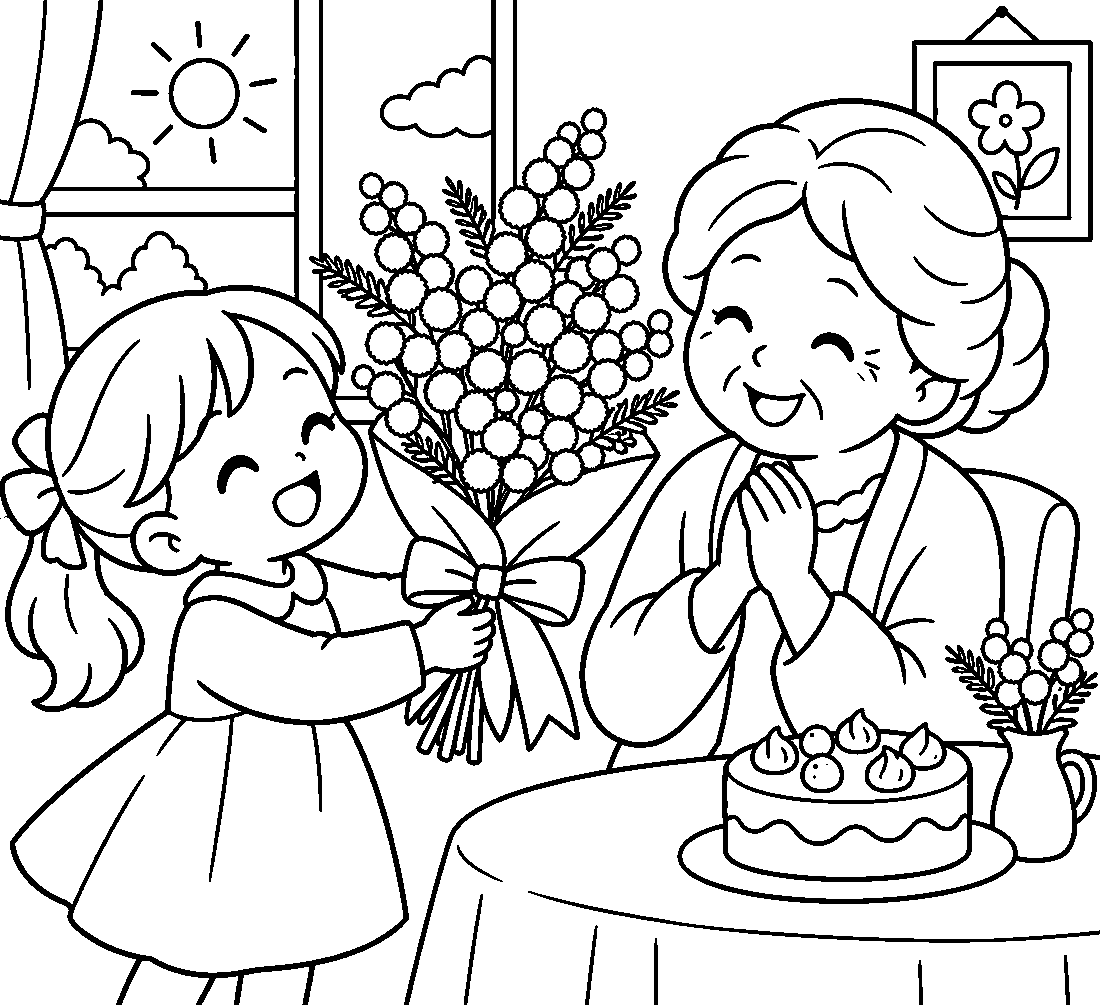
4Today, the day looks different around the world. In Russia, it is a holiday, and men buy flowers for the women in their lives. In Italy, people give small yellow flowers called mimosa. In China, many women get half a day off work. In Spain, millions of people have marched in the streets for equal pay.
5So International Women's Day is two things at once. It is a day to say thank you to women. It is also a day to ask a hard question. Are women and men really equal yet? Many people answer, "Not yet." That is why people still march every March 8.
- factory 工場
- shout 叫ぶ、大声で言う
- ruler 支配者、国を治める人
- power 権力、力
- right 権利
- vote 投票する/投票
- meeting 会議、集まり
- fairly 公平に
- brave 勇気のある
- celebrate 祝う
- equal 平等な、等しい
- march 行進する/デモ行進