文化の日
壱In one line一言で言うと
Bunka no hi, or Culture Day, is a November 3rd holiday for freedom, peace and culture.
弐In 30 seconds30秒で説明する
November 3rd is Culture Day. The law defines it as a day to love freedom and peace and to promote culture. Some museums offer free admission, schools hold cultural festivals around this time, and the Order of Culture is presented. The date is not arbitrary: the postwar constitution was promulgated on November 3rd, 1946, and before the war the same date was the Meiji Emperor's birthday.
参As a short speechスピーチ・英作文
Culture Day falls on November 3rd, and the law describes it as a day to love freedom and peace and to promote culture, which sounds vague until you know where the date comes from. Before the war, November 3rd was a holiday because it was the Meiji Emperor's birthday, called Meiji-setsu. After the war, that framing was dropped.
But the postwar constitution happened to be promulgated on November 3rd, 1946, and when the holiday law was written in 1948 the date was kept with a new meaning attached to it: freedom, peace and culture, taken from the spirit of that constitution. May 3rd, Constitution Memorial Day, marks the day it came into force six months later.
So the pair of dates brackets the constitution. In practice the day looks like this: some museums waive admission, the Order of Culture is conferred, and schools hold cultural festivals around the same season. It is also said to be one of the days most likely to be sunny in Tokyo, which people mention every year.
文化の日ぶんかのひbunka no hiCulture Day, November 3rd
「文化」の日だが、もとは明治天皇の誕生日。そこに憲法公布の日が重なっている。
壱一言で言うとIn one line
文化の日とは、自由と平和を愛し、文化をすすめる11月3日の祝日です。
弐30秒で説明するIn 30 seconds
11月3日は文化の日です。法律では、自由と平和を愛し、文化をすすめる日と定められています。無料になる美術館もあり、この時期には学校の文化祭が開かれ、文化勲章の親授式も行われます。日付には理由があります。1946年11月3日に日本国憲法が公布され、戦前はこの日が明治天皇の誕生日でした。
参スピーチ・英作文As a short speech
文化の日は11月3日です。法律には、自由と平和を愛し、文化をすすめる日と書かれています。漠然として聞こえますが、日付の由来を知ると腑に落ちます。戦前、11月3日は明治天皇の誕生日で、明治節と呼ばれる祝日でした。戦後、その位置づけは外されます。
ところが日本国憲法が公布されたのが、たまたま1946年11月3日でした。1948年に祝日法が作られたとき、日付はそのままに、新しい意味が与えられます。その憲法の精神である自由と平和、そして文化です。5月3日の憲法記念日は、その半年後に憲法が施行された日です。
つまり二つの日付が憲法をはさむ形になっています。実際のこの日はというと、無料になる美術館があり、文化勲章が贈られ、同じころに学校の文化祭が開かれます。東京で晴れやすい日(晴れの特異日)とも言われ、毎年そう話題になります。
こう聞かれたらQuestions people actually ask
QWhat do people actually do on Culture Day?
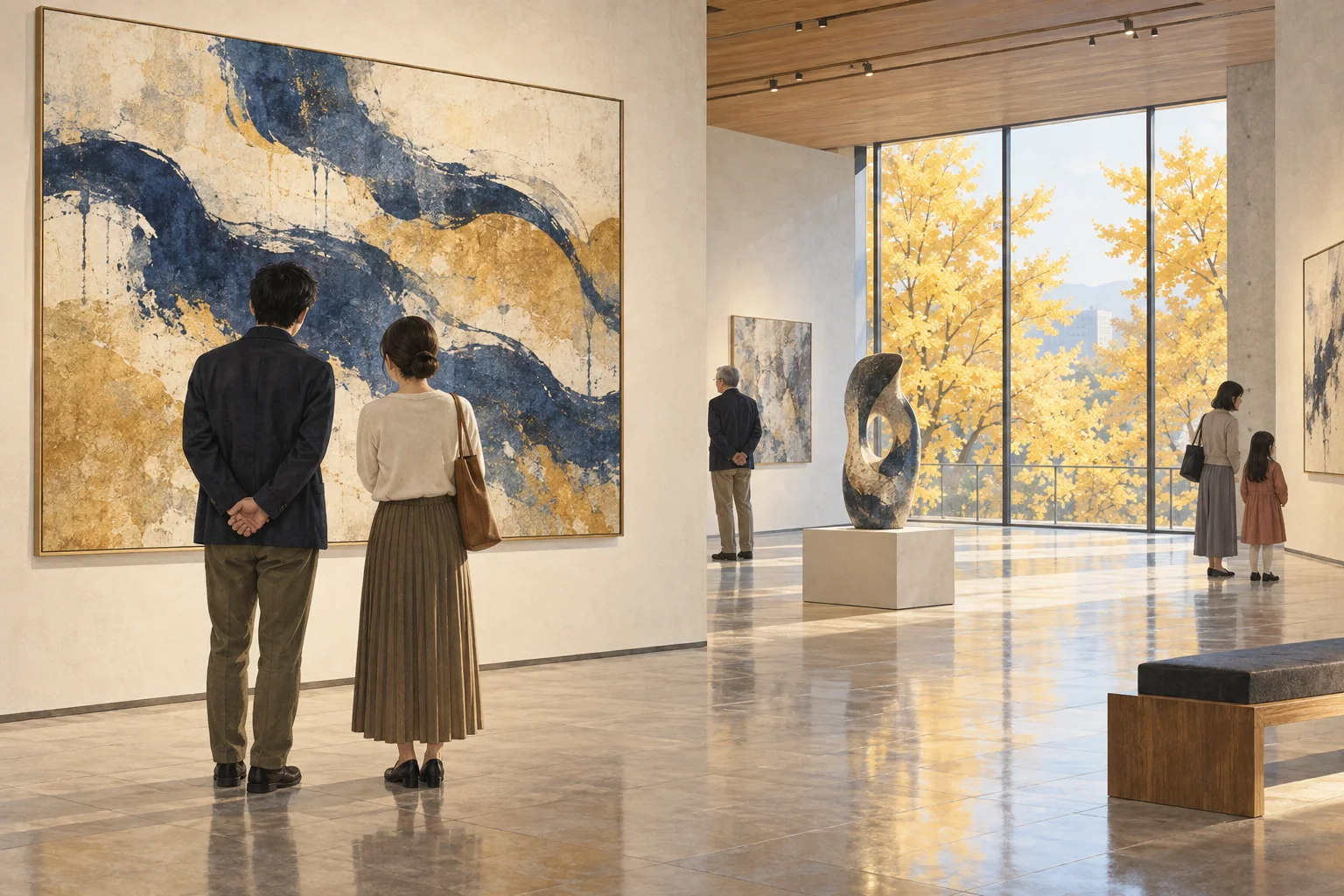
AMost people treat it as a day off. Some museums and galleries open free or reduce admission, so it is a good day for those if you do not mind crowds. There is no food, decoration or ritual attached to it.
文化の日には実際に何が行われるのですか。多くの人にとっては単なる休みです。無料や割引になる美術館・博物館もあるので、混雑を気にしなければ狙い目です。決まった食べ物も飾りも儀式もありません。
QIs it connected to Constitution Memorial Day?
AYes, closely. The constitution was promulgated on November 3rd, 1946 and took effect on May 3rd, 1947. Culture Day marks the first, Constitution Memorial Day the second.
憲法記念日と関係があるのですか。深く関係しています。憲法は1946年11月3日に公布され、1947年5月3日に施行されました。文化の日が前者、憲法記念日が後者にあたります。
QWhy was the old name dropped?
AHolidays tied to the emperor were reworked after the war. The date survived with a different official meaning, and there has since been a campaign by some groups to rename it Meiji Day, which has not happened.
どうして昔の名前をやめたのですか。天皇に結びついた祝日は戦後に組み替えられました。日付は残り、公の意味が変わりました。その後、明治の日に改称しようという動きもありますが、実現していません。
誤解されやすいA common misunderstanding
MYTHCulture Day is an old traditional festival.文化の日は古くからの伝統行事だと思われがちです。
FACTIt dates from the 1948 holiday law. The date itself is older — it was the Meiji Emperor's birthday before the war — but the holiday as Culture Day is postwar.1948年の祝日法によるものです。日付そのものは古く、戦前は明治天皇の誕生日でしたが、文化の日としては戦後の祝日です。
そのまま使えるフレーズPhrases you can use
- November 3rd is Culture Day.11月3日は文化の日です。
- Some museums are free that day.その日は、無料になる美術館もあります。
- The constitution was promulgated on this date in 1946.1946年のこの日に、憲法が公布されました。
- Before the war it was the Meiji Emperor's birthday.戦前は、明治天皇の誕生日でした。
- There's no particular food or ritual for it.決まった食べ物や儀式はありません。
豆知識Background
11月3日は明治期には天長節、1927年から1947年までは明治節と呼ばれる祝日だった。1946年のこの日に日本国憲法が公布され、1948年に公布・施行された祝日法で文化の日と定められた。法の文言は「自由と平和を愛し、文化をすすめる」。憲法が施行された1947年5月3日は憲法記念日となり、公布と施行の二つの日がともに祝日になっている。この日には文化勲章の親授式が行われる。なお11月3日を明治の日に改めようとする運動があるが、実現していない。
出典日本文化ナビ(原田英語.com)「文化の日を英語で説明する(bunka no hi)」https://www.haradaeigo.com/japanese-culture/w/bunka-no-hi
- 文
- 日本文化ナビ編集部(原田英語.com)— 英文・和訳・解説はすべて独自に作成
- イラスト
- 日本文化ナビ オリジナル
- 発行
- 原田英語.com https://www.haradaeigo.com/
- 印刷日
- 2026.10.17
© 2026 Harada Eigo (原田英語.com). Text and illustration: Japan Culture Navi.
ページはこちら