初心者と玄人
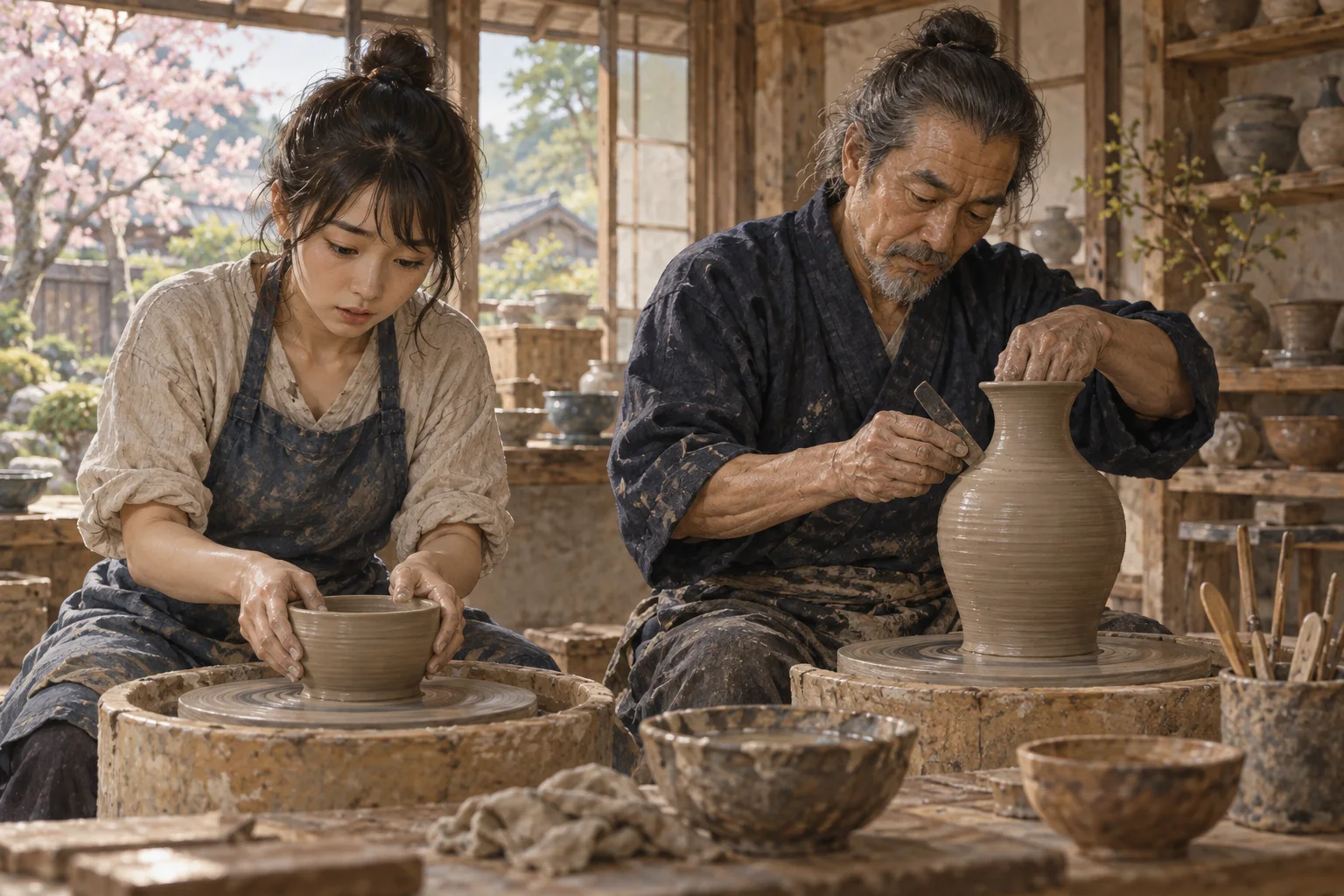
壱In one line一言で言うと
Shoshinsha and kuroto are everyday Japanese words for a beginner and someone who has truly mastered a skill.
弐In 30 seconds30秒で説明する
Shoshinsha is simply a beginner, someone new to something. Shirouto, often translated as amateur, means someone outside the trade: not necessarily new, but not the real thing. Kuroto sits at the top: someone whose skill is professional-grade, whether or not they are paid for it. The words get used constantly outside any formal ranking system, from cooking to sports to office work, to size up how seriously to take someone's opinion.
参As a short speechスピーチ・英作文
Learning shoshinsha, shirouto and kuroto gives you a useful map of how Japanese talks about skill. Shoshinsha just means beginner, and it carries no shame — everyone starts there, and the word is used matter-of-factly on class enrollment forms and driving school paperwork.
Shirouto, usually translated as amateur, is someone outside the trade or without real training; it can be neutral or faintly dismissive depending on tone, as in shirouto no kangae, an amateur's thinking, meaning don't expect too much from this idea.
Kuroto is the word that carries weight: a true expert, whose judgment on the subject is trusted, whether they are a professional chef or simply someone who has spent decades getting very good at their hobby. None of these are official titles like a black belt rank. They are judgments people make about each other constantly, and using the wrong one for yourself, calling your own cooking kuroto-level, for instance, reads as boastful rather than confident.
初心者と玄人しょしんしゃとくろうとshoshinsha and kurotothe words for a beginner and a true expert
初心者、素人、玄人。腕前の違いを、日本語はふだんの言葉で呼び分ける。
壱一言で言うとIn one line
初心者と玄人とは、始めたばかりの人と、技を本当に極めた人を呼び分ける、日本語の日常の言葉です。
弐30秒で説明するIn 30 seconds
初心者とは、何かを始めたばかりの人を指す言葉です。素人はその道の外にいる人で、始めたばかりとは限りませんが、本物ではありません。玄人は最上段で、お金をもらっているかどうかに関わらず、腕前がプロ並みの人を指します。これらの言葉は、段位や資格のような公式な仕組みの外でも、料理やスポーツ、職場の仕事など、あらゆる場面で「この人の言うことをどれだけ真に受けるか」を測る目安として日常的に使われます。
参スピーチ・英作文As a short speech
初心者、素人、玄人という言葉を知ると、日本語が技量をどう語るかがよく見えてきます。初心者は単に始めたばかりの人という意味で、恥ずかしい響きはありません。誰もがそこから始まるので、講座の申込用紙や教習所の書類にも当たり前に使われます。
素人は、その道の外にいる人、きちんとした訓練を受けていない人を指し、口調によって中立にも、少し見下したようにも聞こえます。「素人の考え」と言えば、大した期待はしないでほしい、という意味になります。重みを持つのは玄人という言葉です。
判断を信頼できる本物の専門家を指し、プロの料理人でも、趣味に何十年もかけて腕を磨いた人でも使えます。これらは黒帯のような公式の段位ではありません。人が互いを日常的に評する言葉であり、自分の料理を自分で「玄人並み」と言えば、自信というより自慢に聞こえます。
こう聞かれたらQuestions people actually ask
QIs shirouto an insult?
ANot by itself — it just means someone outside the trade. It can turn dismissive depending on tone, as in shirouto no kuse ni, meaning something close to "you're not even trained, and yet."
素人は失礼な言い方なのですか。それ自体は失礼ではなく、その道の外にいる人という意味です。口調によっては見下した響きになり、「素人のくせに」と言えば、訓練も受けていないのに、というやや棘のある言い方になります。
QCan you call yourself kuroto?
AIt's unusual and can sound arrogant. Kuroto is normally a label others give you after watching your skill, not something you claim for yourself in conversation.
自分で自分を玄人と呼んでもよいのですか。あまり言いません。自慢に聞こえることがあります。玄人は、腕前を見た周りの人が与える評価であって、自分から会話の中で名乗るものではないのが普通です。
QIs there a word between shirouto and kuroto?
APeople often say kuroto-hadashi, meaning good enough to put a professional to shame, or semi-puro, from the English semi-pro, for someone paid a little but not full-time. Neither is a formal category.
素人と玄人のあいだの段階を表す言葉はありますか。玄人はだし(玄人を裸足で逃げさせるほどの腕前)や、いくらか稼ぐが専業ではない人を指す、英語から来たセミプロという言い方がよく使われます。どちらも公式の区分ではありません。
そのまま使えるフレーズPhrases you can use
- I'm still a beginner at this.まだ初心者です。
- That's just an amateur's opinion.それは素人の考えです。
- He's the real thing, a true expert.彼は本物の玄人です。
- Good enough to put a professional to shame.玄人はだしの腕前です。
- Everyone starts as a beginner.誰もが初心者から始まります。
豆知識Background
「玄人」は、もとは芸事や勝負ごとの世界を指す「黒人」の当て字とする説があり、対になる「素人」は「白人」の当て字とされることが多いが、いずれも諸説あるとされる。免許皆伝や段位のような公式な資格制度とは別に、これらの語は日常会話の中で相手の技量への評価を表すために広く使われる。車の運転では、免許を取って間もない運転者を示す若葉マークが、初心者という区分を目に見える形にした数少ない例のひとつである。
出典日本文化ナビ(原田英語.com)「初心者と玄人を英語で説明する(shoshinsha and kuroto)」https://www.haradaeigo.com/japanese-culture/w/shoshinsha-and-kuroto
- 文
- 日本文化ナビ編集部(原田英語.com)— 英文・和訳・解説はすべて独自に作成
- イラスト
- 日本文化ナビ オリジナル
- 発行
- 原田英語.com https://www.haradaeigo.com/
- 印刷日
- 2026.10.17
© 2026 Harada Eigo (原田英語.com). Text and illustration: Japan Culture Navi.
ページはこちら