少子高齢化
壱In one line一言で言うと
Shoshi koreika is Japan's combination of falling births and the world's highest share of people aged sixty-five and over.
弐In 30 seconds30秒で説明する
Two trends are happening at once. People are living longer, so the share of the population aged sixty-five and over reached 29.3 percent in 2024, the highest of any country. At the same time births are falling: in 2024 the number of babies born to Japanese nationals dropped below seven hundred thousand for the first time on record, and the birth rate fell to 1.15.
参As a short speechスピーチ・英作文
Shoshi koreika is the word Japan uses for its central social problem, and it joins two things that are usually discussed separately. Koreika is aging: as of 2024, 29.3 percent of the population was sixty-five or over, which is the highest figure in the world.
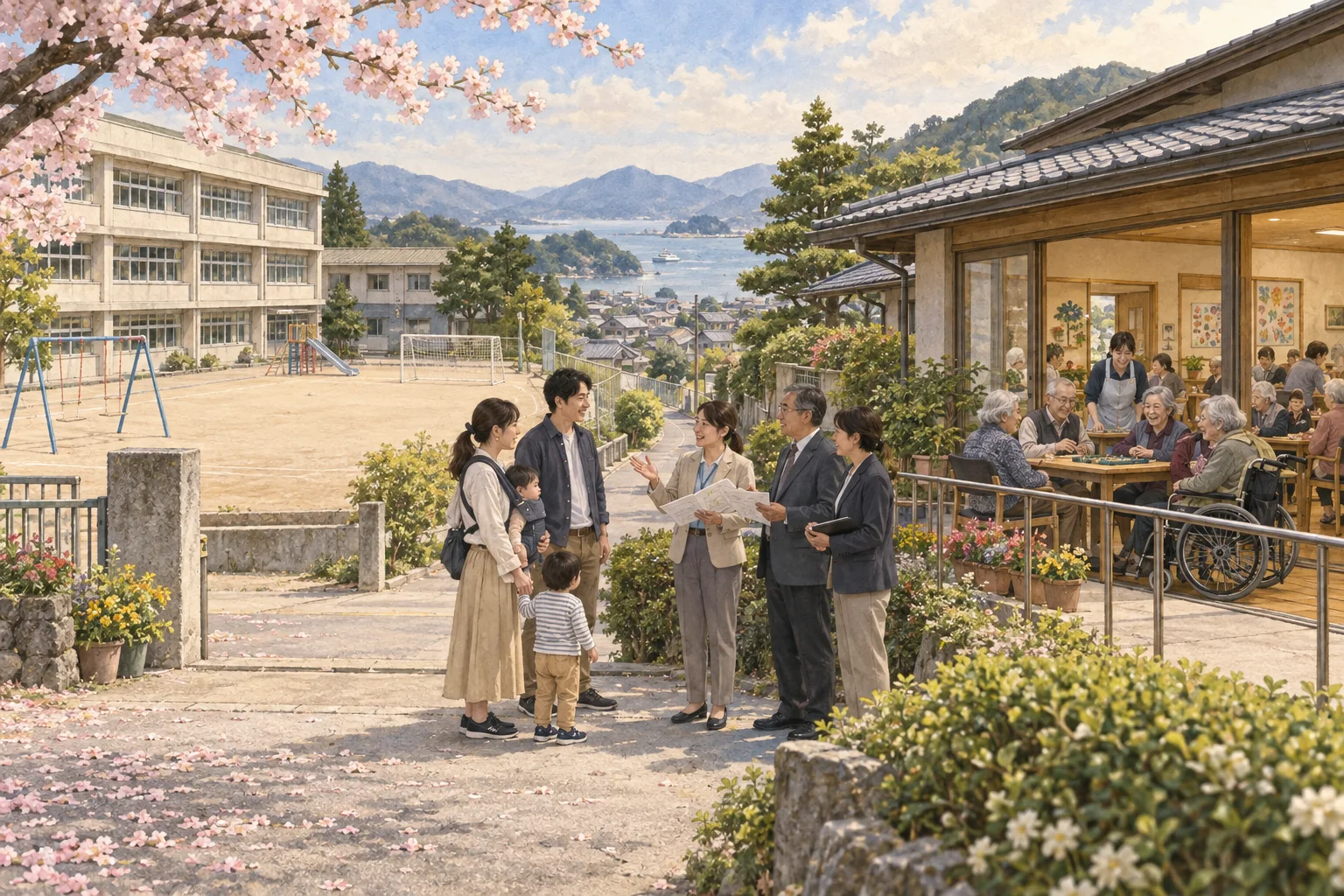
Shoshika is the falling birth rate: in 2024 the number of births to Japanese nationals fell below seven hundred thousand for the first time since records began, and the total fertility rate was 1.15, well under the level needed to keep the population steady. Put together, the working-age population shrinks while the number of people drawing pensions and needing care grows.
You can see the consequences without looking at any statistics: schools closing in rural towns, shops with no successor, construction sites and convenience stores staffed by workers from abroad. The responses under discussion are all difficult, and they include immigration, childcare support, later retirement and automation. I would avoid offering a confident solution, because the country itself has not settled on one.
少子高齢化しょうしこうれいかshoshi koreikaa falling birth rate with an aging population
65歳以上が29.3%で世界一。2024年の出生数は初めて70万人を割った。
壱一言で言うとIn one line
少子高齢化とは、生まれる子どもが減り続けるなか、65歳以上の割合が世界でいちばん高くなっている日本の状態です。
弐30秒で説明するIn 30 seconds
二つのことが同時に起きています。長生きになったので、2024年には65歳以上の割合が29.3%となり、世界のどの国より高くなりました。同時に、生まれる子どもは減っています。2024年の日本人の出生数は、統計の始まって以来初めて70万人を下回り、合計特殊出生率は1.15になりました。
参スピーチ・英作文As a short speech
少子高齢化は、日本が自国の中心的な問題を指すときに使う言葉で、ふつうは別々に語られる二つのことを一つにしています。高齢化は年をとることです。2024年の時点で、人口の29.3%が65歳以上で、これは世界でいちばん高い数字です。少子化は生まれる子どもが減ることです。
2024年の日本人の出生数は、統計の始まって以来初めて70万人を割り、合計特殊出生率は1.15でした。人口を保つのに必要な水準を大きく下回っています。合わせると、働く年代の人口が減る一方で、年金を受け取り、介護を必要とする人が増えていきます。その帰結は、統計を見なくても目に入ります。
地方の町で閉じる学校、跡を継ぐ人のいない店、外国から来た人が働く工事現場やコンビニ。議論されている対応はどれも難しく、移民、子育ての支援、より遅い引退、機械による省力化などが挙がります。自信をもって解決策を示すのは避けます。国そのものが、まだ答えを決めていないからです。
こう聞かれたらQuestions people actually ask
QWhy is the birth rate so low?
AThere is no single cause. The reasons usually given include the cost of housing and education, long working hours, the difficulty of combining a career with children, later marriage, and the fact that births outside marriage remain rare in Japan.
どうして出生率がこれほど低いのですか。原因は一つではありません。よく挙げられるのは、住宅と教育の費用、長い労働時間、仕事と子育てを両立させる難しさ、結婚する年齢が上がったこと、そして日本では結婚によらない出生が今も少ないことです。
QWhy not simply accept more immigrants?
AThe number of foreign workers has risen considerably, and sectors such as care, farming and construction now depend on them. Whether to go further is debated, and opinion in Japan is divided.
もっと移民を受け入れればいいのではありませんか。外国人の働き手はかなり増えており、介護、農業、建設などは既にその力に支えられています。さらに進めるかどうかは議論があり、国内でも意見は分かれています。
QWhat does a visitor actually notice?
APriority seats in constant use, handrails and slopes everywhere, staff in their seventies at parking lots and shops, and closed shutters on shopping streets in smaller towns. In cities it is much less visible than in the countryside.
旅行者にも分かる形で表れていますか。いつも使われている優先席、あちこちの手すりと坂道、駐車場や店で働く七十代の人、小さな町の商店街に下りたままのシャッター。都市では、地方ほどには目につきません。
誤解されやすいA common misunderstanding
MYTHJapan's population is shrinking because young people have simply stopped wanting families.日本の人口が減っているのは、若い人が家庭を望まなくなったからだと思われがちです。
FACTSurveys consistently find that most unmarried young people want to marry and want children, and the gap is between what they want and what they judge affordable and compatible with work.独身の若い人の多くは結婚も子どもも望んでいることが、各種の調査で繰り返し示されています。開いているのは、望むことと、費用や仕事との両立から実際に可能だと判断できることのあいだです。
そのまま使えるフレーズPhrases you can use
- Nearly thirty percent of the population is over sixty-five.人口のおよそ三割が65歳以上です。
- The birth rate has fallen again.出生率がまた下がりました。
- This town has lost its primary school.この町は小学校が無くなりました。
- The working-age population is shrinking.働く年代の人口が減っています。
- Care work is short of staff everywhere.介護は、どこも人手が足りません。
豆知識Background
総務省の統計では、2024年10月1日現在の総人口は1億2,380万人、65歳以上は3,624万人で、割合は29.3%でした。この割合は世界でいちばん高く、次いでマルティニーク、プエルトリコ、イタリアと続きます。厚生労働省の人口動態統計では、2024年の日本人の出生数は約68万6千人で、統計を取り始めてから初めて70万人を下回りました。合計特殊出生率は1.15で、前年の1.20から下がっています。国立社会保障・人口問題研究所の推計では、65歳以上の割合は2040年に34.8%になると見込まれています。
出典日本文化ナビ(原田英語.com)「少子高齢化を英語で説明する(shoshi koreika)」https://www.haradaeigo.com/japanese-culture/w/shoshi-koreika
- 文
- 日本文化ナビ編集部(原田英語.com)— 英文・和訳・解説はすべて独自に作成
- イラスト
- 日本文化ナビ オリジナル
- 発行
- 原田英語.com https://www.haradaeigo.com/
- 印刷日
- 2026.10.17
© 2026 Harada Eigo (原田英語.com). Text and illustration: Japan Culture Navi.
ページはこちら