仕方ない
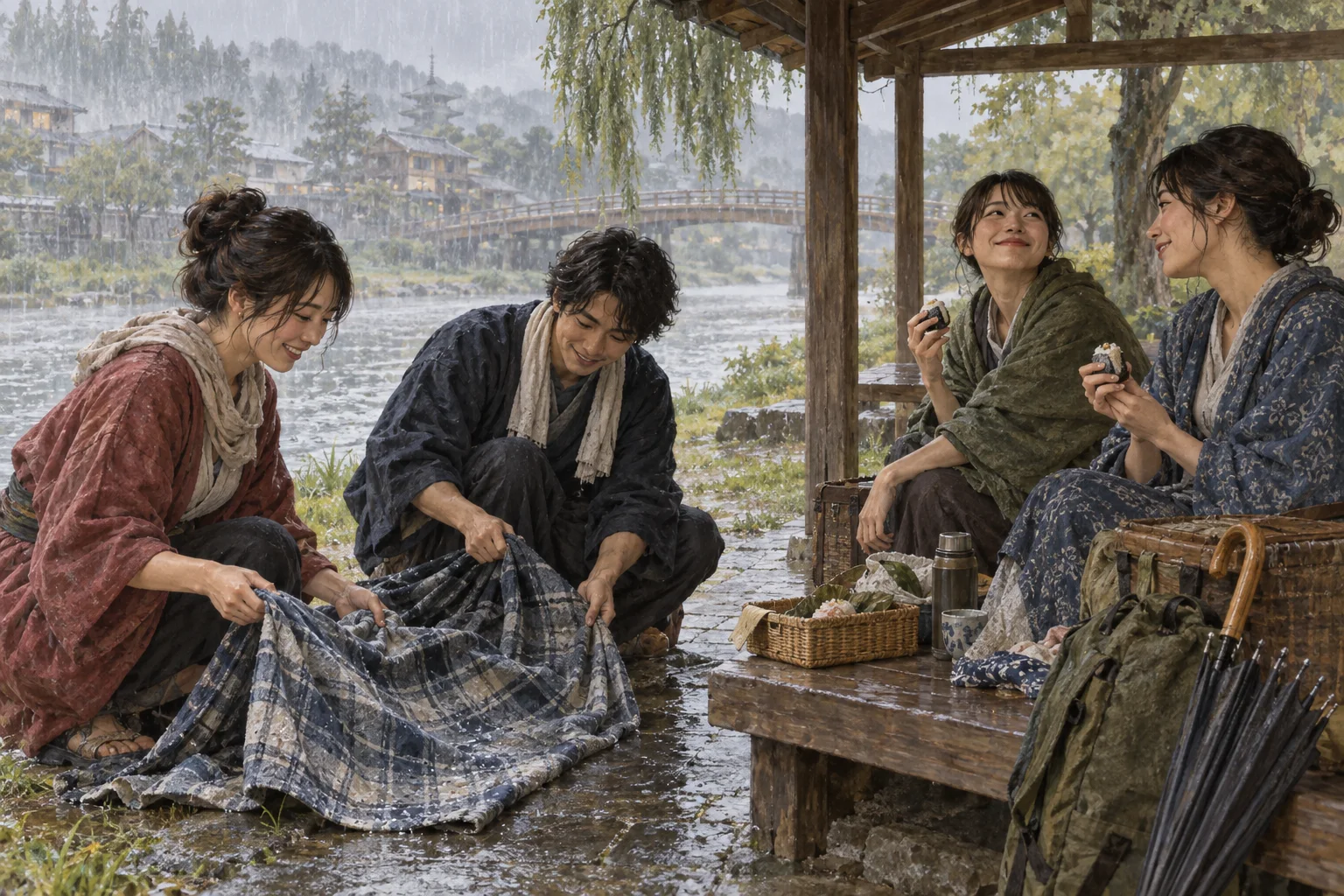
壱In one line一言で言うと
Shikata ga nai means there is nothing to be done about it, and it is used to close off worry rather than to give up.
弐In 30 seconds30秒で説明する
Shikata ga nai, or the shorter shoganai, means there is no way of doing anything about it. Japanese people say it about delayed trains, bad weather, illness and outcomes already decided. Outsiders often read it as fatalism. In use it is closer to a decision: this cannot be changed, so I will stop spending energy on it.
参As a short speechスピーチ・英作文
Shikata ga nai translates as it cannot be helped, and it is one of the phrases most often used to explain the Japanese character, usually badly. Foreign writers often present it as fatalism, a national habit of accepting whatever happens. That is not how it functions in conversation.
It is said about things that are genuinely finished or genuinely outside anyone's control: the train is canceled, the typhoon is coming, the decision has already been made. What the phrase does is draw a line. It says this is not something I can act on, so I am going to stop turning it over.
Used that way it is closer to a form of triage than to resignation. It does have a darker side, and Japanese people say so. If it is used about things that could be changed, about an unfair rule or a bad workplace, then it becomes an excuse for not pushing back, and that criticism is made openly here.
仕方ないしかたないshikatanaiit cannot be helped
諦めではなく、線を引く言葉。変えられないものに力を使わない、という判断。
壱一言で言うとIn one line
仕方ないとは「どうしようもない」の意味で、諦めというより、悩みを打ち切るために使われます。
弐30秒で説明するIn 30 seconds
仕方ない、短く言えばしょうがない、は「どうすることもできない」という意味です。日本人は遅れた電車、悪天候、病気、すでに決まった結果についてこれを言います。外から見ると諦観に映ることがあります。実際の使い方はむしろ判断に近く、これは変えられないから、ここに力を使うのはやめる、ということです。
参スピーチ・英作文As a short speech
仕方ないは it cannot be helped と訳され、日本人の気質を説明するのに最もよく使われる言葉のひとつですが、たいていは的を外しています。外国の書き手はこれを諦観、何が起きても受け入れる国民的習慣として紹介します。会話の中での働き方は違います。
本当に終わったこと、本当に誰の手にも負えないことについて言う言葉です。電車が運休になった、台風が来る、決定はもう出ている。この言葉がしているのは、線を引くことです。これは自分が動かせるものではないから、考え続けるのをやめる、と宣言している。
そう使われるかぎり、これは諦めというより、力の配分の判断に近いものです。暗い面もありますし、日本人自身がそう言います。変えられるはずのことに、不当な規則や悪い職場について使われれば、それは押し返さないための言い訳になります。その批判は、ここでは公然となされています。
こう聞かれたらQuestions people actually ask
QIs it the same as giving up?
ANot in most uses. It is applied to things already decided or outside control. Applied to things that could be changed, it does become giving up, and Japanese people criticize that use.
あきらめることと同じですか。多くの用法では違います。すでに決まったこと、手の届かないことに使われます。変えられることに使えば、それは諦めになりますし、日本人もその用法を批判します。
QWhat's the difference from shoganai?
ANone in meaning. Shoganai is the contracted, more casual form of shiyou ga nai, and shikata ga nai is slightly more formal. Both are used constantly.
しょうがないとはどう違うのですか。意味は同じです。しょうがないは「しようがない」の縮まったくだけた形で、仕方ないのほうが少し改まっています。どちらも日常的に使われます。
QIs it connected to Buddhism?
AIt fits Buddhist ideas about impermanence, and people often connect the two. But the phrase itself is plain everyday Japanese with no religious content, and most speakers are not thinking about doctrine.
仏教と関係がありますか。無常という仏教の考え方と重なり、結びつけて語られることもあります。ただ言葉自体はごく日常的な日本語で宗教的な内容はなく、使う人が教義を意識しているわけではありません。
誤解されやすいA common misunderstanding
MYTHShikata ga nai shows that Japanese people passively accept everything.仕方ないは日本人が何でも受け入れて抵抗しないことの表れだと思われがちです。
FACTIt is normally used about outcomes already settled or genuinely outside control. Japanese people themselves criticize its use as an excuse when something could still be changed.通常はすでに決着したことや本当に手の届かないことに使われます。まだ変えられることへの言い訳として使われる場合には、日本人自身が批判しています。
そのまま使えるフレーズPhrases you can use
- Well, it can't be helped.仕方ないですね。
- There's nothing we can do about the weather.天気は仕方ないです。
- The decision's already made, so that's that.もう決まったことだから、仕方ない。
- It's not about giving up — it's about not wasting energy.諦めではなく、力を無駄にしないということです。
- But some things shouldn't be accepted.ただ、受け入れるべきでないこともあります。
豆知識Background
「仕方」は「する方法」の意で、「仕方がない」は文字どおり「やり方がない」。同義の「しょうがない」は「しようがない」の音便。英語圏でも、日本人や日系人の気質を語る言葉として取り上げられることがあり、日系アメリカ人の強制収容を語る文脈でも引かれてきた。一方、日本国内でも、変えられることまで「仕方ない」で片づけてはいけないという議論はたびたび起きている。日常会話では「まあ、しょうがない」と「まあ」を付けて、区切りをつける言い方が最も多い。
出典日本文化ナビ(原田英語.com)「仕方ないを英語で説明する(shikatanai)」https://www.haradaeigo.com/japanese-culture/w/shikata-ga-nai
- 文
- 日本文化ナビ編集部(原田英語.com)— 英文・和訳・解説はすべて独自に作成
- イラスト
- 日本文化ナビ オリジナル
- 発行
- 原田英語.com https://www.haradaeigo.com/
- 印刷日
- 2026.10.17
© 2026 Harada Eigo (原田英語.com). Text and illustration: Japan Culture Navi.
ページはこちら