社号
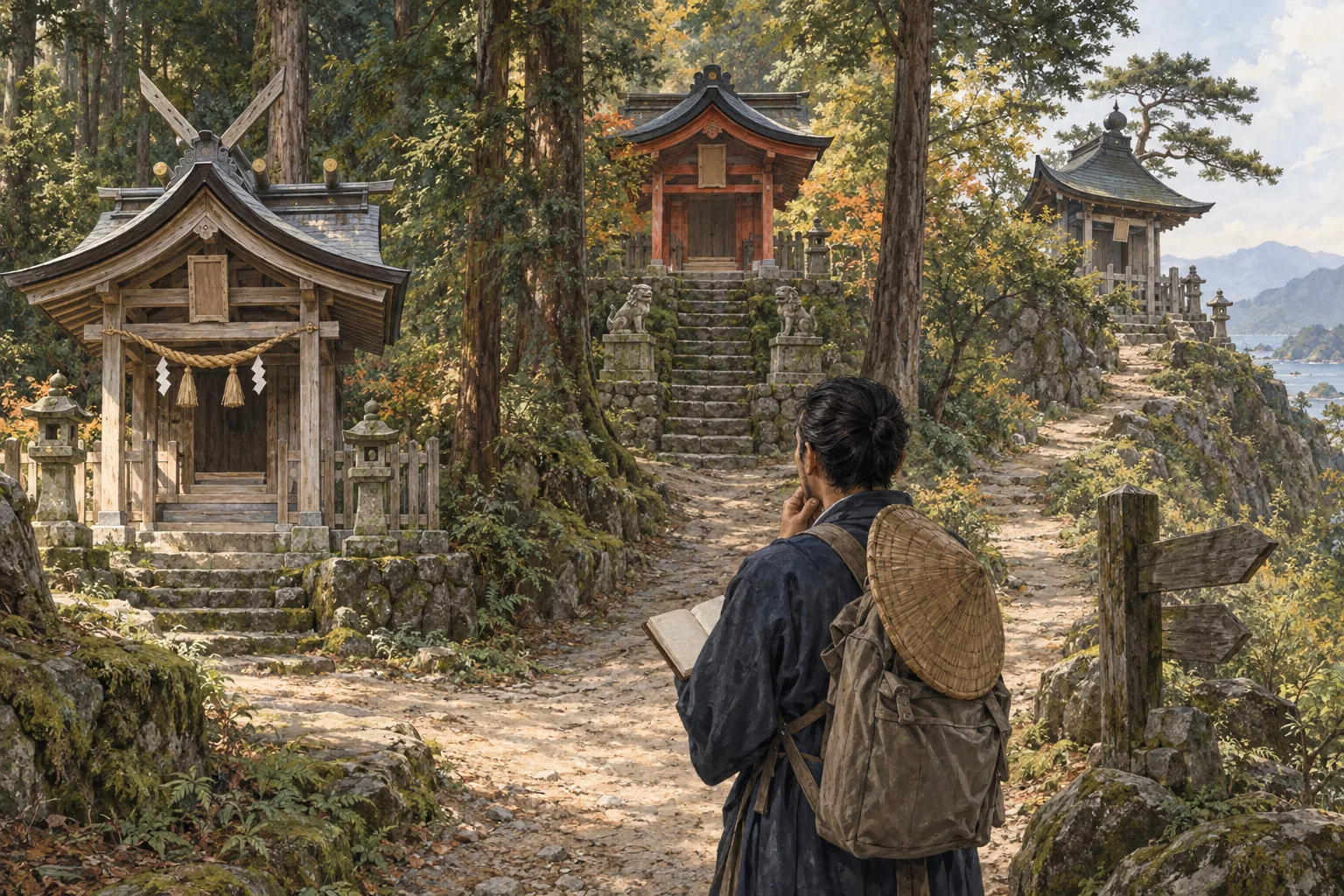
壱In one line一言で言うと
Shago is the suffix on a shrine's name, such as jingu, taisha, gu or jinja, that hints at its history.
弐In 30 seconds30秒で説明する
Japanese shrines end their names in different ways. Jingu generally marks a shrine connected to the imperial line, gu often one enshrining an imperial figure, taisha a shrine of major standing in its region, and jinja is the ordinary term. The distinctions are historical rather than a strict modern ranking.
参As a short speechスピーチ・英作文
Visitors often ask why one shrine is a jinja, another a jingu, and a third a taisha. The endings are called shago, and they carry history. Jingu generally indicates a close connection with the imperial line: the shrine at Ise is formally just Jingu, with no place name, because it was regarded as the shrine.
Gu often marks a shrine enshrining a member of the imperial family, though it is also used for some other revered figures, as at the Tenmangu shrines to Sugawara no Michizane. Taisha, meaning great shrine, was originally used of Izumo alone and later extended to a number of shrines of major regional standing.
Jinja is the ordinary word, used by the overwhelming majority. Sha marks a small branch shrine. Before 1945 there was a formal state ranking of shrines, which was abolished during the postwar reforms, so today these names are inherited tradition rather than an official hierarchy.
社号しゃごうshagowhy shrines are called jingu, taisha or jinja
神宮、大社、宮、神社。名前の後ろで格や由来が分かる。
壱一言で言うとIn one line
社号とは、神宮、大社、宮、神社といった神社の名の末尾で、その社の由来をある程度示すものです。
弐30秒で説明するIn 30 seconds
日本の神社の名の末尾はさまざまです。神宮はおおむね皇室に関わる社、宮は皇族などを祀る社、大社はその地域で大きな位置を占めてきた社、神社はふつうの呼び名です。この区別は歴史によるもので、現在の厳密な格付けではありません。
参スピーチ・英作文As a short speech
神社によって、神社と呼ばれるもの、神宮と呼ばれるもの、大社と呼ばれるものがあるのはなぜか、とよく尋ねられます。これらの末尾は社号と呼ばれ、歴史を担っています。神宮はおおむね皇室との深い関わりを示します。伊勢の社は正式には地名を付けずに神宮と称します。
それが神宮そのものと見なされてきたからです。宮は皇族を祀る社に多く見られますが、菅原道真を祀る天満宮のように、ほかの崇敬を集めた人物の社にも使われます。大社は大きな社という意味で、もとは出雲について用いられ、のちに地域で大きな位置を占める社に広がりました。
神社はふつうの語で、圧倒的多数がこれを使います。社は小さな分社に付きます。1945年より前には国家による社格の制度がありましたが、戦後の改革で廃止されました。今日これらの名は、公的な序列ではなく、受け継がれた呼び名です。
こう聞かれたらQuestions people actually ask
QDoes a bigger name mean a more important shrine?
ANot reliably. Many small local shrines carry grand-sounding names for historical reasons, and some very significant shrines are simply jinja. The name records history rather than current standing.
名前が大きいほど格の高い神社なのですか。必ずしもそうではありません。歴史的な事情で立派な名を持つ小さな社は多く、きわめて重要な社が単に神社と称している例もあります。名は現在の位置づけではなく、来歴を記録しているのです。
QWhat was the prewar ranking?
AA state system that classified shrines into national and local grades and provided support accordingly. It was abolished after 1945 when shrines were separated from the state, and most became private religious corporations.
戦前の社格とは何ですか。国が神社を官社と諸社などに格付けし、それに応じて扱いを定めた制度です。1945年以降、神社が国家から分離されたときに廃止され、多くは宗教法人となりました。
QHow do I tell a shrine from a temple by name?
AShrine names end in jinja, jingu, taisha, gu or sha. Temple names typically end in ji, in or do. A torii gate at the entrance is the clearest visual sign of a shrine.
名前だけで神社か寺か見分けられますか。神社の名は神社、神宮、大社、宮、社で終わります。寺は寺、院、堂で終わるのがふつうです。入口の鳥居が、神社であることを示す最も分かりやすい目印です。
そのまま使えるフレーズPhrases you can use
- The ending tells you about its history.末尾の呼び名に来歴が表れています。
- Ise is formally called just Jingu.伊勢は正式には神宮と称します。
- Most shrines are simply jinja.ほとんどの社は単に神社です。
- A small branch shrine is called sha.小さな分社は社と呼ばれます。
- The old ranking system was abolished.旧来の社格制度は廃止されました。
豆知識Background
社号には神宮、宮、大社、神社、社があります。神宮は伊勢のほか、皇室にゆかりの深い社に用いられ、明治以降に新たに神宮を称した社もあります。大社は出雲に用いられた呼び名で、戦後に各地の有力な社が称するようになりました。宮は皇族や、天神として祀られた人物の社に多く見られます。1871年に定められた近代社格制度は1946年に廃止され、現在の社号は歴史的な名称として受け継がれています。
出典日本文化ナビ(原田英語.com)「社号を英語で説明する(shago)」https://www.haradaeigo.com/japanese-culture/w/shago
- 文
- 日本文化ナビ編集部(原田英語.com)— 英文・和訳・解説はすべて独自に作成
- イラスト
- 日本文化ナビ オリジナル
- 発行
- 原田英語.com https://www.haradaeigo.com/
- 印刷日
- 2026.10.17
© 2026 Harada Eigo (原田英語.com). Text and illustration: Japan Culture Navi.
ページはこちら