おかげさまで
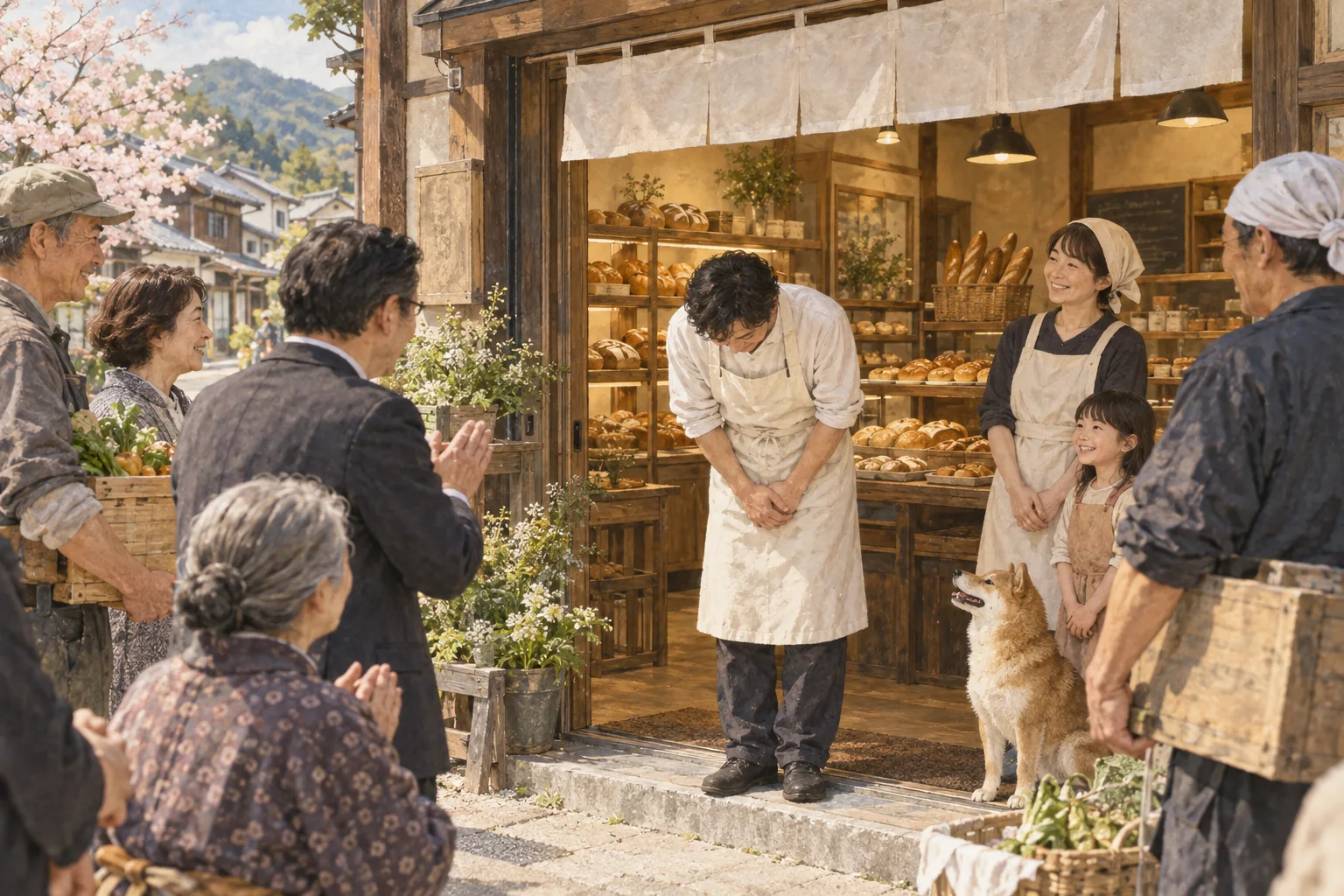
壱In one line一言で言うと
Okagesama de means thanks to you, and more broadly thanks to help you cannot see.
弐In 30 seconds30秒で説明する
Okagesama de is a set phrase used when reporting that things are going well. It literally invokes a shadow, meaning protection or support, and it credits the good outcome to others rather than to yourself. It is used even when the listener had nothing to do with it, which is the point: it is a habit of not claiming sole credit.
参As a short speechスピーチ・英作文
Okagesama de is one of those phrases that carries a whole attitude. You use it when answering that things are going well: asked how you are, how the business is doing, how your recovery is progressing, you begin with okagesama de and then say that you are fine.
The word inside it means a shadow, in the sense of shelter or protection, with an honorific attached, and the phrase credits your good state to others. What is interesting is that it is used even when the person asking has clearly had nothing to do with it. That is not empty politeness.
It reflects a habit of treating any good outcome as partly owed to circumstances, other people and things you cannot see, rather than to your own effort alone. For a learner it is an easy win. Putting okagesama de in front of a positive answer instantly sounds natural and modest, and leaving it out makes the same answer sound slightly blunt.
おかげさまでおかげさまでokagesama dethanks to you and to unseen help
「おかげさまで元気です」の「おかげ」は、誰のおかげか言っていない。
壱一言で言うとIn one line
おかげさまでとは、あなたのおかげで、そして目に見えない助けのおかげで、という意味です。
弐30秒で説明するIn 30 seconds
おかげさまでとは、うまくいっていると伝えるときに使う決まった言い方です。文字どおりには「陰」を指し、守りや支えを意味していて、良い結果を自分ではなく他者に帰します。聞き手が何も関わっていないときでも使われ、そこが肝心です。自分ひとりの手柄にしないという習慣なのです。
参スピーチ・英作文As a short speech
おかげさまでは、ひとつの態度をまるごと背負っている言い方のひとつです。うまくいっていると答えるときに使います。調子はどうかと聞かれたとき、商売はどうかと聞かれたとき、体の具合はどうかと聞かれたとき、おかげさまでと切り出してから、元気ですと続けます。
中にある語は「陰」で、覆いや守りの意味を持ち、そこに敬語がついています。この言い方は、自分の良い状態を他者に帰します。面白いのは、尋ねた相手が明らかに何も関わっていないときでも使われることです。それは空虚な礼儀ではありません。
良い結果を、自分の努力だけでなく、状況や他の人や目に見えないものにも負っていると考える習慣の表れです。学ぶ側にとっては得な言い方でもあります。肯定の答えの前におかげさまでを置くだけで、たちまち自然で控えめに聞こえ、なければ同じ答えが少しそっけなく響きます。
こう聞かれたらQuestions people actually ask
QThanks to whom, exactly?
AIt is deliberately unspecified. It can mean the listener, everyone who helped, circumstances, or in a religious register the gods and buddhas. Not naming the source is part of the phrase, and asking whose help is meant would miss the point.
正確には、誰のおかげなのですか。あえて特定していません。聞き手のことにも、助けてくれた人みなのことにも、状況のことにも、宗教的な文脈では神仏のことにもなります。出所を名指さないこと自体が、この言い方の一部で、誰のおかげかと問うのは的を外しています。
QCan I use it if the person really did nothing?
AYes, and people do constantly. It is not a false claim that they helped, it is a way of declining to credit yourself. Using it with a stranger who just asked how you are is completely normal.
相手が実際には何もしていなくても使えますか。使えますし、実際にみな絶えず使っています。相手が助けてくれたという嘘ではなく、自分の手柄にしないための言い方です。調子を尋ねただけの初対面の人に使っても、まったくふつうです。
そのまま使えるフレーズPhrases you can use
- I'm doing well, thank you.おかげさまで元気です。
- Business is going fine, thanks.おかげさまで商売は順調です。
- I've recovered, thank you.おかげさまで回復しました。
- We're celebrating ten years, thanks to everyone.おかげさまで十周年を迎えました。
豆知識Background
「おかげ」は「陰」から来た語で、神仏や大きなものの陰に守られているという感覚を含みます。江戸時代には伊勢神宮への集団参詣を「おかげ参り」と呼びました。商店の張り紙に「おかげさまで創業五十年」とあるのは、客への謝意を表す定型です。似た働きをする言葉に「お世話になっております」があり、こちらは仕事の場面で、相手との継続的な関係を前提に使われます。どちらも直訳すると英語では大げさに響くため、訳し方に工夫が要ります。
出典日本文化ナビ(原田英語.com)「おかげさまでを英語で説明する(okagesama de)」https://www.haradaeigo.com/japanese-culture/w/okagesama-de
- 文
- 日本文化ナビ編集部(原田英語.com)— 英文・和訳・解説はすべて独自に作成
- イラスト
- 日本文化ナビ オリジナル
- 発行
- 原田英語.com https://www.haradaeigo.com/
- 印刷日
- 2026.10.17
© 2026 Harada Eigo (原田英語.com). Text and illustration: Japan Culture Navi.
ページはこちら