もったいない
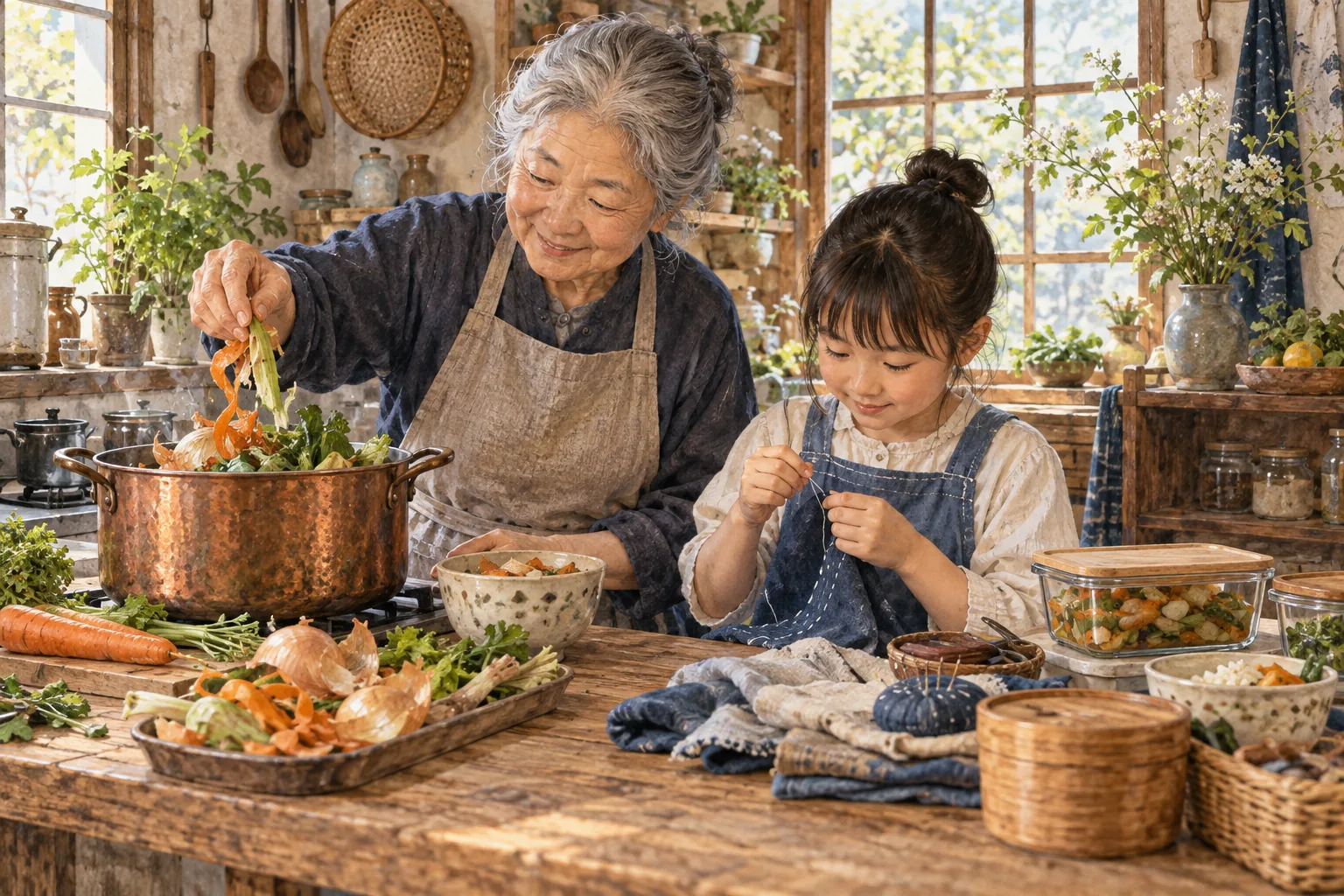
壱In one line一言で言うと
Mottainai is the feeling that something still useful is being thrown away.
弐In 30 seconds30秒で説明する
Mottainai is what Japanese people say when something is wasted. It covers food left on a plate, water running while you brush your teeth, and talent going unused. What English misses is the touch of regret in it, almost an apology to the object itself. Children hear it constantly, and in many families it is one of the first moral lessons taught at home.
参As a short speechスピーチ・英作文
Mottainai is a word Japanese children hear from the time they can eat by themselves. It means, roughly, what a waste, but it carries something more. There is regret in it, and a kind of respect for the thing being wasted, as if the object had a purpose it was not allowed to finish.
You say it about the last grains of rice in a bowl, about a shirt thrown away because of one loose button, and about a person with ability who never uses it.
The Kenyan environmentalist Wangari Maathai heard the word in Japan in 2005 and began using it worldwide, because she felt it contained reduce, reuse, recycle and respect in a single word. I think that is why it is worth explaining. It is not a rule about recycling. It is a feeling.
もったいないもったいないmottainaiwhat a waste
ノーベル平和賞受賞者が世界に広めた日本語。「もったいない」は“waste”では訳しきれない。
壱一言で言うとIn one line
もったいないとは、まだ使えるものが捨てられることへの、惜しむ気持ちです。
弐30秒で説明するIn 30 seconds
もったいないは、何かが無駄になるときに日本人が口にする言葉です。皿に残した食べ物、歯みがき中に流しっぱなしの水、生かされていない才能まで含みます。英語で抜け落ちるのは、そこにある惜しむ気持ち、ほとんど物に対する詫びのような感覚です。子どもは何度も聞いて育ち、多くの家庭で最初に教わる道徳のひとつです。
参スピーチ・英作文As a short speech
もったいないは、日本の子どもが一人で食べられるようになるころから耳にする言葉です。だいたい「何て無駄なんだ」の意味ですが、それ以上のものを含んでいます。そこには惜しむ気持ちと、無駄にされる物への一種の敬意があります。
まるでその物が果たせなかった役目を持っていたかのように。茶碗に残った最後の米粒にも、ボタンが一つ取れただけで捨てられるシャツにも、力があるのに使わない人にも言います。ケニアの環境活動家ワンガリ・マータイさんは2005年に日本でこの言葉に出会い、世界で使いはじめました。
reduce・reuse・recycle・respect が一語に入っていると感じたからです。だからこそ説明する価値があると思います。これはリサイクルの規則ではなく、気持ちなのです。
こう聞かれたらQuestions people actually ask
QIs it just about the environment?
ANo. It applies to anything not used to its full value, including time, ability and opportunities. Telling a talented person that not using their skill is mottainai is completely normal.
環境のための話なのですか。環境の話だけではありません。時間・能力・機会など、価値を使い切れていないものすべてに使います。才能のある人に「その力を使わないのはもったいない」と言うのはごく普通です。
QDoes the word come from Buddhism?
AThe word is written with characters meaning roughly that a thing's essence is lacking, and it was used in old texts to mean irreverent or undeserved. The sense of respect for objects fits Buddhist and Shinto ideas, though the modern everyday use is simpler than that.
この言葉は仏教から来たのですか。「勿体(物の本質)が無い」と書き、古い文献では「畏れ多い」「不相応だ」の意味でも使われました。物を敬う感覚は仏教や神道の考え方と重なりますが、現代の日常的な使い方はもっと単純です。
QDoes Japan actually waste less than other countries?
ANot as much as the word suggests. Japan throws away a large amount of food every year and uses a great deal of packaging. The value is genuine, but daily practice does not always match it.
日本は実際にほかの国より無駄が少ないのですか。言葉ほどではありません。日本の食品ロスは年間で相当な量にのぼりますし、過剰包装も多いです。価値観は本物ですが、実際の生活が常にそれに追いついているわけではありません。
そのまま使えるフレーズPhrases you can use
- Don't throw that away — what a waste.捨てないで、もったいない。
- You've got the skill; it'd be a waste not to use it.才能があるんだから、使わないともったいないですよ。
- Finish the last grain of rice.最後の一粒まで食べなさい。
- It still works, so I couldn't throw it out.まだ使えるので、捨てられませんでした。
- There isn't really one English word for it.ぴったりの英語が一語ではないんです。
豆知識Background
「もったいない」は「勿体(もったい)」+「無い」で、勿体とは本来「物のあるべき姿・本質」を指す。古くは「もったいない」は「不相応だ」「畏れ多い」の意味で使われ、目上の人から過分な扱いを受けたときの「もったいないお言葉」にその用法が残っている。2005年、ケニアの環境活動家で2004年のノーベル平和賞受賞者ワンガリ・マータイ氏が来日時にこの語を知り、3R(Reduce, Reuse, Recycle)に Respect を加えた概念として国際的に紹介した。一方で日本の食品ロスは年間400万トン台で推移しており、言葉と実態の差はしばしば指摘される。
出典日本文化ナビ(原田英語.com)「もったいないを英語で説明する(mottainai)」https://www.haradaeigo.com/japanese-culture/w/mottainai
- 文
- 日本文化ナビ編集部(原田英語.com)— 英文・和訳・解説はすべて独自に作成
- イラスト
- 日本文化ナビ オリジナル
- 発行
- 原田英語.com https://www.haradaeigo.com/
- 印刷日
- 2026.10.17
© 2026 Harada Eigo (原田英語.com). Text and illustration: Japan Culture Navi.
ページはこちら